- 0
- 462 words
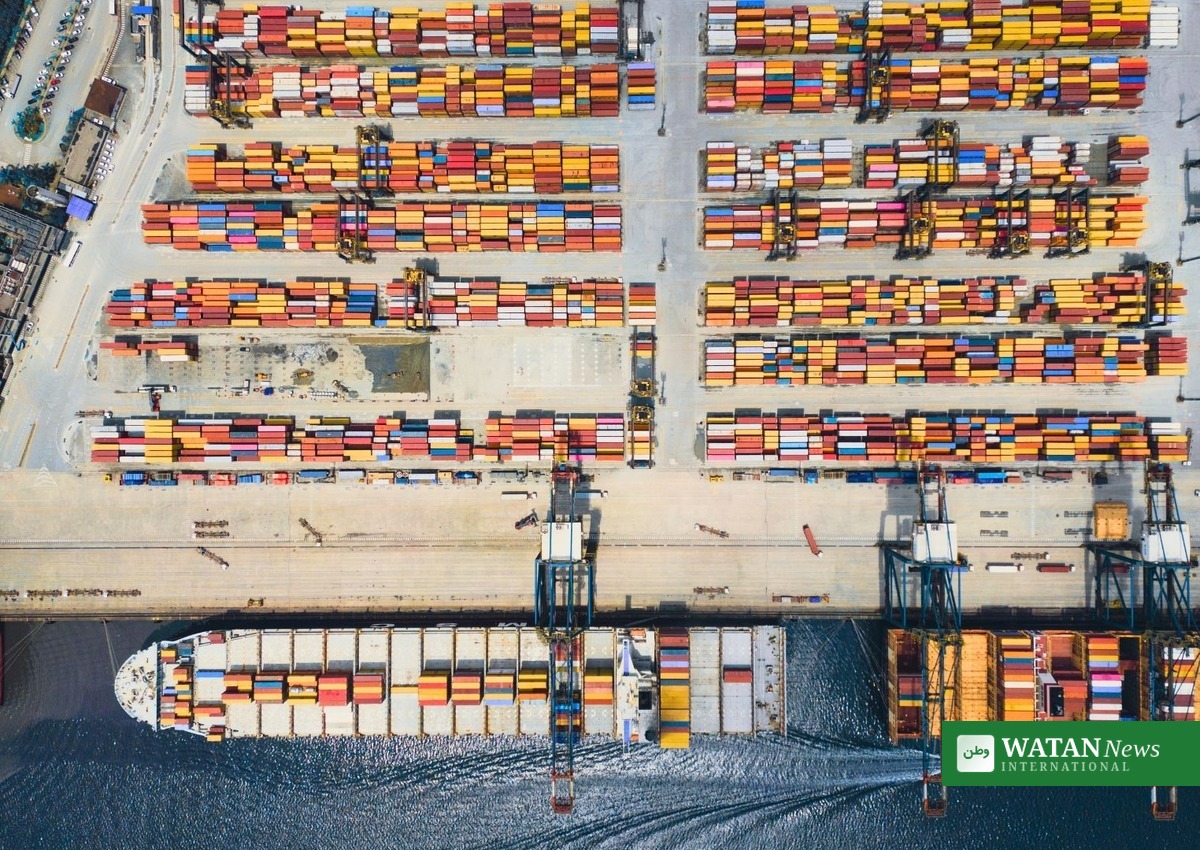
Global maritime trade is set to record no growth in 2026, the United Nations has warned, as disruption hits four of the world’s most important shipping chokepoints at the same time. The forecast comes in the UN Conference on Trade and Development’s Review of Maritime Transport 2026, released in Geneva on 26 November.
Seaborne trade reached 12.3 billion tonnes in 2025, but growth slowed to 1.9 per cent, half the pace recorded in 2024. UNCTAD now projects zero growth for 2026, followed by a recovery of 3.2 per cent in 2027. The agency points to simultaneous pressure on the Strait of Hormuz, the Red Sea, the Black Sea and the Panama Canal.
FAKTA
- Seaborne trade in 2025: 12.3 billion tonnes
- Growth in 2025: 1.9 per cent, against 3.9 per cent in 2024
- Projected growth in 2026: zero
- Projected recovery in 2027: 3.2 per cent
- Share of world goods carried by sea: more than 80 per cent
- Shipping demand in ton-miles in 2026: up 1.5 per cent, as voyages grow longer
- Report: UNCTAD Review of Maritime Transport 2026
Four chokepoints under pressure
Disruption at the four chokepoints is lengthening voyages, raising fuel costs, driving port congestion and adding to uncertainty. Attacks on shipping brought a near-standstill in oil and gas flows through the Strait of Hormuz, while vessels avoiding security risks in the Red Sea have been redirected around southern Africa since late 2023.
Costs have risen sharply. War risk premiums for a 100 million dollar tanker reportedly jumped within days of the disruption in Hormuz, from about 200,000 dollars to 1 million dollars per voyage. Container lines have added emergency war risk charges and fuel surcharges.
Smallest economies pay the most
UNCTAD warns that developing economies, above all small island nations and least developed countries, face the greatest pressure. Their imports often depend on several shipping connections, so every extra mile adds fuel, time and cost.
“When shipping costs rise, consumers ultimately pay the price: but not everybody pays it equally,” said UNCTAD Acting Secretary-General Pedro Manuel Moreno. He warned that if the current fuel shock continues into 2027, higher shipping costs alone could push consumer price rises in least developed countries to almost twice the global average.
Brighter spots in South-South trade
There were more positive findings too. Container routes linking markets, manufacturing centres and ports across Asia, Africa, the Middle East and Latin America grew by 12.1 per cent last year, accounting for nearly one-third of growth in containerised trade. Over the past two decades, least developed countries have improved their shipping connectivity three times faster than the rest of the world.
Containerised trade is still expected to grow by 3.3 per cent in 2026, even as overall maritime trade stalls. To help vulnerable countries withstand further disruption, UNCTAD urges shared stocks of food staples and fuel, along with pre-agreed alternative trade routes and customs procedures to keep essential goods moving.
Author

usmanch0013@gmail.com
Related Posts
Africans Increasingly Look to Rich Countries to Lead on Climate, Afrobarometer Finds
- 0
- 952 words
A new Afrobarometer survey finds the share of Africans who say rich countries should lead on climate has doubled, from 13% to...
Read out all
Malta Youth Green Business Pitches Win Place in Greece Final
- 0
- 983 words
Ten MCAST students from Malta have won a place in the INNO-ANTIDOTE international final in Patras, Greece, with green business pitches on...
Read out all
England Unveils Trees Action Plan with Millions More Trees and a Second National Forest
- 0
- 1,430 word
England's Trees Action Plan promises millions more trees, 3,700 hectares of new publicly accessible woodland and a second national forest across the...
Read out all
UN Tourism Puts Local Communities at the Heart of Travel’s Future
- 0
- 1,360 word
UN Tourism has unveiled Project Unity, a new community-led tourism initiative announced at its 127th Executive Council session in Abu Dhabi, alongside...
Read out all
New Mexico Awards $11.5 Million to 15 Circular Economy Projects
- 0
- 1,045 word
New Mexico will spend 11.5 million US dollars on 15 circular economy projects across the state, the New Mexico Environment Department announced...
Read out all
COP31: Ocean Action Momentum Survives the No-Deal Collapse
- 0
- 1,561 word
COP31 closed in Antalya on 22 November 2026 without the overarching agreement it was meant to deliver — yet COP31 ocean action...
Read out all