
- 0
- 751 words
Denmark and Germany have agreed to ban bottom trawling in Flensburg Fjord’s inner waters from 1 January 2027, putting an end to mussel dredging and other bottom-contact fishing gear in the shared fjord. The deal was necessary because fishing in the fjord is governed by joint Danish-German regulations, and it marks the final piece of Denmark’s 2023 marine spatial plan agreement covering three Danish fjords.
FAKTA: The Flensburg Fjord Trawling Ban
Agreed: Denmark and Germany, 29 September 2026 • Takes effect: 1 January 2027
Bans: mussel dredges and all other bottom-contact fishing gear in the inner Flensburg Fjord
Basis: Denmark’s 2023 marine spatial plan agreement (Aftale om Danmarks Havplan)
Next step: implementing regulation goes to public consultation in October 2026
Status: Flensburg Fjord is in poor ecological condition and affected by oxygen depletion
What the Flensburg Fjord Bottom Trawling Ban Covers
The agreement means that mussel dredges and other bottom-contact fishing gear will no longer be permitted for mussel fishing in the inner part of the fjord. The two countries have agreed to amend their joint fishing regulations so that the same prohibition applies on both sides of the border, the Danish Ministry of Environment announced.
The ban stems from Denmark’s 2023 marine spatial plan agreement, under which the government and a broad majority of parties in the Danish Parliament agreed to prohibit fishing with bottom-contact gear in Flensburg Fjord, Vejle Fjord and Kalø Vig. Restrictions in Vejle Fjord and Kalø Vig entered into force on 1 July 2025, and Denmark also adopted a ban covering the Danish section of Flensburg Fjord’s outer waters in July 2025 — but action in the inner fjord depended on an agreement with Germany.
Why Germany Had to Be Part of the Deal
The cross-border nature of the fjord made the Flensburg restrictions more complicated than those introduced elsewhere in Denmark, because fishing there is governed through joint Danish-German rules. Only now, after talks between Copenhagen and Berlin on the common regulation, has it become possible to extend the prohibition to the inner fjord.
The Danish Ministry of Environment plans to put the implementing regulation out for public consultation in October 2026. Once that process is completed, the ban is expected to take effect on 1 January 2027, as reported by Sydnyt.dk.
Protecting the Seabed and Marine Life
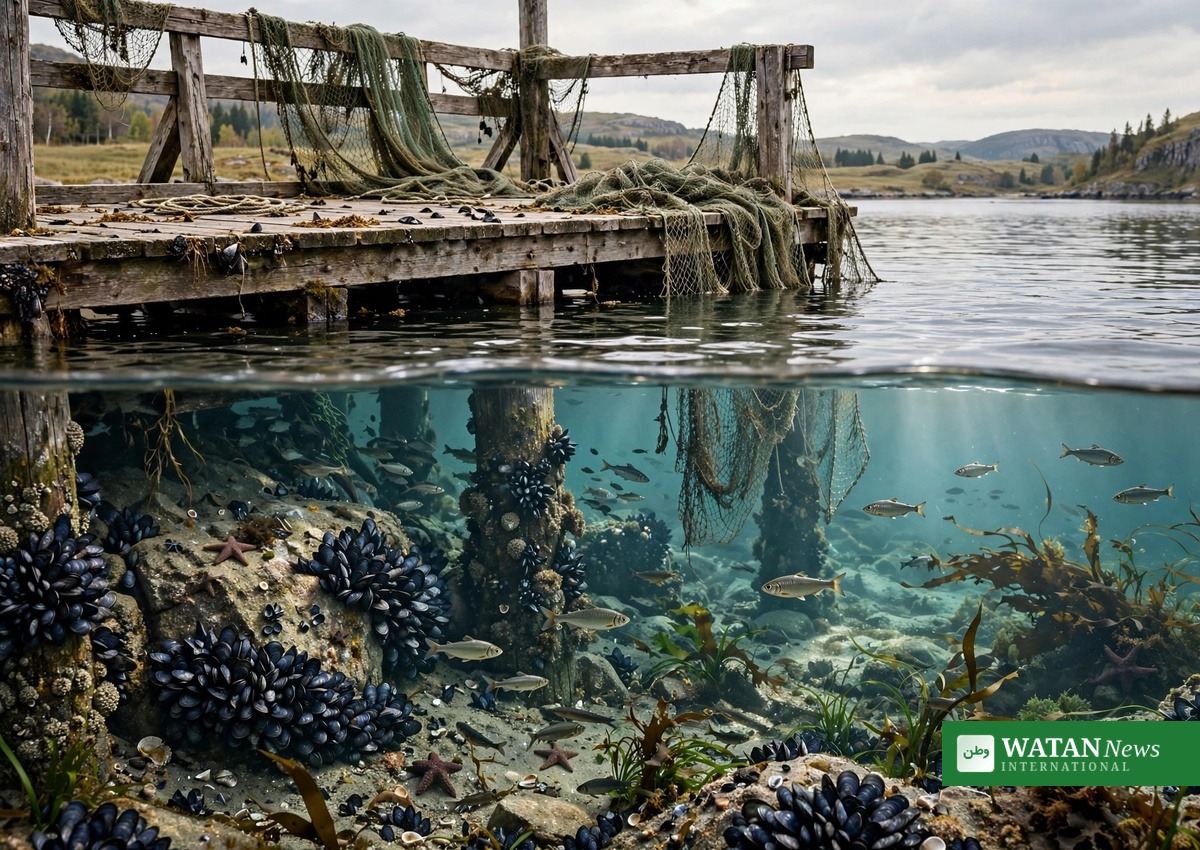
The Danish Environment Ministry says the restrictions are intended to improve conditions for marine ecosystems and protect life on the seabed. Flensburg Fjord is considered to be in poor ecological condition and has also been affected by oxygen depletion.
Environment Minister Maria Reumert Gjerding welcomed the deal, saying the inner fjord is in poor ecological condition and hit by oxygen depletion, and that the ban on mussel dredging — which damages the seabed and can harm the marine environment — is now agreed with Germany. She added that work is underway on a scrapping-support scheme to help the affected fishermen, including mussel vessel owners in Flensburg Fjord.
The measure forms part of a wider Danish effort to reduce the impact of bottom-contact fishing on sensitive marine habitats. Denmark is also pursuing restrictions in protected areas of the North Sea, where proposed bans must pass through cooperation with other EU member states and the European Commission.
Read more: Denmark and Germany Ban Bottom Trawling in Flensburg Fjord from January 2027 on Watan News.
Conclusion
With Germany on board, the last missing piece of Denmark’s 2023 marine plan for the three fjords falls into place. If the consultation in October 2026 goes as planned, the inner Flensburg Fjord will be free of bottom-contact fishing from New Year’s Day 2027 — a win for the fjord’s strained marine life, and a challenge for the fishermen who now await the promised support scheme.
Frequently Asked Questions
When does the bottom trawling ban in Flensburg Fjord take effect?
The ban is expected to take effect on 1 January 2027, after the Danish Environment Ministry puts the implementing regulation out for public consultation in October 2026.
What exactly is being banned?
Mussel dredges and all other bottom-contact fishing gear used for mussel fishing in the inner Flensburg Fjord.
Why did Denmark need Germany’s agreement?
Fishing in the fjord is governed by joint Danish-German regulations, so the prohibition in the inner fjord required both countries to amend their common rules.
Which other fjords are covered by the 2023 agreement?
The 2023 marine spatial plan agreement also covers Vejle Fjord and Kalø Vig, where bans on bottom-contact gear entered into force on 1 July 2025.
Author

usman2344913@gmail.com
Related Posts
Estonia Closes Russia Border: All Crossings to Shut From December 1 After Foiled Arson Attack
- 0
- 550 words
Estonia will close all three of its land border crossings with Russia from December 1 after authorities said they foiled a suspected...
Read out all
48 Hours Without Sleep: The Journalists Bringing COP31 to the World
- 0
- 1,351 word
The Guardian's reporters describe 48-hour shifts, three-hour bus rides and the fight to make COP31's jargon make sense — as 3,645 journalists...
Read out all
COP31 Comes Home: What the Antalya Climate Talks Mean for Everyday Sustainable Living
- 0
- 1,179 word
Sunday is 'A Breath in Antalya' — COP31's culture day. The food on the table, the energy in the house and the...
Read out all
Ukraine Strikes Major Russian Petrochemical Plant in Deep Drone Attack on Tatarstan
- 0
- 751 words
Ukrainian drones struck the Nizhnekamskneftekhim petrochemical complex and the TAIF-NK oil refinery in Nizhnekamsk, Tatarstan, overnight into Sunday, Kyiv's General Staff said,...
Read out all
COP31: UK, Canada and Norway Launch $10 Billion ’10by30′ Climate Finance Push for Clean Energy
- 0
- 1,204 word
Three development finance institutions launched '10by30' at COP31 in Antalya on 13 November, aiming to mobilise at least $10 billion for renewable...
Read out all
Wales Stun All Blacks 35-28 to End 73-Year Wait for Victory
- 0
- 582 words
Wales ended 73 years of hurt against New Zealand with a stunning 35-28 Nations Championship win at the Principality Stadium in Cardiff,...
Read out all