
- 0
- 1,351 word
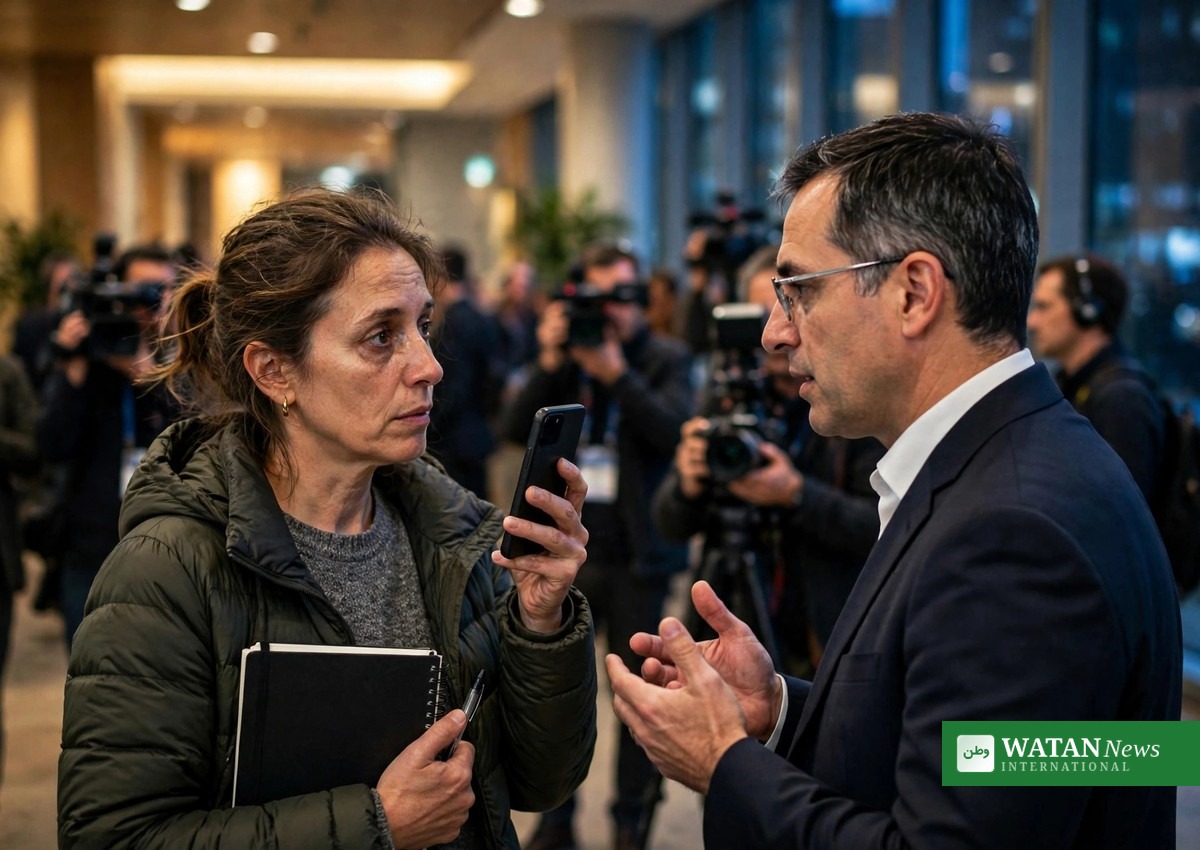
On the COP31 rest day in Antalya, The Guardian has turned the camera on the people telling the world what is happening inside the negotiations: its own journalists. In a feature published on Sunday 15 November, five of the newspaper’s reporters describe a fortnight of exhaustion, traffic jams, terrible food and 48 hours without sleep — and explain why they keep doing it.
The piece lands at the midpoint of a summit that has become the largest climate conference in history. Carbon Brief’s analysis of the UNFCCC’s provisional lists counts 92,934 people registered to attend COP31 in person, topping the 80,000-plus at COP28 in Dubai. With 3,335 more signed up to follow online, total registrations pass 95,000.
A summit the size of a small city
Among those registered are 3,645 media representatives — provisionally the second-largest press contingent in COP history, behind only the 3,712 journalists at COP3 in Kyoto in 1997. Türkiye’s TRT is the most-represented media group, with more than 200 delegates. The COP31 press centre can accommodate 4,000 journalists, and about 3,000 had received accreditation by the end of October. More than 300 press conferences and 40 live broadcast locations are planned across the fortnight.
The Guardian puts the number of registered delegates at 70,000 — a reminder of just how crowded the Antalya Expo Center has become. For the reporters inside, the scale is the first challenge. “Getting across a summit that can draw 100,000 people to attend countless events and backroom meetings is challenging enough,” Adam Morton, the Guardian Australia executive editor, says in the feature.
Three and a half hours on a bus
Then there is the journey. On Tuesday morning, the Guardian’s live blog chronicled environment correspondent Graham Readfearn’s three-and-a-half-hour struggle to reach the venue on a special COP31 bus caught in Antalya traffic. “Graham’s quest wasn’t a metaphor,” the feature notes — it was one of many practical hurdles reporters face at a COP, and the challenges are harder still for smaller media organisations from poorer nations that are particularly vulnerable to the climate emergency.
48 hours with little to no sleep
The deepest test comes at the end. “By the end of the final weekend it is not unusual to have gone 48 hours with little to no sleep, as delegates work through the night, well past the scheduled deadline, to try to reach an agreement,” Morton says. “Power naps on any available surface can become a necessity.”
Readfearn is blunter: “I never eat or sleep properly.” Fiona Harvey, the Guardian’s environment editor, describes days that are “a flurry of text messages, emails, calls, sprints down corridors desperately trying to doorstep world leaders” — and adds, with feeling, that the food is always terrible.
Cutting through the jargon
The professional challenge is translation. “The most challenging thing about covering Cop is cutting through the forests of jargon to find your way to the story that actually means something to the outside world,” says environment correspondent Damien Gayle. For two weeks, he writes, a COP is “like a world in itself — part summit, part trade fair, part festival”.
Readfearn agrees: reporters need to know their LDCs from their NDCs and their HACs from their WEOGs — the acronyms of the negotiations — and then “translate what’s happening into a language the reader understands, and to be able to tell the difference between a development that’s genuinely going to be consequential and something that’s just part of the Cop noise.”
European environment correspondent Ajit Niranjan says the hardest part is serving many audiences at once: the tens of thousands attending the summit want a close-up view of the diplomatic spats and rare breakthroughs, while the average reader wants the key takeaways mixed with “the most riveting, heartbreaking, terrifying and encouraging stories about the climate crisis”.
Why it matters
Harvey is frank about the doubts. After three decades of COPs, global greenhouse gas emissions have continued to rise, and the summits can seem futile. But that is not the whole story, she argues: the world is moving away from fossil fuels, albeit far too slowly, and those impeding that progress need to be held to account. In many countries voters can do that — but a huge slice of the world’s emissions and fossil fuel production come from states where elections are not free and fair. “Cop is one of the few places where those countries can be questioned and exposed on their failings and attempts at obstruction,” she writes.
Former US secretary of state John Kerry made the same point to Harvey just ahead of COP31, when she asked him whether COPs were worth it: “I’d rather have it [Cop] taking place, and having people listen to each other and exchange information and views, than live in a completely dark, motionless pit where nothing happens.”
Watan News is among the accredited media covering COP31 from Antalya, reporting the negotiations in English, Urdu and Danish.
What comes next
The venue is closed on Sunday 15 November for the rest day the Presidency calls “A Breath in Antalya”. Talks resume on Monday 16 November with Science, Industry and Technology Day, the High-Level Segment begins on Tuesday 17 November, and the final negotiations are scheduled for Friday 20 November.
Journalism itself is on the agenda on Wednesday 18 November, when two events take up the future of climate reporting: Dialogue Earth’s 20th anniversary online panel asks what is at risk if climate journalism keeps shrinking, and UNESCO’s Global Initiative for Information Integrity on Climate Change holds an official COP31 side event on fighting climate disinformation. For the reporters in Antalya, the second week will bring the same test as the first — long days, little sleep, and the job of making a sprawling negotiation mean something to the people watching from home.
Readers can follow how the world’s press has covered the summit so far in our earlier report, how the world’s press has covered COP31, and the state of play at the halfway point in our midpoint stocktake.
Key facts
- 92,934 people registered to attend COP31 in person, according to Carbon Brief’s analysis of the UNFCCC’s provisional lists — provisionally the largest COP in history.
- 3,645 media representatives registered — the second-largest press contingent in COP history, behind COP3 in Kyoto in 1997 (3,712).
- 4,000 journalists can be accommodated in the COP31 press centre; about 3,000 were accredited by the end of October.
- 48 hours with little to no sleep is not unusual for reporters by the final weekend, Adam Morton says.
- Three and a half hours — Graham Readfearn’s bus journey to the venue on Tuesday morning.
Frequently asked questions
How many journalists are covering COP31?
3,645 media representatives are registered to attend COP31 in person, according to the UNFCCC’s provisional lists analysed by Carbon Brief. The press centre at the Antalya Expo Center can accommodate 4,000 journalists, and about 3,000 had received accreditation by the end of October.
Why is covering a COP so exhausting?
The scale is enormous — tens of thousands of delegates, countless events and backroom meetings across a vast venue — and the negotiations run around the clock in the final days. Adam Morton of the Guardian says it is not unusual for reporters to go 48 hours with little to no sleep by the final weekend.
What is the hardest part of reporting on a COP?
According to the Guardian’s team, it is translating dense negotiation jargon and acronyms — LDCs, NDCs, HACs, WEOGs — into language readers understand, while telling a genuinely consequential development apart from the daily noise of the summit.
Why does COP coverage matter if emissions keep rising?
Environment editor Fiona Harvey argues that COPs are one of the few places where countries whose elections are not free and fair can be publicly questioned about obstructing climate action — and that the world is moving away from fossil fuels, even if far too slowly.
What happens next at COP31?
Talks resume on Monday 16 November with Science, Industry and Technology Day, the High-Level Segment begins on Tuesday 17 November, and final negotiations are scheduled for Friday 20 November. Two journalism events take place on Wednesday 18 November: Dialogue Earth’s panel on the shrinking of climate journalism, and UNESCO’s side event on information integrity.
Author

usmanch0013@gmail.com
Related Posts
48 timer uden søvn: Journalisterne der bringer COP31 ud til verden
- 0
- 1,416 word
The Guardians journalister beskriver 48-timers vagter, tre timers busture og kampen for at gøre COP31's jargon forståelig — mens 3.645 journalister dækker...
Read out all
کاپ31 کے صحافی: 48 گھنٹے بغیر نیند کے، دنیا تک خبر پہنچانے کی کہانی
گارڈین کے صحافیوں نے بتایا کہ کاپ31 کی کوریج کے دوران 48 گھنٹے نیند کے بغیر گزرتے ہیں، بس میں تین گھنٹے...
Read out all
کاپ31 گھر تک: انطالیہ کے فیصلے روزمرہ زندگی کیسے بدلیں گے
آج انطالیہ میں کاپ31 کا ثقافتی دن ہے۔ میز پر کھانا، گھر میں توانائی اور کوڑے دان میں کچرا — سب کچھ...
Read out all
COP31 kommer hjem: Hvad klimatopmødet i Antalya betyder for en bæredygtig hverdag
- 0
- 1,182 word
Søndag er 'A Breath in Antalya' — COP31's kulturdag. Maden på bordet, energien i huset og affaldet i spanden er alle på...
Read out all
COP31 Comes Home: What the Antalya Climate Talks Mean for Everyday Sustainable Living
- 0
- 1,179 word
Sunday is 'A Breath in Antalya' — COP31's culture day. The food on the table, the energy in the house and the...
Read out all
Ukraine Strikes Major Russian Petrochemical Plant in Deep Drone Attack on Tatarstan
- 0
- 751 words
Ukrainian drones struck the Nizhnekamskneftekhim petrochemical complex and the TAIF-NK oil refinery in Nizhnekamsk, Tatarstan, overnight into Sunday, Kyiv's General Staff said,...
Read out all