- 0
- 666 words
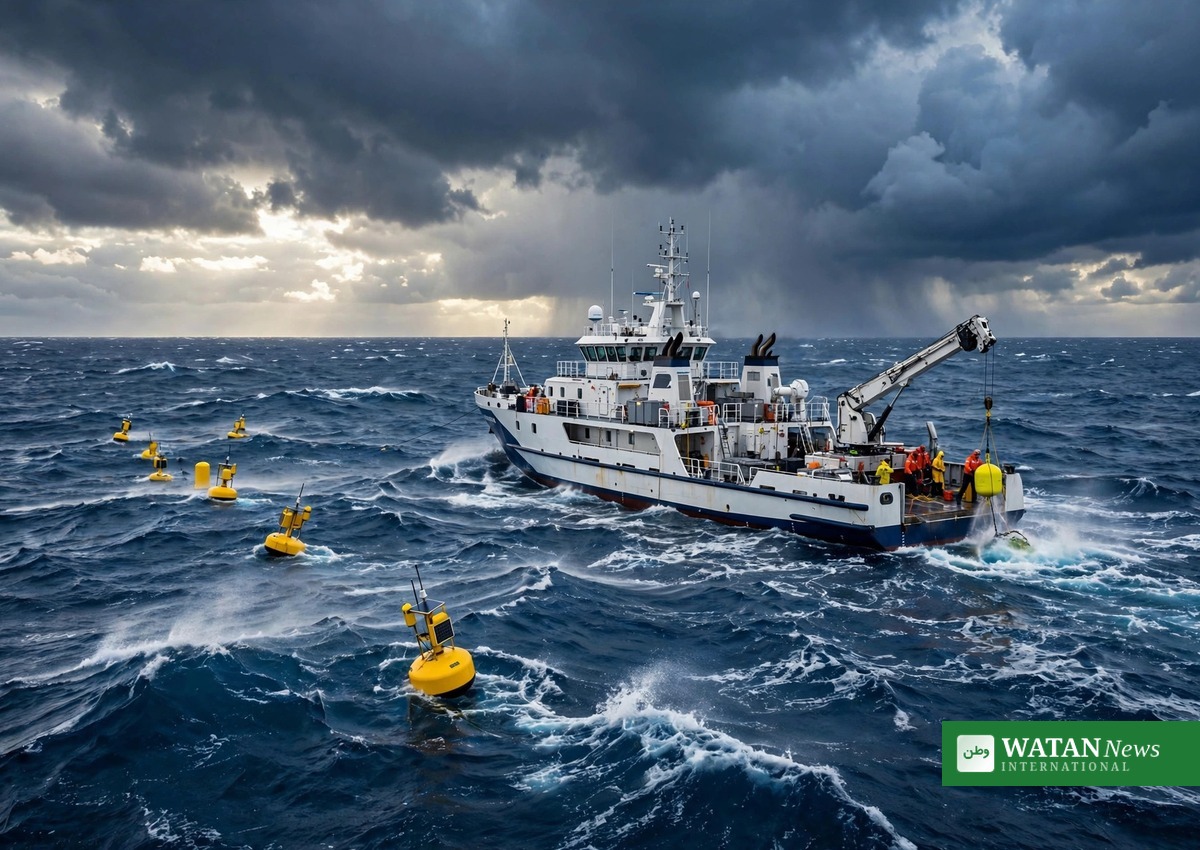
The OceanEye International Alliance for ocean observation was launched on 23 September 2026 during the high-level week of the 81st United Nations General Assembly in New York, with more than 30 countries pledging at least €211 million in financial and in-kind support for the Global Ocean Observing System (GOOS).
European Commission President Ursula von der Leyen and Canadian Prime Minister Mark Carney opened the high-level pledging event at UN Headquarters, held in partnership with UNESCO’s Intergovernmental Oceanographic Commission (IOC-UNESCO) and the World Meteorological Organization (WMO).
FAKTA
- Launched: 23 September 2026, during the 81st UN General Assembly high-level week in New York.
- Opened by: European Commission President Ursula von der Leyen and Canadian Prime Minister Mark Carney, in partnership with IOC-UNESCO and the WMO.
- Pledges: At least €211 million in financial and in-kind support; more than 30 countries joined.
- EU pledge: An additional €92 million; Canada pledge: C$82 million over five years to expand ocean observation capacity.
- The system it funds: GOOS coordinates around 120,000 ocean observations a day from 8,000 platforms operated by 64 countries and 17 global networks.
- Next steps: Further pledging opportunities are planned at COP31, the 12th Our Ocean Conference in Halifax and the 4th UN Ocean Conference in Busan.
Why ocean observation needs funding
The Global Ocean Observing System underpins weather forecasts, climate projections, early warnings, safe navigation, coastal resilience and the blue economy. Yet the system relies heavily on a small number of contributors and faces a critical funding shortfall, with long-term investment gaps putting at-risk infrastructure at risk.
“We must listen to the ocean and we must protect it much more,” von der Leyen told the pledging event. “Ocean observation is under huge pressure. The global network that provides this data faces a critical funding shortfall.”
She gave a concrete example from Ireland: data captured by ocean sensors ahead of Storm Éowyn in January 2025 — which brought wind gusts of 180 km/h — gave the country almost a full week to prepare and warn its people.
What the pledges will fund
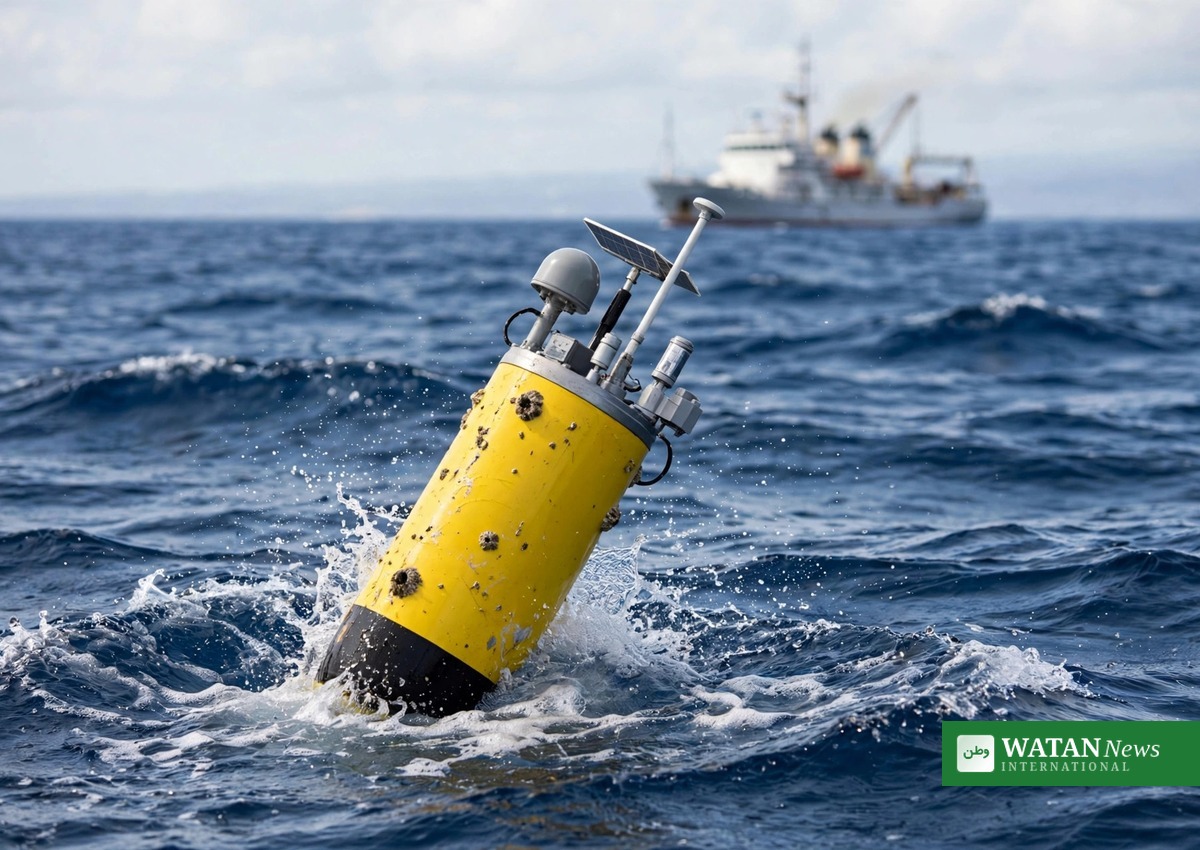
The commitments include cash funding, in-kind support and assets such as research vessels, sensors, drones and data-processing facilities. The money will support the maintenance of existing observation platforms, help close critical data gaps, strengthen the GOOS Secretariat and coordination hubs, and support OceanOPS, the system’s data-reporting centre.
The alliance aims to broaden the contributor base, strengthen coordination, and encourage national commitments such as designating national ocean observation focal points and connecting national ocean data with global data systems.
Who joined
Countries across Europe — including the United Kingdom — as well as Africa and the Americas signed on at launch. A total of 31 members, including the EU and 30 countries, have joined the alliance so far.
Why it matters
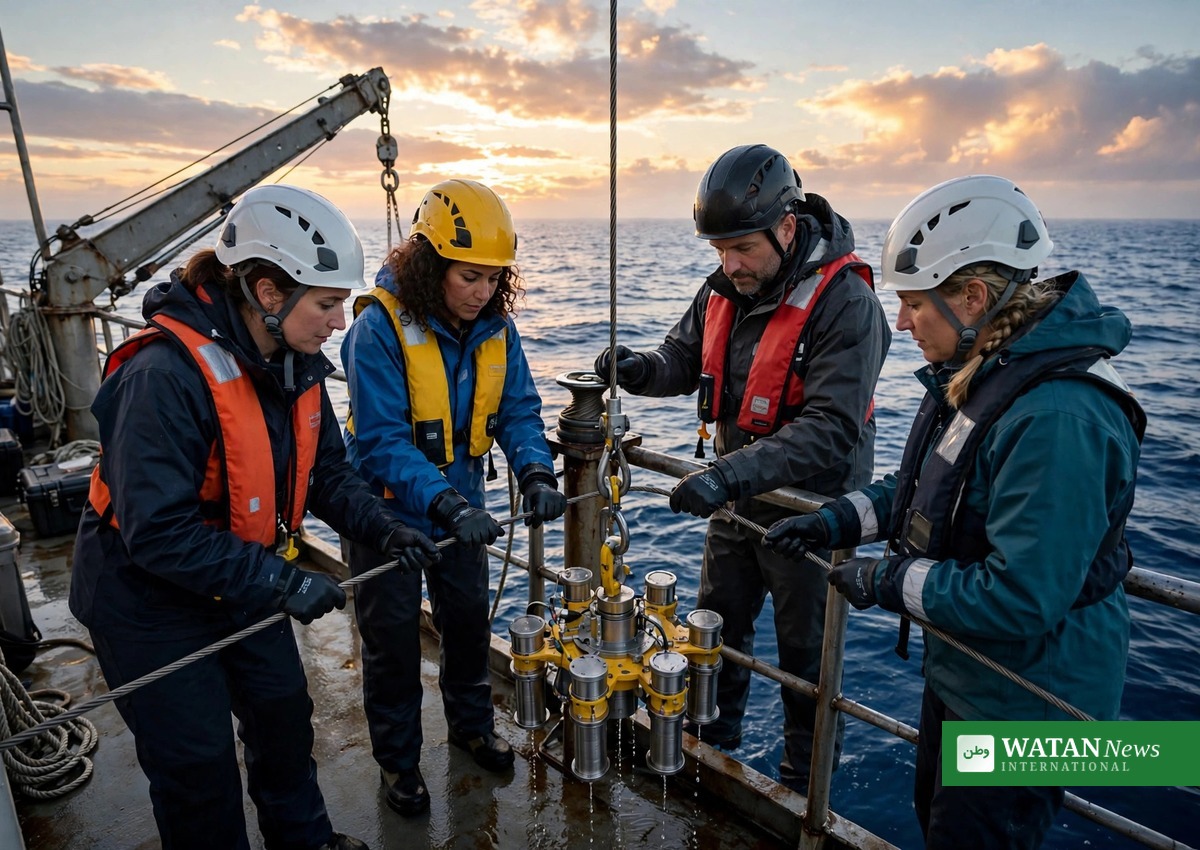
“Better information gives us something enormously powerful: the ability to see what is happening in the ocean, where recovery is possible, and what it will take to accelerate it,” said ocean advocate Alexandra Cousteau, who joined the launch. From tracking fishing activity to protecting marine habitats, the alliance bets that better ocean data will lead to better decisions.
Read more
- OceanEye International Alliance: Stronger Together for Ocean Observation — European External Action Service
- The EU and Canada launch the OceanEye International Alliance — EU Space Observer
- OceanEye: Nations pledge €211m to strengthen ocean observation — Oceanographic
Frequently asked questions
What is the Global Ocean Observing System?
GOOS is the international system that coordinates ocean observations worldwide. Led by IOC-UNESCO and co-sponsored by the WMO, UN Environment Programme and International Science Council, it gathers around 120,000 observations a day from 8,000 platforms in 64 countries.
What does the OceanEye alliance do?
Launched by the EU and Canada at UNGA81, it secures financial and in-kind pledges to sustain observing systems, expand coverage, maintain at-risk infrastructure and broaden the contributor base beyond the small group that currently funds most ocean observation.
Author

watannews321@gmail.com
Related Posts

Imran Khan Appeals for Urgent Medical Help, Warns He ‘May Not Return Alive’
- 0
- 973 words
Pakistan's jailed former prime minister Imran Khan has appealed to the country's top judges for urgent medical treatment, warning that doctors say...
Read out all
3.645 journalister dækker COP31 – det næststørste pressekorps i COP-historien
- 0
- 1,097 word
I alt 3.645 journalister har registreret sig til at dække COP31 i Antalya — det næststørste pressekorps i COP-historien — mens topmødet...
Read out all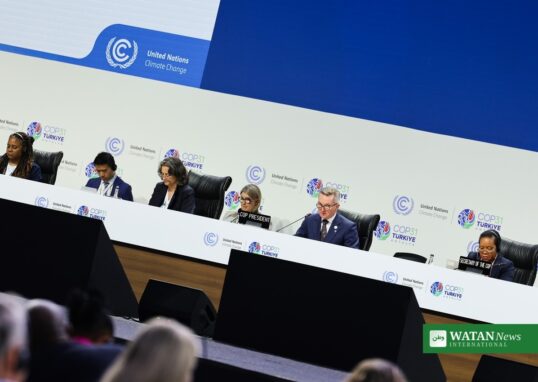
کاپ31 کی کوریج کے لیے 3645 صحافی انطالیہ میں — تاریخ کا دوسرا بڑا صحافتی دستہ
کاپ31 کی کوریج کے لیے 3645 صحافیوں نے انطالیہ میں رجسٹریشن کرائی ہے — موسمیاتی مذاکرات کی تاریخ کا دوسرا بڑا صحافتی...
Read out all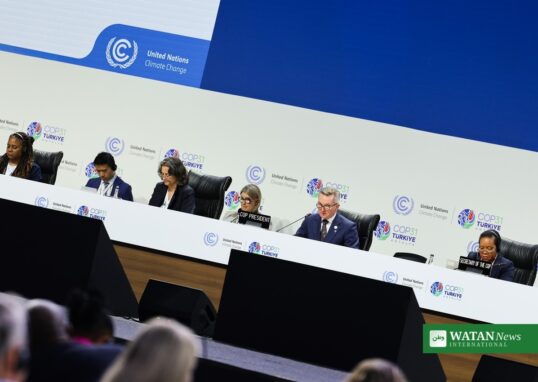
3,645 Journalists Are Covering COP31 — the Second-Biggest Press Corps in COP History
- 0
- 1,087 word
A total of 3,645 journalists have registered to cover COP31 in Antalya — the second-largest press corps in COP history — as...
Read out all
Tyrkiet løber tør for vand, mens COP31 vender sig mod natur og land
- 0
- 1,330 word
Halvdelen af Tyrkiets befolkning risikerer vandmangel i 2030, og 186 af landets 250 søer er udtørret på 50 år, mens COP31 i...
Read out all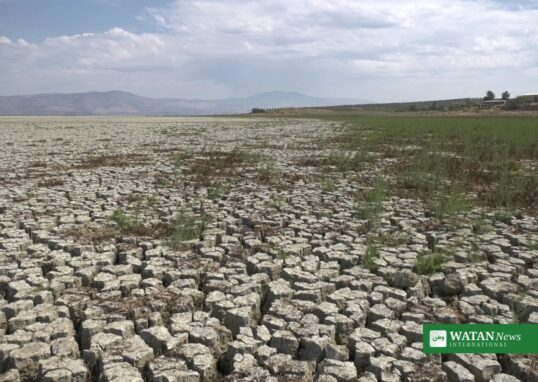
کاپ31 کے میزبان ملک ترکیہ میں پانی کا بحران — آدھی آبادی خطرے میں
ترکیہ کی آدھی آبادی 2030 تک پانی کی قلت کے خطرے میں ہے اور 50 برس میں ملک کی 250 میں سے...
Read out all