- 0
- 720 words
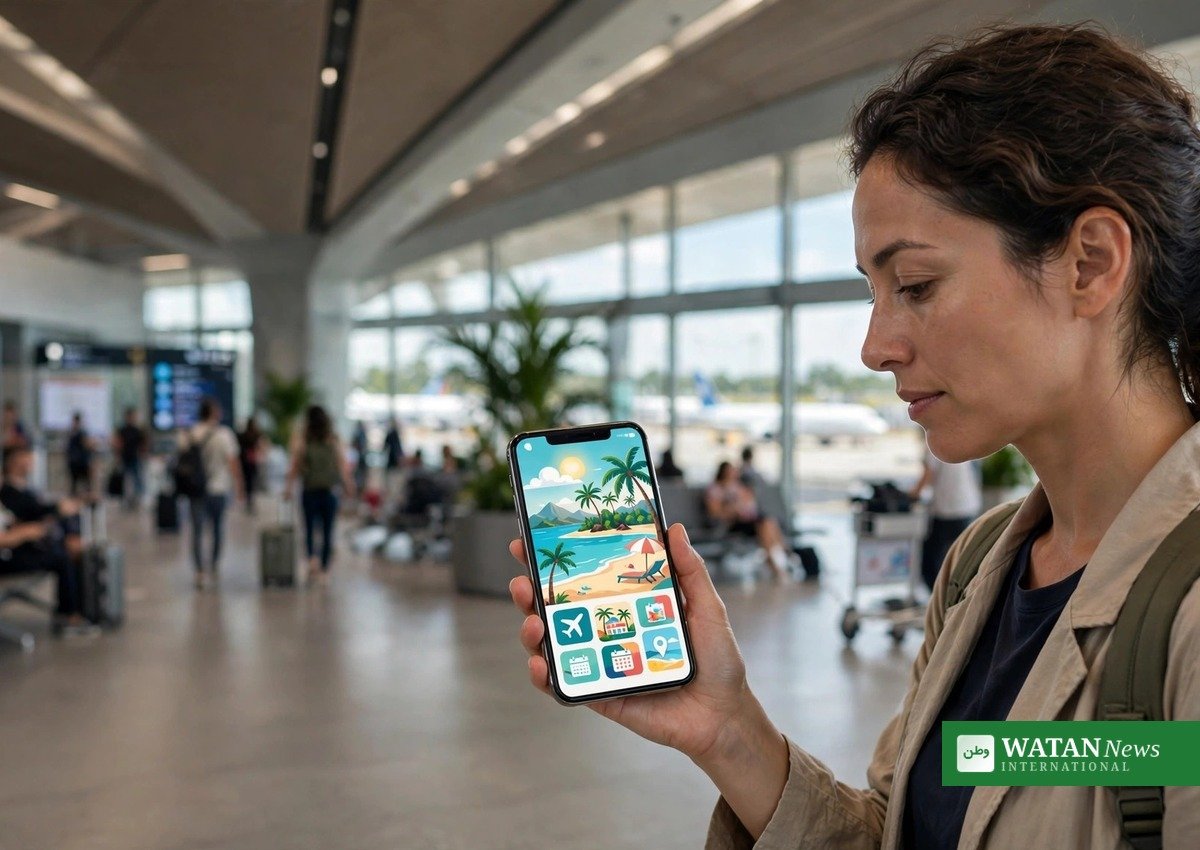
World Tourism Day 2026 asked a question AI is already answering for travellers: who decides where the visitors go? In his message for the day — observed on 27 September under the theme “Digital Agenda and Artificial Intelligence to Redesign Tourism” — UN Secretary-General António Guterres praised AI’s potential and then warned: “Yet left unchecked, it can funnel tourists to the same few places and platforms, leaving many worthwhile destinations behind.”
FAKTA
- World Tourism Day 2026: observed 27 September 2026; official celebrations hosted by El Salvador.
- Theme: “Digital Agenda and Artificial Intelligence to Redesign Tourism” — the first time AI has anchored the day.
- The message: UN Secretary-General António Guterres says AI “is changing how travellers choose destinations, how the industry operates and how travel experiences are designed.”
- The promise: AI can strengthen small businesses, improve services and create new opportunities.
- The warning: left unchecked, AI “can funnel tourists to the same few places and platforms, leaving many worthwhile destinations behind.”
- The ask: invest in digital skills and widen access to technology so tourism workers, local communities and emerging destinations help shape what comes next.
What Guterres actually said
The full text of the Secretary-General’s World Tourism Day message is short, and its warning is its spine:
“World Tourism Day celebrates the many ways tourism connects cultures and enriches lives. This year, it also asks what kind of future we want for tourism. The theme, ‘Digital Agenda and Artificial Intelligence to Redesign Tourism,’ reflects one of the defining transformations of our time. AI is changing how travellers choose destinations, how the industry operates, and how travel experiences are designed. It can strengthen small businesses, improve services and create new opportunities. Yet left unchecked, it can funnel tourists to the same few places and platforms, leaving many worthwhile destinations behind. Technology must serve humanity.”
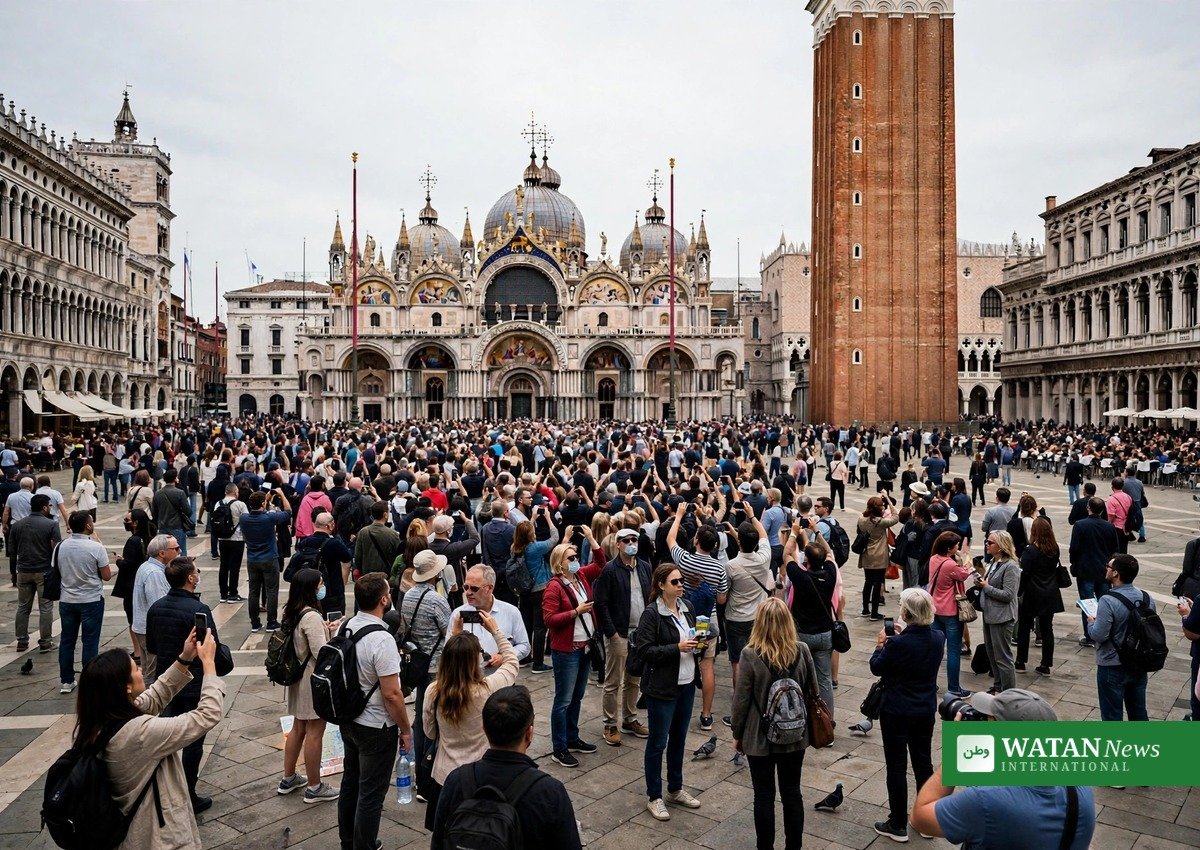
The note names neither the places nor the platforms, and it gives no figures for arrivals, income or jobs. The bunching of visitors is his warning — not a count. What matters is the mechanism he points to: recommendation engines and booking platforms optimise for what is already popular, which risks amplifying overtourism in the destinations already struggling with it.
Why it is a climate and sustainability story
Overtourism is already a political issue across Europe and other hotspot regions — pressure on housing and infrastructure, congestion, and the cost to residents’ quality of life. A tourism future that funnels everyone to the same few places concentrates those pressures and their environmental footprint. Conversely, AI could help spread visitors to lesser-known destinations — conversational AI can surface personalised recommendations that traditional search never would — but only if emerging destinations’ information can be found, understood and trusted by the systems making the recommendations. Small operators and rural communities that are not machine-readable are left out of the itineraries the machines build.
“Technology must serve humanity”
Guterres’s prescription is not to resist the technology but to democratise it: “Tourism workers, local communities and emerging destinations must help shape what comes next. This requires investing in digital skills, widening access to technology, and ensuring innovation benefits the people and places that make tourism possible.” His closing call: “Let us build a digital future for tourism that is open, inclusive and human — and harness these new tools to drive sustainable development for all.”
The bottom line
World Tourism Day 2026 made AI the sector’s defining question: will the machines that now plan our holidays spread travellers across the world’s worthwhile places, or pile them into the same few already-crowded ones? Guterres’s answer is that the outcome is a choice — and the choice belongs to the workers, communities and destinations that technology must serve.
Read more on Watan News: Guterres on AI and tourism.
FAQ
When was World Tourism Day 2026?
27 September 2026, with the official celebrations hosted by El Salvador.
What did Guterres warn about?
That AI, left unchecked, “can funnel tourists to the same few places and platforms, leaving many worthwhile destinations behind.”
What is his proposed solution?
Invest in digital skills and widen access to technology so tourism workers, local communities and emerging destinations help shape tourism’s AI future.
Author

watannews321@gmail.com
Related Posts

Trump Threatens to Double Tariffs on South Korea Over Alaska Gas Pipeline Payments
- 0
- 1,443 word
Trump threatened to double tariffs on South Korean imports if Seoul won't fund the $54 billion Alaska LNG pipeline, after South Korea...
Read out all
Lula: Only I Can Prevent Fascism Under Bolsonaro’s Son in Brazil
- 0
- 1,149 word
Lula says only he can stop fascism as he seeks a fourth term against Flávio Bolsonaro, son of the jailed former president,...
Read out all
Federal Minister for Poverty alleviation and Social Safety Syed Imran Ahmed Shah attends the closing ceremony
- 0
- 994 words
The Pakistan Global Mental Health Summit 2026 concluded in Islamabad on 2 October 2026 with the launch of the National Mental Health...
Read out all
Christa Pike on Ventilator After Botched Tennessee Execution
- 0
- 435 words
Christa Pike is unconscious, intubated and on a ventilator in a Nashville-area hospital two days after Tennessee's failed execution attempt, her attorneys...
Read out all
In Pictures: Lahore in Autumn — Mughal Splendour in Golden Light
- 0
- 367 words
Lahore in autumn — Badshahi Mosque, Lahore Fort and Shalimar Gardens glow in golden October light.
Read out all
In Pictures: Autumn in Dyrehaven — Deer in the Rutting Season
- 0
- 310 words
Autumn in Dyrehaven — red deer in the rutting season, morning mist and the Hermitage lodge in pictures.
Read out all