- 0
- 1,443 word
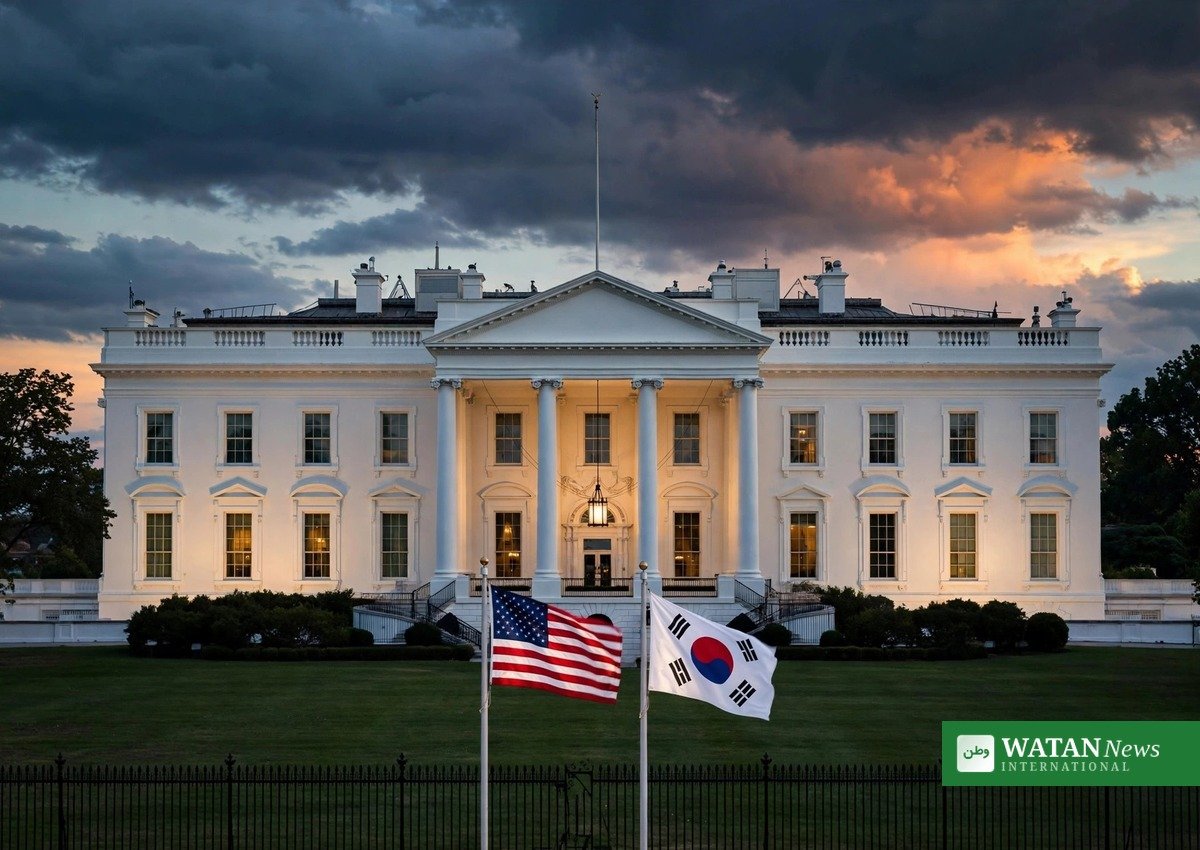
US President Donald Trump has threatened to double tariffs on South Korean imports if Seoul refuses to help fund a proposed $54 billion liquefied natural gas (LNG) pipeline in Alaska, in the latest escalation of the Trump tariffs South Korea dispute. The warning came on Friday, 2 October, two days after Trump announced in the Oval Office that South Korea would put the money into the long-stalled Alaska project as part of a wider trade deal — a claim South Korean officials immediately contradicted.
FAKTA: Trump tariffs South Korea – key facts
- 30 September (Wednesday): In the Oval Office, Trump said South Korea would invest just over $50 billion in the Alaska LNG project — part of a Korean investment of up to $200 billion in three US energy projects — in exchange for US tariffs on South Korean goods being cut to 15 percent.
- 1 October (Thursday): South Korea’s Minister of Trade, Industry and Resources, Kim Jung-kwan, said “putting figures or using definitive language goes far beyond what was agreed,” and that Seoul had given no firm commitment.
- 2 October (Friday): Asked about Seoul’s pushback, Trump said: “If they don’t want to do it, that’s OK with me — I’ll just charge them more,” threatening new tariff retaliation against South Korean goods.
- The fact sheet: The joint US–Korea fact sheet says the two countries agreed only to “commence working” on the Alaska project, “subject to commercial reasonableness” — with no investment figure attached.
- The project: Alaska LNG would run a roughly 800-mile pipeline from Alaska’s North Slope to Cook Inlet, where gas would be liquefied for export to US allies in Asia. It has been on the planning board for decades and never got off the ground.
- The stakes for Seoul: Autos and electronics are South Korea’s key exports to the US; sharply higher tariffs would hit its manufacturing sector hard.
Trump Threatens to Double South Korea Tariffs
Trump tied the investment directly to the trade deal he struck with Seoul, under which Washington lowered tariffs on South Korean goods to 15 percent. “I reduced their tariffs to 15%. But they paid to get them reduced. And part of that money is going into this project,” he said on Wednesday. Commerce Secretary Howard Lutnick went further, calling the Korean-backed projects “fully paid for by the Korean government for the benefit of the United States of America.”
But Seoul reads the agreement very differently. The White House event was attended by Alaska Governor Mike Dunleavy, US Senator Dan Sullivan, US Representative Nick Begich — alongside Glenfarne CEO Brendan Duval, whose company is developing the project. South Korea’s trade ministry, however, insists that any investment must pass a commercial-viability review first, as written into the joint fact sheet. When the discrepancy was raised, White House spokeswoman Taylor Rogers did not address Minister Kim’s comments directly.
The Oval Office Announcement
The Wednesday announcement packaged the Alaska project with two other Korean-funded energy investments: eight nuclear power plants — which Lutnick put at $120 billion including a $20 billion contingency — and a gas-fired power plant in Texas put at more than $22 billion. The White House framed the package as historic: Trump said the Alaska project alone would create 12,000 construction jobs and 1,300 permanent jobs, generate $25 billion in state and local revenue, and save Alaska households up to $1,500 a year in energy costs.
The administration gave no detailed explanation of how those figures were calculated. Asked when the project would be finished, Trump deferred to others at the event; the answer given was that the pipeline would take three years once financing is secured, with exports starting roughly two years later.
Seoul Pushes Back
South Korea’s government says it was blindsided by the definitive tone of the announcement. Minister Kim Jung-kwan told local media that any figures or firm commitments go beyond what the two sides agreed, and that Seoul’s position is unchanged: investment only follows a rigorous commercial assessment. The Korea JoongAng Daily urged Seoul to “scrutinize the project’s viability and demand every possible measure from Washington to ensure its safety and economic feasibility,” noting the 1,300-kilometre Arctic pipeline would be an enormously difficult build whose economics remain uncertain.
The dispute fits a familiar pattern. As CNBC reported earlier this year, Trump has pushed both Japan and South Korea to invest in Alaska LNG, wielding tariff threats to extract trade concessions. Energy analysts remain sceptical of the project itself: Rapidan Energy’s Alex Munton has said Alaska LNG “doesn’t have a clear cut commercial logic,” noting the project has been discussed for decades without ever attracting financing — major oil companies including ExxonMobil previously walked away.
The Alaska LNG Project
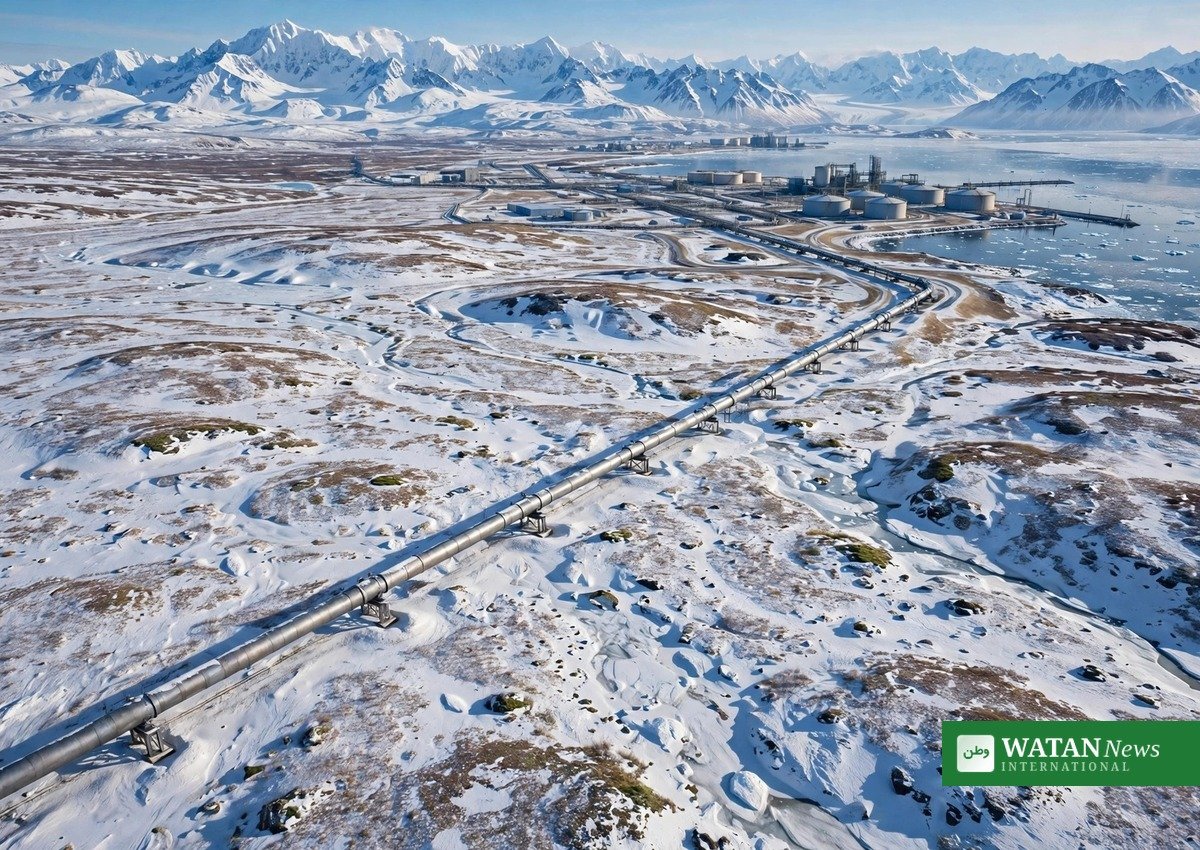
Illustration: the proposed Alaska LNG pipeline would carry gas from the North Slope to a liquefaction and export terminal on the coast. (Image: Watan News)
Alaska LNG is one of the most ambitious — and longest-delayed — energy infrastructure proposals in the United States. The plan calls for an roughly 800-mile pipeline from the North Slope above the Arctic Circle south to the Cook Inlet, where natural gas would be cooled to liquid form and shipped to US allies in Asia. The Trump administration has made it a national priority since taking office, with Energy Secretary Chris Wright and Interior Secretary Doug Burgum backing the project and the Defense Department ready to support it with resources.
Financing has always been the obstacle: the price tag runs into the tens of billions of dollars, and without confirmed commercial buyers for the gas, investors have stayed away. That is precisely why Seoul’s “commercial reasonableness” condition matters — it is the guardrail South Korea insists on before committing a single dollar.
What Doubled Tariffs Would Mean for South Korea
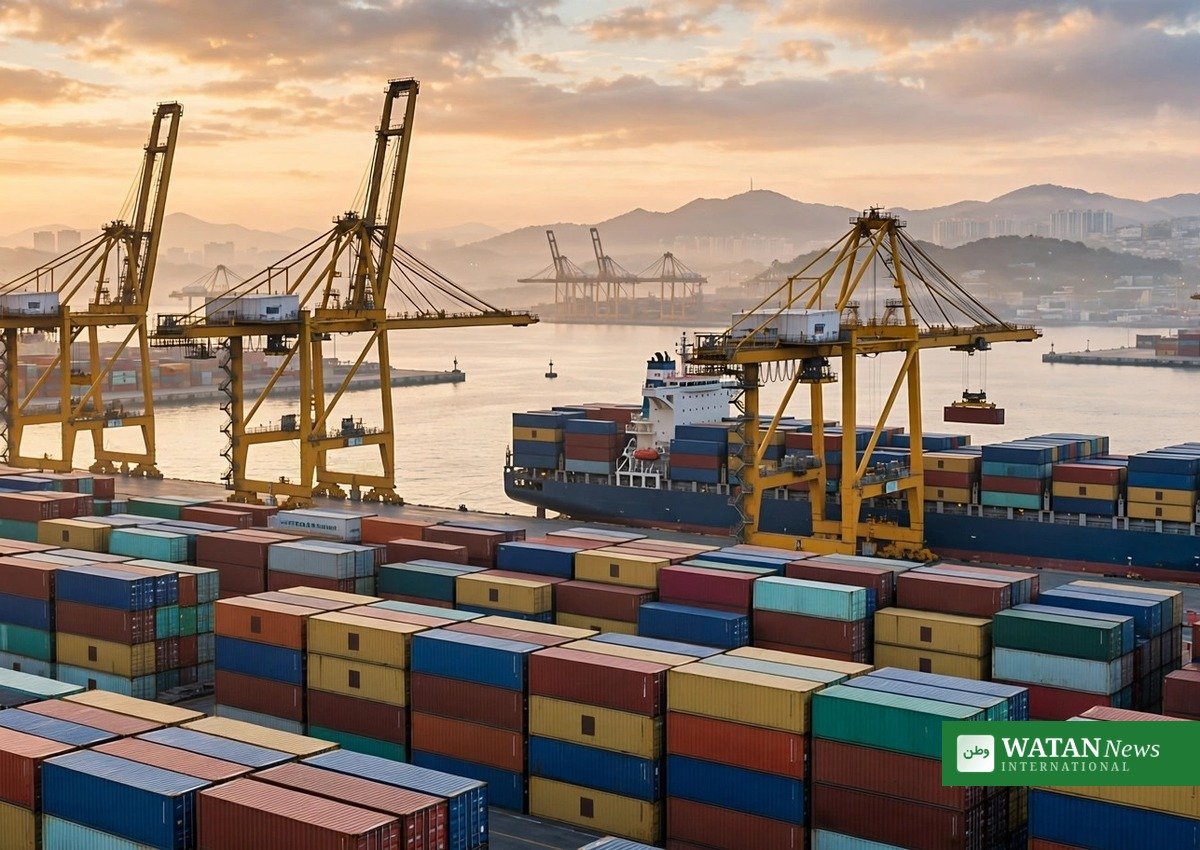
Illustration: South Korea’s export-heavy economy — led by autos and electronics — depends heavily on access to the US market. (Image: Watan News)
A doubling of US tariffs on South Korean goods would strike directly at the heart of the country’s economy. South Korea is an export-driven nation, and the United States is one of its most important markets. Cars, semiconductors and consumer electronics — the flagship products of Hyundai, Kia, Samsung and their suppliers — would become significantly more expensive for American consumers, putting Korean manufacturers at a disadvantage against competitors.
Seoul’s likely response is diplomacy rather than escalation: clarifying the agreed terms, pointing to the “subject to commercial reasonableness” language in the joint fact sheet, and trying to keep the broader trade deal intact. The timing is also political in Washington: the White House announcement was staged in front of Alaska’s governor and Republican senators ahead of a tight Alaska Senate race and November’s midterm elections — a point Korean commentators have not missed.
For more world news, see Watan News World.
Conclusion
The fight over the Alaska LNG pipeline is now a fight over what was actually agreed between the United States and South Korea. Trump says Seoul committed billions; Seoul says it committed only to review the project’s viability. With Trump threatening to double tariffs if the money does not arrive, the dispute risks becoming the biggest test yet of the US–Korea trade deal — and a signal to other allies of how Washington will enforce its side of the bargain.
Frequently Asked Questions
What did Trump announce on 30 September?
In the Oval Office, Trump said South Korea would invest just over $50 billion in the proposed Alaska LNG pipeline, as part of a Korean investment of up to $200 billion in three US energy projects, in exchange for US tariffs on South Korean goods being reduced to 15 percent.
Did South Korea actually agree to fund the Alaska LNG project?
According to Seoul, no. Trade Minister Kim Jung-kwan said any firm figures go “far beyond what was agreed,” and the joint fact sheet only commits both sides to “commence working” on the project “subject to commercial reasonableness” — with no investment figure attached.
What exactly did Trump threaten?
When asked on Friday about South Korea’s pushback, Trump said: “If they don’t want to do it, that’s OK with me — I’ll just charge them more,” threatening new tariff retaliation — potentially doubling tariffs — on South Korean goods.
What is the Alaska LNG project?
A decades-old proposal to build an roughly 800-mile pipeline from Alaska’s North Slope to Cook Inlet, liquefy natural gas there, and export it to US allies in Asia. It has never attracted financing because of its enormous cost and uncertain economics.
Which South Korean exports are most at risk?
Cars, semiconductors and consumer electronics — the flagship products of South Korea’s manufacturing sector — are the country’s key exports to the United States and would be hit hardest by sharply higher tariffs.
Author

usmanjaved13132@gmail.com
Related Posts
Lula: Only I Can Prevent Fascism Under Bolsonaro’s Son in Brazil
- 0
- 1,149 word
Lula says only he can stop fascism as he seeks a fourth term against Flávio Bolsonaro, son of the jailed former president,...
Read out all
Federal Minister for Poverty alleviation and Social Safety Syed Imran Ahmed Shah attends the closing ceremony
- 0
- 994 words
The Pakistan Global Mental Health Summit 2026 concluded in Islamabad on 2 October 2026 with the launch of the National Mental Health...
Read out all
Christa Pike on Ventilator After Botched Tennessee Execution
- 0
- 435 words
Christa Pike is unconscious, intubated and on a ventilator in a Nashville-area hospital two days after Tennessee's failed execution attempt, her attorneys...
Read out all
In Pictures: Lahore in Autumn — Mughal Splendour in Golden Light
- 0
- 367 words
Lahore in autumn — Badshahi Mosque, Lahore Fort and Shalimar Gardens glow in golden October light.
Read out all
In Pictures: Autumn in Dyrehaven — Deer in the Rutting Season
- 0
- 310 words
Autumn in Dyrehaven — red deer in the rutting season, morning mist and the Hermitage lodge in pictures.
Read out all
In Pictures: The Markhor — Pakistan’s National Animal
- 0
- 294 words
The markhor — Pakistan's national animal — with its astonishing corkscrew horns on the cliffs of the Karakoram.
Read out all