- 0
- 1,113 word
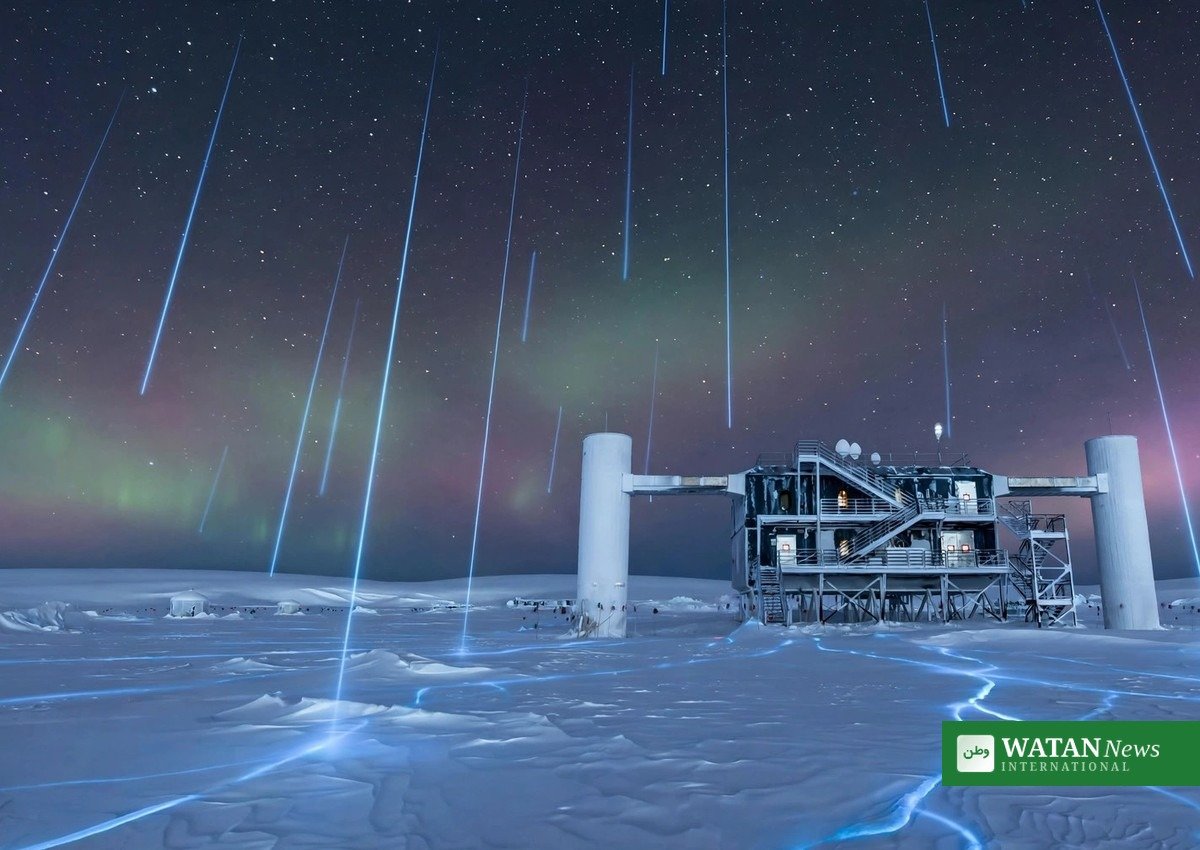
Belgian physicist Francis Halzen has won the 2026 Nobel Prize in Physics for his decisive contributions to the IceCube Neutrino Observatory and the discovery of high-energy neutrinos of astrophysical origin. The Royal Swedish Academy of Sciences announced the award in Stockholm on 6 October 2026, honouring the scientific vision behind a cubic kilometre of Antarctic ice that became the world’s largest neutrino telescope.
FAKTA: 2026 Nobel Prize in Physics
- Laureate: Francis Halzen, 82, Belgian physicist at the University of Wisconsin–Madison and principal investigator of the IceCube Neutrino Observatory — sole winner, prize share 1/1.
- Official citation: “for decisive contributions to the IceCube Neutrino Observatory and the discovery of high-energy neutrinos of astrophysical origin.”
- Announced: 6 October 2026 by the Royal Swedish Academy of Sciences in Stockholm.
- Prize money: 12 million Swedish kronor (about $1.2 million), awarded in full to Halzen.
- The idea: Halzen first proposed using Antarctic ice as a neutrino detector in 1988; after the AMANDA pilot project, the idea grew into IceCube, built by a collaboration of more than 450 people from 58 institutions in 14 countries, operational since 2010.
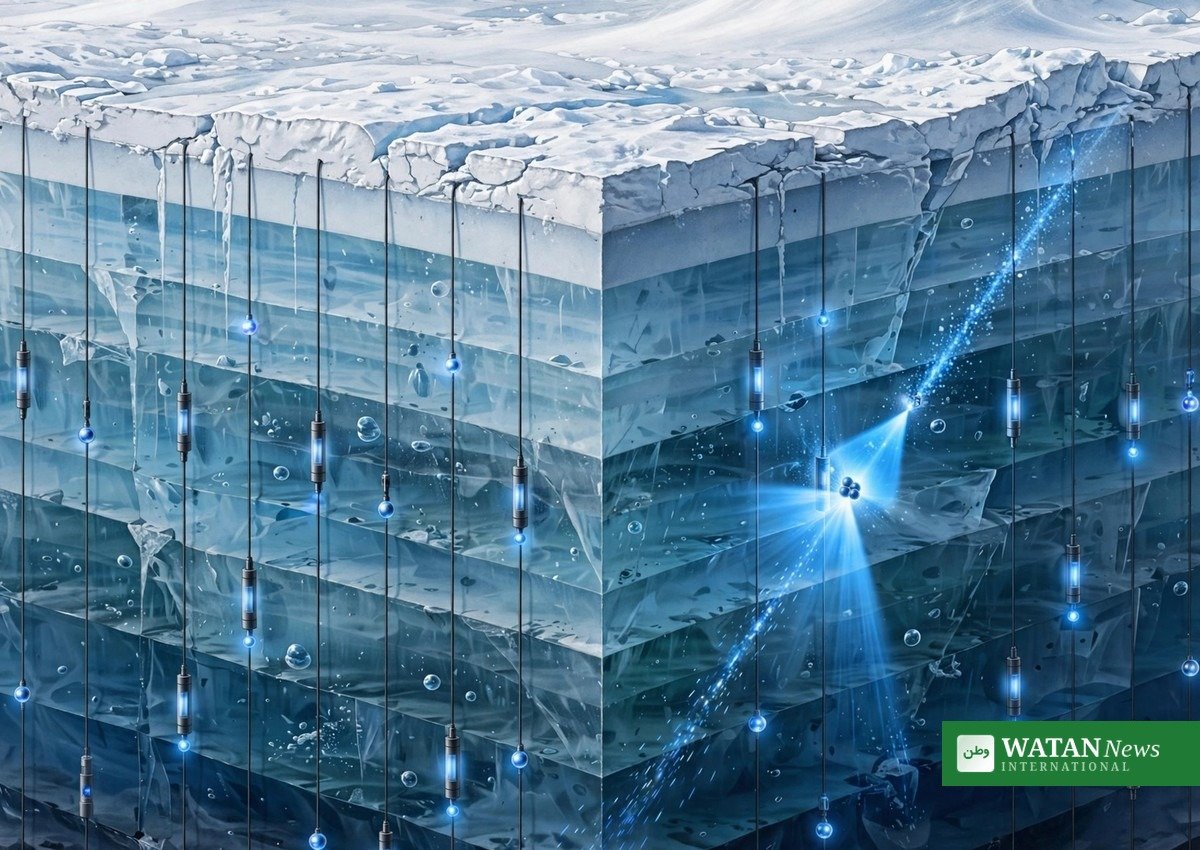
- The instrument: thousands of light sensors buried about two kilometres deep in ultra-clear Antarctic ice, recording the faint blue flash made when a rare neutrino collides with an atomic nucleus.
- Milestones: first detection of high-energy cosmic neutrinos in 2013; in 2017 IceCube traced a neutrino back to a distant blazar, opening a new window on the violent universe.
A bold idea buried in Antarctic ice
The story began in 1988, when Francis Halzen proposed a radical plan: use a vast block of Antarctic ice as a telescope for neutrinos, the elusive particles flooding out of the most energetic places in the universe. Few took the idea seriously at first. Halzen persisted, first through the AMANDA pilot project and then through an international collaboration of more than 450 researchers and engineers from 58 institutions in 14 countries.
The result was the IceCube Neutrino Observatory at the Amundsen–Scott South Pole Station, led by the University of Wisconsin–Madison and operational since 2010. Workers drilled dozens of deep holes with hot water and lowered thousands of light sensors about two kilometres into the ice, where the ancient ice is exceptionally clear. Together the sensors watch a full cubic kilometre of ice for the rarest of events.
The 2026 Nobel Prize in Physics announcement
When the Royal Swedish Academy of Sciences announced the 2026 Nobel Prize in Physics on 6 October 2026, it went to one person alone. Nobel Committee chair Mark Pearce praised Halzen for leading an international team that delivered “a fantastic instrument”, adding: “His tenacity and scientific vision has paved the way for a new kind of astronomy.”
Halzen, reached by phone in Italy on the morning of the announcement, said the prize was a complete surprise: “It was a great surprise and I obviously didn’t expect it.” It had been several years since the physics prize last went to a single laureate, underlining how unusual it is for one scientist’s vision to be singled out from a collaboration of hundreds.
Ghost particles: why they are almost impossible to catch
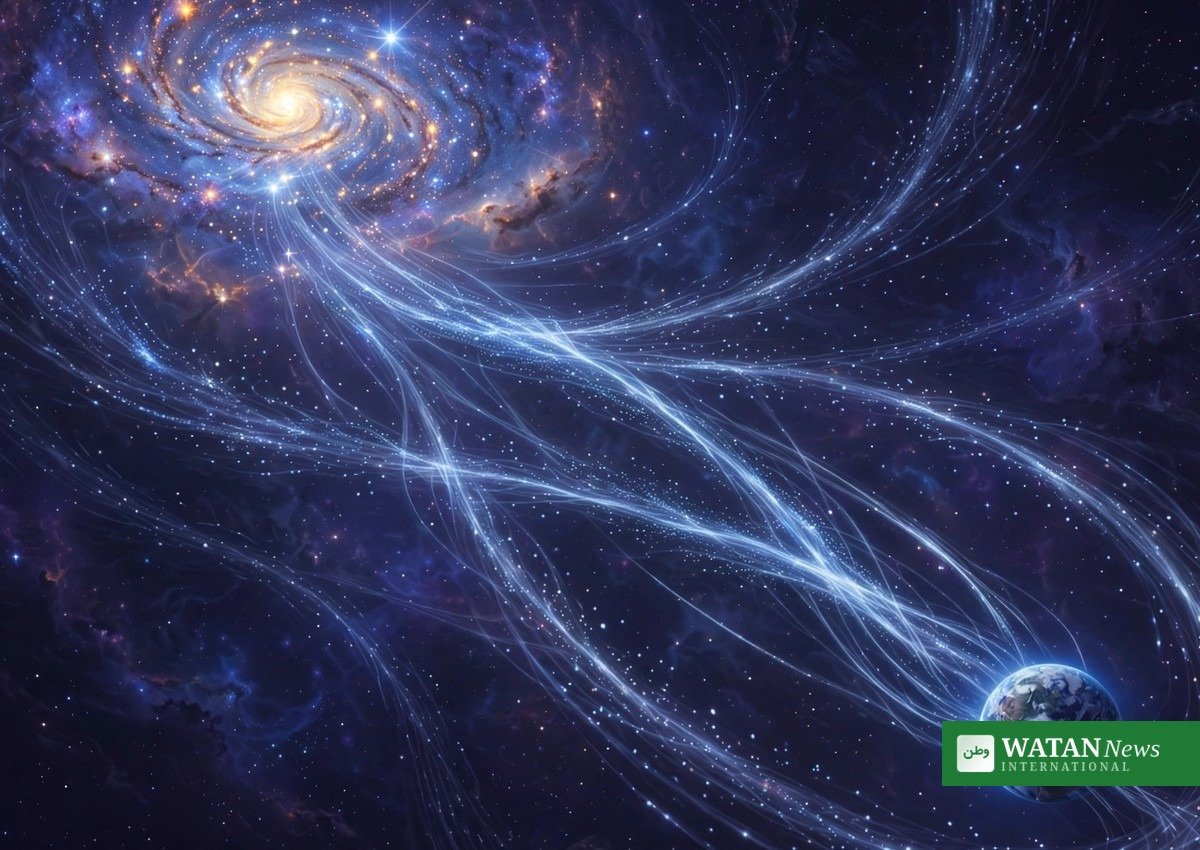
Neutrinos are nicknamed “ghost particles” for good reason. They carry almost no mass and no electrical charge, so they pass through planets, stars and entire galaxies — and through our own bodies, billions of them every second — without leaving a trace. Halzen’s work concerns the rarest and most energetic of them: high-energy neutrinos born in cosmic accelerators far beyond our galaxy, created when protons collide with other particles in the universe’s most violent environments.
IceCube catches them with patience and scale. On the rare occasion that a neutrino strikes an atomic nucleus in the ice, it produces fast-moving charged particles that emit a flash of blue Cherenkov light. The buried sensors record that flash, and the pattern and timing of the light let scientists trace the neutrino’s path back to its cosmic origin.
A new kind of astronomy
By detecting neutrinos from deep space, IceCube opened a window that conventional telescopes cannot match: regions of the universe hidden behind dust or too dense for light to escape. The breakthrough came in 2013 with the first detection of high-energy neutrinos from beyond our galaxy, and again in 2017, when IceCube traced a neutrino back to a distant blazar — a supermassive black hole firing a jet of particles straight at Earth.
“Ghost-like messengers from the cosmos,” Pearce called them at the announcement press conference — particles that bring information about distant cosmic sources that cannot be gathered in any other way. Alongside light and gravitational waves, neutrinos are now a third messenger of multi-messenger astronomy, and Halzen’s ice telescope showed the way. Read more science coverage on Watan News Technology, and follow the same story on Watan News main site or more world news.
Conclusion
The 2026 Nobel Prize in Physics recognises more than a discovery — it recognises a decades-long act of scientific vision. From a 1988 proposal dismissed as impossible to a cubic kilometre of instrumented Antarctic ice, Francis Halzen’s tenacity gave humanity a new sense with which to perceive the universe. The ghost particles he set out to catch are now carrying messages from the most violent corners of the cosmos, and this is only the beginning.
Frequently Asked Questions
Who won the 2026 Nobel Prize in Physics?
Belgian physicist Francis Halzen of the University of Wisconsin–Madison, the principal investigator of the IceCube Neutrino Observatory. He received the prize alone, with the citation honouring his decisive contributions to IceCube and the discovery of high-energy neutrinos of astrophysical origin.
What is the IceCube Neutrino Observatory?
It is the world’s largest neutrino detector, built in a cubic kilometre of ultra-clear ice at the South Pole. Thousands of light sensors buried about two kilometres deep detect the faint blue flash produced when a high-energy neutrino collides with an atomic nucleus.
Why are neutrinos called “ghost particles”?
Because they have almost no mass and no electrical charge, they pass through matter — planets, stars, people — almost undisturbed. Billions from the Sun stream through us every second, completely unnoticed.
How much is the 2026 Nobel Prize in Physics worth?
The prize money for 2026 is 12 million Swedish kronor (about $1.2 million). Since Halzen is the sole laureate, he receives the full amount.
What did IceCube discover?
In 2013 the collaboration reported the first detection of high-energy neutrinos from beyond our galaxy, and in 2017 it traced a neutrino back to a distant blazar. These discoveries proved that neutrinos can be used as cosmic messengers, opening a new branch of astronomy.
Author

usmanjaved13132@gmail.com
Related Posts

Australia Braces for Extreme Summer Weather, PM Albanese Warns
- 0
- 1,195 word
Prime Minister Anthony Albanese has warned that Australia is bracing for an extreme summer weather season, telling Pacific leaders at the pre-COP31...
Read out all
Pakistan, IFC Discuss Mobilizing Private Capital and Financial Access
- 0
- 637 words
Pakistan and the IFC reaffirmed their commitment to mobilising private capital and expanding financial access. Finance Minister Muhammad Aurangzeb met IFC Divisional...
Read out all
Kenya Confirms First Ebola Case as Patient Dies After Arriving From DR Congo
- 0
- 418 words
Kenya has confirmed its first Ebola case after a citizen arriving from DR Congo died. 28 contacts are being traced as Congo...
Read out all
Germany arrests ex-domestic intelligence chief for alleged spying
- 0
- 436 words
Former BND chief August Hanning has been detained on suspicion of espionage, treason and obtaining classified information for a foreign power, Bild...
Read out all
Australia Commits AUD 7.3 Million for Pacific Renewable Energy Push at Pre-COP31
- 0
- 742 words
Australia will spend AUD 7.3 million on grid modelling, technical experts and workforce training to help Pacific nations shift to renewable energy,...
Read out allUK minister Kemi Badenoch rejects ‘British Iron Dome’ comparison for air defense plan
- 0
- 729 words
UK Business and Trade Secretary Kemi Badenoch has distanced herself and the government from comparisons between the proposed ‘Britannia Shield’ missile defence...
Read out all