- 0
- 933 words
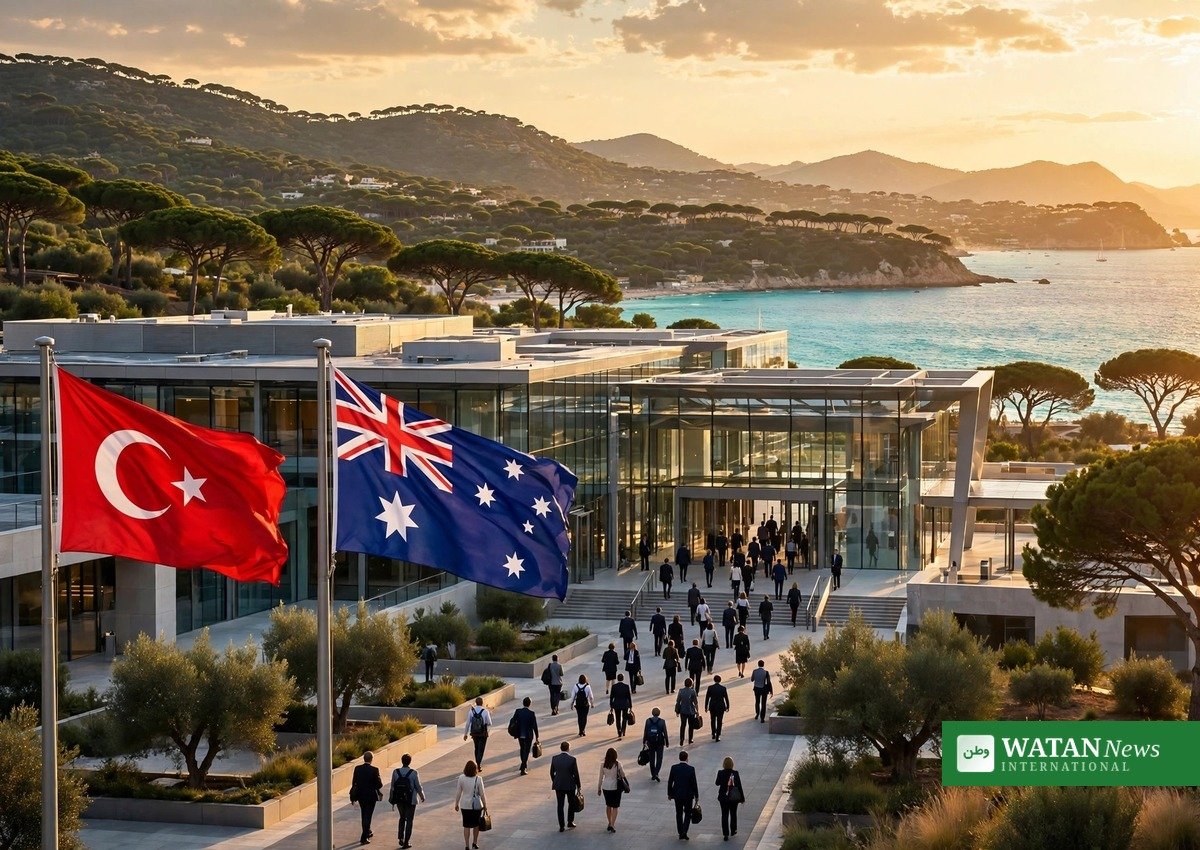
Antalya, Türkiye — When the COP31 climate summit opens on 9 November 2026, it will be led by a COP31 presidency model the UN climate process has never seen: two presidencies sharing a single conference. This article is an explainer, not breaking news. It sets out, on the record and based on the published Türkiye–Australia arrangement, who decides what at COP31 — and what the much-quoted word “exclusive” does and does not mean.
COP31 — formally also serving as CMP21 under the Kyoto Protocol and CMA8 under the Paris Agreement, alongside the SBSTA65 and SBI65 subsidiary-body sessions — runs from 9 to 20 November 2026 at the Antalya EXPO Center in Türkiye. The COP31 presidency arrangement is unprecedented: Türkiye holds the COP31 Presidency and hosts the summit, while Australia’s Chris Bowen serves as President of Negotiations, holding what the two governments’ Partnership Modalities describe as “exclusive authority in relation to the negotiations”.
The COP31 presidency split: who holds what
The arrangement divides the summit’s leadership into two distinct roles, each with its own mandate.
Murat Kurum — COP31 President-Designate
Murat Kurum, Türkiye’s Minister of Environment, Urbanisation and Climate Change, is the nominated President-Designate. As of 6 October 2026 he is nominated, not yet elected: the provisional agenda still lists the election of the COP President, the adoption of rules of procedure and the adoption of the agenda as session business, so the formal election remains part of the conference itself.
Türkiye’s side of the arrangement covers the host functions: operational and logistical responsibility for the Antalya summit, and responsibility for the COP31 Action Agenda — the voluntary action track that sits beyond formal Party decisions. Australia’s representative is to be nominated as a COP Vice-President.
Chris Bowen — President of Negotiations
Australia’s Chris Bowen carries the negotiation mandate. His remit, as set out in the arrangement and described in his own account quoted in Energy & Power Magazine, includes: carrying forward mandates from negotiated outcomes; convening consultations; handling negotiation communications; selecting ministerial and other co-facilitators; leading the negotiation agenda including draft texts; acting as the focal point for UNFCCC engagement on negotiations; and full negotiating authority — managing the talks, the draft texts and the final cover decision.
The two leaders are bound by a consultation clause: they consult with one another, and if their views differ, consultation continues until they reach “mutual satisfaction”.
The COP31 presidency’s hard limits: delegation is not decision
The single most important point in the arrangement’s “authority map” — the analytical framing used in a btw.media analysis of 6 October 2026 — is this: “exclusive” describes authority delegated over the negotiations. It is not decision sovereignty.
The Parties themselves retain decision authority. Neither Australia nor Bowen can decide on behalf of the Parties, replace COP procedural rules, or enact a draft text without the Parties’ agreement. Running the negotiations and deciding their outcome remain two different things — and the arrangement deliberately keeps them separate.
FAKTA
- What: COP31, the 31st UN climate conference — also CMP21, CMA8 and SBSTA65/SBI65.
- When and where: 9–20 November 2026, Antalya EXPO Center, Türkiye.
- Who leads: Türkiye holds the COP31 Presidency (President-Designate Murat Kurum, still to be formally elected); Australia’s Chris Bowen is President of Negotiations with exclusive authority in relation to the negotiations.
- Key limit: “Exclusive” means delegated negotiating authority — not decision sovereignty, which stays with the Parties.
- Decision rule: the two leaders consult until they reach “mutual satisfaction” if their views differ.
- Before the summit: pre-COP in Nadi, Fiji, 5–8 October 2026; World Leaders’ Summit in Antalya, 11–12 November.
How the deal was struck
The split presidency ended a year-long standoff between Australia and Türkiye over hosting COP31. Australia initially had wider support, but Türkiye refused to withdraw — and under UN rules, the failure to agree would have defaulted hosting to Germany, with the conference returning to Bonn. Bowen and Kurum struck the deal instead, which Australian Prime Minister Anthony Albanese described in November 2025 as a pragmatic solution under the UN rules.
The road to Antalya
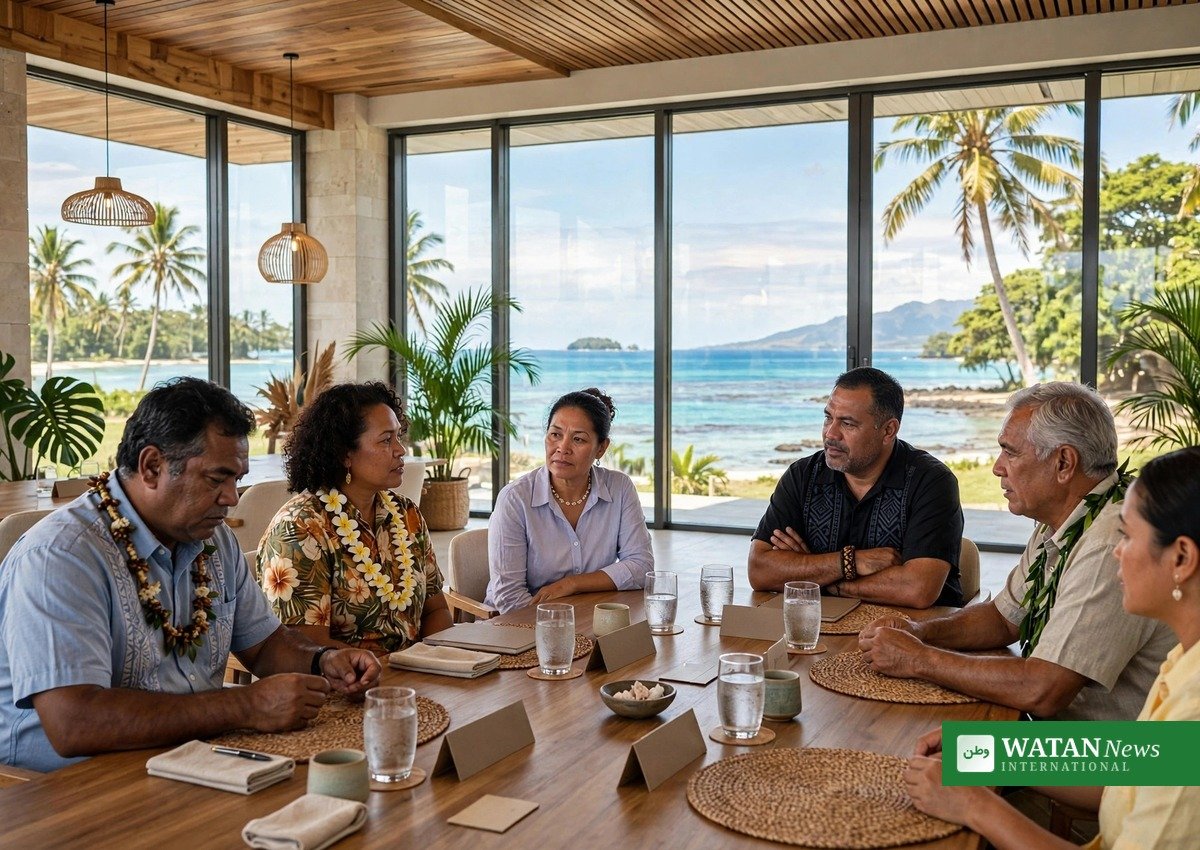
The pre-COP took place in Fiji — in Nadi from 5 to 8 October 2026 — followed by a leaders’ event in Tuvalu, where Australia together with Pacific island countries set its agenda, presided over and managed operations. The Host Country Agreement entered into force on 18 September 2026.
The World Leaders’ Summit follows on 11–12 November in Antalya. Türkiye is working through a troika approach with the COP29 presidency (Azerbaijan) and the COP30 presidency (Brazil), linking the three conferences’ leadership.
What is on the table
Türkiye frames COP31 as an “Implementation COP” — or the “COP of the Future”: a conference meant to implement existing commitments rather than chase new pledges. The agenda topics it has put forward include food security, water efficiency, agriculture, public health, energy security, electrification — including a 35×35 pledge to raise electricity’s share of final energy from 20% to 35% by 2035 — power grids, the circular economy, methane, zero waste, climate-resilient cities, disaster risk management, green finance, carbon markets, green industrialization, digitalization, biodiversity, the just transition and marine ecosystems.
What to watch: accountability
One caution, raised in the btw.media analysis, travels with the summit’s Action Agenda: its initiatives are voluntary, not negotiated treaty obligations. A pledge platform is not a funding commitment. The provisional agenda also contemplates a COP31 session on the climate-finance needs of Small Island Developing States — a test, among others, of whether this first-ever dual presidency turns a clever compromise into a working one. For related COP31 coverage, see COP31 Antalya: finance, fossil-fuel roadmap and the Belém action mechanism.
Author

usman2344913@gmail.com
Related Posts
Nigerias Great Green Wall-agentur klar med 500.000 træplanter til at standse ørkenen i Jigawa
- 0
- 780 words
Dutse, Nigeria — Nigerias nationale agentur for den grønne mur (NAGGW) har dyrket mere end 500.000 planter frem til plantsæsonen 2026 i...
Read out all
نائیجیریا کی عظیم سبز دیوار مہم: جیگاوا میں صحرا روکنے کے لیے پانچ لاکھ پودے تیار
دوٹسے، نائیجیریا — نائیجیریا کی قومی عظیم سبز دیوار ایجنسی نے جیگاوا ریاست میں پودے لگانے کے لیے پانچ لاکھ سے زائد...
Read out all
Nigeria’s Great Green Wall Agency Raises 500,000 Seedlings to Push Back the Desert in Jigawa
- 0
- 781 words
Dutse, Nigeria — Nigeria’s National Agency for the Great Green Wall (NAGGW) has raised more than 500,000 Great Green Wall seedlings for...
Read out all
Spain’s Political Future Uncertain After Snap Election Announcement
- 0
- 1,127 word
Spanish Prime Minister Pedro Sánchez has called a snap general election for 29 November after parliament rejected his government’s emergency housing decrees,...
Read out all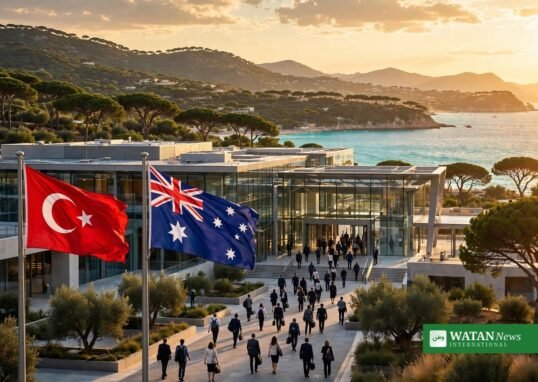
COP31’s todelte formandskab forklaret: Hvem bestemmer hvad ved klimatopmødet i Antalya
- 0
- 863 words
En forklaring af COP31's hidtil usete delte formandskab: Tyrkiets Murat Kurum besidder COP31-formandskabet, mens Australiens Chris Bowen har eksklusiv myndighed over forhandlingerne...
Read out all
کاپ31 کی دوہری صدارت کا مطلب کیا ہے: انطالیہ موسمیاتی کانفرنس میں فیصلے کون کرے گا
کاپ31 کی بے مثال دوہری صدارت کی وضاحت: کاپ31 کی صدارت ترکیہ کے مراد کورم کے پاس ہے جبکہ آسٹریلیا کے کرس...
Read out all