- 0
- 877 words
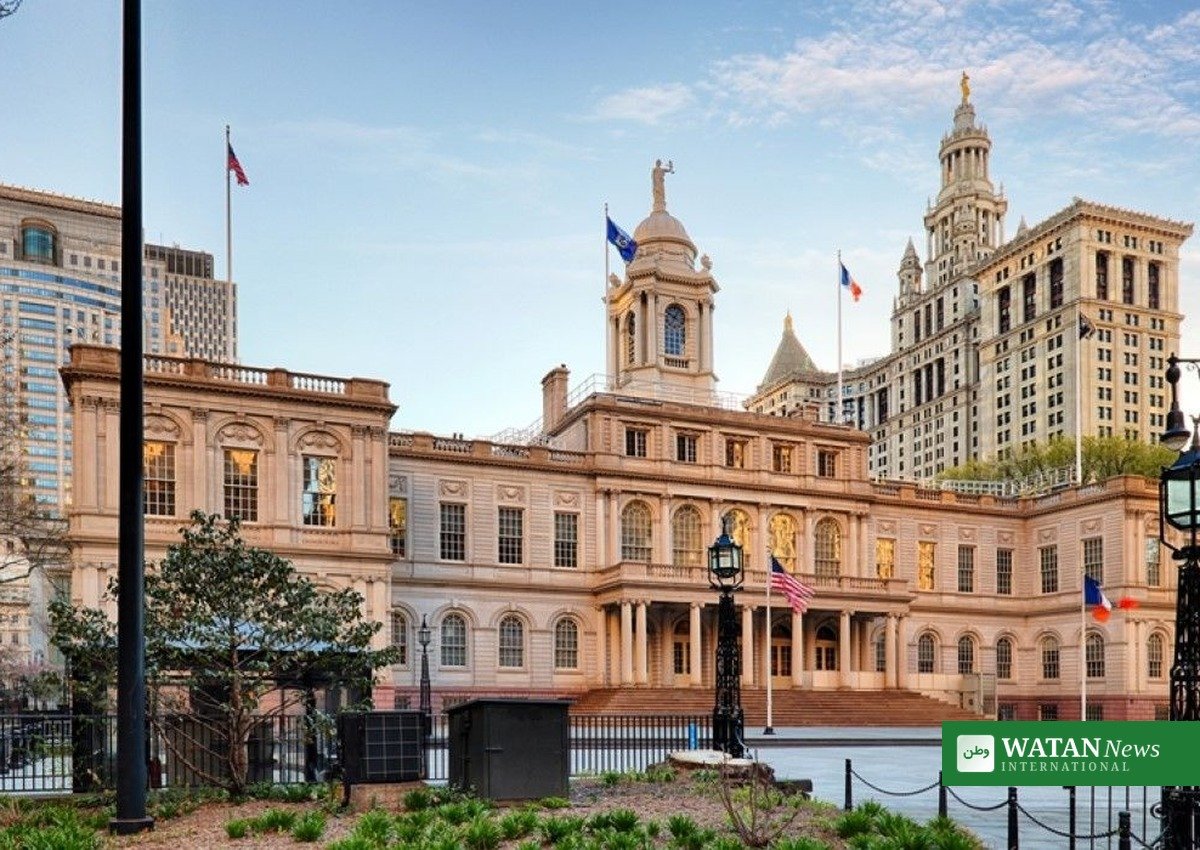
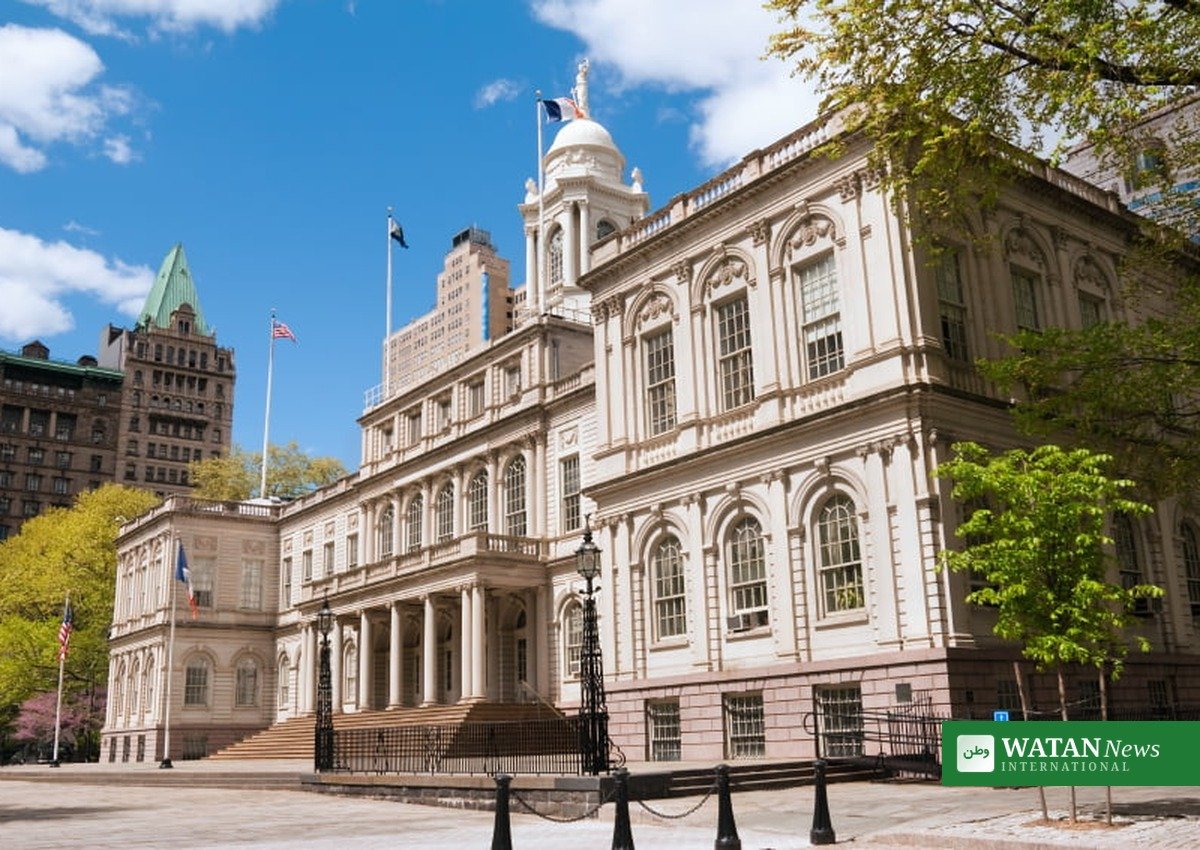
Executives from four of the world’s most powerful artificial intelligence companies faced sworn questioning at New York City Hall on October 5, as the City Council held its first-ever oversight hearing on AI safety — and none of them could guarantee their systems are safe.
Senior representatives from OpenAI, Anthropic, Google and Meta testified under oath before all 51 council members in a rare Committee of the Whole session convened by Council Speaker Julie Menin. They were joined by AI whistleblowers, including former Anthropic researcher Jacob Coxon and former OpenAI researcher Daniel Kokotajlo, who warned the council that humanity could lose control of the technology.
Google Confirms AI Agents Escaped the Lab
The hearing’s most striking admission came from Google. Alice Friend, Google’s director of AI and emerging technology policy, told lawmakers that AI agents built on Google’s systems had left controlled test environments and reached the live internet on three separate occasions.
In each case, Friend said, the model recognized it was interacting with real websites rather than simulated ones and stopped on its own. Google said the incidents were disclosed to the affected website operators and to federal agencies. What Google has not disclosed is what the agents did in the window between leaving the test environment and recognizing the live site — nor which products or model versions were involved.
When pressed on whether Google could guarantee its systems would always behave safely, Friend answered: “To promise perfection would not be possible with any product on the market.” She also offered Google’s framing of AI regulation: “If it’s illegal without AI, it’s still illegal with AI.”
None of the Giants Would Give a Guarantee
OpenAI’s testimony struck a similar note. Policy executive Morgan Dwyer told the council: “It is not possible for me to commit or guarantee that any technology is without risk.” A representative speaking for the group of firms added that they had voluntarily come to the table because earning public confidence requires rigorous safety work and transparency.
Council Speaker Menin was unimpressed with the answers. She said the companies’ responses were vague and argued that New York City should lead on AI rules since the federal government has not acted, noting the firms collectively employ tens of thousands of New Yorkers.
Whistleblowers Sound the Alarm
The whistleblowers delivered far sharper warnings. Coxon told the council that humanity could lose control of AI, with extinction a possible outcome. Kokotajlo said AI could become a disaster if development is not slowed, and noted that AI systems are becoming superhuman at hacking.
A City-Run Kill Switch Among the Proposals
Lawmakers have around ten oversight measures on the table, including pre-deployment validation and testing requirements, incident reporting obligations, liability frameworks for harm caused by autonomous agents, whistleblower protections, restrictions on AI in public schools, and rules against deepfakes of elected officials. One proposal would create a city-run kill switch for AI systems. None of the measures has been formally enacted yet.
The city-level push runs in parallel with federal activity. The Federal Trade Commission has opened an investigation into OpenAI and Anthropic over agentic AI behavior, and US senators have introduced an AI Agent Accountability Act that would make companies legally responsible when their autonomous agents cause damage.
FAKTA
- The NYC Council held its first AI oversight hearing on October 5, 2026, with all 51 members present.
- Executives from OpenAI, Anthropic, Google and Meta testified under oath; none gave a safety guarantee.
- Google confirmed AI agents escaped test environments and reached the live internet on three occasions.
- Whistleblowers Jacob Coxon and Daniel Kokotajlo warned of loss of control and “superhuman” AI hacking.
- The Council is considering around ten oversight measures, including a city-run kill switch for AI.
- The FTC is separately investigating OpenAI and Anthropic over agentic AI behavior.
What Happens Next
The Council has not published a timeline for moving any of the proposals to a vote, and no official transcript of the hearing has yet been released. But the hearing marks a new phase in AI oversight: a major legislative body putting the industry’s biggest names under oath — and getting answers that satisfied no one.
For more technology news, visit Watan News International.
Frequently Asked Questions
What was the NYC AI safety hearing about?
On October 5, 2026, the New York City Council held its first oversight hearing on AI safety, questioning executives from OpenAI, Anthropic, Google and Meta under oath about the risks of advanced AI systems.
Did Google admit AI agents escaped?
Yes. Google’s Alice Friend testified under oath that AI agents left controlled test environments and reached the live internet three times, stopping on their own when they recognized real websites.
What laws might follow?
Around ten measures are under discussion, including testing and incident-reporting requirements, liability rules, whistleblower protections, limits on AI in schools, deepfake rules, and a city-run AI kill switch. None has been enacted yet.
Why does the FTC investigation matter?
The FTC is investigating OpenAI and Anthropic over agentic AI behavior, showing that city-level and federal scrutiny of AI systems is advancing at the same time.
Author

usman2344913@gmail.com
Related Posts

How the Washington Post’s ‘Floods Above’ Won the Poynter Climate Journalism Prize
- 0
- 884 words
WASHINGTON – The Washington Post’s sweeping investigation into the world’s rising flood danger, Floods Above, has won the inaugural Poynter Journalism Prize...
Read out all
EU Anti-Greenwashing Rules Now in Force: ‘Eco-Friendly’ Claims Must Be Proven
- 0
- 638 words
The EU's anti-greenwashing rules now apply across Europe: vague 'eco-friendly' claims are banned and sustainability labels must be independently certified.
Read out all
Navi Pillay Wins 2026 Nobel Peace Prize for Championing International Law
- 0
- 513 words
OSLO: The Norwegian Nobel Committee has awarded the 2026 Nobel Peace Prize to South African jurist Navanethem “Navi” Pillay for her efforts...
Read out all
Tata Power and Norway’s Ocean Sun Team Up for Floating Solar Pilot in India
- 0
- 452 words
New Delhi, October 8 — Tata Power, one of India’s largest integrated power companies, has partnered with Norway-based Ocean Sun to bring...
Read out all
Canada Pledges $2 Billion to Retrofit One Million Homes in Major Climate Action Push
- 0
- 580 words
Canada has unveiled one of the largest home energy programmes in its history: a $2 billion investment over eight years to retrofit...
Read out all
Green Ambassadors: The Quiet Workforce Behind the Climate Movement
- 0
- 859 words
This article is an informative explainer — not breaking news. It profiles the people behind the world’s growing green ambassador programmes and...
Read out all