
- 0
- 730 words
Copenhagen: Denmark is pushing ahead with a pioneering law that would give every citizen legal ownership of their own face, voice and body in the age of artificial intelligence, a move that could become the broadest civil protection against AI deepfakes in Europe.
FAKTA
- What: A proposed amendment to Denmark’s Copyright Act creating a new right over personal likeness — everyone’s appearance and voice.
- Proposed: 26 June 2025 by the Danish government, backed across parties in parliament.
- Core rule: No one may make public a realistic digital imitation of a person without their consent.
- Remedies: Right to demand removal, claim compensation even without reputational harm, and hold platforms liable if they fail to act.
- Duration: Protection lasts for 50 years after the person’s death.
- Exceptions: Caricature, satire, parody and legitimate criticism remain free.
- Status (October 2026): Still listed as a bill — a snap general election delayed the original plan to bring it into force on 31 March 2026. Danish officials hope it can take effect in early 2027.
Your face, your right
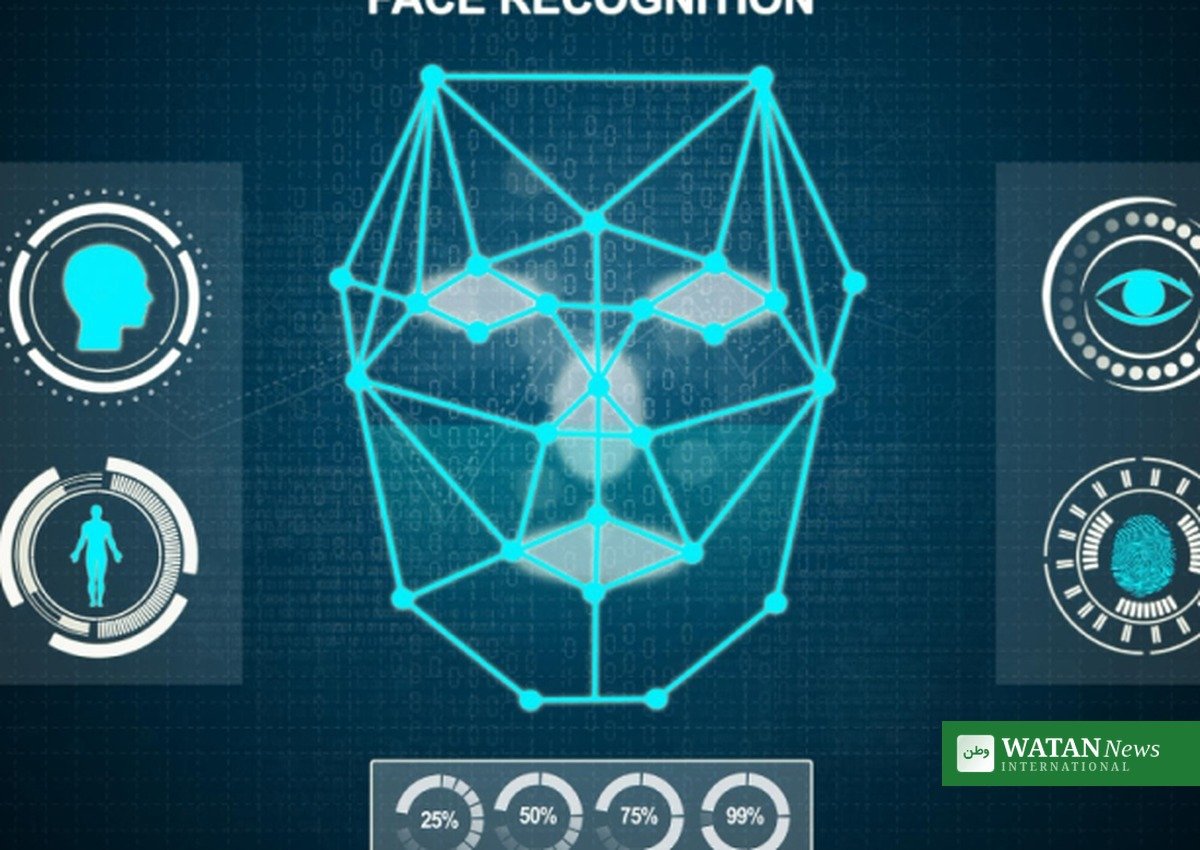
The Danish proposal works by creating a new right, modelled on the neighbouring rights of copyright law, that protects every person’s physical characteristics. It would be illegal to publish a realistic digitally generated imitation of someone’s appearance or voice without their permission.
Culture Minister Zenia Stampe has said the legislation is intended partly to encourage major technology platforms to remove manipulated content quickly, before it causes widespread harm. The approach is distinctive: instead of relying only on privacy or defamation law, Denmark is treating faces and voices as protected elements of personal identity — much like a copyrighted work, where the person depicted is the author.

Why it matters now
AI-generated audio and video have become increasingly convincing and easier to produce, creating challenges involving impersonation, fraud, reputational damage and political misinformation. Consumer AI tools can now recreate recognizable human characteristics from relatively limited source material.
Cases reported in recent years have ranged from scam phone calls using cloned voices of family members to political fabrications aimed at eroding public trust. Supporters of the Danish approach argue that giving individuals a clear legal right — with compensation even where no reputational harm can be shown — forces platforms to act fast. A 2024 study cited by legal commentators found that platforms removed deepfakes reported as copyright violations far more quickly than those reported as privacy violations.
The proposal also includes a second provision protecting performers against realistic imitations of their performances, so musicians, actors and other artists whose voices and appearances can be digitally replicated are covered too.
Europe is watching
Other European countries have introduced related measures, but Denmark’s approach is seen as the most ambitious civil-law route. Italy has taken a different path: since 2025 it has made it a criminal offence to spread deceptive, harmful fakes.
Legal analysts note the Danish bill was notified to the European Commission and analyzed by the European Parliamentary Research Service, suggesting Brussels is following the experiment closely. If approved, the law would cover everyone equally — the schoolteacher targeted by a fabricated video has the same standing as a pop star.
Prime Minister Mette Frederiksen has previously framed the law as a matter of consent and respect: no one should profit from a person’s image, voice or body without their permission.
What happens next
The bill was originally due to enter into force on 31 March 2026, but a snap general election pushed the timeline back, and as of October 2026 it remains a bill before parliament. Danish officials hope the law can take effect in early 2027, which would put Denmark at the forefront of the global debate over who owns a human likeness in the AI era.
Related reporting on how regulators are grappling with artificial intelligence is available in our coverage of New York City’s first AI safety hearing, where lawmakers questioned major tech companies on the same risks.
Conclusion
Denmark’s deepfake bill asks a simple but far-reaching question: should your digital identity still belong to you? If it becomes law, every Dane would gain a concrete legal tool against AI-generated imitation — and Europe would gain its strongest test case for treating the human face as something that cannot be freely copied.
Author

usman2344913@gmail.com
Related Posts

COP31 Finance Push: Istanbul Summit Unveils BRIDGE Plan and Finance Declaration
- 0
- 999 words
The COP31 climate finance agenda took shape in Istanbul on 4 September 2026, when the summit's presidency used the Istanbul Climate Finance...
Read out all
General Dynamics Names Danny Deep as Next CEO, Novakovic to Become Executive Chairman
- 0
- 676 words
General Dynamics has named its president, Danny Deep, as the company's next chief executive officer, effective January 1, 2027. The incoming Danny...
Read out all
ICC Rejects New US Sanctions, Vows to Continue Work ‘With Independence and Impartiality’
- 0
- 737 words
The International Criminal Court (ICC) on Friday strongly rejected new United States sanctions imposed on the institution, calling them “an assault on...
Read out all
AZEC Ministers Agree Regional Oil Stockpiling Push at Manila Meeting
- 0
- 751 words
Manila: Energy ministers from across Asia have agreed a new regional push to strengthen oil stockpiling, with Japan, the Philippines, Saudi Arabia...
Read out all
Tech Giants Pledge $2.4 Billion in AI Tools for US Genesis Mission
- 0
- 805 words
Washington: Eleven technology companies have committed a combined $2.4 billion in AI tools and computing credits to the United States' Genesis Mission...
Read out all
Pakistan Cuts Petrol Price to Rs398.30, Raises Diesel to Rs396.24 for Oct 10-12
- 0
- 710 words
Islamabad: The Pakistan petrol price has been cut by 66 paisas per litre to Rs398.30, while high-speed diesel has been raised by...
Read out all