- 0
- 557 words
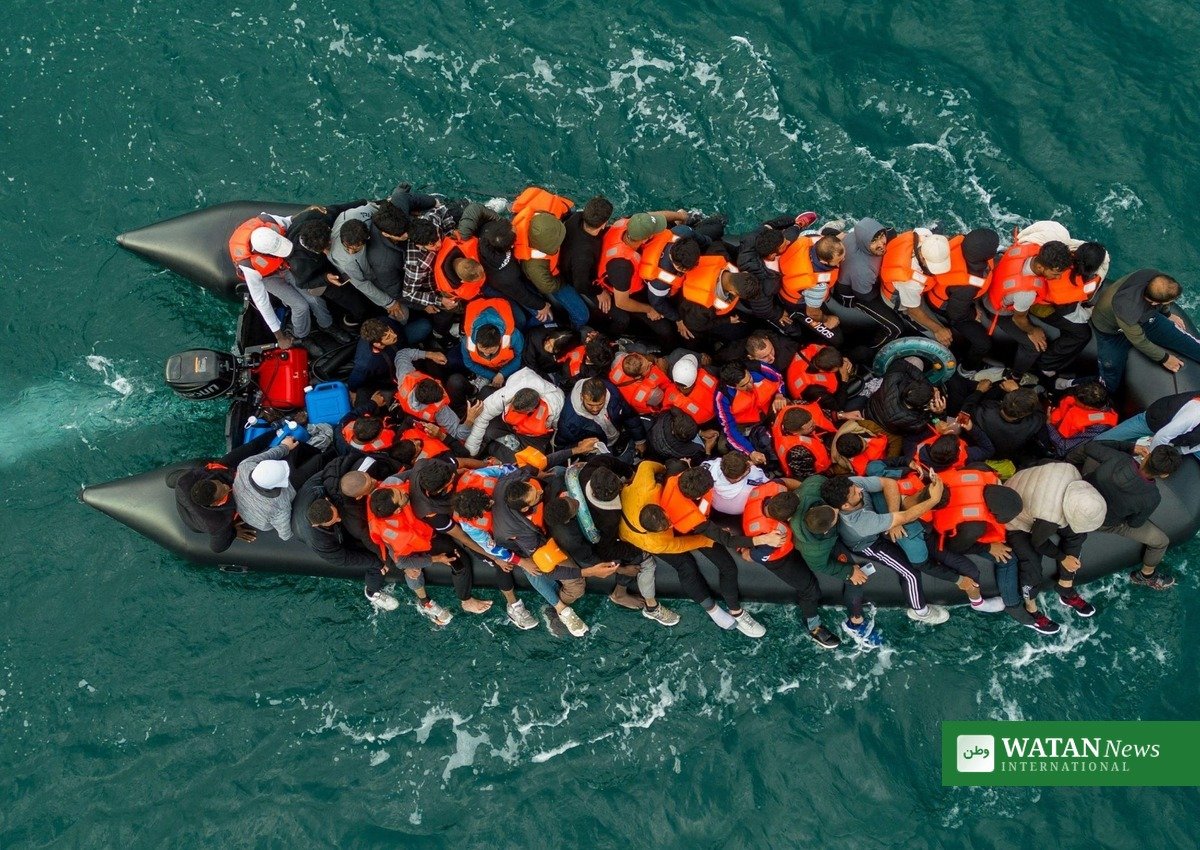
At least 139 migrants, including at least 15 children, have died after an overcrowded boat capsized off the coast of Djibouti, the United Nations migration agency said on Sunday. Around 84 more people remain missing after the Djibouti boat disaster, making it one of the deadliest migrant shipwrecks in the region in recent years.
FAKTA: Djibouti boat disaster
- Death toll: at least 139 dead, including at least 15 children; around 84 missing, according to the International Organization for Migration (IOM).
- Survivors: 82 people survived; all were Ethiopian nationals, the IOM said.
- The vessel: an overcrowded boat carrying 305 people, most of them Ethiopians, travelling from Djibouti to Yemen.
- Location: near Guhere, north of Obock, off Djibouti’s eastern coast in the Gulf of Aden.
- When: during the night of October 8-9; the IOM released its updated statement on Sunday, October 11.
What happened in the Djibouti boat disaster
The boat capsized during the night of October 8-9 near Guhere, north of the port town of Obock on Djibouti’s eastern coast, the IOM said, citing accounts from survivors. The vessel was carrying 305 people — most of them Ethiopians — across the Gulf of Aden toward Yemen when it went down.
Survivors told IOM staff that the boat began to sink almost immediately after they boarded. “Survivors told me that the boat started to sink backwards as soon as they got in it,” Alexandre Coissac, the IOM’s chief of mission in Djibouti, told the Associated Press, describing the incident as a “devastating loss of life.”
The agency initially reported 109 deaths and 116 missing, but revised the toll to 139 dead and 84 missing on Sunday after more bodies were recovered. The IOM said the confirmed count could rise further, as some victims were buried by fellow migrants and have not yet been verified by the authorities.
Search, rescue and survivors
Djiboutian authorities continued search and rescue operations on Sunday, while IOM teams worked alongside local officials to provide emergency assistance. The agency said it was assisting 64 survivors at a migrant centre in the coastal town of Obock, and that local authorities were providing medical care to survivors and arranging burials for the dead.
IOM Director General Amy Pope said the tragedy showed why the dangerous sea crossing must be addressed. “We cannot keep treating these deaths as normal. Safe and legal pathways save lives,” she said in a statement, calling on governments and donors to act before the next boat goes down.
A dangerous migration route
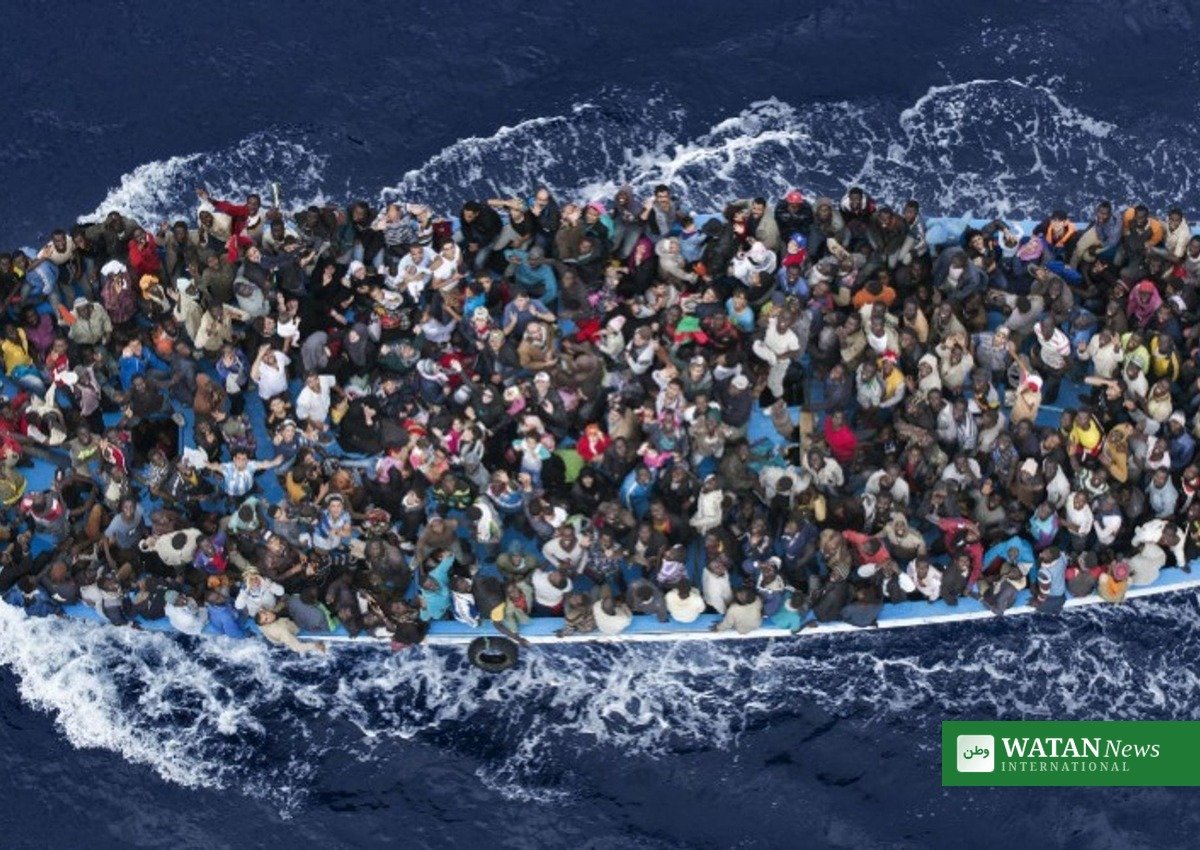
The crossing from the Horn of Africa to Yemen via the Bab el-Mandeb strait is a popular but extremely dangerous route for migrants seeking work and safety in Gulf countries. The IOM said 150 of the people aboard the boat had previously been turned back from Yemen and had attempted the crossing again, and that the agency had recorded more than 20,000 incoming movements from Ethiopia to Djibouti since September 10.
The migrants were heading to Yemen even as Yemeni nationals themselves flee the country, which is experiencing the most serious escalation in fighting between Saudi Arabia-backed government forces and the Houthis since a UN-brokered truce in 2022. “Poverty, insecurity and the growing impacts of climate change drive many to undertake this journey, despite mounting instability across the Middle East,” the IOM said.
More Africa news: World news on Watan News.
Author

usman2344913@gmail.com
Related Posts
Trump Claims Russia-Ukraine ‘Energy Ceasefire’ Agreed; Kyiv Surprised, Moscow Silent
- 0
- 708 words
Donald Trump announced an immediate 'energy ceasefire' between Russia and Ukraine, claiming both sides had agreed. Kyiv said the announcement was news...
Read out all
Chinese Scientists Turn Wood Waste Into Profitable Green Jet Fuel
- 0
- 604 words
A new cobalt-manganese catalyst from the Chinese Academy of Sciences turns wood waste into sustainable aviation fuel at a projected 55% profit...
Read out all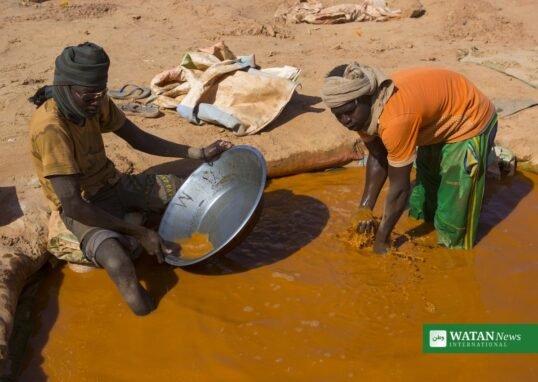
At Least 72 Gold Miners Killed in Airstrike Near Egypt-Sudan Border, Rights Group Says
- 0
- 588 words
At least 72 civilian gold prospectors were killed in airstrikes on artisanal mining sites near the Egypt-Sudan border on Saturday, the Sudanese...
Read out all
NWT Completes One of Its Largest Tree Planting Projects Near Sambaa Deh Falls
- 0
- 449 words
YELLOWKNIFE, Canada — The Northwest Territories has completed one of the largest tree planting projects in its history, restoring wildfire-damaged forests near...
Read out all
California’s ‘Truth in Recycling’ Law Blocked: Court Fight Over Recycling Labels
- 0
- 922 words
California’s landmark “Truth in Recycling” law — designed to stop misleading recycling labels on packaging — is now in legal limbo. A...
Read out all
UN Climate Chief: COP31 Must Turn Climate Promises Into Real-World Action
- 0
- 636 words
NADI, Fiji — With four weeks to go before COP31 opens in Antalya, Türkiye, the United Nations’ top climate official has urged...
Read out all