- 0
- 708 words
US President Donald Trump said on Sunday that Russia and Ukraine had agreed to an immediate energy ceasefire, halting attacks on each other’s energy infrastructure — a claim that surprised Kyiv, drew no confirmation from Moscow, and came as strikes on energy targets continued. The Trump energy ceasefire announcement was made on his Truth Social platform.
FAKTA: Trump energy ceasefire
- The announcement: Trump wrote on Truth Social on Sunday, October 11: “Effective immediately, there is an ENERGY CEASEFIRE in the War between Russia and Ukraine. Both parties have agreed. Do not break it!” He gave no details, scope, duration, or monitoring mechanism.
- Kyiv’s response: Ukrainian President Volodymyr Zelenskyy told Axios the announcement “was news for me,” and a senior official said Kyiv learned of it from social media. Ukraine says it supports the ceasefire if Russia does, and is awaiting details.
- Moscow’s response: no Russian official had publicly confirmed the agreement as of Sunday; the Kremlin did not respond to requests for comment.
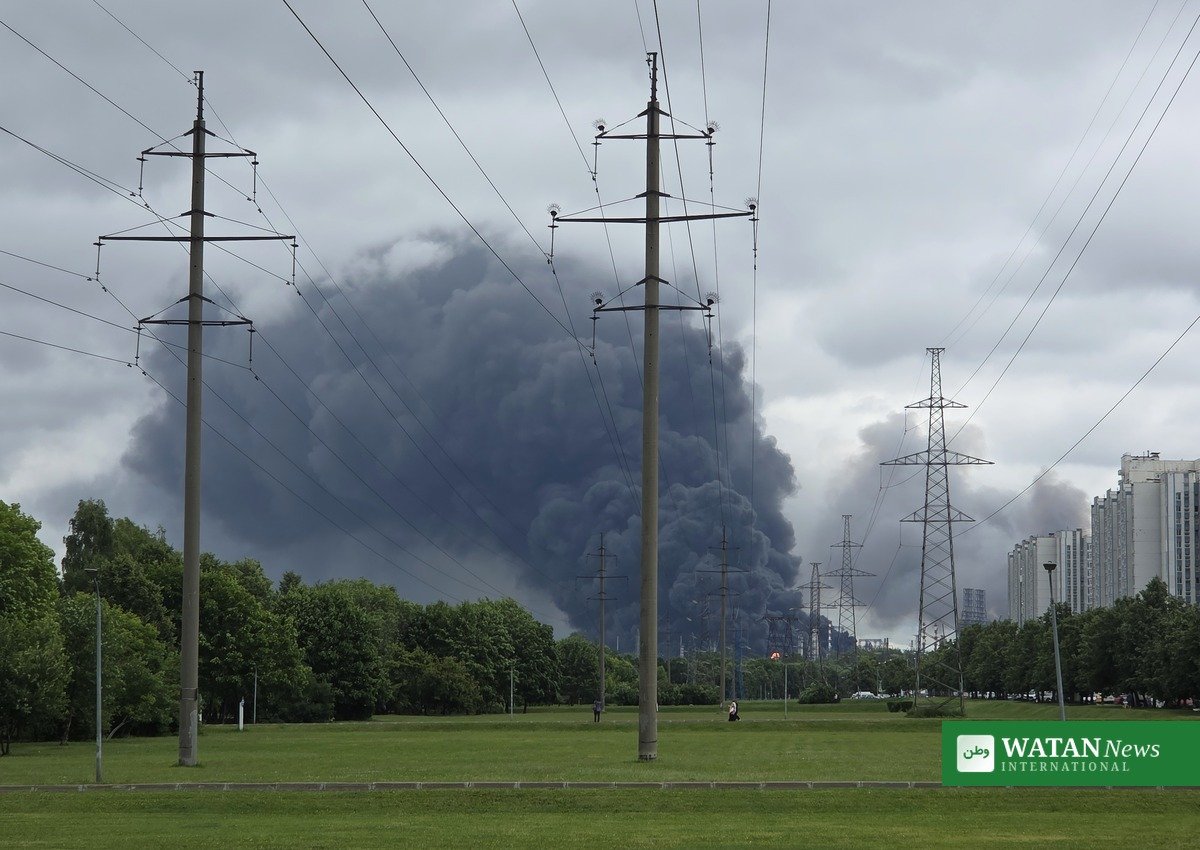
- Reality on the ground: Zelenskyy said Russia struck Ukrainian energy infrastructure after the announcement, including a power plant in Kharkiv, and Kyiv’s DTEK reported fresh power outages on Sunday.
Trump’s announcement
Trump’s post declared the ceasefire “effective immediately” and warned both sides: “Do not break it!” The White House did not respond to requests for further detail when asked by news outlets, and neither CNN, AP nor Reuters could confirm the terms of any agreement.
The announcement came shortly after Zelenskyy, in an interview broadcast Sunday on ABC’s This Week, called on Trump to put more pressure on Russia to end the war. In the interview, Zelenskyy said Ukraine was ready for de-escalation steps, including an energy ceasefire if Russia took similar steps — and offered to hold presidential elections if Russia agreed to a comprehensive 60-day ceasefire.
Kyiv: surprise, then conditional support
Zelenskyy told Axios that the announcement was news to him. In a later statement posted on social media, he said he had spoken with the leaders of Canada and Finland and NATO’s secretary general: “We discussed the energy ceasefire announced by President Trump. Ukraine supports the ceasefire, and it is important that Russia support it as well,” he wrote, adding: “We are awaiting details from the American side.”
Ukraine has said it will stop its strikes on Russian oil refineries if Russia stops attacking Ukrainian energy facilities — the reciprocal arrangement Kyiv has proposed. Ukrainian strikes on Russian refineries have driven fuel shortages and pushed up global diesel prices, which Trump has repeatedly criticized.
Moscow has not confirmed
As of Sunday evening, no Russian official had publicly confirmed any agreement. The state news agency TASS carried Trump’s post without any Russian comment, and Kremlin spokesperson Dmitry Peskov did not comment. It remained unclear whether Russia would halt its long-range strikes on Ukraine’s energy grid.
Britain’s Prime Minister Andy Burnham and Canadian Prime Minister Mark Carney both said in separate statements on Sunday that they supported the energy ceasefire.
Second Trump energy ceasefire announcement
This is the second time in less than a month that Trump has announced an energy ceasefire between Russia and Ukraine. According to The Wall Street Journal, he made a similar announcement on September 14, which Russian President Vladimir Putin rebuffed — and both sides continued exchanging strikes.
The fighting has shown no sign of pausing: at least 20 people were killed when Russia struck residential buildings in Ukraine on Saturday, hours after the latest round of US-brokered talks was cut short by a day.
Backdrop: diesel deal and strained talks
The announcement follows days of tension between Washington and Kyiv. Trump had demanded that Zelenskyy halt attacks on Russian refineries and even suggested Ukraine might need new leadership. He also faced strong criticism at home for a deal under which Russia agreed to export diesel to the United States and world markets — more than 300,000 tons immediately, with additional shipments planned for November and December.
Whether Sunday’s announcement marks a genuine step toward de-escalation or another unfulfilled claim will depend on what happens on the ground in the coming days. More coverage of the war is available in our World section.
Author

usman2344913@gmail.com
Related Posts

Pakistan, Turkey, Egypt and Saudi Arabia Condemn Riyadh Airport Attacks
- 0
- 504 words
RIYADH — Turkey, Pakistan, Egypt and Saudi Arabia issued a joint condemnation on Sunday of attacks by Yemen’s Houthi movement on Riyadh’s...
Read out all
Chinese Scientists Turn Wood Waste Into Profitable Green Jet Fuel
- 0
- 604 words
A new cobalt-manganese catalyst from the Chinese Academy of Sciences turns wood waste into sustainable aviation fuel at a projected 55% profit...
Read out all
At Least 72 Gold Miners Killed in Airstrike Near Egypt-Sudan Border, Rights Group Says
- 0
- 588 words
At least 72 civilian gold prospectors were killed in airstrikes on artisanal mining sites near the Egypt-Sudan border on Saturday, the Sudanese...
Read out all
139 Migrants Dead, Including 15 Children, After Boat Capsizes Off Djibouti
- 0
- 557 words
At least 139 migrants, including 15 children, died after an overcrowded boat carrying 305 people capsized off Djibouti's coast en route to...
Read out all
NWT Completes One of Its Largest Tree Planting Projects Near Sambaa Deh Falls
- 0
- 449 words
YELLOWKNIFE, Canada — The Northwest Territories has completed one of the largest tree planting projects in its history, restoring wildfire-damaged forests near...
Read out all
California’s ‘Truth in Recycling’ Law Blocked: Court Fight Over Recycling Labels
- 0
- 922 words
California’s landmark “Truth in Recycling” law — designed to stop misleading recycling labels on packaging — is now in legal limbo. A...
Read out all