- 0
- 681 words
A groundbreaking discovery has been made in Africa, where a new species of ancient human has been unearthed. This remarkable find is set to rewrite the history of human evolution, providing valuable insights into the lives of our ancient ancestors. The discovery was made by a team of researchers who have been conducting extensive excavations in the region.
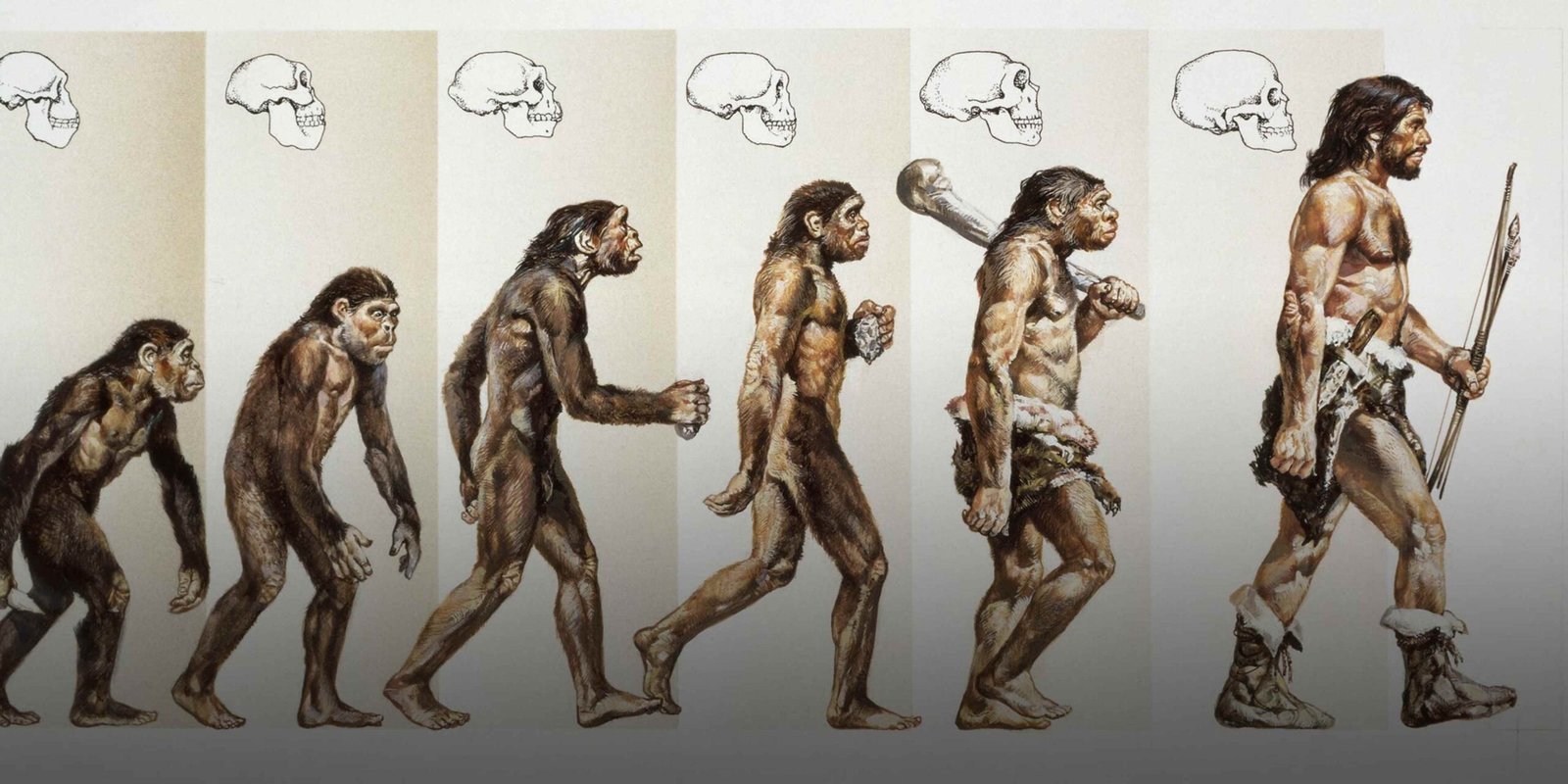
The new species, which has been named ‘Homo africus’, is believed to have lived in Africa over 2 million years ago. The discovery of this ancient human species is a significant one, as it sheds light on the complex and fascinating history of human evolution. According to the researchers, ‘Homo africus’ is a previously unknown species that lived during a time of great change and upheaval in Africa.
- The discovery of ‘Homo africus’ was made in a remote region of Africa.
- The species is believed to have lived over 2 million years ago.
- The discovery sheds light on the complex history of human evolution.
- The find is set to rewrite the history of human evolution and provide valuable insights into the lives of our ancient ancestors.
African Origins of Human Evolution
The discovery of ‘Homo africus’ has significant implications for our understanding of human evolution. Africa is widely regarded as the cradle of humanity, and this discovery provides further evidence of the continent’s importance in the history of human evolution. The researchers believe that ‘Homo africus’ may have played a key role in the development of the human species, and that it may have been one of the earliest human ancestors to have lived in Africa.
The discovery of ‘Homo africus’ is also significant because it highlights the complexity and diversity of human evolution. The fact that a new species of ancient human has been discovered in Africa suggests that there may be many more unknown species waiting to be uncovered. As ‘Dr. Maria Rodriguez, lead researcher on the project, noted, ‘the discovery of ‘Homo africus’ is a major breakthrough in the field of human evolution, and it has the potential to rewrite the history of our species.
Research and Excavation Methods
The discovery of ‘Homo africus’ was made possible by a team of researchers who have been conducting extensive excavations in the region. The researchers used a combination of traditional excavation methods and cutting-edge technology to uncover the remains of the ancient human species. According to ‘Dr. John Taylor, a member of the research team, ‘the discovery of ‘Homo africus’ is a testament to the power of interdisciplinary research and collaboration.
The researchers believe that the discovery of ‘Homo africus’ has the potential to shed light on many of the unanswered questions about human evolution. As ‘Dr. Rodriguez’ noted, ‘the discovery of this new species is a major step forward in our understanding of human evolution, and it has the potential to provide valuable insights into the lives of our ancient ancestors.’
Implications for Human Evolution
The discovery of ‘Homo africus’ has significant implications for our understanding of human evolution. The fact that a new species of ancient human has been discovered in Africa suggests that there may be many more unknown species waiting to be uncovered. The discovery also highlights the complexity and diversity of human evolution, and it provides valuable insights into the lives of our ancient ancestors.
As the researchers continue to study the remains of ‘Homo africus’, they hope to gain a deeper understanding of the history of human evolution. The discovery of this ancient human species is a significant one, and it has the potential to rewrite the history of our species. For more information on this discovery and other breaking news stories, visit Watan News.
Future Research Directions
The discovery of ‘Homo africus’ is just the beginning of a new chapter in the study of human evolution. The researchers hope to continue their work in the region, uncovering more secrets about the lives of our ancient ancestors. As ‘Dr. Taylor’ noted, ‘the discovery of ‘Homo africus’ is a major breakthrough, and it has the potential to shed light on many of the unanswered questions about human evolution.’
Author

usmanjaved13132@gmail.com
Related Posts

Israeli Settlers Torch Olive Trees, Injure Photojournalist in West Bank Harvest Attack
- 0
- 484 words
Dozens of Israeli settlers attacked Palestinian olive harvesters in Abu Falah, West Bank, torching olive trees and injuring two people, including a...
Read out all
Candiru Spyware Ads Planted Zero-Click Spyware on 45 Al Jazeera Devices, Citizen Lab Says
- 0
- 621 words
Researchers have uncovered the first confirmed case of mercenary spyware being delivered to victims through ordinary online advertisements, infecting dozens of devices...
Read out all
Indonesia Forest Fires: Prabowo Approves Foreign Help as Haze Chokes Region
- 0
- 500 words
Indonesia has approved foreign firefighting help as its worst forest fires in a decade choke the region. Hundreds of thousands face breathing...
Read out all
Saudi Coalition Intercepts Cruise Missile Over Medina, Houthis Deny Involvement
- 0
- 678 words
The Saudi-led coalition says it intercepted and destroyed a cruise missile over Medina province on Thursday; the Houthis deny involvement.
Read out all
China Philippines Tensions Rise as Manila Calls Envoy Remarks a Threat
- 0
- 493 words
The China Philippines tensions flared again on Friday after the Philippine government accused Beijing’s ambassador of making what it described as a...
Read out all
Germany Pledges €50 Million for Chernobyl Repair in Ukraine
- 0
- 428 words
Germany pledges €50 million to repair Ukraine's Chernobyl nuclear plant as the G7 raises €260 million for the damaged protective arch ahead...
Read out all