- 0
- 1,175 word
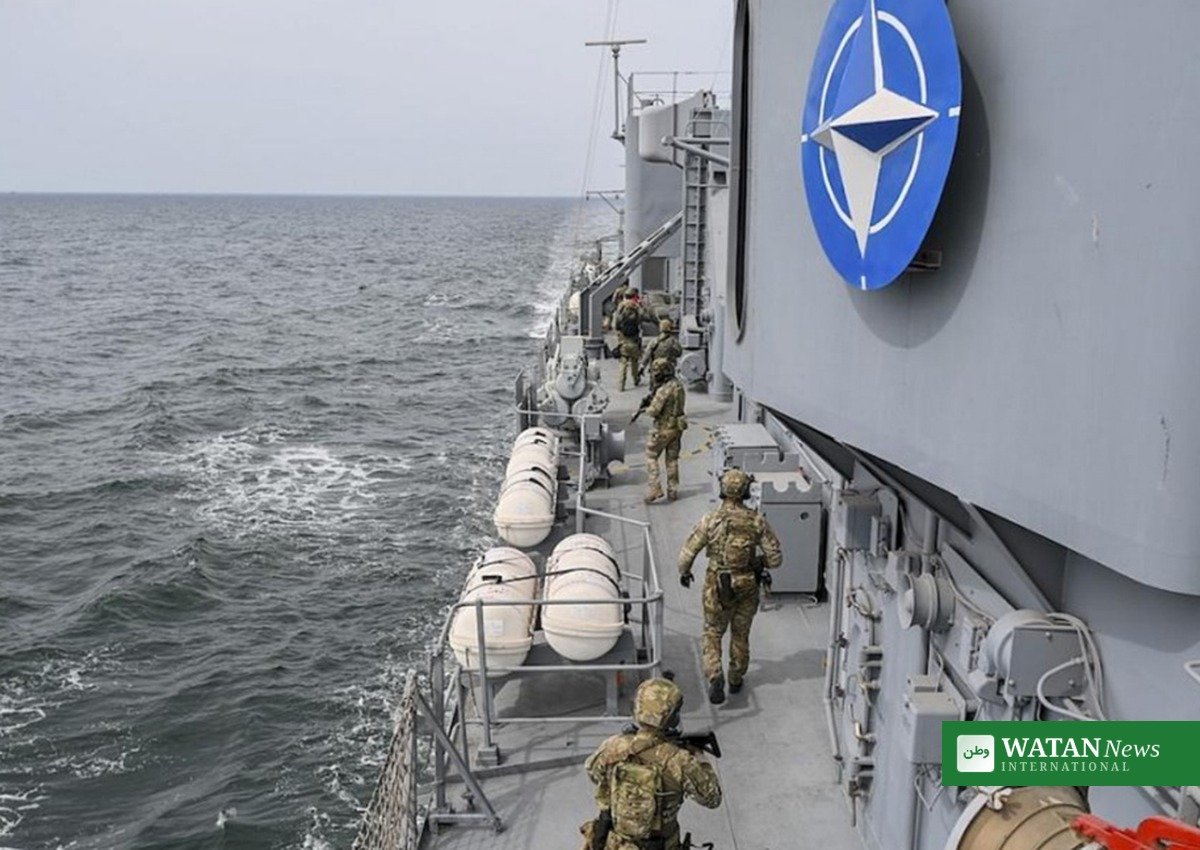
The defence ministers of Bulgaria, Romania and Turkey have jointly condemned attacks on commercial vessels in the Black Sea, after a container ship was struck by three sea drones off Bulgaria on the very day they met in Sofia. The 28 October meeting, bringing together NATO’s three Black Sea littoral states, agreed to deepen intelligence sharing and early warning as merchant shipping faces a growing threat from the spillover of Russia’s war against Ukraine.
The attack that framed the meeting
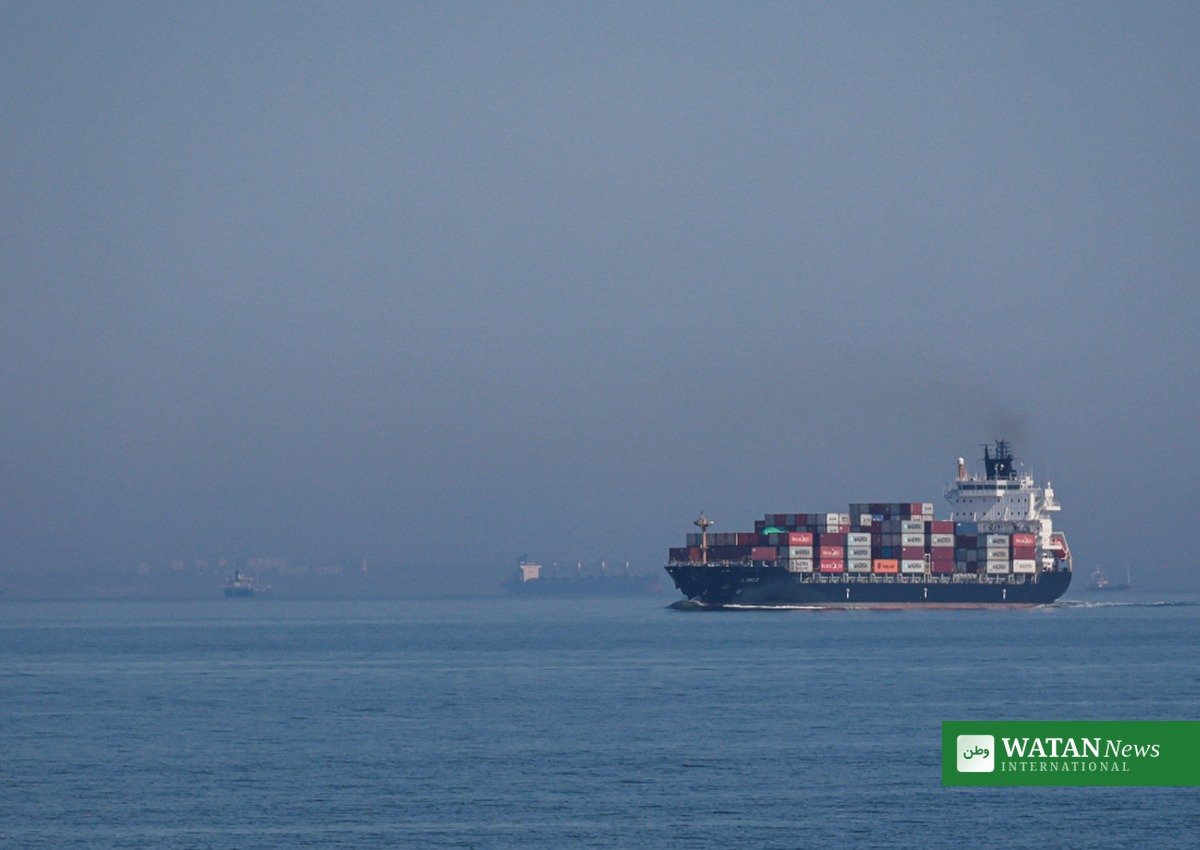
As the ministers gathered in Sofia, news arrived of the latest strike. Bulgaria’s Defence Minister Dimitar Stoyanov said a container ship had been hit by three naval drones approximately 21 miles south-east of Shabla, inside Bulgaria’s exclusive economic zone. Reuters identified the vessel as the Contship Jet, a Greek-owned ship sailing under the Liberian flag, carrying 421 containers on a voyage from Haifa to Constanta in Romania.
All 18 crew members — 14 Filipinos and four Ukrainians — were evacuated and brought ashore safely, rescued by Bulgarian Navy and border police vessels and taken towards Varna for medical checks. A maritime security source told Reuters the ship had been badly damaged and was listing. It remains unclear who carried out the attack, and the contents of the containers have not been confirmed.
The strike was the latest in a string of attacks on merchant shipping off Bulgaria. Reuters reported that at least six merchant vessels have been attacked in the area in recent weeks, with government statements indicating that around two dozen international seafarers have likely been killed or remain missing in related incidents. Ukraine has blamed Russia for the attacks on commercial vessels, while Moscow has denied involvement. Responsibility for the Contship Jet strike itself has not been established.
A joint warning from Sofia
In their joint statement after the meeting, the three ministers condemned the attacks and called on all parties to refrain from any further actions that could endanger commercial vessels, maritime infrastructure and freedom of navigation in the Black Sea. The declaration underlined the sea’s importance for global trade and for the supply of grain and fertilisers, and recalled that all parties must comply with international law, including the Montreux Convention and applicable international humanitarian law.
Turkish Defence Minister Yasar Guler said the united position of the three countries was a clear message to both warring parties. “I believe that the united and resolute position we have demonstrated here today, in full coordination and solidarity with our friends and allies Bulgaria and Romania, is important in clearly reminding both warring parties that the security of commercial shipping routes in the Black Sea and the safety of littoral countries constitute inviolable red lines,” he said. He added that Turkey will maintain its current implementation of the Montreux Convention, which governs passage through the Turkish Straits.
Alongside the ministers, the meeting was attended by Bulgaria’s Chief of Defense Admiral Emil Eftimov, Turkey’s Chief of Defense General Selcuk Bayraktaroglu, and Romania’s Deputy Chief of Defense Lieutenant General Dragos Dimitru Iakub. Bulgaria’s Defence Minister Dimitar Stoyanov said the three Black Sea countries will continue active cooperation both in a trilateral format and within NATO, in close coordination with the alliance’s member states and partners.
What the three countries agreed to do
The ministers agreed to enhance information and intelligence sharing, improve maritime domain awareness and strengthen early warning, in support of security and stability in the Black Sea. The three countries, which already cooperate on mine-clearing operations in the region, also discussed the protection of maritime routes and critical underwater infrastructure. Further consultations are scheduled to take place in Ankara and Bucharest.
The scale of the threat was underlined by figures reported by the Financial Times, based on data from maritime security company Ambrey and the International Maritime Organization: since the beginning of the year, more than 570 vessels have been hit in the Black Sea, killing at least 40 seafarers. By comparison, 24 deaths were recorded in the Strait of Hormuz area over the same period.
Why this matters beyond the Black Sea
The Black Sea is a vital artery for grain and fertiliser exports, and disruption there carries consequences far beyond the region’s shores. Attacks inside the exclusive economic zone of a NATO and European Union member state, striking civilian crews from the Philippines and Ukraine, have turned a wartime shipping risk into a direct test of allied maritime security. Bulgaria has already sought allied assistance to bolster maritime security, and the Sofia statement signals that the three littoral allies intend to answer together rather than separately.
Whether the joint warning and the promised closer coordination deter further attacks remains to be seen. For now, the message from Sofia is unambiguous: civilian shipping in the Black Sea must not become a target, and the three NATO states on its shores say they will treat its safety as a red line.
FAKTA
- On 28 October 2026, the defence ministers of Bulgaria, Romania and Turkey met in Sofia and jointly condemned attacks on commercial vessels in the Black Sea.
- On the same day, the Greek-owned, Liberian-flagged container ship Contship Jet was hit by three naval drones about 21 miles south-east of Shabla, in Bulgaria’s exclusive economic zone.
- All 18 crew members — 14 Filipinos and four Ukrainians — were evacuated safely and taken towards Varna; the ship was badly damaged and listing, according to a maritime security source cited by Reuters.
- Responsibility for the Contship Jet attack has not been established; Ukraine has blamed Russia for attacks on commercial vessels, while Moscow has denied involvement.
- The three ministers agreed to enhance intelligence sharing, maritime domain awareness and early warning, and to continue consultations in Ankara and Bucharest.
- The Financial Times, citing Ambrey and International Maritime Organization data, reported more than 570 vessels hit in the Black Sea since the start of the year, with at least 40 seafarers killed.
Frequently Asked Questions
What happened to the Contship Jet?
It was struck by three naval drones off Bulgaria on 28 October 2026 while sailing from Haifa to Constanta in Romania. Its 18 crew members were evacuated safely, and the vessel was left badly damaged and listing.
Who condemned the attacks?
The defence ministers of Bulgaria, Romania and Turkey, in a joint statement after their trilateral meeting in Sofia on 28 October, called on all parties to stop endangering commercial vessels, maritime infrastructure and freedom of navigation.
What did the three countries agree to do?
They agreed to enhance information and intelligence sharing, improve maritime domain awareness and strengthen early warning, and to hold further consultations in Ankara and Bucharest.
How widespread are the Black Sea shipping attacks?
Reuters reported at least six merchant vessels attacked off Bulgaria in recent weeks, with around two dozen seafarers likely killed or missing in related incidents; wider data cited by the Financial Times put the 2026 Black Sea total above 570 vessels hit and at least 40 seafarers killed.
Read more on Watan News: https://watannews.dk/en/news/black-sea-nato-ship-attacks-sofia/
Author

usmanch0013@gmail.com
Related Posts

Zero Waste Takes Centre Stage at COP31 as Presidency Targets Methane
- 0
- 1,129 word
COP31 in Antalya puts zero waste first among its ten action-agenda themes, targeting methane from waste and halving projected waste growth by...
Read out all
France Deploys 70,000 Police for Halloween Protests as Minister Warns of ‘Very High Risk’
- 0
- 551 words
France will deploy 70,000 security forces on Saturday, October 31, after Interior Minister Laurent Nunez warned of a 'very high risk' to...
Read out all
Luxury by Landscape: Six Breathtaking Destinations, From Islands to Alpine Peaks
- 0
- 1,561 word
A luxury travel guide organised by landscape: the Maldives, Santorini, the Amalfi Coast, the French Riviera, Zermatt and Kyoto, with what to...
Read out all
Loki and 57 Strangers: The Deep-Sea Canyon That Keeps Giving Up New Life
- 0
- 1,666 word
In Argentina's Mar del Plata Canyon, scientists identified 57 species and five genera new to science — including Loki, a horned sea...
Read out all
Bank of Canada Raises Rate to 2.5% in First Hike Since 2023
- 0
- 1,270 word
The Bank of Canada raised its overnight rate by 25 basis points to 2.5% on 28 October 2026, its first hike since...
Read out all
South Carolina Senate Race Becomes a Toss-Up Days Before Election Day
- 0
- 1,034 word
Fox News moved South Carolina's Senate race to a toss-up on 29 October after a New York Times/Siena poll tied Darline Graham...
Read out all