- 0
- 758 words
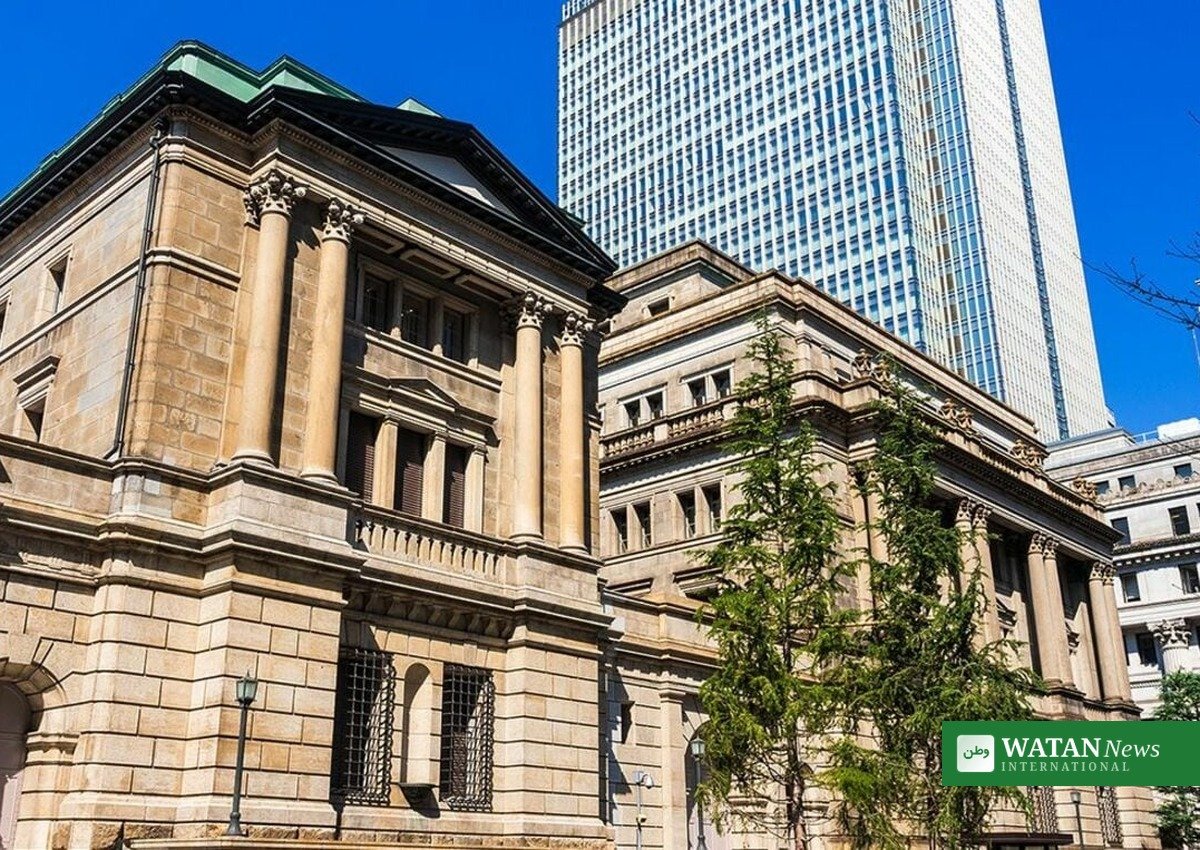
The Bank of Japan has declared that underlying inflation in Japan is now broadly in line with its 2% price stability target, the first time it has made that assessment since adopting the target in 2013. The landmark judgement came on Friday, 30 October, as the central bank kept its short-term policy rate unchanged at 1.25%.
The decision, taken by an 8-1 vote of the policy board, had been widely expected after the bank raised rates in September. Board member Hajime Takata dissented, proposing a rise to 1.5%. The 1.25% rate remains the highest level since 1995.
In its quarterly Outlook Report, the bank said underlying inflation was “generally consistent” with the 2% target and was expected to stay around that level. Until now, the bank had described underlying inflation as merely “approaching 2 percent.”
Bank of Japan inflation target: a 13-year battle declared won
The Bank of Japan adopted its 2% inflation target in 2013, at the start of a long campaign against deflation. For years the target remained out of reach, and the bank deployed extraordinary measures, including large-scale asset purchases, in pursuit of it.
Friday’s language marks a turning point in that campaign. The bank said its focus had now shifted from guarding against falling prices to preventing inflation from overshooting the target. It flagged upside risks from higher crude oil prices, semiconductor costs, a weaker yen and rising inflation expectations, and said firms’ behaviour had been shifting more towards raising wages and prices.
What Governor Ueda said
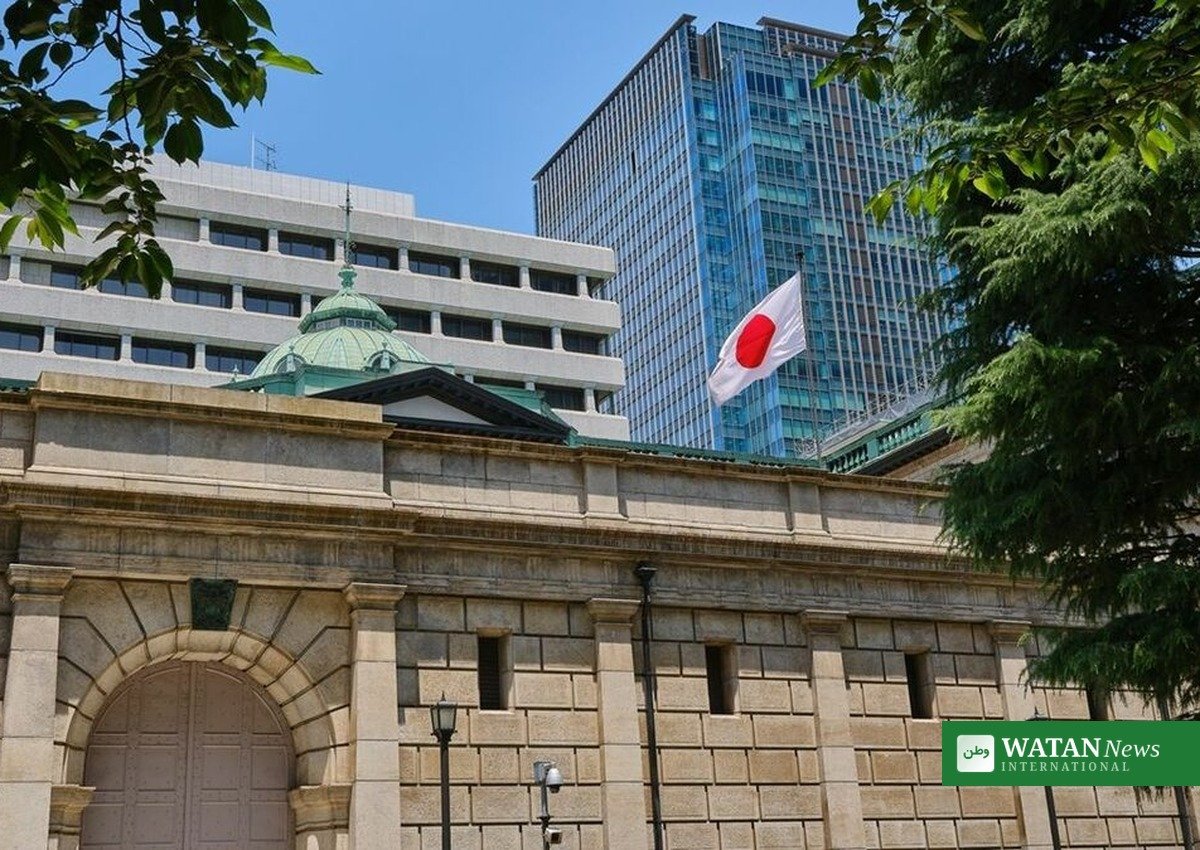
Governor Kazuo Ueda told a news conference in Tokyo that underlying inflation had reached levels consistent with the price target, but cautioned that the job was not yet complete.
“We saw the need to scrutinise a bit more economic and price risks, as well as financial conditions. But underlying inflation has reached levels consistent with our price target,” Ueda said, according to Reuters. “We must therefore be vigilant to the risk of inflation overshooting our target.”
He added that the bank’s goal was to achieve the target “sustainably and stably,” and that it would adjust monetary policy as appropriate so that underlying inflation becomes anchored around 2%. He also noted that inflation expectations had yet to be anchored around the target, and said he would not say price risks had increased sharply from a month ago.
FAKTA
- Decision: Policy rate held at 1.25%, by an 8-1 vote; Hajime Takata dissented in favour of 1.5%.
- Key judgement: Underlying inflation is “generally consistent” with the 2% target — the first such assessment since 2013.
- Inflation forecasts: Core consumer prices seen at 2.5% in fiscal 2026, 2.6% in fiscal 2027 (raised from 2.4%) and 2.0% in fiscal 2028.
- ETF sales: Pace of stock-fund sales to more than double from January 2027, to about 860 billion yen a year at book value from about 330 billion yen.
- Next step watched: Markets are pricing a strong chance of a further rate rise in December, though the bank has not committed to a date.
Forecasts raised, stock sales accelerated
Alongside the rate decision, the bank raised its forecast for core consumer price inflation in fiscal 2027 to 2.6% from 2.4%, while leaving fiscal 2026 unchanged at 2.5% and fiscal 2028 at 2.0%. Its “core-core” measure, which strips out fresh food and energy, was nudged up to 2.7% for fiscal 2027 from 2.6%.
The bank also unanimously agreed to more than double the pace at which it sells the stock exchange-traded funds it accumulated during its easing years, to about 860 billion yen a year at book value from January 2027, up from about 330 billion yen. The move is a further step in unwinding the emergency-era toolkit built up since 2013.
What happens next
The bank stressed that it would continue to raise rates and adjust the degree of easing in response to economic activity, prices and financial developments, and that it would weigh the likelihood of its baseline scenario at each meeting, including the next one.
Traders are pricing roughly a 57% chance of a further 25-basis-point rise in December, according to market reporting, and a survey of economists cited by CNBC found all 16 surveyed expected the bank to set the stage for a rise in December or January. September core inflation, at 2.1%, was the highest of 2026 so far, and the yen held near 157 to the dollar after the announcement.
For Japan, the declaration closes a long chapter: after more than a decade of fighting deflation, the central bank now says its target is within reach — and its new challenge is keeping inflation there without letting it run too hot. Related coverage of global economic policy can be found on Watan News Business.
Author

usmanch0013@gmail.com
Related Posts

Toxic Smoke from Indonesia’s Forest Fires Blamed for 3,560 September Deaths
- 0
- 469 words
Smoke from Indonesia's seasonal forest and land fires was linked to an estimated 3,560 deaths in September 2026, a Centre for Research...
Read out all
UN SDG Action Awards 2026 Name Three Heroes of Tomorrow in Rome
- 0
- 821 words
Three grassroots champions — Rokiatou Traoré of Mali, the Women’s Justice Initiative of Guatemala and Mothers of Courage of India — were...
Read out all
Qatar Renews Mediation in Tehran as US and Iran Remain Far Apart
- 0
- 492 words
Qatari mediators have returned to Tehran in a renewed push for a US-Iran agreement, but Tehran has called the latest Qatari draft...
Read out all
Turkey’s Opposition Says Voters Will Reject Pressure in 2028 Election
- 0
- 492 words
Turkey's opposition says voters will reject what it describes as political pressure in the 2028 national elections, despite court cases, arrests and...
Read out all
Houthi Drone Over Mecca Region Intercepted, Coalition Says; Houthis Deny Attack
- 0
- 636 words
The Saudi-led coalition says its air defences intercepted a drone in the Makkah region on Friday, while Yemen's Houthis deny carrying out...
Read out all
One Earth Summit 2026 Brings 700 Leaders Together in Hong Kong for Climate and AI
- 0
- 859 words
The third One Earth Summit gathered more than 700 participants in Hong Kong on 30 October 2026 to discuss AI, energy, climate,...
Read out all