- 0
- 786 words
A United States food importer has filed a Canada tariffs lawsuit seeking to block the Trump administration’s 50% duties on a wide range of Canadian imports, in the latest court challenge to the president’s tariff powers.
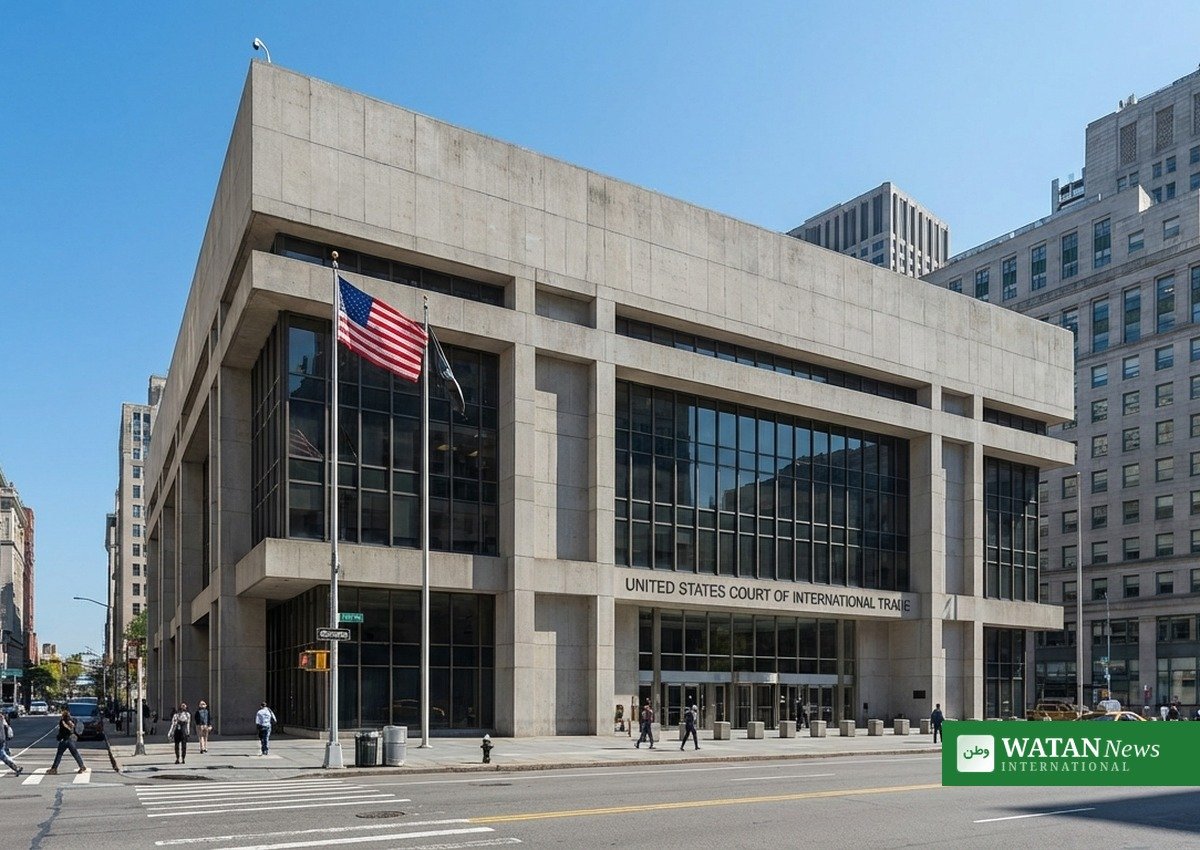
Gellert Global Group, a New Jersey-based food importer, sued on Tuesday in the US Court of International Trade in New York. The company imports Canadian cheeses that have been subjected to the 50% tariff, and it is asking the court to stop the duties.
FAKTA
- Who sued: Gellert Global Group, a New Jersey food importer with $1.7 billion in annual revenue, represented by the legal nonprofit Liberty Justice Center.
- Where: The US Court of International Trade in New York.
- What is challenged: The 50% tariffs on a wide range of Canadian imports, imposed over the summer and effective from September 9.
- The legal basis: Section 338 of the Tariff Act of 1930, used for the first time in nearly a century, according to Reuters.
- What the Canada tariffs lawsuit seeks: An order blocking the tariffs; the company also seeks to represent a class of businesses similarly affected.
- Administration response: The White House did not immediately respond to a request for comment.
What the Canada tariffs lawsuit challenges
The lawsuit takes aim at the administration’s use of Section 338 of the 1930 Smoot-Hawley Tariff Act, a provision the suit describes as dormant and never before used to impose a tariff. The complaint argues that Section 338 has been overwritten by later tariff laws, including the Trade Act that the administration used for a separate round of tariffs earlier in 2026.
It also argues that every law authorising a president to impose tariffs does so with strict limitations that the administration has repeatedly ignored, and that the administration never established the findings the law requires. According to the BBC’s reporting on the filing, the suit further says Section 338 requires a 30-day waiting period, but cheese was added to the tariff list about a week before collection began.
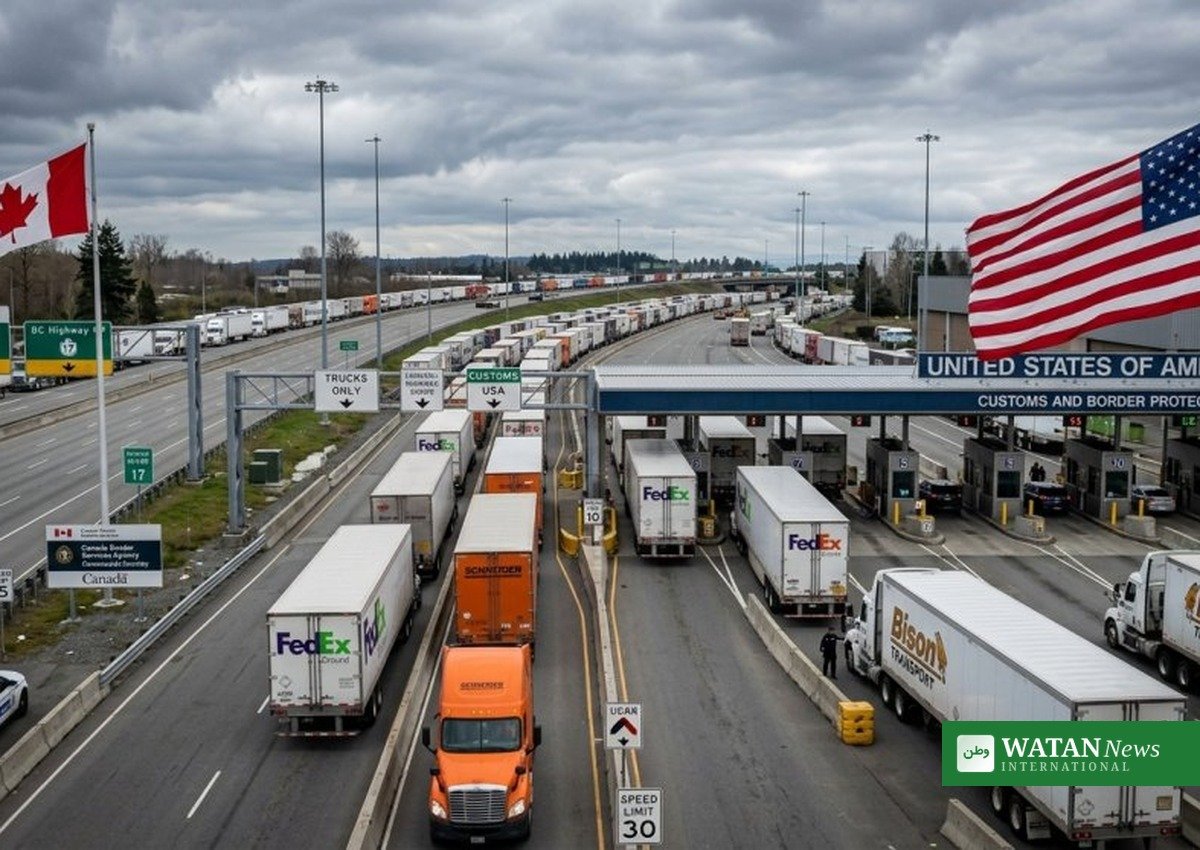
The tariffs target a wide range of Canadian goods, including wine, furniture, dairy products, cement, clothing, fishing rods and hockey equipment, along with alcohol and hockey sticks. The New York Post reported that the duties cover about $20 billion of Canadian goods, and that Gellert estimates the tariffs cost it $40 million a year on cheese imports alone.
Why the tariffs were imposed
President Donald Trump imposed the 50% tariffs over the summer in response to what his administration called Canada’s discriminatory treatment of US-made cars, alcohol and dairy goods. The duties took effect on September 9, after trade talks between the two countries broke down.
Canadian Prime Minister Mark Carney scrapped a potential trade deal on August 22 over what he called unreasonable last-minute demands by the American side. Canada responded to the US duties with retaliatory tariffs on some US imports, and Gellert says it pays on both ends: the 50% duty on Canadian cheese it imports, and Canada’s retaliation on the American dairy products it sells north.
“Gellert Global Group has spent generations building trusted relationships with suppliers, customers and partners across the food industry,” Thomas Gellert, the company’s co-chief executive, said. “These tariffs disrupt those relationships overnight and create costs and uncertainty that ripple through the entire supply chain.”
No high-level talks have been scheduled since the August breakdown, although Dominic LeBlanc, the federal minister leading talks for Canada, said on Tuesday that the two sides remain in touch. “We’re going to find a deal with the United States at some point that’s in the interests of the entire Canadian economy,” LeBlanc told reporters.
A fourth court challenge
The lawsuit is the fourth time a wide-ranging tariff policy has been challenged in court during Trump’s second term as president. The US Supreme Court ruled in February against most of the tariffs imposed in 2025, but the administration has continued to issue wide-ranging tariffs that have faced legal challenges from US states and businesses.
The trade court previously ruled against a temporary 10% global tariff imposed after the Supreme Court loss, and it is currently weighing the legality of a third round of global tariffs imposed in a stated effort to combat forced labour in international trade.
“No president should have the power to pull a dormant statute off the shelf and use it to impose sweeping tariffs or import bans without the limits Congress required,” Sara Albrecht, chief executive of the Liberty Justice Center, said.
The case now goes before the trade court, which will weigh whether the administration had the legal authority to impose the duties. For more business coverage, see Watan News business news.
Author

usman2344913@gmail.com
Related Posts

Applications Open for African Climate Alliance Ambassador Programme 2027 for Emerging Climate Justice Activists
- 0
- 719 words
Applications have opened for the African Climate Alliance (ACA) Ambassador Programme 2027, a nine-month hybrid programme that trains emerging climate justice activists...
Read out all
Half of India’s Coal Plants Run Critically Low on Fuel as Power Demand Surges
- 0
- 698 words
Half of India’s coal-fired power plants are running critically low on fuel, as surging electricity demand, hotter-than-usual weather and falling hydropower output...
Read out all
Maldives Nominated for World’s Leading Sustainable Destination 2026 as Voting Closes Today
- 0
- 770 words
Maldives sustainable destination bid: nominated for World's Leading Sustainable Destination 2026 at the WSTHA; voting closes 21 October 2026.
Read out all
Delaware State Parks Plant 75,000th Tree in 75th Anniversary Milestone
- 0
- 993 words
Delaware 75,000 trees milestone: state parks planted their 75,000th tree on 19 October at Trap Pond, part of the TEDI goal of...
Read out all
Siargao Mangrove Conservation Gets New Boost as 13-Year Partnership Renewed
- 0
- 725 words
Metro Pacific Investments Foundation (MPIF) has signed a new agreement with the municipality of Del Carmen in Surigao del Norte to strengthen...
Read out all
TRUE v2 Launches: USGBC Updates Zero-Waste Certification for Global Impact
- 0
- 631 words
The U.S. Green Building Council (USGBC) has launched TRUE v2 zero waste certification, the next iteration of its TRUE (Total Resource Use...
Read out all