- 0
- 631 words
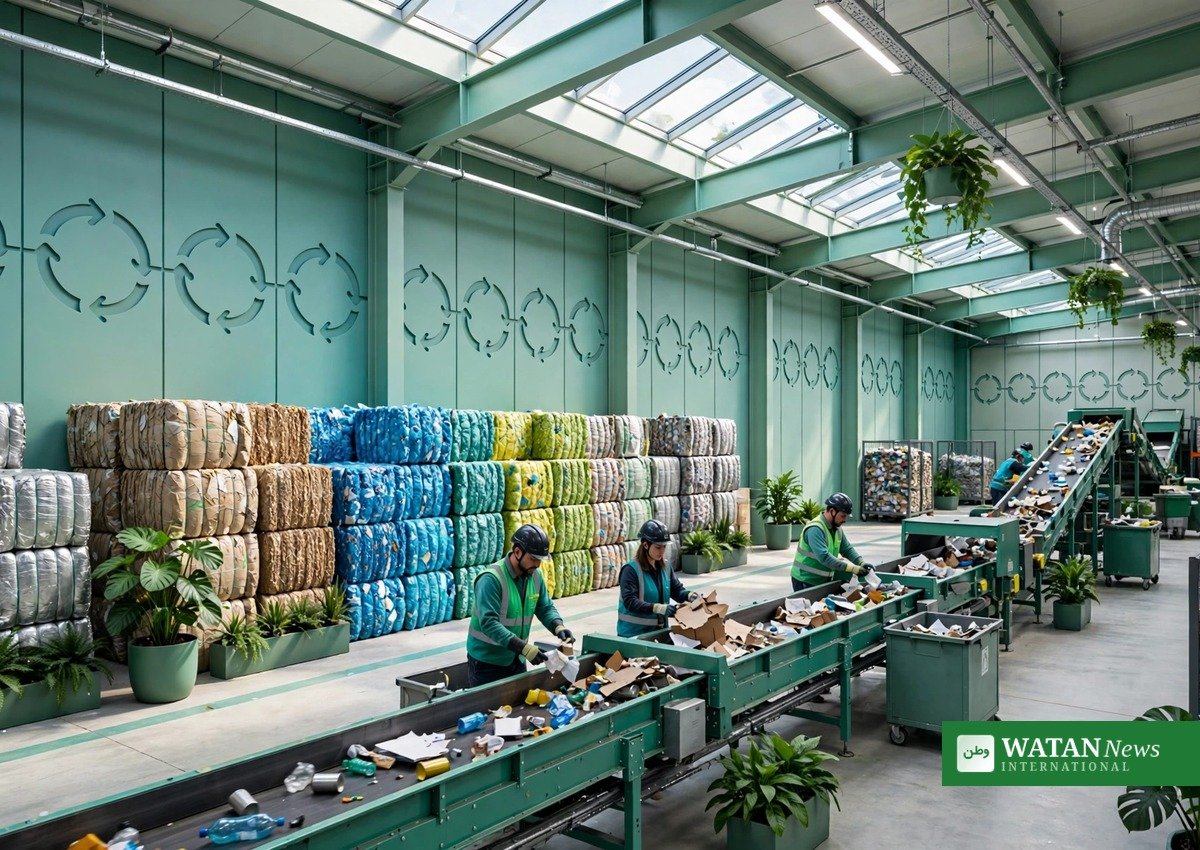
The U.S. Green Building Council (USGBC) has launched TRUE v2 zero waste certification, the next iteration of its TRUE (Total Resource Use and Efficiency) zero-waste certification program. The new version was unveiled in Washington on 20 October 2026 and sharpens the link between zero-waste strategies and measurable environmental impact.
The TRUE program has been certifying facilities for over ten years. To date, more than 680 certified projects worldwide, covering 272 million square feet, have diverted a combined 8.9 million tons of waste from landfills, according to the organization.
FAKTA
- What launched: TRUE v2, the new version of the TRUE (Total Resource Use and Efficiency) zero-waste certification program.
- Who and when: the U.S. Green Building Council (USGBC), Washington, 20 October 2026.
- Scale so far: 680+ certified projects, 272 million square feet, 8.9 million tons of waste diverted from landfills.
- Delivered through: Arc, the GBCI digital platform for collecting, measuring, benchmarking and verifying sustainability performance.
- Transition: TRUE v1 registration open until no earlier than Q4 2027; v1 projects have until a tentative Q4 2033 sunset to certify.
What TRUE v2 zero waste certification changes
TRUE v2 is built around zero-waste impacts and global applicability. It helps organizations advance decarbonization, business transformation and circularity, according to USGBC, tying waste reduction directly to climate and business results.
The update brings a rebalanced credit structure supporting newcomers while rewarding high performers, clearer internationally applicable language, greater rewards for higher-impact actions, more performance credits, and a clearer, faster path to certification.
Leadership comment
Peter Templeton, president and CEO of USGBC and Green Business Certification Inc. (GBCI), said in the announcement:
“Waste reduction is a community, environmental and business priority. TRUE v2 strengthens the connection between zero-waste strategies and measurable impact, providing clearer pathways to improve performance and showcase excellence. This results-driven approach supports sustainability goals, improves the bottom line and strengthens long-term business resilience.”
Transition timeline
Organizations already working under TRUE v1 get a long runway. Registration under v1 stays open until no earlier than the fourth quarter of 2027, and v1 projects have until a tentative Q4 2033 sunset to complete certification. Once v1 registration closes, all new projects register under TRUE v2.
Why it matters for the climate
Waste sent to landfills generates methane, a potent greenhouse gas, and squanders the energy and materials embedded in products. Certification that pushes facilities toward zero waste supports circular economy goals — keeping materials in use and cutting demand for virgin resources.
The timing connects with tightening regulation: the European Union’s Packaging and Packaging Waste Regulation requires minimum post-consumer recycled content in plastic packaging from 2030, driving demand for clean, high-quality recyclates — the cleaner waste streams that certified zero-waste facilities produce.
Follow more of our reporting on waste and circular economy policy at Watan News International’s English climate news.
Frequently asked questions
What is TRUE certification?
TRUE — Total Resource Use and Efficiency — is a zero-waste certification program run by Green Business Certification Inc. (GBCI), the certification body affiliated with the U.S. Green Building Council. It certifies facilities that minimize waste sent to landfill, incineration or the environment.
What is new in TRUE v2?
TRUE v2 adds a rebalanced credit structure supporting newcomers while rewarding high performers, clearer internationally applicable language, greater rewards for higher-impact actions, more performance credits, and a clearer, faster certification path. It is delivered through Arc, GBCI’s digital platform for measuring and verifying sustainability performance.
What happens to projects already on TRUE v1?
Registration under v1 stays open until no earlier than Q4 2027, and v1 projects have until a tentative Q4 2033 sunset to complete certification. After v1 registration closes, all new projects register under TRUE v2.
How does zero waste connect to climate goals?
Diverting waste from landfills avoids methane emissions from decomposing organic waste and reduces demand for virgin materials. TRUE v2 is explicitly positioned as supporting decarbonization and circularity goals alongside waste reduction.
Author

usman2344913@gmail.com
Related Posts

Kurum til rige lande: Brug meget mere på COP31 klimaudgifter end på forsvar
- 0
- 627 words
COP31’s udpegede formand Murat Kurum har opfordret velstående lande til at bruge “meget mere” på COP31 klimaudgifter end på forsvar og advarer...
Read out all
کوروم کا امیر ملکوں سے مطالبہ: کاپ31 موسمیاتی اخراجات دفاع سے کہیں زیادہ ہوں
کاپ31 کے نامزد صدر مراد کوروم نے امیر ملکوں سے مطالبہ کیا ہے کہ وہ کاپ31 موسمیاتی اخراجات دفاع سے “بہت زیادہ”...
Read out all
TRUE v2 lanceret: USGBC opdaterer nul-affald-certificering til global brug
- 0
- 692 words
Det amerikanske U.S. Green Building Council (USGBC) har lanceret TRUE v2 nul-affald-certificering — næste version af sit TRUE-program (Total Resource Use and...
Read out all
ٹرو وی2 کا آغاز: یو ایس گرین بلڈنگ کونسل کا زیرو ویسٹ سرٹیفیکیشن اب عالمی معیار پر
یو ایس گرین بلڈنگ کونسل نے ٹرو وی2 زیرو ویسٹ سرٹیفیکیشن کا آغاز کر دیا ہے، جو ٹرو (ٹوٹل ریسورس یوز اینڈ...
Read out all
Kurum Tells Wealthy Nations: Spend Much More on COP31 Climate Spending Than on Defence
- 0
- 602 words
COP31 president-designate Murat Kurum has called on wealthy countries to spend “much more” on COP31 climate spending than on defence, warning that...
Read out all
Nigeria Confirms First Ebola Case in Abuja as Outbreak Spreads to Third Country
- 0
- 604 words
Nigeria confirmed its first Nigeria Ebola case on Tuesday after laboratory tests identified the virus in a woman in the capital, Abuja,...
Read out all