- 0
- 604 words
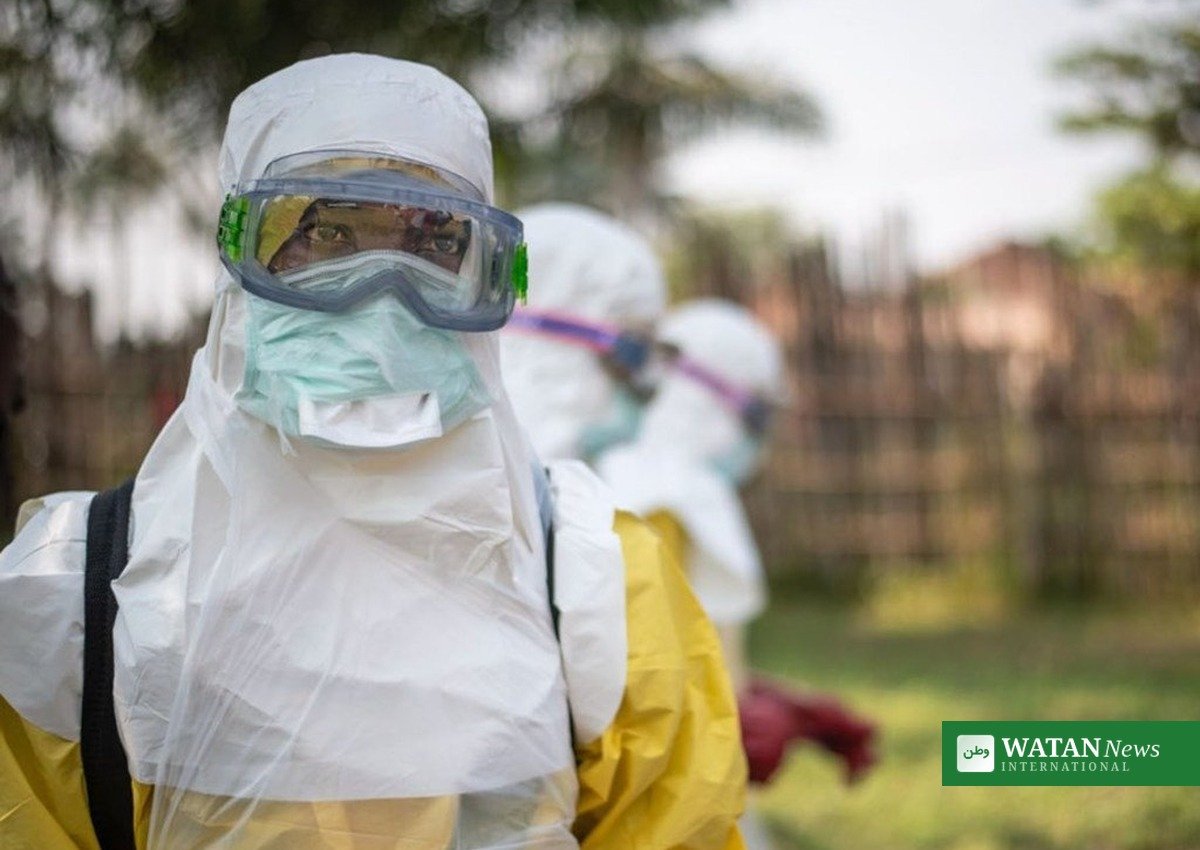
Nigeria confirmed its first Nigeria Ebola case on Tuesday after laboratory tests identified the virus in a woman in the capital, Abuja, who had recently travelled from Uganda. Health authorities have isolated the patient and launched contact tracing, making Nigeria the third African country this month to be drawn into the widening Bundibugyo Ebola outbreak.
Health Minister Muhammad Ali Pate told the public broadcaster NTA that the female patient had travelled from Uganda in East Africa. “She is in isolation, and she is receiving quality medical care. Contact tracing has been conducted, and it’s under way as we speak, with 44 contacts already identified,” Pate said.
Nigeria Ebola case: patient developed symptoms in early October
According to the Health Ministry, the woman began showing symptoms on October 7 and was admitted to a private hospital in Abuja on October 11, where she later tested positive for Ebola. She had received care at the hospital for several days before the diagnosis was confirmed.
Pate said in a statement: “Nigeria successfully contained Ebola in 2014, and we have the experience and public health systems to respond to this case.”
Asked for comment, Ugandan government spokesperson Alan Kasujja said: “There’s no Ebola in Uganda.” Uganda reported 20 cases in May and June, mostly imported from Congo, but was declared free of the virus by the World Health Organization in August.
The Nigeria Centre for Disease Control said two weeks ago it was stepping up surveillance following the detection of Ebola in Kenya and strengthening the country’s preparedness. Nigeria established an Ebola task force in June after the outbreak began in Congo in mid-May.
FAKTA: Nigeria Ebola case at a glance
- First confirmed case: A woman in Abuja who recently travelled from Uganda; symptoms began October 7, hospitalised October 11, confirmed positive October 20.
- Contact tracing: 44 contacts already identified and being followed by health authorities.
- Regional spread: Nigeria is the third country in the current wave — DR Congo declared the outbreak in mid-May, Kenya has since reported nine cases, all linked to a traveller from Congo.
- The strain: The rare Bundibugyo strain, now behind the world’s second-largest Ebola outbreak ever.
- Severity: Africa CDC director general Jean Kaseya warned of a fatality rate of nearly 50%, calling it an “extremely serious threat”.
- Nigeria’s readiness: A national Ebola task force was set up in June; surveillance was intensified after the Kenya cases.
Outbreak now the most geographically extensive on record
The current outbreak was declared in the Democratic Republic of Congo in mid-May and has grown into the world’s second-largest Ebola outbreak ever, driven by the rare Bundibugyo strain. This month it reached Kenya, where nine infections have been recorded, all linked to a person who had travelled from Congo.
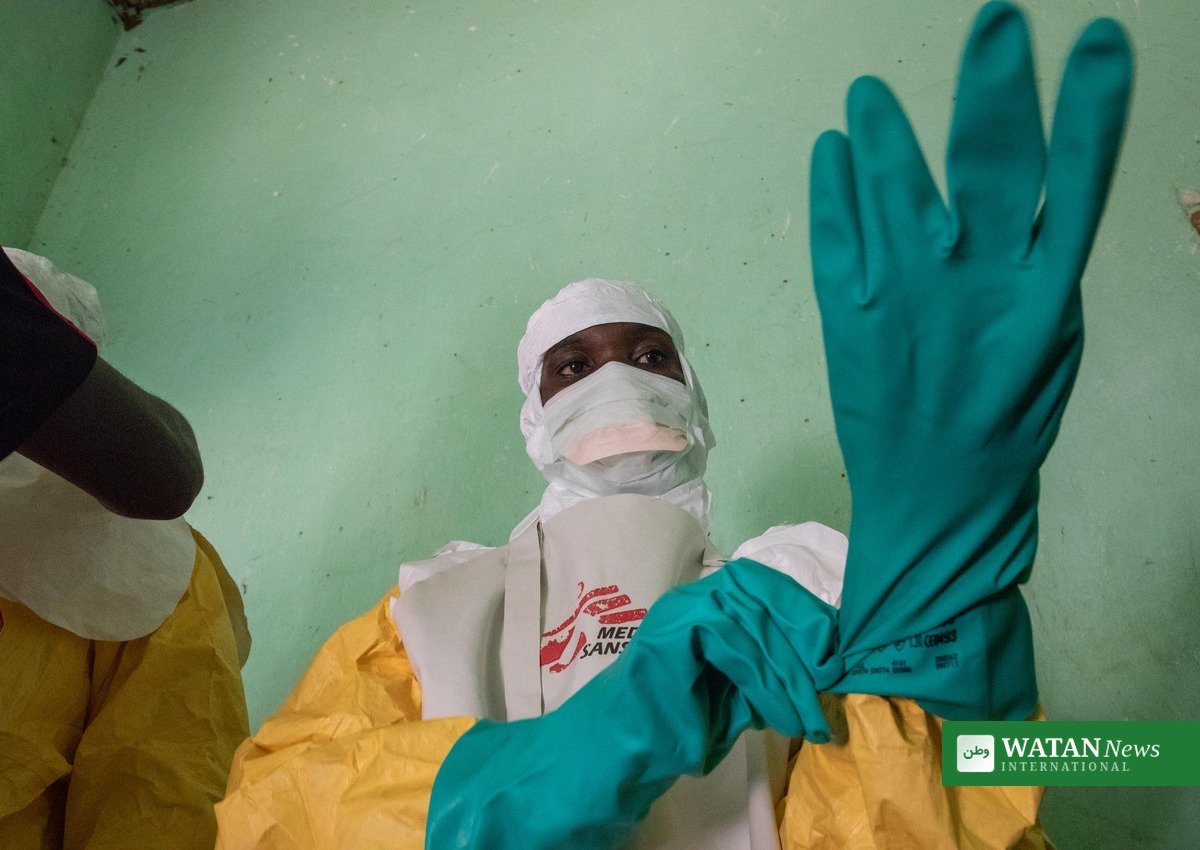
Africa’s top public health agency has started mobilising support for Nigeria. Its director general, Jean Kaseya, wrote on X: “This Bundibugyo Ebola outbreak has already become the most geographically extensive in history, affecting several countries spread across three regions of Africa.” He added: “We are facing an extremely serious threat,” noting a fatality rate of nearly 50% of cases.
The confirmation in Africa’s most populous country raises the stakes for the continent’s response. For more global health coverage, see Watan News World.
What happens next
Nigerian authorities say contact tracing is ongoing and all 44 identified contacts are being monitored. The patient remains in isolation in Abuja. With the outbreak now affecting Congo, Kenya and Nigeria, regional health agencies are expected to coordinate a wider containment effort in the coming days.
Author

usman2344913@gmail.com
Related Posts

TRUE v2 Launches: USGBC Updates Zero-Waste Certification for Global Impact
- 0
- 631 words
The U.S. Green Building Council (USGBC) has launched TRUE v2 zero waste certification, the next iteration of its TRUE (Total Resource Use...
Read out all
Kurum Tells Wealthy Nations: Spend Much More on COP31 Climate Spending Than on Defence
- 0
- 602 words
COP31 president-designate Murat Kurum has called on wealthy countries to spend “much more” on COP31 climate spending than on defence, warning that...
Read out all
Malaysia De-registers Main Opposition Coalition Perikatan Nasional Ahead of Key Elections
- 0
- 678 words
Malaysia’s Registrar of Societies (RoS) has cancelled the registration of Perikatan Nasional (PN), the country’s main opposition coalition, dealing a blow to...
Read out all
Rubio Says US-India Trade Deal Is ‘Very, Very Close’ After Mumbai Talks
- 0
- 890 words
US Secretary of State Marco Rubio said in Mumbai that a US India trade deal is "very, very close", with only a...
Read out all
Netflix Leadership Shakeup Deepens as Film Chief Dan Lin Exits Before Q3 Earnings
- 0
- 769 words
Netflix's leadership shakeup deepened as film chief Dan Lin exited days after content chief Bela Bajaria's departure, with 1,000 layoffs and third-quarter...
Read out all
WHO: Inequality Is a Major Factor in the Impact of Noncommunicable Diseases
- 0
- 751 words
Inequality is a major factor shaping who falls ill and who gets care from noncommunicable diseases, the World Health Organization says in...
Read out all