- 0
- 751 words
Inequality is a major factor shaping who falls ill and who gets care from noncommunicable diseases, the World Health Organization says in a new global report published on October 20, 2026. The WHO NCD inequality report — the most comprehensive global assessment of country-level inequalities in these diseases to date — finds that where people live, their income, gender and education determine their chances against conditions such as heart disease, cancer, diabetes and chronic respiratory disease.
FAKTA
- WHO published the report “State of inequality: noncommunicable diseases and their risk factors” on October 20, 2026 — its most comprehensive global assessment of country-level inequalities in NCDs to date.
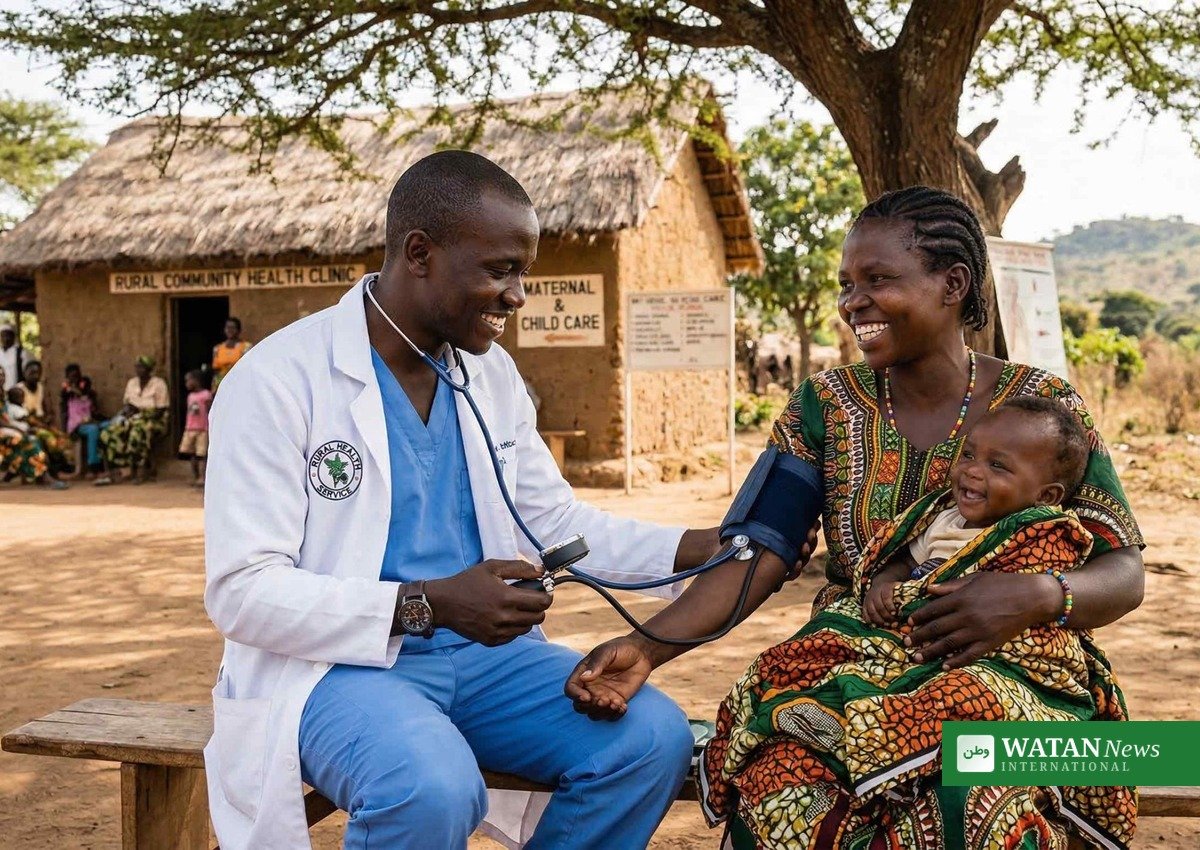
- People in rural areas have significantly more limited access to hypertension diagnosis and cancer screening.
- Men with hypertension are diagnosed and treated less frequently than women, even though they consume more tobacco and alcohol.
- Cervical cancer screening rates are very low among the poorest and least-educated women; obesity is more common among women, particularly in developing countries.
- WHO urged governments to raise health taxes on tobacco, alcohol and sugary drinks and to tailor subsidies and insurance for underserved communities.
The inequality gaps the report found
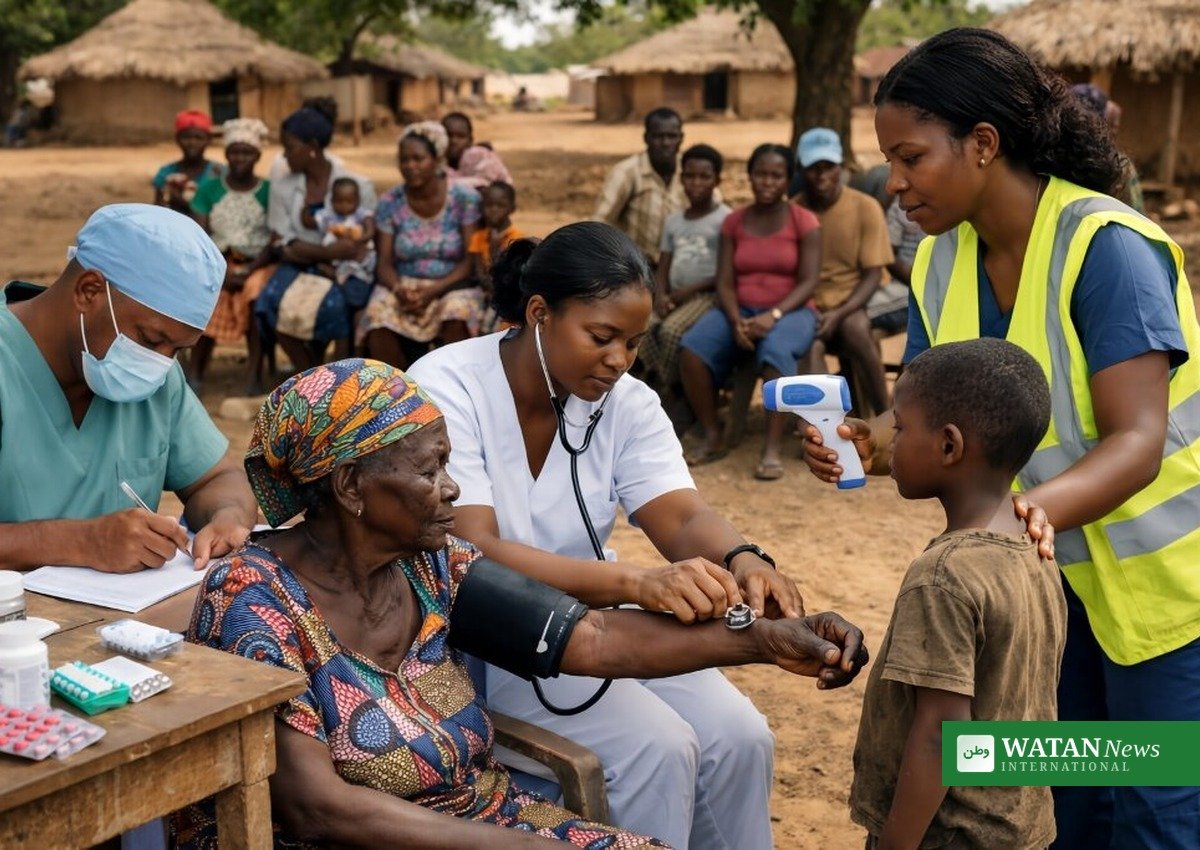
The report paints a consistent picture across countries. Looking at geography, rural residents face significantly more limited access to hypertension diagnosis and cancer screening than city dwellers. Gender and age also shape outcomes: men with high blood pressure are diagnosed and treated less often than women, despite higher tobacco and alcohol consumption among men. Conversely, obesity is more common among women, particularly in developing countries.
Education and income cut just as deep. Cervical cancer screening rates are very low among the poorest and least-educated women, while tobacco use remains higher among less-educated men than among more educated men. The study also confirmed that social marginalization, disability and migrant status are significant factors contributing to increased risk.
Four diseases, five risk factors
The assessment covers four major noncommunicable diseases and five major risk factors:
| Major NCDs covered | Major risk factors covered |
|---|---|
| Cancer | Tobacco use |
| Cardiovascular diseases | Alcohol use |
| Chronic respiratory diseases | Obesity and unhealthy diets |
| Diabetes | Insufficient physical activity |
| — | Air pollution |
What the WHO NCD inequality report recommends
Alongside the report, WHO published an advocacy brief, “The hidden inequalities behind noncommunicable diseases: from evidence to action,” drawing on the findings to recommend concrete steps. The UN health agency urged governments to raise health-related taxes on tobacco, alcohol and sugary drinks — measures it says are particularly effective among low-income populations.
Countries were also encouraged to tailor insurance schemes or subsidies for underserved communities and to incorporate inequality indicators into their national health systems, so that prevention and care reach the populations experiencing the greatest disadvantage. As countries work towards global NCD targets, WHO says, understanding who is most affected is critical for effective action.
Related Articles
- NCDs Now Cause Three-Quarters of Global Deaths as Life Expectancy Nears Pre-Pandemic Level, WHO Says
- Free Weekly Groceries Cut Blood Pressure and Weight Over Years, Study Finds
Conclusion
The new WHO report makes one thing clear: the fight against noncommunicable diseases is not just a medical challenge but a fairness challenge. Prevention and care that ignore inequality will keep missing the people who need them most.
FAQ
What is the new WHO report about?
“State of inequality: noncommunicable diseases and their risk factors,” published October 20, 2026, is WHO’s most comprehensive global assessment of inequalities in NCDs and their risk factors within countries.
Which diseases and risk factors does it cover?
Four major NCDs — cancer, cardiovascular diseases, chronic respiratory diseases and diabetes — and five risk factors: tobacco and alcohol use, obesity and unhealthy diets, insufficient physical activity and air pollution.
How does inequality show up in the findings?
Rural areas get less access to hypertension diagnosis and cancer screening; men with hypertension are treated less than women; cervical cancer screening is very low among the poorest, least-educated women; and marginalization, disability and migrant status raise risk.
What does WHO recommend governments do?
Raise health taxes on tobacco, alcohol and sugary drinks; tailor insurance schemes or subsidies for underserved communities; and build inequality indicators into national health systems.
Is there a companion document to the report?
Yes — an advocacy brief titled “The hidden inequalities behind noncommunicable diseases: from evidence to action,” which turns the report’s evidence into policy recommendations.
Author

usman2344913@gmail.com
Related Posts
Rubio Says US-India Trade Deal Is ‘Very, Very Close’ After Mumbai Talks
- 0
- 890 words
US Secretary of State Marco Rubio said in Mumbai that a US India trade deal is "very, very close", with only a...
Read out all
Netflix Leadership Shakeup Deepens as Film Chief Dan Lin Exits Before Q3 Earnings
- 0
- 769 words
Netflix's leadership shakeup deepened as film chief Dan Lin exited days after content chief Bela Bajaria's departure, with 1,000 layoffs and third-quarter...
Read out all
US Orders DeepSeek Purged From Government Systems as China Pushes Back
- 0
- 936 words
The United States has ordered civilian federal agencies to remove Chinese AI startup DeepSeek's products from their IT systems, citing national security...
Read out all
India’s Rice Production Set for First Decline in a Decade After Weak Monsoon
- 0
- 725 words
India's rice production is set to fall this year for the first time in a decade — and by the most in...
Read out all
Trump Open to Trilateral Summit With Putin and Xi on Ukraine War
- 0
- 1,096 word
Donald Trump says he is open to a trilateral Ukraine summit with Vladimir Putin and Xi Jinping, proposed by Putin for the...
Read out all
Spotify Removes 50 Million AI Slop Tracks From Recommendations
- 0
- 823 words
A listener browsing music on the Spotify app. The company says it has excluded more than 50 million AI-generated slop and spam...
Read out all