- 0
- 725 words
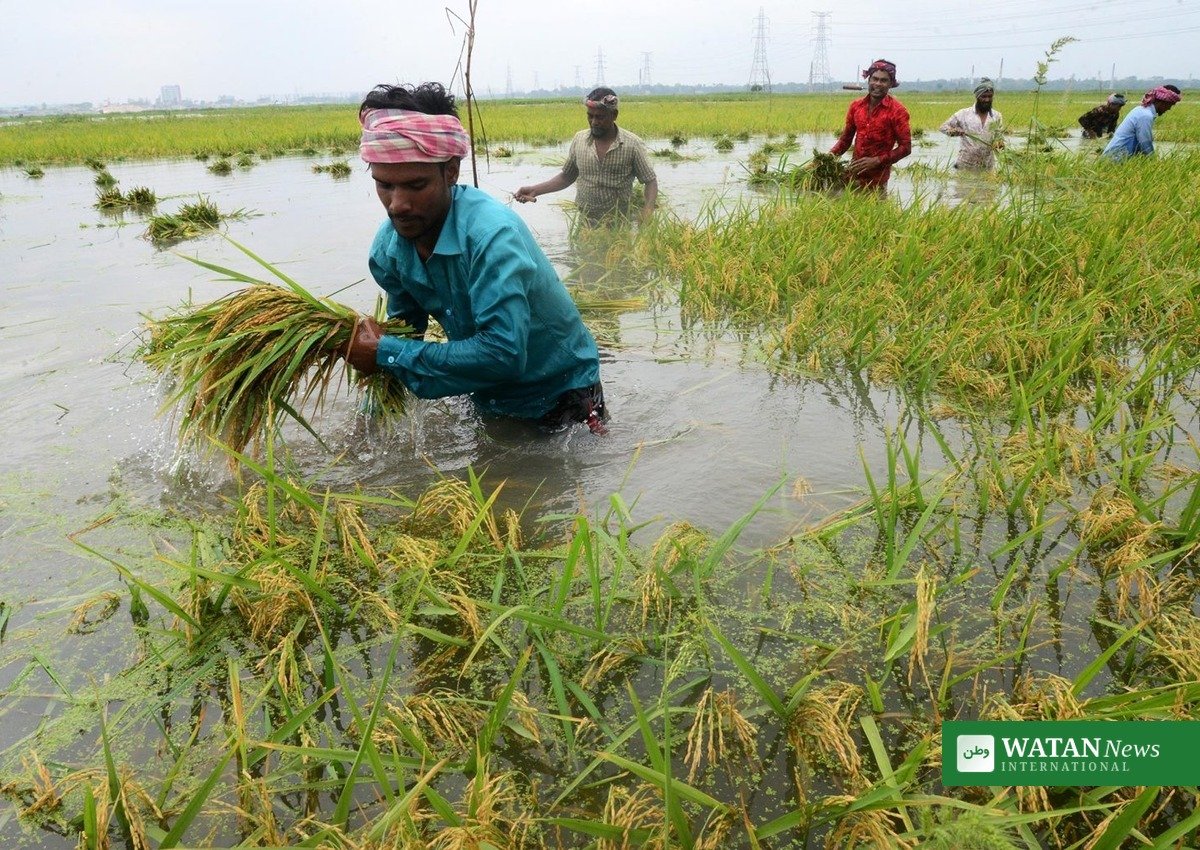
India’s rice production is set to fall this year for the first time in a decade — and by the most in nearly 20 years — as below-normal monsoon rainfall during the crop’s critical growth period threatens to cut yields, industry officials and analysts say. The India rice production decline marks a sharp reversal from last season’s record harvest and matters far beyond India’s borders: the country is the world’s biggest rice producer and exporter.
FAKTA
- Production could decline by around 10 million metric tons — nearly 6.5% — from last year’s record 154 million tons, industry officials told Reuters in September.
- That would be the biggest decline since the 2009/10 season, when an El Niño-induced drought curtailed output.
- India has received 15% lower rainfall than normal since the monsoon began on June 1, with deficits as high as 42% in some rice-growing states.
- Summer-sown rice area stood at 42.68 million hectares in mid-September, nearly 4% lower than a year earlier.
- Record government reserves of about 59.6 million tons are expected to cushion domestic supply and exports.
A weak monsoon at the worst possible time
The prolonged dry spell in recent weeks has significantly reduced yield potential in southern and eastern states, said B.V. Krishna Rao, president of the Rice Exporters Association, estimating the drop at around 10 million metric tons. “Yields will be lower due to reduced rainfall,” he said.
The U.S. Department of Agriculture also lowered its forecast for India’s 2026/27 rice crop in its September World Agricultural Supply and Demand Estimates report, describing it as the country’s first year-to-year reduction in rice production in 10 years. Summer-sown crops account for more than 80% of total production, and the area under winter-sown rice is also likely to fall as reservoirs hold less water than normal, said Nitin Gupta, deputy country head at Olam Agri India.
India rice: last season vs. this season
| Indicator | 2025/26 (record) | 2026/27 (estimate) |
|---|---|---|
| Production | 154 million tons | ~144 million tons |
| Year-over-year change | Record harvest | Down ~6.5% (first decline in a decade) |
| Monsoon rainfall | Normal | 15% below normal (up to 42% deficit in some states) |
| Summer rice area | ~44.5 million hectares | 42.68 million hectares (~4% lower) |
| Government reserves | Record | ~59.6 million tons |
Prices are already rising
Local rice prices have already started to rise on expectations of lower production. Indian rice export prices are holding near a more than one-year high: the 5% broken parboiled variety was quoted at $378 to $384 per ton in mid-October, while Thai 5% broken rice rose to $465–$468 on flooding concerns there, and Vietnamese prices have also firmed.
Record stocks cushion the blow
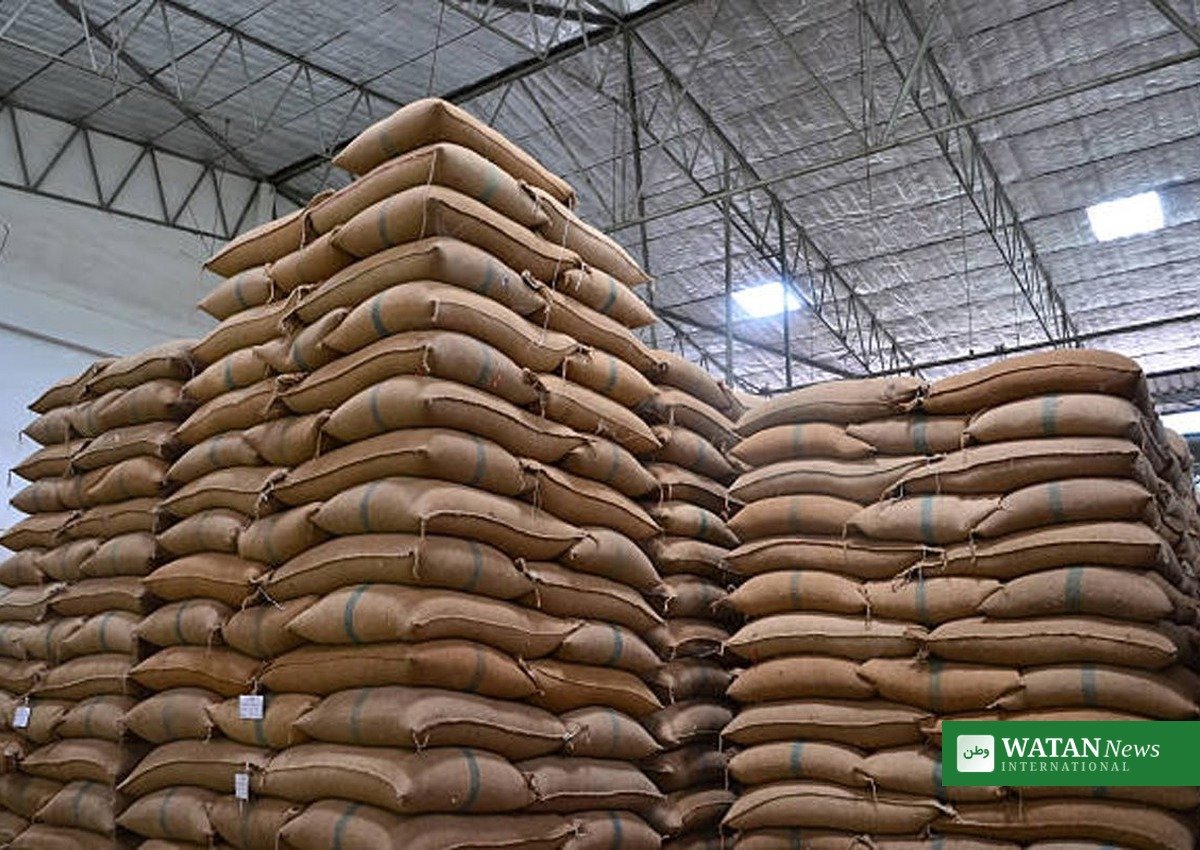
The reassuring part of the picture is inventories. Massive stockpiles built up from record harvests in recent years will allow New Delhi to maintain exports at record levels despite the lower output, analysts say. Even so, a weaker rupee is helping keep export prices steady as paddy costs rise, and any tightening of export policy on certain grades would firm global prices further.
Related Articles
Conclusion
India’s first rice production decline in a decade is a reminder of how exposed global food markets remain to a single country’s monsoon. Record reserves should prevent an export shock this time — but with the harvest not yet complete, the final numbers may still move.
FAQ
How much could India’s rice production decline?
Industry officials estimate production could fall by around 10 million metric tons — nearly 6.5% — from last year’s record 154 million tons.
Why is the harvest under pressure?
Below-normal monsoon rainfall during the crop’s maturation period, with a 15% national deficit and up to 42% shortfalls in some rice-growing states, plus lower planted area.
Will this disrupt rice exports?
Probably not this year: record government reserves of about 59.6 million tons are expected to let India maintain exports at record levels, though export prices have already risen.
When was the last decline this large?
A decline of this size would be the biggest since the 2009/10 season, when an El Niño-related drought cut production.
What does it mean for global rice prices?
Indian export prices are already near a more than one-year high, and prices are also rising in other exporting countries such as Thailand and Vietnam.
Author

usman2344913@gmail.com
Related Posts
Malaysia De-registers Main Opposition Coalition Perikatan Nasional Ahead of Key Elections
- 0
- 678 words
Malaysia’s Registrar of Societies (RoS) has cancelled the registration of Perikatan Nasional (PN), the country’s main opposition coalition, dealing a blow to...
Read out all
Rubio Says US-India Trade Deal Is ‘Very, Very Close’ After Mumbai Talks
- 0
- 890 words
US Secretary of State Marco Rubio said in Mumbai that a US India trade deal is "very, very close", with only a...
Read out all
Netflix Leadership Shakeup Deepens as Film Chief Dan Lin Exits Before Q3 Earnings
- 0
- 769 words
Netflix's leadership shakeup deepened as film chief Dan Lin exited days after content chief Bela Bajaria's departure, with 1,000 layoffs and third-quarter...
Read out all
WHO: Inequality Is a Major Factor in the Impact of Noncommunicable Diseases
- 0
- 751 words
Inequality is a major factor shaping who falls ill and who gets care from noncommunicable diseases, the World Health Organization says in...
Read out all
US Orders DeepSeek Purged From Government Systems as China Pushes Back
- 0
- 936 words
The United States has ordered civilian federal agencies to remove Chinese AI startup DeepSeek's products from their IT systems, citing national security...
Read out all
Trump Open to Trilateral Summit With Putin and Xi on Ukraine War
- 0
- 1,096 word
Donald Trump says he is open to a trilateral Ukraine summit with Vladimir Putin and Xi Jinping, proposed by Putin for the...
Read out all