- 0
- 1,026 word
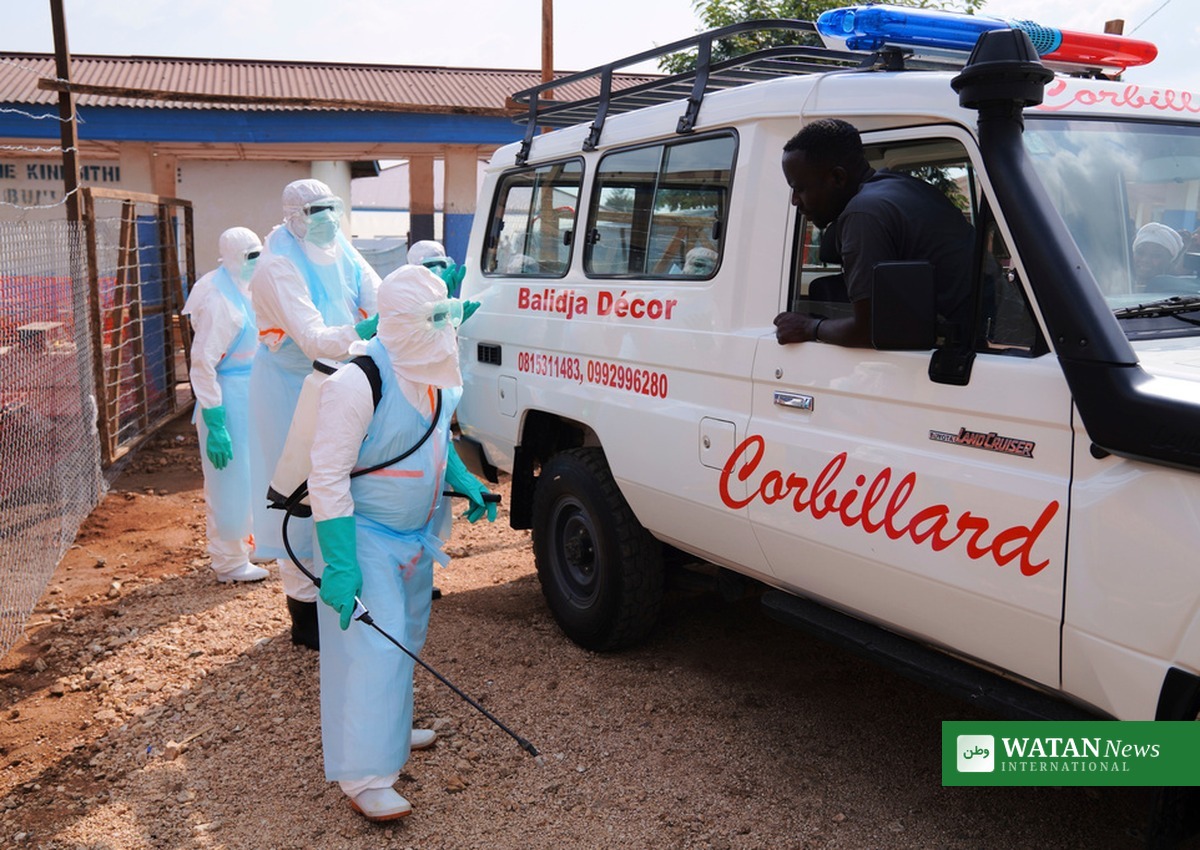
Bunia, DR Congo – A Reuters investigation published on Monday has revealed that the Ebola outbreak in the Democratic Republic of Congo has killed far more people than official figures show, with rows of fresh graves in the epicentre city of Bunia pointing to a Congo Ebola death toll far above the recorded count.
More than 11,500 people have been infected and over 5,500 have died since the outbreak was formally declared on 15 May, according to official figures. But a Reuters analysis of satellite imagery of cemeteries in Bunia and in Mongbwalu, the gold-mining town where the outbreak is believed to have begun, found far more new graves dug in 2026 than the official death tallies can explain.
FAKTA
- Outbreak declared: 15 May 2026, in Ituri province, eastern DR Congo
- Official toll: more than 11,500 infections and over 5,500 deaths
- Bunia excess deaths: more than 1,000 by early November, over 50% above the official Ebola tally of 707
- WHO estimate: in July the agency said the outbreak was two to four times larger than reported data suggested
- Strain: the rare Bundibugyo form of Ebola, for which there is no approved vaccine or specific treatment
- Status: Africa CDC said on 5 November that the outbreak was not yet under control, six months on
What the graves show about the Congo Ebola death toll
At Nyamurongo, the largest cemetery in Bunia, gravedigger Salomon Mugisa told Reuters that burials rose from two or three a day at the start of the year to 5, 10 and then 15 a day as the epidemic spread through the city from late April. When Reuters visited in July, Mugisa said about 600 people had been buried there since the surge began — yet health authorities had recorded fewer than 200 Ebola deaths in the whole of Bunia at that time.
The satellite analysis found the same pattern at Bunia’s two other main cemeteries. By late June the city had seen more than 580 excess deaths — seven times the official toll at that point. By September the figure had risen to about 950, double the official tally, and by early November excess deaths in Bunia had passed 1,000, remaining more than 50% higher than the recorded Ebola toll of 707.
At Nyamurongo, an average of 2.4 new graves were dug each day in the year before the outbreak. In June that rate rose to more than nine a day, and it had fallen back to 4.5 a day by early November.
Mongbwalu showed a similar pattern. By August, excess deaths there alone were 25% higher than the official Ebola toll for the town and its surrounding villages, and cemetery workers and officials identified several hundred further graves across seven other cemeteries which they said belonged to Ebola victims. Reuters said its estimate was likely conservative, as it did not capture smaller burial sites.
Detected late in the gold-mining town
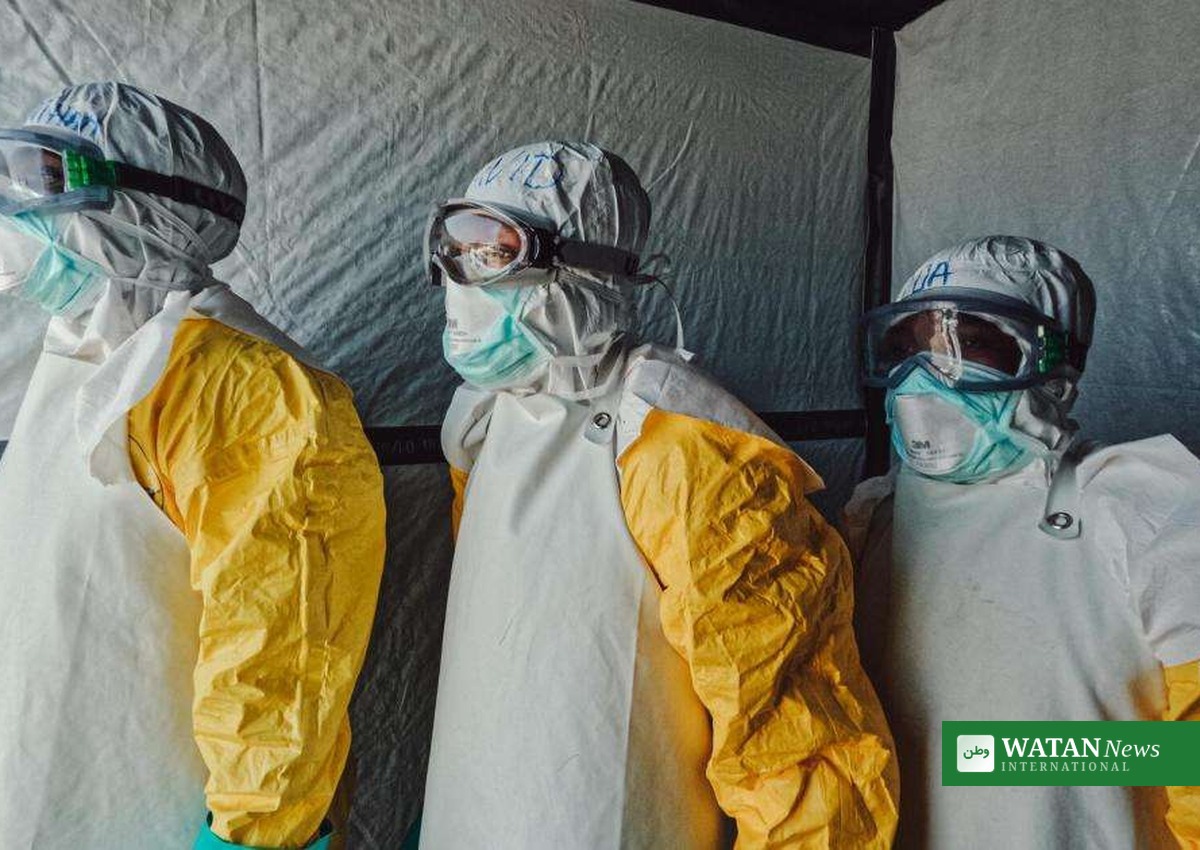
The outbreak is believed to have begun in Mongbwalu, where the flood of patients in early May overwhelmed health workers. Patients arrived with symptoms that looked like malaria or typhoid fever, then deteriorated rapidly and died. “We knew there was a problem, but we didn’t know what it was,” said Richard Lokudu, head doctor at Mongbwalu hospital.
Samples were first tested for the wrong species of Ebola, and it was not until mid-May that results came back positive for Bundibugyo. By the time officials formally declared the outbreak, local health authorities had already recorded 100 unexplained deaths in the town in the preceding six weeks, many with symptoms associated with Ebola, according to a health ministry situation report obtained by Reuters. Many of those patients were buried without ever being tested, the town’s civil registrar said.
Jean-Jacques Muyembe, head of Congo’s National Institute for Biomedical Research, said an early gap between recorded Ebola deaths and the true toll was “logical” because the outbreak was detected late. He cautioned that estimates based on excess mortality should be confirmed by inquiries into the precise causes of death.
Fear also kept people away from health facilities. “Many people were scared to go to health facilities because they saw people going there and dying,” said Faustin Ngabu Belo, a local official in Mongbwalu. Others turned to traditional healers.
Outbreak still not under control
The findings are consistent with estimates from the World Health Organization, which suggested in July that the outbreak was two to four times larger than available data suggested. “We continue to find evidence that a proportion of cases and deaths were never detected,” said Olivier Le Polain, head of epidemiology and analytics at WHO’s Health Emergencies Programme.
Yap Boum, head of emergency preparedness and response at the Africa Centres for Disease Control and Prevention, said the findings were broadly plausible, noting that excess mortality is often highest early in an outbreak, before testing and surveillance systems are fully in place.
Data presented by Africa CDC on 5 November suggests detection remains weak and the outbreak is not yet under control. More than 60% of Ebola deaths were still occurring outside health facilities, and fewer than 15% of new confirmed cases came from known contact lists, suggesting many chains of transmission remain unidentified.
Not all excess deaths can be directly attributed to Ebola, Reuters noted, and could include indirect effects of the outbreak, such as people with other illnesses who avoided hospitals for fear of infection. Congo’s health ministry did not respond to requests for comment on the analysis.
Fighting disrupts the response
The response is also under strain from fighting. The WHO chief, Tedros Adhanom Ghebreyesus, said on Sunday that heavy fighting near a hospital in Ituri province, close to where the outbreak first emerged, had disrupted Ebola response efforts and forced health workers and aid partners to shelter inside a maternity ward for more than 24 hours. He said attacks across eastern Congo had increased since late October.
Health ministry figures reported last week show the outbreak is the deadliest in the country’s history, with children accounting for more than a third of deaths.
With surveillance still patchy and much of the true toll uncounted, health officials warn that the scale of the disaster in eastern Congo is only now coming into view.
Author

usmanch0013@gmail.com
Related Posts
COP31 forest fund reaches $8.3 billion — but $1.7 billion short of its launch target
- 0
- 1,273 word
The Tropical Forest Forever Facility raised $8.3 billion at COP31, but with $1.7 billion still to find before 31 December, Norway's $3...
Read out all
Philadelphia Council Advances Zero-Waste Bill Targeting 60% Trash Diversion by 2046
- 0
- 1,016 word
Philadelphia City Council's Commerce Committee has unanimously advanced the Zero Waste and Circular Economy Act, requiring the city to divert 60% of...
Read out all
Guinea-Bissau Elections Delayed Until 2028 as Military Government Extends Rule
- 0
- 434 words
Guinea-Bissau's military government has postponed presidential and legislative elections due in December by roughly two years, until November 2028, extending the transition...
Read out all
World’s Best Destinations for 2027: From Santorini to Samarkand
- 0
- 1,685 word
Lonely Planet and National Geographic have named the world's best destinations for 2027, from the Veneto and the California redwoods to Chengdu,...
Read out all
1.3 Million New Yorkers Rely on Food Pantries as Hardship Bites
- 0
- 1,047 word
Nearly 1.3 million New Yorkers used food pantries in 2025 and 2.6 million experienced food hardship, a Robin Hood and Columbia University...
Read out all
Luxury Market Returns to Growth in 2026 as Jewellery Shines
- 0
- 986 words
Bain & Company expects personal luxury goods sales to return to growth in 2026, rising about 2 per cent to 367 billion...
Read out all