- 0
- 1,425 word
Antalya, Türkiye — The COP31 climate summit ended on Sunday, 22 November 2026, without a final deal, after nearly 200 countries failed to agree on a text that made no mention of fossil fuels. One of the casualties was the summit’s big energy goal for households: raising electricity’s share of final energy use to 35 percent by 2035, from about 22 percent today.
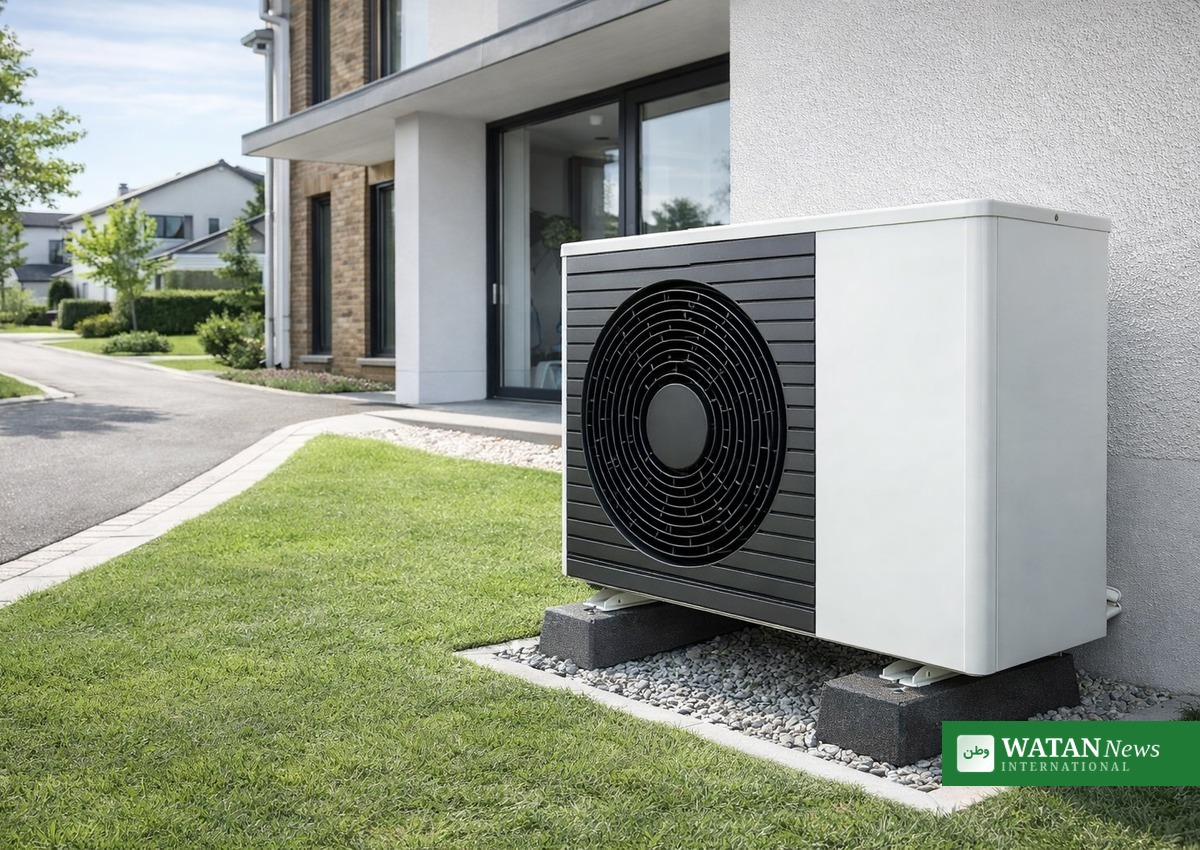
Yet outside the negotiating rooms, the electric home is moving anyway. Heat pumps are selling at record pace in Europe and the United States, rooftop solar is setting records, and petrol-only cars have fallen below half of global new-car sales for the first time. The transition COP31 could not agree in words is already happening in homes.
FAKTA
- What happened: COP31 ended on Sunday, 22 November 2026, in Antalya with no final deal adopted, after the European Union formally rejected a draft text with no mention of fossil fuels.
- The lost goal: The draft aimed to raise electricity’s share of final energy use to 35 percent by 2035, from about 22 percent today.
- Backing: More than 70 countries supported the 35 percent electrification goal, according to the World Resources Institute.
- Europe: 1,163,000 residential heat pumps sold in the first half of 2026 across 12 countries, up 11 percent on a year earlier.
- United States: 2,156,549 heat pumps shipped in January–June 2026, up 3.8 percent, with gas furnace shipments falling 6.2 percent.
- Cars: Petrol-only cars made up 49 percent of global new-car sales in the first half of 2026 — the first time below half.
What COP31 left on the table
COP31 President Murat Kurum told the closing plenary that there was no consensus on the final draft, so the decisions were not adopted — read our coverage of the COP31 talks collapse. The summit, which had already run two days past its scheduled close on 20 November, became the longest climate summit in history.
Along with the fossil-fuel language, the unadopted text carried the 35 percent electrification goal — a target the presidency had promoted as the summit’s signature energy ambition. The World Resources Institute said the push to accelerate electrification by 35 percent had backing from more than 70 countries, but was marred by its exclusion from a negotiated outcome, like everything else in the text. The draft also dropped a proposed target of $120 billion a year in adaptation finance by 2035, naming no dollar figure at all.
Ani Dasgupta, president and chief executive of the World Resources Institute, called the outcome “a failure of political leadership, not a failure of the Paris Agreement”. The work now passes to the Antalya-to-Addis Ababa Roadmap, which is to map predictable finance for adaptation and loss and damage ahead of COP32 in Addis Ababa, Ethiopia, in November 2027.
Heat pumps: Europe’s recovery, America’s resilience
In Europe, residential heat pump sales are recovering strongly. The European Heat Pump Association reports that 1,163,000 residential heat pumps were sold in the first six months of 2026 across 12 countries — Austria, Belgium, Switzerland, Denmark, Finland, France, Germany, Italy, the Netherlands, Norway, Portugal and Sweden — up 11 percent from 1,048,000 in the same period of 2025. Sales had already rebounded in 2025, rising 13 percent to 2.9 million units across 21 countries, with about 29.3 million heat pumps installed in Europe by the end of that year. Higher gas and oil prices and cuts to electricity taxes in some countries helped drive the recovery, according to The Guardian’s reporting of the association’s figures.
In the United States, the picture is similar. Data from the Air-Conditioning, Heating, and Refrigeration Institute show 2,156,549 heat pumps shipped in the first half of 2026, up 3.8 percent on a year earlier, while gas furnace shipments fell 6.2 percent. Through September, heat pump shipments reached 3,211,075, up 6.4 percent. In the first quarter of 2026, heat pumps outsold gas furnaces by 32 percent, according to the Building Decarbonization Coalition. Sales held up even though the federal tax credit of up to $2,000 for heat pumps ended on 31 December 2025. According to Rewiring America, the average American household saves about $370 a year with a heat pump, and up to $1,000 a year when replacing an old, inefficient system.
Petrol-only cars fall below half of new sales
For the first time, buyers worldwide are choosing more hybrid and electric cars than petrol-only cars. Data from Mobility Global, first reported by Nikkei, show petrol-only vehicles made up 49 percent of global new-car sales in the first half of 2026, down from 73 percent in 2021 and 52 percent a year earlier. Battery-electric vehicles grew 12 percent to 6.87 million units, taking 17 percent of the market, while conventional hybrids grew 10 percent to 7.27 million units, or 18 percent. Petrol-only sales fell fastest in China, down 26 percent, and in Europe, down 13 percent.
The milestone comes with an honest caveat: hybrids outsold battery-electric cars, and only the 17 percent that are battery-electric burn no fuel at all. About 83 percent of new cars sold worldwide in the first half of 2026 still had an engine. But the direction is clear — the petrol-only car, which dominated for a century, is now a minority of new sales.
What it means at home
The home is where electrification actually happens. A heat pump replaces a gas boiler for heating and cooling; rooftop solar generates the electricity it runs on; and a home charger turns an electric car into a vehicle that is fuelled overnight, at home, instead of at a petrol station.
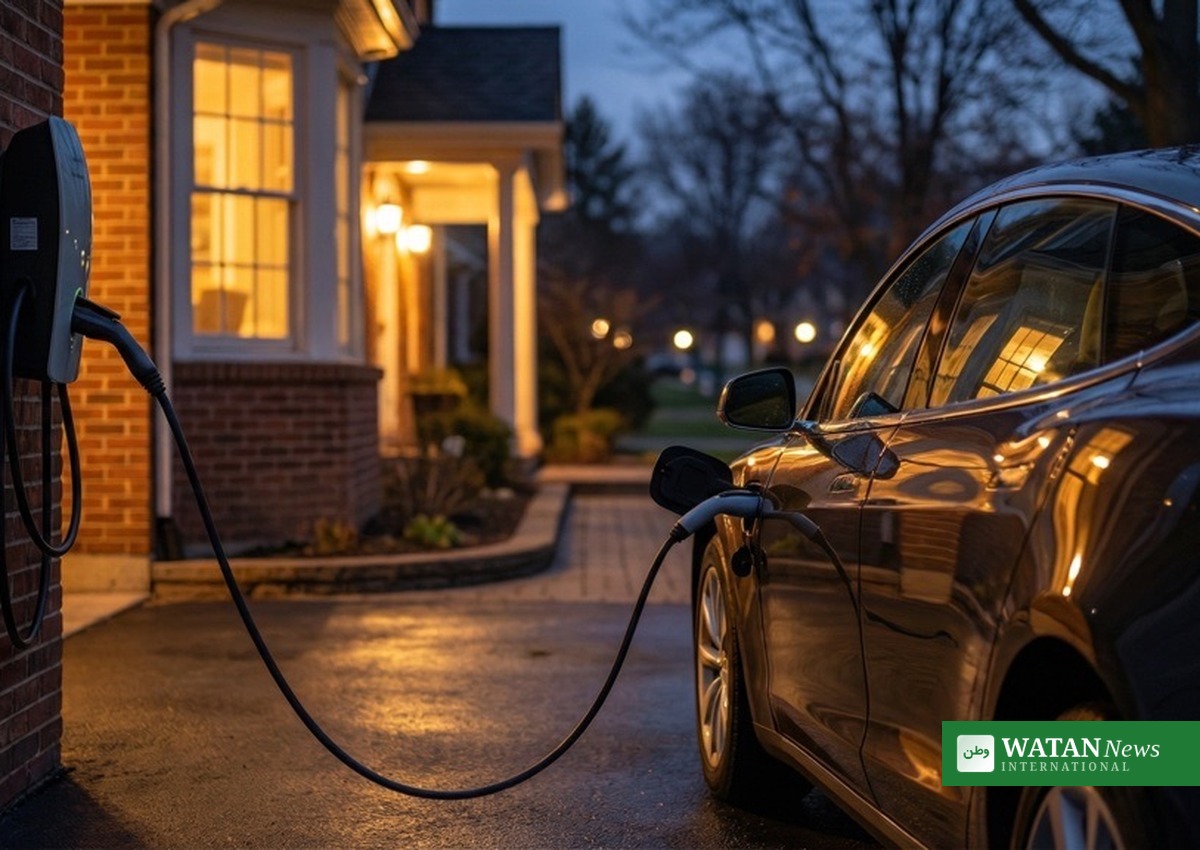
An electric car charging at home at dusk. For most electric car owners, home is where charging happens — and where the COP31 electrification goal is already taking shape.
The records back that up. In the UK, 269,239 solar installations were certified in 2026 so far, beating the whole of 2025’s record with six weeks of the year still to go — read our coverage of the UK rooftop solar record. In New York State, $7.5 million was awarded on 16 November 2026 to eight projects developing nature-based building solutions, including passive cooling and carbon-negative building materials, with a focus on communities most exposed to extreme heat. And buildings account for about 40 percent of energy-related carbon dioxide emissions, according to UNEP — which is why the COP31 presidency’s Antalya Compact for energy-efficient buildings aims to cut the energy intensity of the world’s buildings by at least 25 percent by 2035 — read our coverage of the Antalya Compact.
What happens next
With no COP31 deal, the electrification goal has no formal standing. But the roadmap agreed in Antalya — the Antalya-to-Addis Ababa Roadmap, co-led by Türkiye and COP32 host Ethiopia — is tasked with mapping predictable finance sources for adaptation and loss and damage before COP32 in November 2027. The World Resources Institute noted that the failure in Antalya stands in stark contrast to the momentum transforming the global energy landscape, from booming clean energy investments to a growing number of countries developing plans to transition away from fossil fuels.
For households, the message of the week is simpler: the summit ended, but the machines did not stop selling. The electric home is no longer a promise in a negotiating text. It is a heat pump on the wall, panels on the roof and a charger on the driveway — and in 2026, more people are buying them than ever before.
Frequently asked questions
What was the 35-by-35 electrification goal?
It was the COP31 presidency’s proposal to raise electricity’s share of final energy use to 35 percent by 2035, from about 22 percent today. It was in the draft cover decision but died with the text, which was not adopted on 22 November 2026.
Did COP31 agree anything on electrification?
No. Because the cover decision was not adopted, the electrification goal has no formal standing. More than 70 countries had backed it, according to the World Resources Institute, but the text was rejected over its silence on fossil fuels. Technical decisions on carbon markets under Article 6 of the Paris Agreement were adopted on Friday evening.
How fast are heat pumps selling?
In Europe, 1,163,000 residential heat pumps were sold in the first half of 2026 across 12 countries, up 11 percent on a year earlier. In the United States, 2,156,549 heat pumps shipped in the same period, up 3.8 percent, and 3,211,075 through September, up 6.4 percent.
Have petrol cars really fallen below half of new car sales?
Yes — for the first time. Petrol-only vehicles were 49 percent of global new-car sales in the first half of 2026, according to Mobility Global data first reported by Nikkei, down from 73 percent in 2021. Battery-electric cars took 17 percent and conventional hybrids 18 percent.
What can a household do now?
The steps the article describes are the ones the market is already taking: replacing a gas boiler with a heat pump, adding rooftop solar, and charging an electric car at home. In the United States, heat pumps kept selling even after the federal tax credit ended, and the average household saves about $370 a year with one, according to Rewiring America.
Author

usmanch0013@gmail.com
Related Posts
COP31 endte uden aftale — men det elektriske hjem bevæger sig videre
- 0
- 1,464 word
COP31 sluttede uden en endelig aftale den 22. november 2026, og målet om at hæve elektricitetens andel af det endelige energiforbrug til...
Read out all
کاپ31 بغیر معاہدے کے ختم — مگر بجلی والا گھر آگے بڑھ رہا ہے
کاپ31 22 نومبر 2026 کو بغیر حتمی معاہدے کے ختم ہوا، اور 2035 تک حتمی توانائی میں بجلی کا حصہ 35 فیصد...
Read out all
Adani vinder 1.750 MW døgnkontrakt på vedvarende energi til Vestbengalen
- 0
- 1,203 word
Adani Energy Solutions' datterselskab Powerpulse har vundet en kontrakt på 1.750 MW vedvarende energi døgnet rundt til Vestbengalen, med en option på...
Read out all
اڈانی انرجی کو مغربی بنگال کے لیے 1750 میگاواٹ چوبیس گھنٹے قابل تجدید بجلی کا معاہدہ مل گیا
اڈانی انرجی سولیوشنز کی ذیلی کمپنی پاور پلس ٹریڈنگ سولیوشنز کو مغربی بنگال کے لیے 1750 میگاواٹ چوبیس گھنٹے قابل تجدید بجلی...
Read out all
Adani Energy Wins 1,750 MW Round-the-Clock Renewable Deal for West Bengal
- 0
- 1,226 word
Adani Energy Solutions' subsidiary Powerpulse has won a 1,750 MW round-the-clock renewable power contract for West Bengal, with a 750 MW option...
Read out all
Verstappen Wins Thrilling Las Vegas Grand Prix Ahead of Norris and Piastri
- 0
- 709 words
Max Verstappen won a breathless Las Vegas Grand Prix on Saturday night, holding off Lando Norris by 0.639 seconds after 50 laps...
Read out all