- 0
- 1,729 word
Antalya, 12 November 2026 — The COP31 Climate High-Level Champion has launched a global challenge to cut food waste, turning the one billion meals thrown away every day into a call to action. Samed Ağırbaş, the champion appointed by the COP31 Presidency of Türkiye, launched the #OneBillion Challenge at COP31 in Antalya on 10 November, with the Zero Waste Foundation behind it.
The campaign aims to halve food waste by 2030. It calls on households, businesses, cities, organisations and communities to act — to prevent waste, share surplus food, measure what they save and learn from each other. The challenge was in the spotlight again on 12 November as more than 100 world leaders gathered in Antalya for the COP31 Leaders’ Summit.
Key facts
- What: The #OneBillion Challenge, launched by COP31 Climate High-Level Champion Samed Ağırbaş at COP31 in Antalya.
- When: Launched on 10 November 2026; highlighted at the COP31 Leaders’ Summit on 12 November.
- Goal: Halve food waste by 2030, starting from the one billion meals wasted every day.
- Who takes part: Households, businesses, cities, organisations and communities, supported by the Zero Waste Foundation.
- Why it matters: Food loss and waste cause 8–10% of global greenhouse gas emissions.
What the challenge asks the world to do
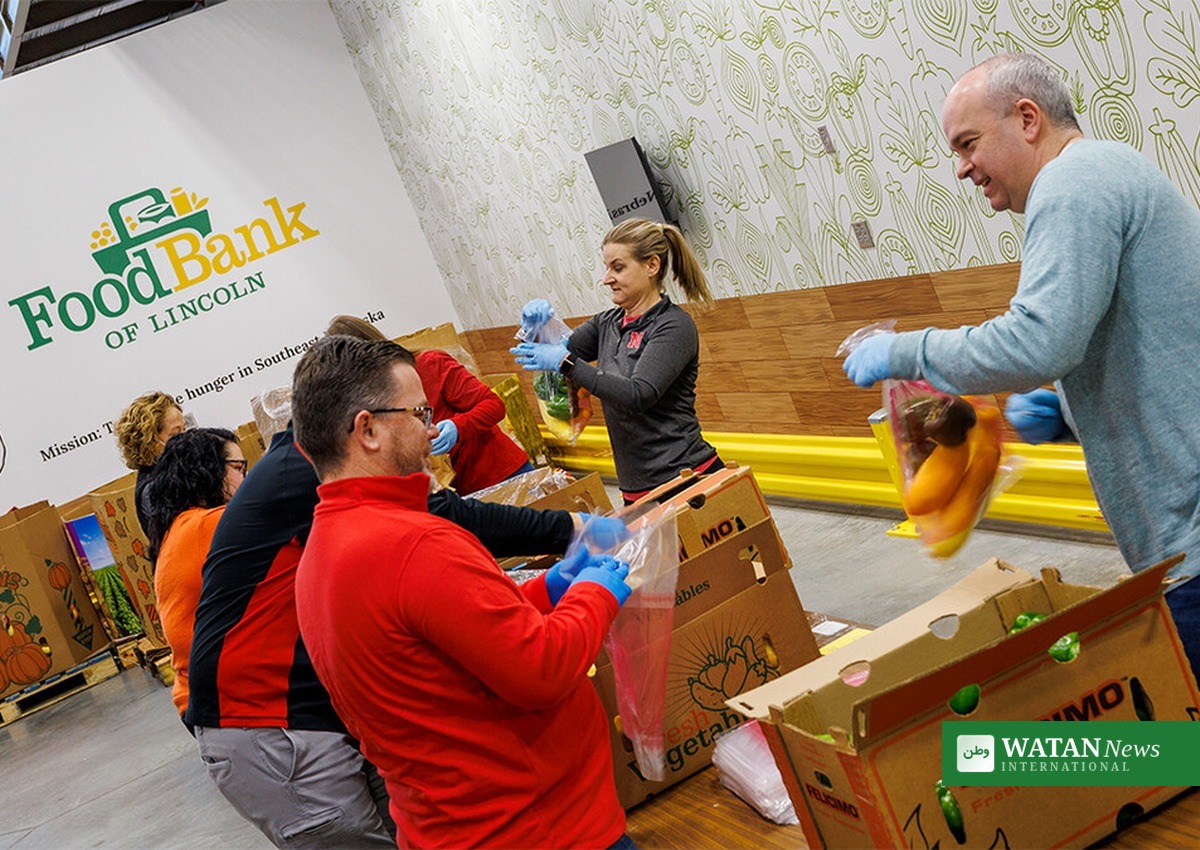
The challenge is built around four steps: prevent waste before it happens, redistribute surplus food that is still good to eat, measure the impact of what is done, and recover the organic material that cannot be avoided through circular solutions such as composting. The launch event, titled “Rethink Food. Reduce Waste.”, brought together the people and organisations working on food waste at COP31 to mobilise action, showcase solutions and share results and lessons learned.
Malaysia’s Housing and Local Government Minister Nga Kor Ming spoke at the launch, calling for greater public participation in waste management and pointing to Malaysia’s Separation at Source initiative. He said Malaysian families and communities collected more than 27,600 kilogrammes of used cooking oil in a single day last year — a national record — showing how everyday household waste can be turned into valuable resources, including sustainable aviation fuel and green energy. Malaysia is also running pilot Zero Waste District initiatives in KLCC and Penang under its Circular Economy Blueprint 2025–2035.
Why food waste is a climate problem
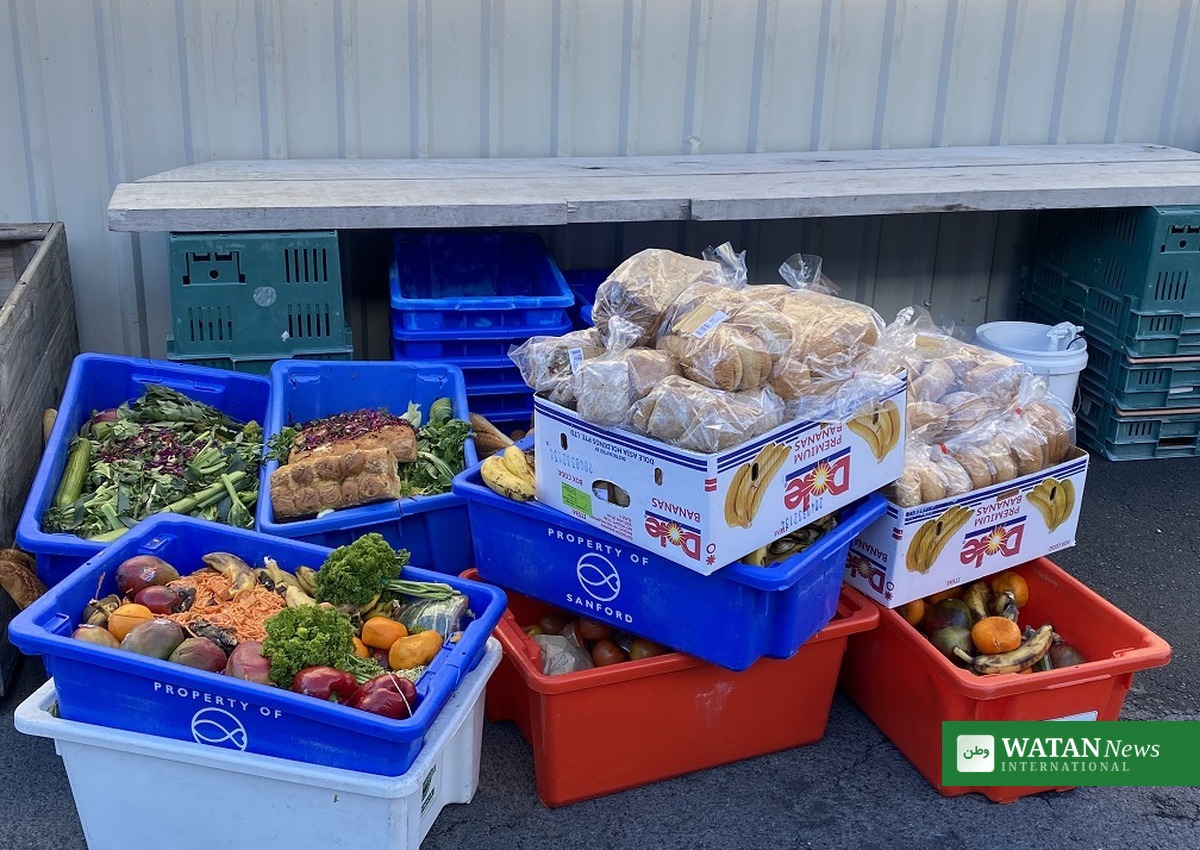
More than one billion tonnes of food is lost or wasted around the world every year, contributing around 8–10% of global greenhouse gas emissions and costing the global economy about US$1 trillion a year, according to WRAP, the global environmental NGO. When food rots in landfill it releases methane, a greenhouse gas that traps 86 times more heat than carbon dioxide over 20 years, according to the Climate and Clean Air Coalition.
The waste sector accounts for around 20% of human-caused methane emissions, and agriculture for about 42%. Under current policies, global methane emissions are on track to be about 5% higher in 2030 than in 2020. Municipal waste, meanwhile, could rise from 2.56 billion tonnes in 2022 to 3.86 billion tonnes by 2050, according to the World Bank. The COP31 Presidency has set a target of cutting the projected growth in global municipal solid waste generation by at least 50% by 2035 and raising the global circular material use rate to at least 15%.
Twenty Zero Waste Districts join the push
On 11 November, the first cohort of 20 Zero Waste Districts was announced under the Istanbul Zero Waste Action Platform, which Ağırbaş launched earlier this year. The districts are spread across Latin America and the Caribbean, Africa and Asia, and include Pakis District in East Java, Indonesia; Abuakwa South in Kyebi, Ghana; and Bey District in Gaziantep, Türkiye.
Each district covers about one square kilometre and will run proven solutions for a full year — compost sites, shared washing facilities and repair workshops — then report its results using the same metrics, building evidence for public policy. The goal is a second cohort of 100 districts within five years.
“Cities are where climate action must deliver results,” said Ağırbaş. “These districts will deliver measurable climate benefits and, more importantly, create practical models that other cities worldwide can replicate and scale.”
The districts sit inside the No Organic Waste (NOW) plan, whose central goals are to keep organic waste out of landfills, redirect edible surplus food to people who need it, and foster circularity. One of its flagship initiatives, Lowering Methane Emissions from Organic Waste (LOW-M), brings together 35 organisations supporting 20 cities to cut methane from food and organic waste, and aims to reach 40 cities by 2030. Since COP30 in Belém, five more cities, including Accra and Nairobi, have completed expert-backed plans setting out their priority actions, and six cities have now costed their priorities. Mexico City aims to reduce food waste by 30% and to treat at least 30% of its organic waste by 2030.
Waste pickers and farmers show what works
A third part of the plan recognises the people who already do much of the world’s recycling. Waste pickers collect almost 60% of all plastic collected worldwide, according to UNEP. Fair Ton’s new 1×100 campaign aims to reach 100,000 waste pickers worldwide and recover one million tonnes of waste in 400 days, tracking results as it goes. The project has already placed greenhouse-gas calculators with 53 waste-picker organisations in 12 countries; each organisation is net-negative and avoids on average 3,639 tonnes of carbon dioxide equivalent a year. The goal is to reach 500,000 waste pickers across 49 countries.
“Before, when people asked me what my contribution was, I would say 40 years of working on the streets. Now I can put a number to it,” said Soledad Mella of the Global Alliance of Waste Pickers.
Farmers are cutting methane too. In 2022, Danone committed to cutting methane from the fresh milk in its dairy products by 30% by 2030 — the first food and agriculture company to set a methane-specific target. Four years early, it is at 29.8%. Its Jornada Flora programme covers 151 supplier farms, which deliver about 65% of the company’s milk in Brazil; since 2021, participating farms have cut the methane emitted per litre of milk by 42%, while their net margins per cow rose 50% between 2020 and 2024. Across the Dairy Methane Action Alliance, ten companies representing 31% of the United States dairy market and 10% of the European Union’s have disclosed methane emissions for at least one year; nine have published dairy methane action plans, and the companies cut their methane emissions by a net 192,046 tonnes of carbon dioxide equivalent between 2024 and 2025.
The push is backed by governments and NGOs as well. A COP31 Declaration on Reducing Food Loss and Waste for Climate Action, Food Security and Resilient Food Systems was launched at the summit and is open to country endorsements ahead of COP32. A coalition of global food-waste organisations — including the Global FoodBanking Network, the World Resources Institute, the Global Methane Hub, WWF, WRAP, the Academy of Global Food Economics and Policy, ReFED and Ambition Loop — is calling on the COP31 Presidency to turn existing commitments on food loss and waste into funded policy. WRAP’s Food Pact Network, which connects more than 920 organisations across ten national and regional food pacts, has prevented 220,000 tonnes of food from going to waste and redistributed 2.7 million tonnes of surplus food — the equivalent of seven billion meals — avoiding 680,000 tonnes of carbon dioxide equivalent.
Who is behind the challenge
Ağırbaş is president of the Zero Waste Foundation in Türkiye and was appointed COP31 Climate High-Level Champion in January 2026 by COP31 President-Designate Murat Kurum. The Climate High-Level Champions mobilise ambitious climate action from businesses, cities, regions and financial institutions to support governments in achieving the goals of the Paris Agreement. Ağırbaş leads the Global Climate Action Agenda and the Marrakech Partnership for Global Climate Action alongside the COP31 Presidency and Dan Ioschpe, the COP30 Climate High-Level Champion.
The challenge was launched as the COP31 Leaders’ Summit brought more than 100 national leaders and United Nations Secretary-General António Guterres to Antalya. Türkiye’s First Lady Emine Erdoğan spoke at a leader-level event on Zero Waste, and President Recep Tayyip Erdoğan hosted a leader-level event on electrification. The COP31 Presidency also hosted a leader-level event on green industrialisation, building support for the Antalya Green Industrialisation Compact, and a Global High-Level Dialogue on Methane Emissions from the Waste Sector, alongside the launch of the Circularity Knowledge Sharing Network.
“There is much common ground between climate action and the national interest,” said COP31 President Murat Kurum. “Well-designed climate action is an investment in prosperity, security and competitiveness.”
The Climate Champions opened the Global Climate Action programme at COP31 on the summit’s first day, with the 2026 Yearbook of Global Climate Action tracking progress across 96 indicators.
Frequently asked questions
What is the One Billion Challenge?
It is a global campaign launched by COP31 Climate High-Level Champion Samed Ağırbaş at COP31 in Antalya on 10 November 2026, supported by the Zero Waste Foundation. It aims to turn the one billion meals wasted every day into a global call to action and to accelerate efforts to halve food waste by 2030.
Why is food waste a climate issue?
More than one billion tonnes of food is lost or wasted every year, contributing 8–10% of global greenhouse gas emissions. When food rots in landfill it releases methane, which traps 86 times more heat than carbon dioxide over 20 years. Cutting food waste also strengthens food security and saves money.
What are Zero Waste Districts?
They are districts of about one square kilometre that run proven waste solutions — compost sites, shared washing facilities and repair workshops — for a full year and report results using the same metrics. The first cohort of 20 districts was announced at COP31 on 11 November 2026, with a second cohort of 100 planned within five years.
Who is the COP31 Climate High-Level Champion?
Samed Ağırbaş, president of the Zero Waste Foundation in Türkiye, appointed by COP31 President-Designate Murat Kurum in January 2026. He leads the Global Climate Action Agenda and the Marrakech Partnership alongside the COP30 champion Dan Ioschpe, mobilising action from businesses, cities, regions and investors.
How can households, businesses and cities take part?
The challenge brings together households, businesses, cities, organisations and communities to mobilise action, showcase solutions and share results and lessons learned. Its four working priorities are preventing waste before it happens, redistributing surplus edible food, measuring the impact of what is done, and recovering unavoidable organic material through circular solutions.
With the challenge launched and the first Zero Waste Districts announced, the test now is delivery: whether the meals, districts and cities counted in Antalya turn into food saved, methane avoided and models other cities can copy before 2030.
Author

usmanch0013@gmail.com
Related Posts

COP31-champion lancerer One Billion Challenge for at halvere madspild inden 2030
- 0
- 1,697 word
COP31's klimachampion Samed Ağırbaş har lanceret One Billion Challenge på COP31 i Antalya — en global opfordring til at vende de en...
Read out all
کاپ31 چیمپئن نے خوراک کا ضیاع آدھا کرنے کے لیے ون بلین چیلنج شروع کر دیا
کاپ31 کے موسمیاتی چیمپئن سامد آغر باش نے انطالیہ میں ون بلین چیلنج شروع کر دیا ہے، جس کا مقصد ہر روز...
Read out all
Nvidia Board Prepares to Oust CEO Jensen Huang After Second Affair Report
- 0
- 1,276 word
Nvidia's board met late on Wednesday to decide the future of chief executive Jensen Huang after reports of two extramarital affairs, one...
Read out all
COP31’s finans- og handelsdag: Køreplan for 1,3 billioner dollar i centrum i Antalya i morgen
- 0
- 1,494 word
Fredag den 13. november er det finans- og handelsdag ved COP31 i Antalya, hvor Baku til Belém-køreplanen på 1,3 billioner dollar, et...
Read out all
کاپ31 میں مالیات و تجارت کا دن: 13 کھرب ڈالر کا روڈ میپ کل انطالیہ میں پیش ہوگا
جمعہ 13 نومبر کو انطالیہ میں کاپ31 میں مالیات و تجارت کا دن منایا جائے گا، جس میں 13 کھرب ڈالر کا...
Read out all
COP31 Finance and Trade Day: $1.3 Trillion Roadmap Takes Centre Stage in Antalya Tomorrow
- 0
- 1,472 word
Friday 13 November is Finance and Trade Day at COP31 in Antalya, with the $1.3 trillion Baku to Belém roadmap, a WTO...
Read out all