- 0
- 1,276 word
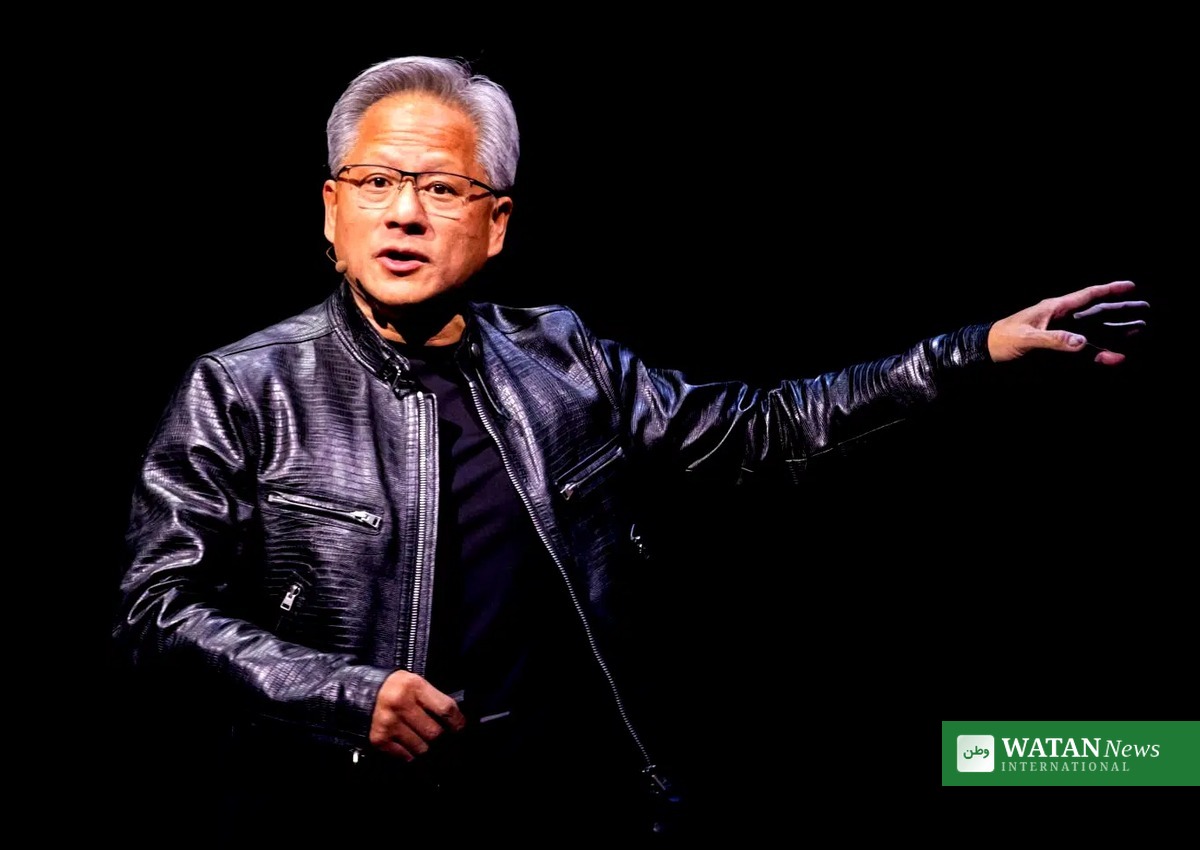
Nvidia’s board is preparing to oust chief executive Jensen Huang, The Wall Street Journal reported on Wednesday, after reports of two extramarital affairs involving the founder of the world’s dominant supplier of artificial intelligence chips — one of them with a woman US intelligence officials suspect of spying for China. The board met late on Wednesday to decide his future, but no decision had been announced by early on Thursday and Huang remains chief executive.
The Nvidia board oust Jensen Huang reports sent the company’s shares down sharply in after-hours trading, extending a slide that has already wiped hundreds of billions of dollars off the chipmaker’s market value since the scandal broke at the weekend.
FAKTA
- What happened: The Wall Street Journal reported on Wednesday 11 November that Nvidia’s board is preparing to remove chief executive Jensen Huang, citing people familiar with the matter.
- The board meeting: Directors met late on Wednesday evening to discuss Huang’s future. Reuters and CNN both confirmed the meeting; no outcome had been announced by early on Thursday.
- Why now: The New York Times reported on Wednesday that Huang had a second extramarital affair, with Kimberly Powell, Nvidia’s vice president of healthcare, who reports directly to him. Days earlier Huang admitted being unfaithful to his wife.
- The spy allegation: One affair involved Alice Huang, an executive at the Singapore data firm Megaspeed, whom US intelligence officials suspect of spying for China. Nvidia’s board says it has no reason to believe national security or company secrets were compromised.
- Market reaction: Nvidia shares fell about 8.6% in after-hours trading on Wednesday, after dropping 9.5% across Monday and Tuesday. The stock is down 27% from its early-October peak.
- Succession: Huang has said he does not believe in succession planning and Nvidia has no public succession plan. Chief financial officer Colette Kress and engineer Ian Buck are among the names mentioned as possible interim chief executives.
Nvidia board oust Jensen Huang: what the reports say
The Wall Street Journal reported that Nvidia’s board is preparing to oust Huang and could meet as soon as Wednesday to determine his future, citing people familiar with the matter. Reuters, reporting the Journal’s account, said the board was meeting late on Wednesday to decide whether to remove him, according to a source familiar with the matter.
CNN reported that the board met on Wednesday evening, citing two sources familiar with the matter, and that there was some expectation among Trump administration insiders that the meeting would result in Huang being ousted after 33 years leading the company. The Journal first reported the meeting.
Nvidia did not immediately respond to requests for comment from Reuters or CNN about the meeting or the reports. No final decision has been announced, and Nvidia has not publicly announced any change in leadership.
How the crisis unfolded
The crisis began on Sunday 8 November, when Huang acknowledged in a letter to employees that he had been unfaithful to his wife and apologised for breaking the trust of his family and his staff. The same day, Nvidia’s board said it was opening an independent investigation into reports that Huang had been the target of a foreign intelligence effort, hiring the law firm Wachtell, Lipton, Rosen & Katz to run the inquiry.
The board said at the time that it had no reason to believe US national security or Nvidia secrets were compromised, and that it had confidence in Huang and his leadership team. Huang said he supported the investigation and would cooperate fully, and a company spokesperson said he would continue to lead the company without interruption.
The woman at the centre of the intelligence allegations is Alice Huang, an executive at Megaspeed, a Singapore-based data company and major Nvidia customer. The New York Times first reported in October 2025 on the business connection between Jensen Huang and Alice Huang, and US intelligence officials suspect she was recruited by China’s Ministry of State Security. The Justice Department is now leading multiple investigations involving Alice Huang, according to the Journal. President Donald Trump has said the FBI is probing the matter — a development Watan News reported earlier this week.
On Wednesday, the picture widened. The New York Times reported that Huang had also had an extramarital affair with Kimberly Powell, Nvidia’s vice president of healthcare, citing five people who worked at the company. The Times said the two were reported to have been seen being affectionate at a hotel in San Jose, California, in March. Neither Nvidia, Huang nor Powell has confirmed that account. Minutes later, the Journal reported that the board was preparing to remove him.
Shares plunge as investors weigh an Nvidia without Huang
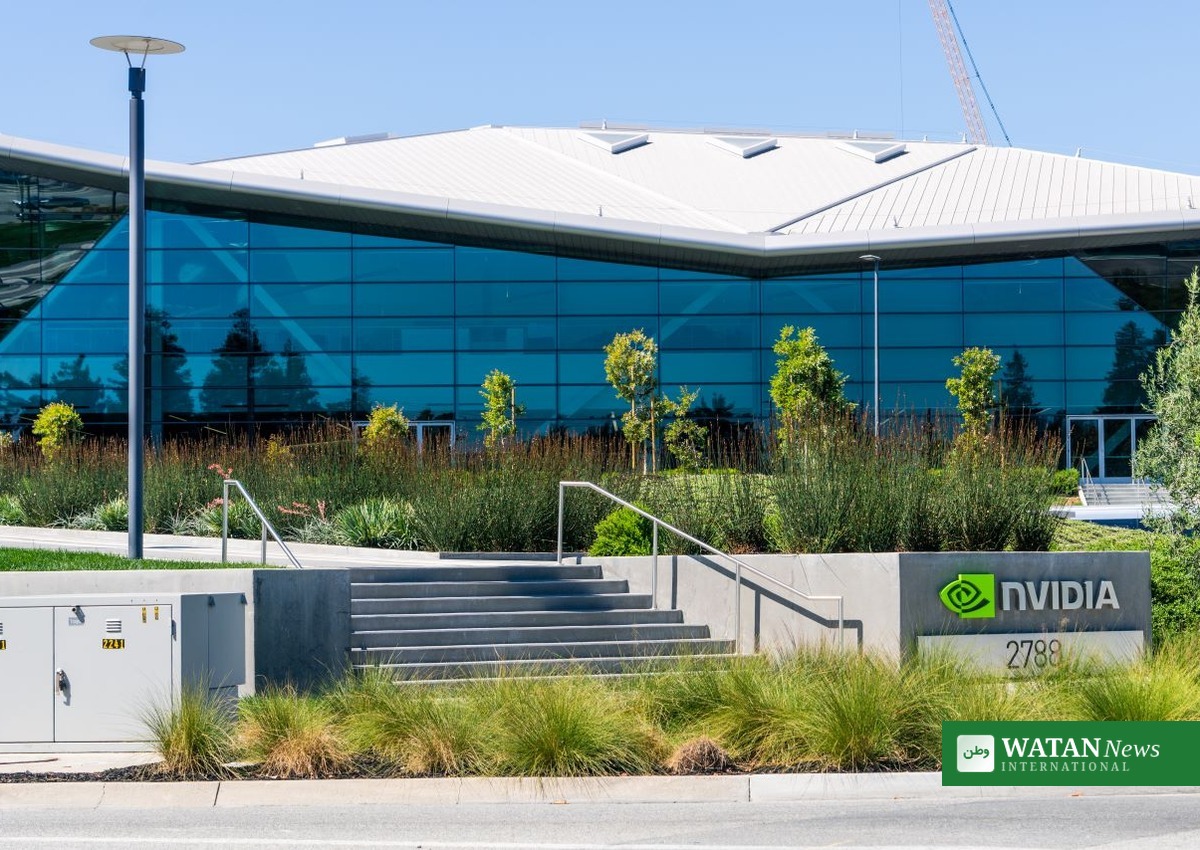
Investors reacted swiftly. Nvidia shares closed Wednesday’s regular session up 2.9% at $173.73, then fell about 8.6% in after-hours trading to around $158.76, according to CNN. The shares had already dropped 9.5% across Monday and Tuesday after Huang’s weekend admission and the news of the board’s investigation, and stood 27% below their early-October peak at Wednesday’s close.
The fall weighed on the wider market, with Nasdaq 100 futures down 0.9% and S&P 500 futures down 0.5% in evening trading. Shares of rival chipmakers moved the other way: Advanced Micro Devices rose 4.5% and Broadcom rose 2.9%.
Huang has been one of the artificial intelligence boom’s most prominent champions, and investors have backed Nvidia largely on the strength of his vision. He co-founded the company in 1993 and has been its only chief executive in its 33-year history. Nvidia pioneered graphics processing units, the chips that power AI models from OpenAI’s ChatGPT to Anthropic’s Claude, and sits at the centre of the global race to build AI infrastructure.
No clear successor — and a Congress deadline looms
If the board does remove Huang, there is no obvious replacement. Huang has previously said he does not believe in succession planning, telling Bloomberg in 2023: “Our company was built so that I know how to run it. So for as long as I’m running it, that’s all that matters.” He has more than 50 direct reports and is Nvidia’s largest individual shareholder, holding a 3.56% stake.
Reuters reported that Ian Buck, an architect of Nvidia’s CUDA software system, and chief financial officer Colette Kress are among the possible contenders to become interim chief executive. Bloomberg has reported that the board is working with an outside firm to identify replacements, and some directors favour naming Kress as interim chief, according to Semafor.
Pressure is also building in Washington. Three House committee chairmen have asked Huang to give a closed-door briefing on 18 November about his interactions with Alice Huang and Nvidia’s safeguards against foreign espionage, and have warned they may issue a subpoena if he does not agree. Separately, Democratic senators Elizabeth Warren and Chris Coons have asked the Trump administration to preserve all documents tied to Nvidia’s chip exports to China. Trump said on Monday that he had spoken to Huang, who told him he had no idea the woman was a spy, and that he believed him.
What happens next
The immediate question is what the board decided at its late-Wednesday meeting. As of early on Thursday, Nvidia had made no announcement, and Huang remained chief executive. The company reports third-quarter results on 17 November, the day before Huang has been asked to brief House committees.
Whatever the board decides, the episode has already shaken the company at the heart of the AI boom — and left investors, lawmakers and the wider technology industry waiting to see whether its founder of 33 years survives the week.
Author

usmanch0013@gmail.com
Related Posts

COP31 Champion Launches One Billion Challenge to Halve Food Waste by 2030
- 0
- 1,729 word
COP31 Climate High-Level Champion Samed Ağırbaş has launched the One Billion Challenge at COP31 in Antalya, a global call to turn the...
Read out all
COP31 Finance and Trade Day: $1.3 Trillion Roadmap Takes Centre Stage in Antalya Tomorrow
- 0
- 1,472 word
Friday 13 November is Finance and Trade Day at COP31 in Antalya, with the $1.3 trillion Baku to Belém roadmap, a WTO...
Read out all
Moscow Raises Idea of Bilateral Non-Aggression Pacts With NATO States
- 0
- 426 words
A senior Russian diplomat has outlined three possible security arrangements, including bilateral non-aggression pacts with individual NATO member states, as part of...
Read out all
Scott Colom Wins Mississippi Senate Seat in Historic First Since Reconstruction
- 0
- 753 words
Democrat Scott Colom has defeated Republican Senator Cindy Hyde-Smith in Mississippi, becoming the state's first Black US senator since Reconstruction and its...
Read out all
Turkmenistan Signs Children and Youth Climate Declaration at COP31 as Central Asia Unites Behind Young People
- 0
- 1,122 word
Turkmenistan has signed the Declaration on Children, Youth and Climate Action at COP31 in Antalya, making all five Central Asian countries signatories...
Read out all
Russia’s Ambassador to the US Alexander Darchiev Dies Suddenly Aged 66
- 0
- 577 words
Russia's ambassador to the United States, Alexander Darchiev, has died suddenly in Moscow aged 66 after a chronic illness, the Russian Foreign...
Read out all