- 0
- 426 words
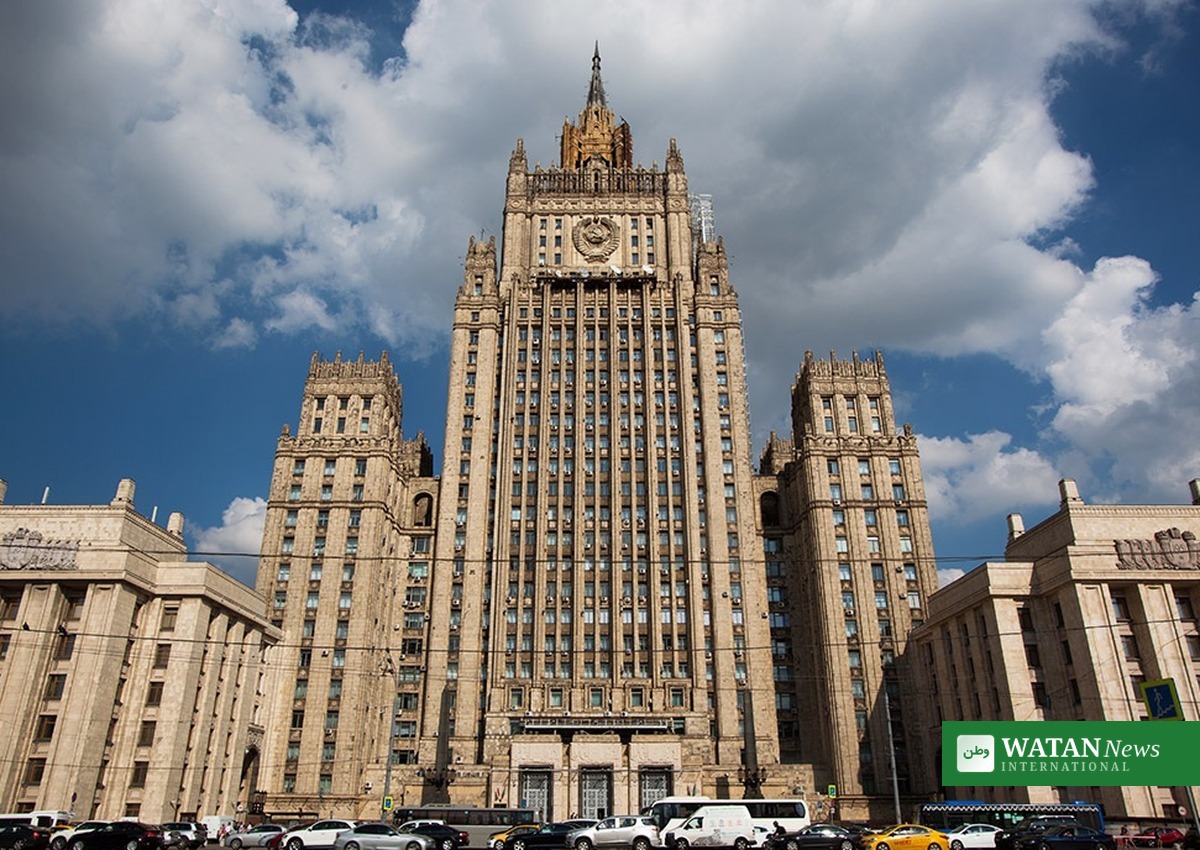
Russia has raised the possibility of signing separate non-aggression agreements with individual NATO member states, a senior Russian diplomat said on Wednesday, presenting the idea as part of discussions about a future European security arrangement.
FAKTA
- Who: Alexey Drobinin, a senior diplomat at Russia’s Foreign Ministry
- What: Three possible approaches to security commitments, including bilateral non-aggression pacts with individual NATO members
- When and where: Outlined on Wednesday, 11 November 2026, at a security conference in Moscow
- Context: The proposal was linked to talks on a new European security architecture, alongside efforts to end the war in Ukraine
- Status: Ideas only — no agreements have been signed, no countries have been named, and no response from NATO has been reported
Three Options for Russia-NATO Non-Aggression Pacts
Speaking at the conference, Drobinin set out three possible approaches to building security commitments between states. The first involves collective defence alliances or bilateral mutual assistance agreements, and he cited Russia’s existing arrangements with Belarus and North Korea as examples of that approach.
The second possibility involves political agreements under which countries promise not to support each other’s adversaries in the event of aggression. Drobinin pointed to Russia’s agreement with Iran as an example of this kind of arrangement.
The third option, and the one that drew the most attention, involves bilateral mutual non-aggression pacts. “For example, agreements of this kind could be reached, among other things, with individual NATO member states, which would then receive, for instance, additional individual security guarantees from the Russian Federation,” Drobinin told the conference, according to video of his speech.
A Bilateral Track Alongside the Alliance
The proposal would allow Moscow to negotiate directly with individual members rather than seeking a single arrangement with NATO as a whole. It was presented in the context of a new security architecture for Europe being discussed as part of the Ukraine peace process, in which Russia’s chief negotiator is Vladimir Medinsky. United States-mediated discussions between Russian and Ukrainian officials have meanwhile been continuing in Abu Dhabi, with major differences still to be bridged over territory and the terms of any settlement.
For more coverage of European affairs, visit Watan News.
Proposals, Not Agreements
Drobinin presented the options as possible approaches rather than finished deals. No timetable was given, no member state was named publicly, and there has been no reported public response from NATO or any of its members. Whether the idea advances will depend on the wider peace discussions and on how alliance members respond to the suggestion of separate, bilateral security guarantees from Moscow.
Author

usmanch0013@gmail.com
Related Posts

COP31 Champion Launches One Billion Challenge to Halve Food Waste by 2030
- 0
- 1,729 word
COP31 Climate High-Level Champion Samed Ağırbaş has launched the One Billion Challenge at COP31 in Antalya, a global call to turn the...
Read out all
Nvidia Board Prepares to Oust CEO Jensen Huang After Second Affair Report
- 0
- 1,276 word
Nvidia's board met late on Wednesday to decide the future of chief executive Jensen Huang after reports of two extramarital affairs, one...
Read out all
COP31 Finance and Trade Day: $1.3 Trillion Roadmap Takes Centre Stage in Antalya Tomorrow
- 0
- 1,472 word
Friday 13 November is Finance and Trade Day at COP31 in Antalya, with the $1.3 trillion Baku to Belém roadmap, a WTO...
Read out all
Scott Colom Wins Mississippi Senate Seat in Historic First Since Reconstruction
- 0
- 753 words
Democrat Scott Colom has defeated Republican Senator Cindy Hyde-Smith in Mississippi, becoming the state's first Black US senator since Reconstruction and its...
Read out all
Turkmenistan Signs Children and Youth Climate Declaration at COP31 as Central Asia Unites Behind Young People
- 0
- 1,122 word
Turkmenistan has signed the Declaration on Children, Youth and Climate Action at COP31 in Antalya, making all five Central Asian countries signatories...
Read out all
Russia’s Ambassador to the US Alexander Darchiev Dies Suddenly Aged 66
- 0
- 577 words
Russia's ambassador to the United States, Alexander Darchiev, has died suddenly in Moscow aged 66 after a chronic illness, the Russian Foreign...
Read out all