- 0
- 1,016 word
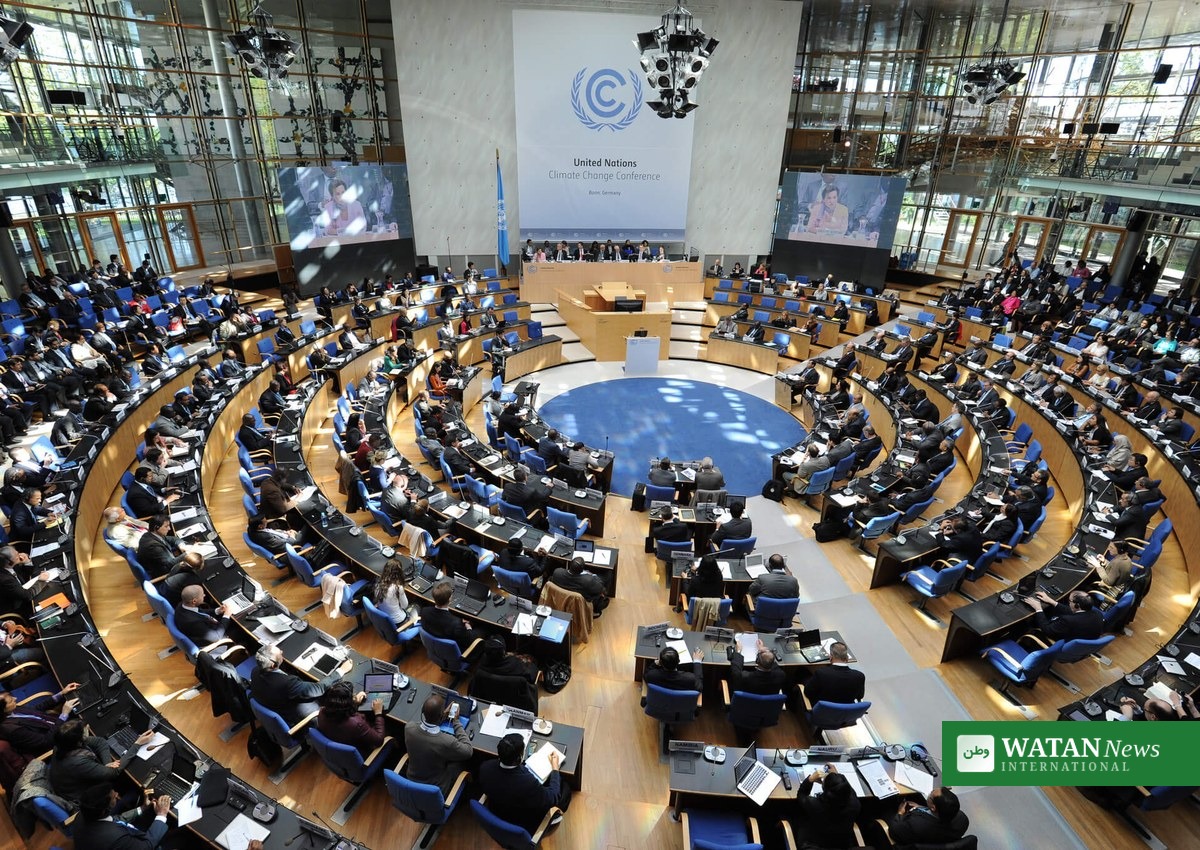
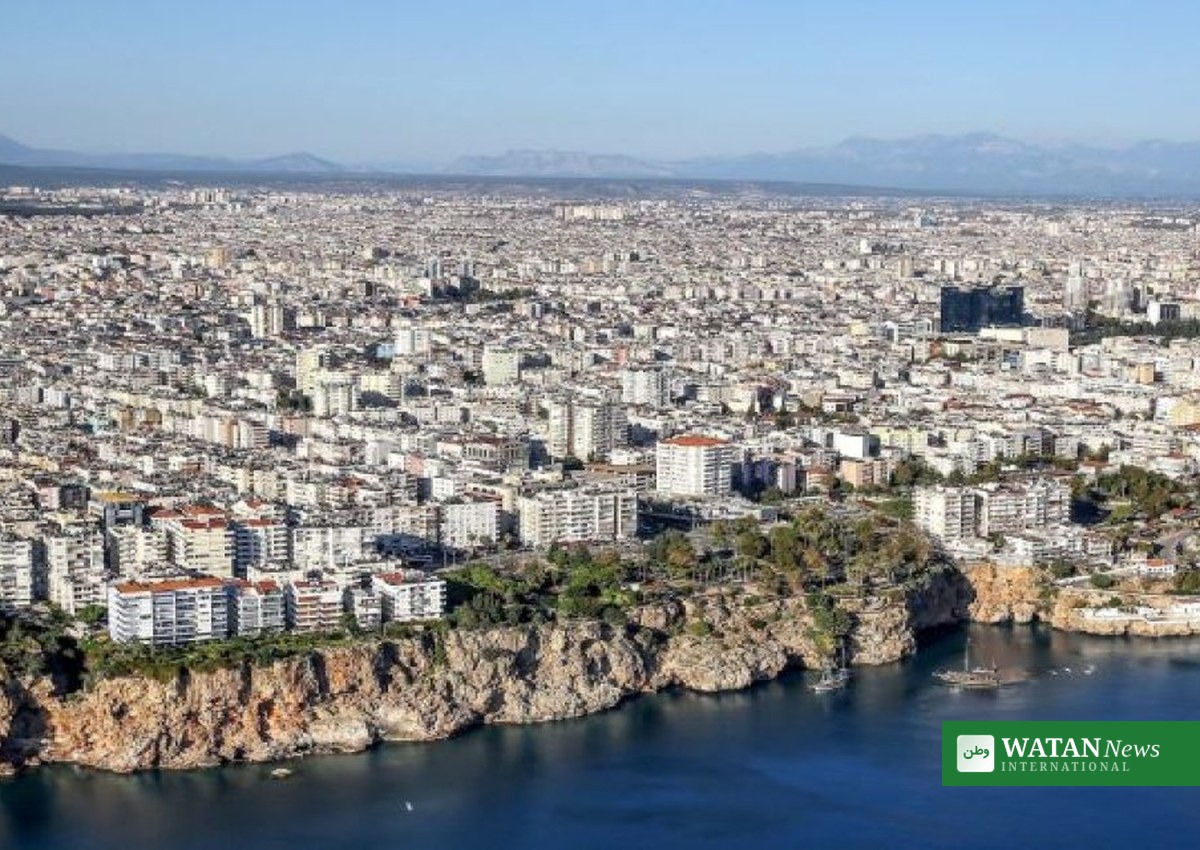
ANTALYA: The COP31 World Leaders’ Summit reaches its second and final day on Thursday, 12 November, with resilient cities and the built environment taking centre stage — the first time the COP Presidency has folded a cities day into the leaders’ summit itself. After a first day dominated by the UN chief’s call for a climate justice compact, leaders now turn to the places where most people live: their cities, homes and infrastructure.
FAKTA
- What: COP31 World Leaders’ Summit, day two — Resilient Cities and Built Environment Day
- When: Thursday, 12 November 2026
- Where: Antalya Expo Center, Antalya, Türkiye
- Day-one message: UN Secretary-General António Guterres proposed a climate justice compact and warned it is “make or bake time”
- Main event: High-Level Dialogue on Urban Resilience, Adaptation and Climate Action, 13:30–17:00
Day one: a call for climate justice
The summit opened on Wednesday with a blunt warning from Guterres. “Our planet is heating up. The clock is winding down. It’s make or bake time,” he told leaders, reminding them that even if current national climate plans are fully implemented, the planet is heading towards more than 2.5°C of warming by the end of the century.
Against that backdrop, Guterres proposed a climate justice compact to help developing countries move away from fossil fuels while protecting people already suffering from climate change. The compact rests on four priorities: accelerating the transition away from fossil fuels, protecting vulnerable populations with early warning and adaptation, delivering affordable climate finance, and strengthening international cooperation. “We cannot demand that countries transform their economies while denying them the means to do so,” he said.
He contrasted the $95 billion earned by the world’s nine largest oil companies in a single quarter with the roughly $600 million received by the international fund helping vulnerable countries recover from climate-related loss and damage — the equivalent, he said, of just 14 hours of those companies’ profits. “Polluters must pay,” he declared, to an ovation in the plenary hall.
Turkish President Recep Tayyip Erdoğan, whose country is co-hosting COP31 with Australia, acknowledged that three decades of climate negotiations had failed to deliver sufficient results in practice. Brazilian President Luiz Inácio Lula da Silva warned that climate change was losing ground on the international agenda as wars and trade disputes overshadowed it, and announced that Brazil would develop national roadmaps to reduce its dependence on fossil fuels and end deforestation. According to Climate Change News, around 40 leaders attended the first day, with roads around the venue closed for their arrival.
Methane: the climate emergency brake
Methane featured prominently on the summit’s first day, which was also Zero Waste Day. The gas traps more than 80 times as much heat as carbon dioxide over 20 years and is responsible for nearly a third of global warming to date. Guterres called on the UN Environment Programme (UNEP) to develop a global standard for near-zero methane emissions from oil and gas.
UNEP is already tracking major leaks from space, using satellites and artificial intelligence. Its International Methane Emissions Observatory has issued more than 5,000 alerts since 2023, but barely one in eight has received a response. The system has helped cut emissions in 45 cases across 13 countries, including a gas pipeline leak in Iraq that had run for two years with emissions equal to those of 350,000 cars.
Day two: cities take centre stage
Thursday’s programme puts the built environment at the heart of the summit. The COP31 Presidency, UN-Habitat and the UN climate secretariat convene the High-Level Dialogue on Urban Resilience, Adaptation and Climate Action from 13:30 to 17:00 in Plenary Hall 2, examining how countries can turn national adaptation plans and climate pledges into investable urban projects — and what climate resilience means for the people who live in cities, including affordable housing and upgrading informal settlements.
Two further leaders’ roundtables fill the day: a High-Level Roundtable on the second decade of the Paris Agreement, on accelerating implementation and access to finance, from 12:00 to 13:30; and a Leaders’ Roundtable on Clean Cooking in Africa from 14:30 to 16:00. The cities programme began on Wednesday morning with a UNEP session, “From Plans to Delivery: Building Resilience for Cities, Infrastructure and Water”, co-convened with the COP31 Presidency and the Climate High-Level Champions.
The dialogue builds on the Declaration on Climate-Resilient and Sustainable Cities adopted in Hatay in May 2026, and on the legacy of the Habitat II conference held in Istanbul in 1996. Türkiye’s Sustainable Urban Resilience Financing Facility will be presented as one example of how to fund the work. Meanwhile, in the negotiations, disagreements persist over adaptation finance, according to UN News — the issue the leaders’ discussions must help unlock.
What to watch next
When the summit closes on Thursday evening, COP31’s work is far from over. The conference continues until 20 November, with Finance Day on 13 November and Industry Day on 16 November among the themed days ahead. The test of the leaders’ summit will be whether the political direction set in Antalya — on justice, finance and implementation — turns into negotiated decisions in the second week.
Frequently asked questions
What is the COP31 World Leaders’ Summit?
It is the two-day high-level segment of COP31, held on 11–12 November 2026 in Antalya, where heads of state and government deliver national statements and join roundtables that set the political direction for the rest of the conference.
What did Guterres propose on day one?
A climate justice compact with four priorities: faster transition away from fossil fuels, protection for vulnerable people, affordable climate finance, and stronger international cooperation — including taxes on fossil fuel windfall profits.
Why are resilient cities the theme of day two?
For the first time, the COP31 Presidency integrated Resilient Cities and Built Environment Day into the Leaders Summit, giving urban climate action — buildings, infrastructure, water and local government — greater political visibility.
What is the High-Level Dialogue on Urban Resilience?
A 13:30–17:00 dialogue on 12 November, convened by the COP31 Presidency and UN-Habitat, on turning national adaptation plans and climate pledges into investable urban resilience projects and protecting city residents.
When does COP31 end?
The conference runs until 20 November 2026, with negotiations continuing after the leaders’ summit closes, including Finance Day on 13 November and Industry Day on 16 November.
Author

usmanch0013@gmail.com
Related Posts

COP31: Renovering af de boliger, vi allerede har, kan spare 4,8 milliarder ton CO2
- 0
- 1,211 word
Boligeksperter ved COP31 i Antalya siger, at det grønneste hus er det, der allerede er bygget: Renovering af eksisterende boliger kan spare...
Read out all
کاپ31: پہلے سے موجود گھروں کی بہتری سے 4.8 ارب ٹن کاربن بچایا جا سکتا ہے
- 0
- 1 word
کاپ31 میں ماہرین کا کہنا ہے کہ سب سے سبز گھر وہی ہے جو پہلے سے موجود ہے — پرانے گھروں کی...
Read out all
COP31: Retrofitting the Homes We Already Have Could Save 4.8 Billion Tonnes of CO2
- 0
- 1,174 word
Housing experts at COP31 in Antalya say the greenest home is the one already built: upgrading existing houses instead of demolishing them...
Read out all
Fire lande underskriver aftale om grøn energikorridor fra Det Kaspiske Hav til Europa ved COP31
- 0
- 1,095 word
Aserbajdsjan, Georgien, Tyrkiet og Bulgarien har ved COP31 aftalt en grøn energikorridor, der skal bringe vind- og solstrøm fra Det Kaspiske Hav...
Read out all
کاپ31: چار ملکوں کا بحیرہ قزوین سے یورپ تک سبز توانائی راہداری کا معاہدہ
آذربائیجان، جارجیا، ترکیہ اور بلغاریہ نے کاپ31 میں بحیرہ قزوین کی ہوا اور شمسی بجلی یورپ تک پہنچانے کے لیے سبز توانائی...
Read out all
Four Nations Sign Caspian Green Energy Corridor Deal at COP31 to Carry Clean Power to Europe
- 0
- 1,120 word
Azerbaijan, Georgia, Türkiye and Bulgaria have signed an agreement at COP31 to build a green energy corridor carrying Caspian wind and solar...
Read out all