- 0
- 1,120 word
Antalya, Türkiye — Azerbaijan, Georgia, Türkiye and Bulgaria have signed an intergovernmental agreement at COP31 to build a green energy corridor carrying renewable electricity from the Caspian region to European markets, in one of the most concrete cross-border energy deals of the Antalya summit.
The Agreement on Strategic Partnership in the Field of Clean Energy was signed in Antalya on 10 November 2026, on the sidelines of the United Nations climate talks. It was signed by Azerbaijan’s Energy Minister Parviz Shahbazov, Türkiye’s Minister of Energy and Natural Resources Alparslan Bayraktar, Georgia’s Deputy Prime Minister and Minister of Economy and Sustainable Development Mariam Kvrivishvili, and Bulgaria’s Energy Minister Iva Petrova.
What the corridor will carry
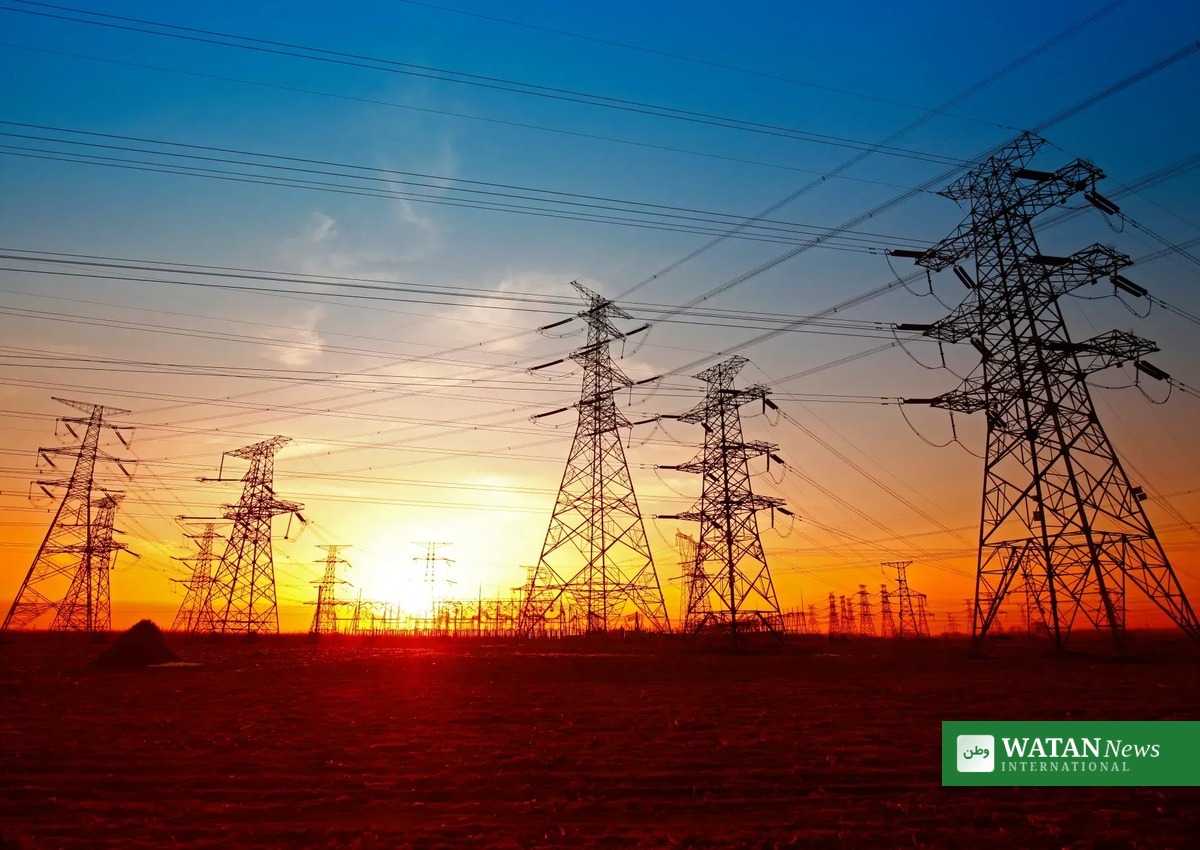
The corridor is designed to move wind and solar power generated in the Caspian basin through the South Caucasus and Türkiye into European markets. The four governments agreed to develop cross-border transmission lines, build the technical and regulatory conditions for electricity trading, and improve fibre-optic communications along the route.
Preliminary estimates put the corridor’s transmission capacity at 2,000–3,000 megawatts (MW), according to reports from the signing. Azerbaijan’s Energy Minister had earlier said the initial capacity would be 1 GW. Türkiye’s Energy Minister Alparslan Bayraktar described the project as the “TANAP of electricity”, comparing it with the Trans-Anatolian Natural Gas Pipeline that carries Azerbaijani gas through Türkiye to Europe.
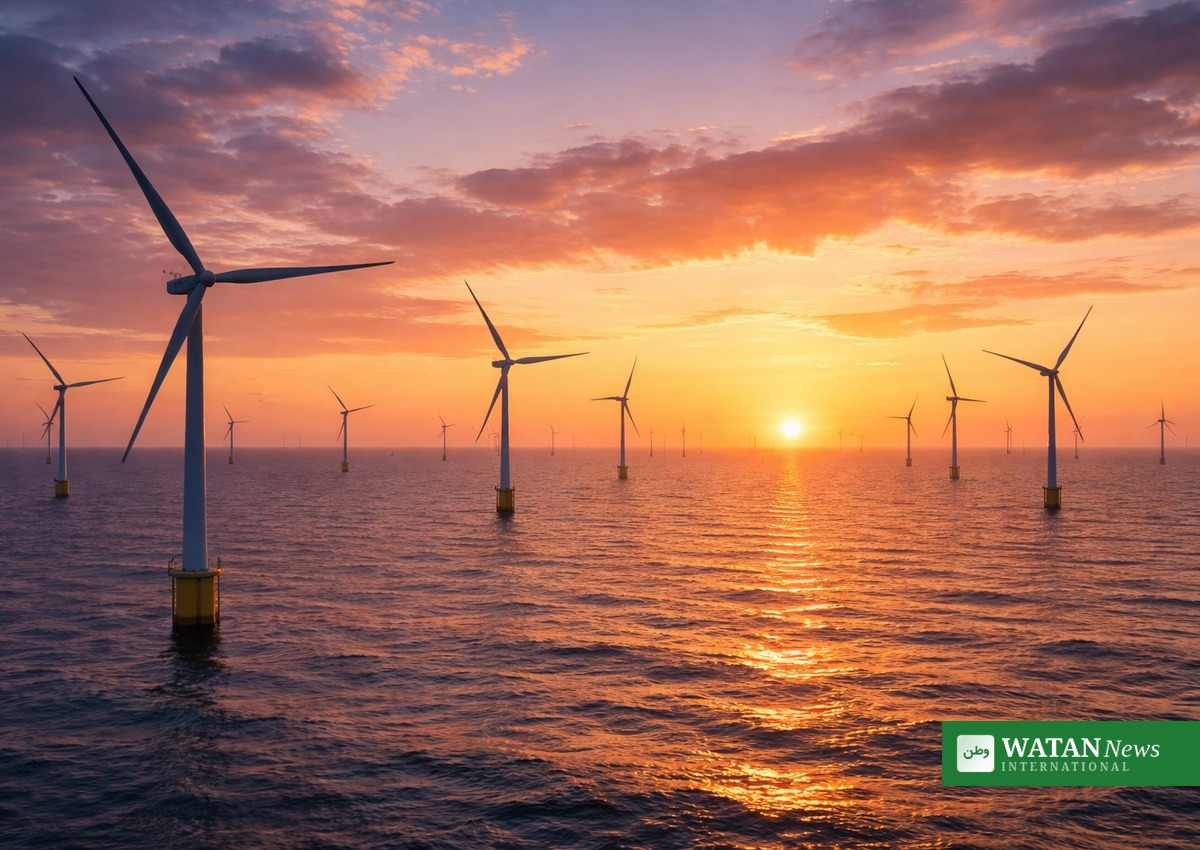
For Azerbaijan, the corridor is part of a wider plan to become an interregional electricity hub, connecting renewable power from the Caspian Sea and Central Asia with Türkiye and Europe. Massive investment in domestic renewable generation, including onshore and offshore wind projects in the Caspian Sea, will need export infrastructure to be economically viable.
Why Europe wants the power
Bulgaria’s role as a signatory is critical: as a European Union member, it gives the corridor a direct connection into the EU electricity grid. The partnership addresses Eastern Europe’s push to diversify energy imports and reduce reliance on legacy fossil-fuel corridors, according to analysis of the deal.
By linking the South Caucasus power network directly with Bulgaria, the four nations intend to create a new energy artery into the broader European grid, giving European consumers a stable, alternative supply of decarbonised electricity.
From idea to agreement
The corridor has been years in the making. The four countries first agreed to pursue new electricity connections at the Istanbul Energy Forum on 22 November 2024, signed a memorandum in Baku in April 2025, and completed the project’s terms of reference and agreed to prepare a road map in May 2026.
At COP31, the Azerbaijan Pavilion served as a hub for the corridor discussions, and Minister Shahbazov held meetings with international renewable energy companies including Vestas, ACWA Power and NKT to discuss power generation, energy storage and cross-border grids.
FAKTA
- Four countries — Azerbaijan, Georgia, Türkiye and Bulgaria — signed the Agreement on Strategic Partnership in the Field of Clean Energy at COP31 in Antalya on 10 November 2026.
- The corridor will carry wind and solar electricity from the Caspian basin through the South Caucasus and Türkiye to European markets.
- Preliminary estimates put transmission capacity at 2,000–3,000 MW; an earlier statement put the initial capacity at 1 GW.
- The agreement also covers cross-border transmission lines, electricity trading conditions and fibre-optic communications.
- The initiative dates back to the Istanbul Energy Forum in November 2024, with a memorandum signed in Baku in April 2025.
- No cost or commissioning schedule has been published yet; final engineering specifications and financing arrangements are still to be established.
- COP31 runs in Antalya until 20 November 2026.
What is still undecided
The agreement is a strategic development framework rather than a fully financed infrastructure project. The capacity estimate remains preliminary, and the final engineering specifications, construction costs, financing arrangements and completion dates have yet to be established, according to reports from the signing.
Georgian officials have indicated that national transmission operators are expected to take part in a project-development joint venture. The signing nevertheless turns years of conceptual planning into formal commitments between the four governments.
COP31’s energy week in context
The corridor deal lands in a week of energy announcements at COP31. The COP31 Presidency has proposed raising electricity’s share of global final energy consumption from about 23 percent to 35 percent by 2035 under the 35-by-35 electrification pledge. United Nations Secretary-General António Guterres has urged countries to triple renewable energy capacity by 2035, based on 2025 levels.
On 13 November, the Global Wind Energy Council and the Turkish Wind Energy Association launched the Global Wind Declaration for Powering the Future at COP31. Modelling from the council shows wind power on a pathway to 2 terawatts (TW) by 2029 and 3 TW by 2035 — and potentially 4 TW by 2035 with stronger government support. The industry now delivers almost 1.3 TW of capacity worldwide, after adding a record 165 GW last year.
Earlier at COP31, Türkiye and China signed a $15 billion renewable energy deal covering 7 GW of new solar and wind power, showing how the summit’s energy agenda is moving from targets to delivery.
What happens next
The next test for the corridor is detail: engineering studies, financing and a construction timetable still have to follow, and the four governments will need to turn the framework agreement into bankable projects. COP31 continues in Antalya until 20 November.
Frequently asked questions
What is the Caspian green energy corridor?
It is a planned cross-border electricity corridor linking Azerbaijan, Georgia, Türkiye and Bulgaria. It is designed to carry wind and solar power generated in the Caspian basin through the South Caucasus and Türkiye into European markets, using new and upgraded high-voltage transmission lines.
Who signed the agreement and when?
The Agreement on Strategic Partnership in the Field of Clean Energy was signed on 10 November 2026 in Antalya, on the sidelines of COP31, by the energy ministers of Azerbaijan, Türkiye and Bulgaria and Georgia’s Deputy Prime Minister and Minister of Economy and Sustainable Development.
How much electricity will the corridor carry?
Preliminary estimates put the transmission capacity at 2,000–3,000 MW. Azerbaijan’s Energy Minister had earlier said the initial capacity would be 1 GW. The figure is preliminary: final engineering specifications have not yet been set.
When will the corridor be built?
No construction timetable or cost has been published yet. The agreement is a strategic framework for developing the corridor, and financing arrangements and a commissioning schedule still have to be established.
Why does the corridor matter for Europe?
Bulgaria’s participation gives the corridor a direct connection into the European Union electricity grid. It offers Eastern Europe a new source of decarbonised electricity and helps diversify energy imports away from legacy fossil-fuel corridors.
Author

usmanch0013@gmail.com
Related Posts
48 Hours Without Sleep: The Journalists Bringing COP31 to the World
- 0
- 1,351 word
The Guardian's reporters describe 48-hour shifts, three-hour bus rides and the fight to make COP31's jargon make sense — as 3,645 journalists...
Read out all
48 timer uden søvn: Journalisterne der bringer COP31 ud til verden
- 0
- 1,416 word
The Guardians journalister beskriver 48-timers vagter, tre timers busture og kampen for at gøre COP31's jargon forståelig — mens 3.645 journalister dækker...
Read out all
کاپ31 کے صحافی: 48 گھنٹے بغیر نیند کے، دنیا تک خبر پہنچانے کی کہانی
گارڈین کے صحافیوں نے بتایا کہ کاپ31 کی کوریج کے دوران 48 گھنٹے نیند کے بغیر گزرتے ہیں، بس میں تین گھنٹے...
Read out all
کاپ31 گھر تک: انطالیہ کے فیصلے روزمرہ زندگی کیسے بدلیں گے
آج انطالیہ میں کاپ31 کا ثقافتی دن ہے۔ میز پر کھانا، گھر میں توانائی اور کوڑے دان میں کچرا — سب کچھ...
Read out all
COP31 kommer hjem: Hvad klimatopmødet i Antalya betyder for en bæredygtig hverdag
- 0
- 1,182 word
Søndag er 'A Breath in Antalya' — COP31's kulturdag. Maden på bordet, energien i huset og affaldet i spanden er alle på...
Read out all
COP31 Comes Home: What the Antalya Climate Talks Mean for Everyday Sustainable Living
- 0
- 1,179 word
Sunday is 'A Breath in Antalya' — COP31's culture day. The food on the table, the energy in the house and the...
Read out all