- 0
- 1,456 word
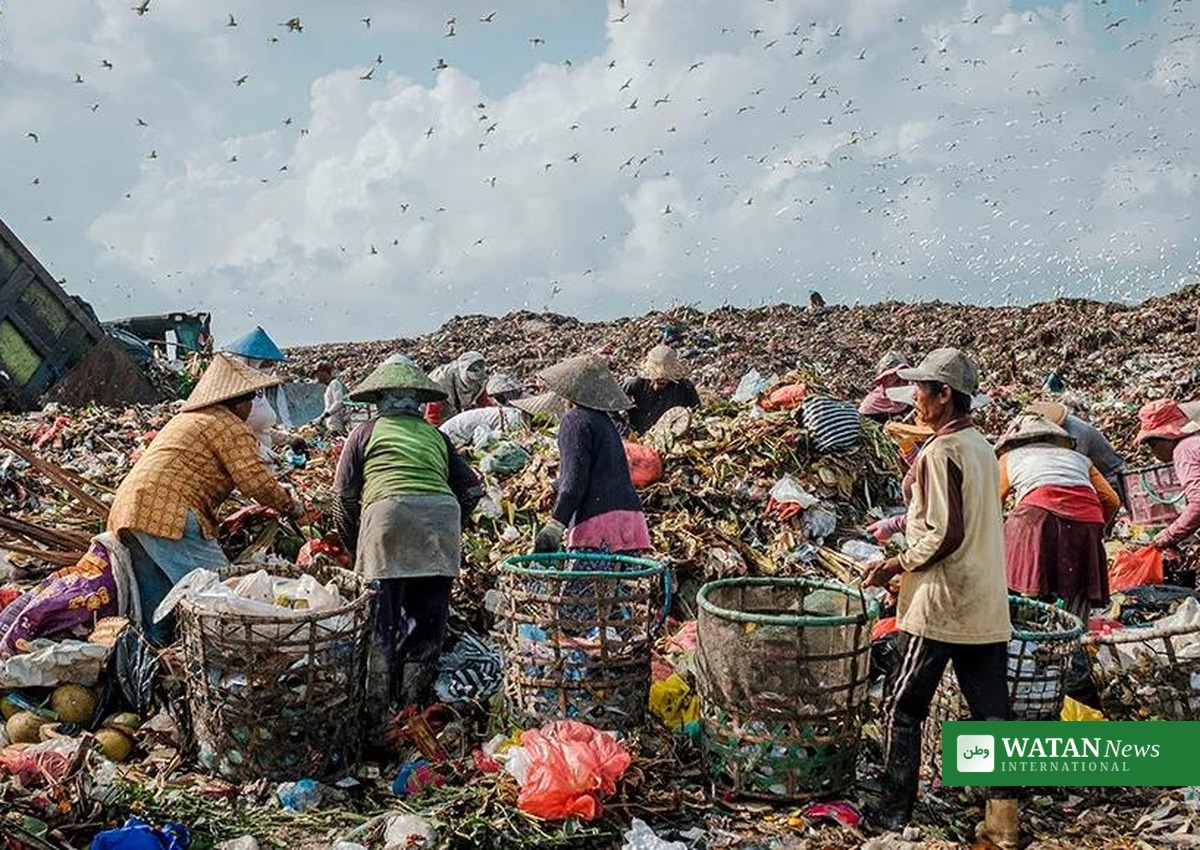
At COP31 in Antalya, the people who do the hardest work of keeping waste out of landfills have a direct message for Finance Day: climate money should reach the waste pickers, sorters and composters who already cut emissions every day — not the expensive incinerators that take their work away.
The call came at a press briefing titled “Zero Waste COP – Incinerators Out. Zero Waste In.”, where the Green Africa Youth Organisation (GAYO) urged governments and climate financiers to redirect funding towards informal waste-picker networks and the cities that have adopted zero-waste models.
“The true test of climate finance is whether it reaches those delivering tangible emissions reductions on the ground,” said Jacob Johnson Attakpah, GAYO’s Zero Waste Director, warning that current financing streams heavily favour large-scale incineration projects while sidelining the people who separate, collect, reuse and compost waste.
Waste is a climate issue, not just a rubbish problem
Municipal solid waste and wastewater generate almost 20 per cent of human-caused methane, according to the Climate and Clean Air Coalition — and methane traps around 80 times more heat than carbon dioxide over 20 years. Roughly 40 per cent of the world’s waste is openly burned, and an estimated 2.5 billion people have no adequate waste services at all.
That makes waste one of the fastest places to cut warming this decade — if organic waste is kept out of landfills through prevention, separation and composting. Mariel Vilella, Climate Programme Director at the Global Alliance for Incinerator Alternatives (GAIA), told the briefing that preventing waste and expanding reuse and composting are proven ways to cut emissions while bringing benefits to communities.
COP31’s presidency has made “Zero Waste and Methane Reduction” one of its headline themes, and its Action Agenda aims to halve the growth in global waste generation by 2035 and raise the circular material use rate to at least 15 per cent. Finance Day on 13 November is the moment when delegates discuss how that agenda is paid for — which is why waste pickers chose this week to press their case.
The money is going to the wrong solution
GAIA’s new report, “Africa’s Waste Crisis Is Attracting the Wrong Solution: Waste-to-Energy Incineration”, tracks fifteen waste-to-energy schemes across ten African nations, with a combined capital cost of more than US$4 billion. Public funds dominate the financing, the report finds — and near Ethiopia’s Reppie incinerator, waste pickers’ earnings fell by 50 per cent.
The imbalance is global. GAIA’s analysis of waste-sector methane finance found that nearly US$4 billion — 94 per cent of it — has gone into capital-intensive incineration projects, while barely 1 per cent reaches organic waste management and food rescue systems. The Jakarta Declaration, adopted at GAIA Asia Pacific’s Second Regional Congress on Organics and Climate in September 2026, calls on governments and financiers to halt funding for incinerators and redirect climate finance into low-cost, decentralised, locally led organic waste systems.
Incineration companies often present “waste-to-energy” as a way to avoid landfill methane. But GAIA argues that burning organic waste simply swaps one climate pollutant for another: the carbon in food scraps and paper is released as carbon dioxide immediately, alongside the fossil carbon in burned plastics. Its Burn Book analysis of twenty incinerators found that the eleven facilities with available data release a combined 5.5 million metric tons of CO2e every year — the equivalent of 1.3 million passenger cars — and that waste-to-energy is the most carbon-intensive way to manage waste, releasing 1.7 times as much greenhouse gas as coal-fired power plants.
“Solutions must reflect Africa’s waste realities rather than expensive technologies that create new problems,” said Weyinmi Okotie, Executive Director of the Green Knowledge Foundation, at the briefing.
What direct funding already achieves
The case for funding waste pickers directly is not theoretical. GAYO’s Zero Waste Accra programme, a 2024 Earthshot Prize winner in the “Clean our air” category, received £1 million to support 500 waste pickers, divert waste from landfills and open burning, and aims to redirect 4,000 tonnes of waste by 2030. In partnership with GAIA and C40 Cities, GAYO also helped launch Accra’s LOW-Methane Portfolio in July 2026, targeting a 30 per cent reduction in methane emissions from waste disposal and a 50 per cent source-separation rate for organic waste by 2030. More than 600 informal waste workers have been formally integrated into Accra’s decentralised organic waste model.
Ghana’s updated climate plan for 2025–2035, which earmarks US$53.3 billion over ten years, lists circular economy and waste management as one of its five pillars — a signal, GAYO says, that political support for the sector is growing.
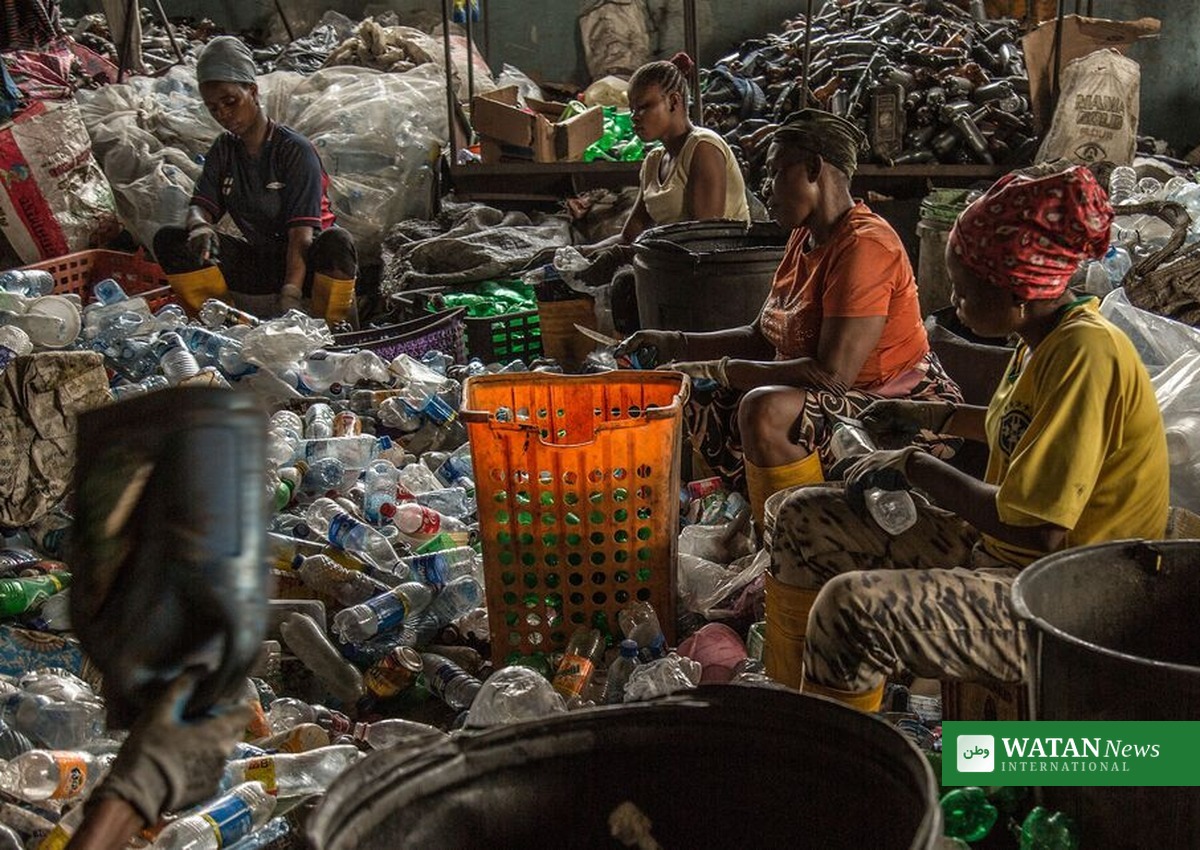
And Accra is not alone. GAIA points to cities already cutting methane with zero waste: Florianópolis in Brazil more than quadrupled food waste composting, from 1,175 tonnes in 2020 to 5,126 tonnes in 2024; Pune in India has 4,000 door-to-door waste pickers enforcing source segregation across one million households and diverting 25 tonnes of organic waste a day; Bandung in Indonesia saves its local government up to IDR 30 billion — about US$1.7 million — a year through decentralised community systems; Durban in South Africa turned 586 tonnes of organic waste from three markets into 190 tonnes of compost; and Dar es Salaam’s Nipe Fagio model collects waste from 4,500 households and diverts virtually all of their organic waste from disposal.
The economic case is strong. The Clean Air Fund’s State of Global Air Quality Funding 2026 found that less than 1 per cent of international development money targets outdoor air pollution — yet UNEP and the Climate and Clean Air Coalition’s Hidden Assets report estimates a US$15 return for every US$1 invested in measures that address air pollution and climate change together.
What campaigners want from COP31
As negotiations continue in Antalya, GAIA members are calling on policymakers to put waste prevention, reuse, source separation and organics management into climate policies and national climate plans, with targets for composting and food waste prevention — and to keep incineration out of zero-waste solutions. They are asking financiers to direct accessible climate and methane finance towards proven, locally led zero-waste systems, and to stop treating incineration as a methane solution. And they want governments to protect and formally integrate waste pickers through a just transition.
That demand connects directly to COP31’s Zero Waste Day on 11 November, when leaders presented sustainable living as cheaper living, and to the Global Zero Waste Alliance launched the same week. The question now, on Finance Day, is whether the money follows the message.
FAKTA
- Municipal waste and wastewater cause almost 20 per cent of human-caused methane; methane traps about 80 times more heat than CO2 over 20 years (Climate and Clean Air Coalition).
- 94 per cent of waste-sector methane finance goes to incineration; barely 1 per cent reaches organic waste management and food rescue (GAIA).
- GAIA’s new report tracks 15 waste-to-energy schemes in 10 African nations costing more than US$4 billion; waste pickers near Ethiopia’s Reppie plant lost 50 per cent of their earnings.
- GAYO’s Zero Waste Accra won the 2024 Earthshot Prize, received £1 million, supports 500 waste pickers and aims to redirect 4,000 tonnes of waste by 2030.
- Every US$1 invested in joint air pollution and climate measures returns about US$15 (UNEP / Climate and Clean Air Coalition).
Frequently asked questions
Who are waste pickers, and why do they matter for the climate?
Waste pickers are informal workers who collect, sort and sell recyclable and organic materials, often without formal employment or protection. They already recover large amounts of waste that would otherwise rot in landfills and release methane, so supporting them directly is one of the cheapest ways to cut emissions.
Why do campaigners oppose waste-to-energy incineration?
GAIA argues that burning waste releases the carbon in food scraps and paper as CO2 immediately, plus the fossil carbon in plastics, making waste-to-energy the most carbon-intensive form of waste management — 1.7 times as much greenhouse gas as coal power. Incinerators also need a steady supply of waste, so they compete with the composting and food-waste programmes that stop methane at source.
How much climate finance goes to incineration compared with zero waste?
According to GAIA, nearly US$4 billion — 94 per cent of waste-sector methane finance — has gone to capital-intensive incineration projects, while barely 1 per cent reaches organic waste management and food rescue systems. Campaigners say that imbalance is the central problem.
What is the Jakarta Declaration?
The Jakarta Declaration was adopted in September 2026 at GAIA Asia Pacific’s Second Regional Congress on Organics and Climate. It calls on national governments and financing institutions to halt funding for incinerators and redirect climate finance into low-cost, decentralised and locally led organic waste systems and food loss and waste reduction.
What is GAYO asking COP31 to do?
The Green Africa Youth Organisation is asking governments and climate financiers to send money directly to informal waste-picker networks and cities with zero-waste models, to formally integrate and protect waste pickers through a just transition, and to keep incineration out of climate finance and zero-waste solutions.
Author

usmanch0013@gmail.com
Related Posts
Fourteen Killed, 30 Injured in Fujairah Pile-Up Involving 23 Vehicles
- 0
- 734 words
Fourteen people were killed and 30 injured in a 23-vehicle pile-up on Sheikh Khalifa bin Zayed Road at the entrance to Fujairah,...
Read out all
COP31: Affaldsindsamlere kræver klimapenge til sig selv – ikke til forbrændingsanlæg
- 0
- 1,491 word
På COP31 i Antalya siger affaldsindsamlere og zero waste-grupper, at klimapengene skal nå de mennesker, der indsamler, sorterer og komposterer affald —...
Read out all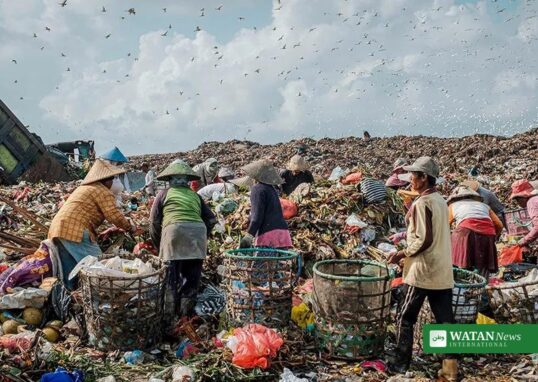
کاپ31 میں کچرا چننے والوں کا مطالبہ: موسمیاتی رقم ان تک پہنچے، جلانے والے پلانٹس تک نہیں
انطالیہ میں کاپ31 کے مالیاتی دن پر کچرا چننے والے اور زیرو ویسٹ تنظیمیں مطالبہ کر رہی ہیں کہ موسمیاتی رقم ان...
Read out all
Ten Police Officers Killed in Militant Ambush in Pakistan’s Kohat District
- 0
- 640 words
Ten police officers, including a senior officer, were killed and 12 wounded when militants ambushed a police convoy in Kohat, Pakistan, as...
Read out all
COP31: Mekanismen for en retfærdig omstilling tager form i Antalya
- 0
- 1,732 word
Forhandlerne ved COP31 i Antalya er begyndt at forme Belém-Antalya-mekanismen, med tidlig enighed om en struktur på to niveauer og finansiering som...
Read out all
کاپ31 میں مزدوروں کی منصفانہ منتقلی کا طریقہ کار شکل اختیار کر رہا ہے
انطالیہ میں کاپ31 کے مذاکرات میں بیلم انطالیہ طریقہ کار پر ابتدائی اتفاق رائے سامنے آیا ہے، اور مالیات سب سے بڑا...
Read out all