- 0
- 917 words
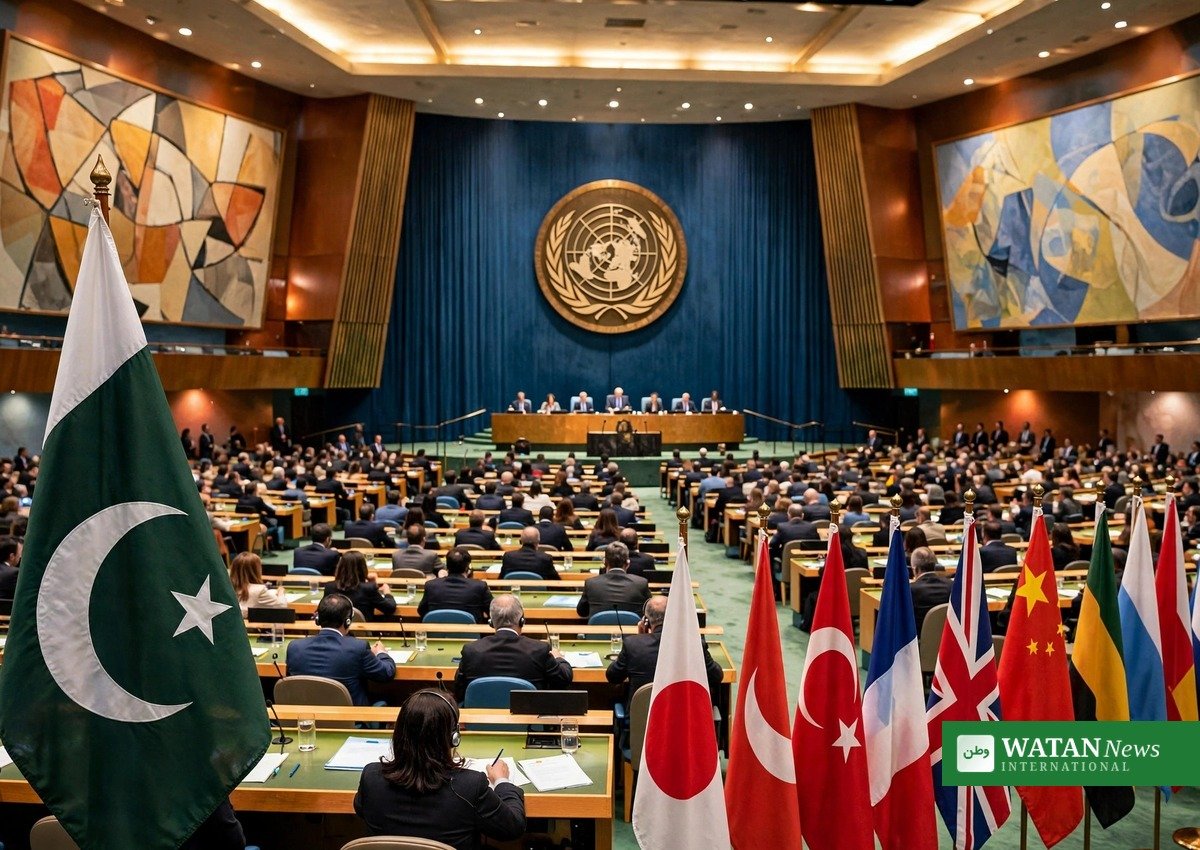
Deputy Prime Minister and Foreign Minister Senator Ishaq Dar briefed the media at the Foreign Office in Islamabad on Friday on Pakistan’s engagements at the 81st session of the United Nations General Assembly, whose high-level week ran in New York from September 21 to 25, 2026. In the Ishaq Dar UNGA briefing, he said Prime Minister Shehbaz Sharif led Pakistan’s delegation through a packed week of multilateral and bilateral engagements — and announced that UN Secretary-General António Guterres had accepted an invitation to visit Pakistan before retiring in December.
FAKTA: Pakistan at the 81st UNGA session
- High-level week: September 21–25, 2026, New York
- Briefing: Friday, October 2, 2026 — Foreign Office, Islamabad
- Delegation led by: Prime Minister Shehbaz Sharif
- Bilateral meetings: 28, according to Dar
- Agreements concluded: two memorandums on bilateral political consultations and one visa abolition agreement
- Security Council: Pakistani-sponsored resolution on multilateralism and peaceful dispute resolution adopted unanimously — a first in 12 years
- UN chief: António Guterres accepted an invitation to visit Pakistan before retiring in December
What the Ishaq Dar UNGA briefing revealed
Describing what he called a gruelling week, Dar said he personally attended 28 bilateral meetings during the high-level week of the 81st session. Pakistan also concluded two memorandums on bilateral political consultations with two countries, alongside a visa abolition agreement, he told reporters.
The deputy prime minister said he accompanied Prime Minister Shehbaz Sharif through a series of high-level bilateral engagements, using the week to press Pakistan’s case for regional and international peace and stability and to exchange views on key regional and international challenges.
Guterres visit and a Security Council first
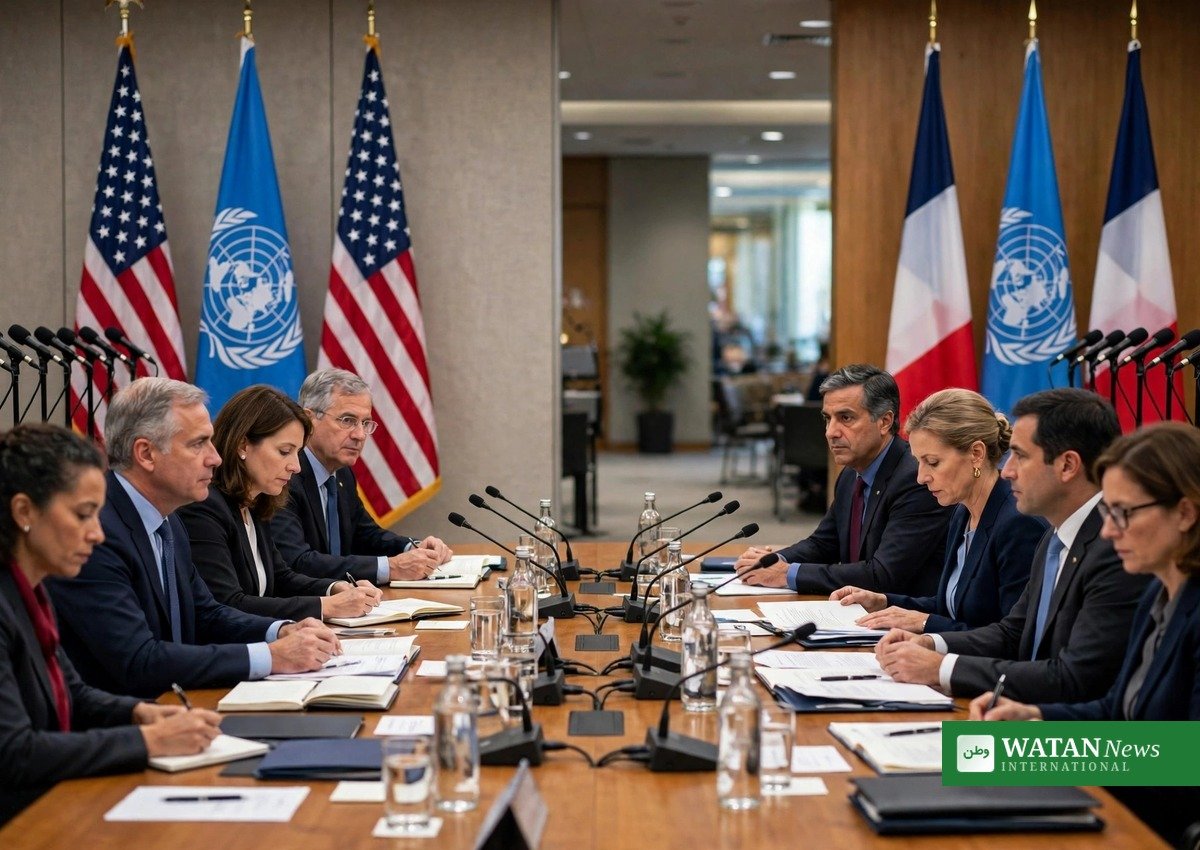
The headline announcement of the briefing was that UN Secretary-General António Guterres had accepted Pakistan’s invitation to visit the country before he retires in December. Dar said the invitation was extended during a delegation-level meeting with the UN chief, whom he described as “a very big supporter of Pakistan” whose role during natural calamities “can never be forgotten.” He said the programme of the visit would be released soon and that it was expected to be a memorable one.
Dar also pointed to a diplomatic milestone at the Security Council: a Pakistani-sponsored resolution on multilateralism and the peaceful settlement of disputes was unanimously adopted after 12 years — a signal, he said, of Pakistan’s active role in promoting multilateralism at the United Nations.
Palestine, Kashmir and Shehbaz’s address to the Assembly
Briefing the media on the prime minister’s participation, Dar said Shehbaz Sharif’s address to the General Assembly covered Palestine, Jammu and Kashmir, recent tensions with India, the Indus Waters Treaty, terrorism emanating from Afghanistan, and the situation in the Middle East. The prime minister also drew international attention to the Strait of Hormuz and Bab al-Mandab and their implications for global energy supply chains — disruptions Pakistan had itself felt through higher fuel prices. Dar described the address as an effective presentation of Pakistan’s position, saying it drew applause several times in the Assembly hall.
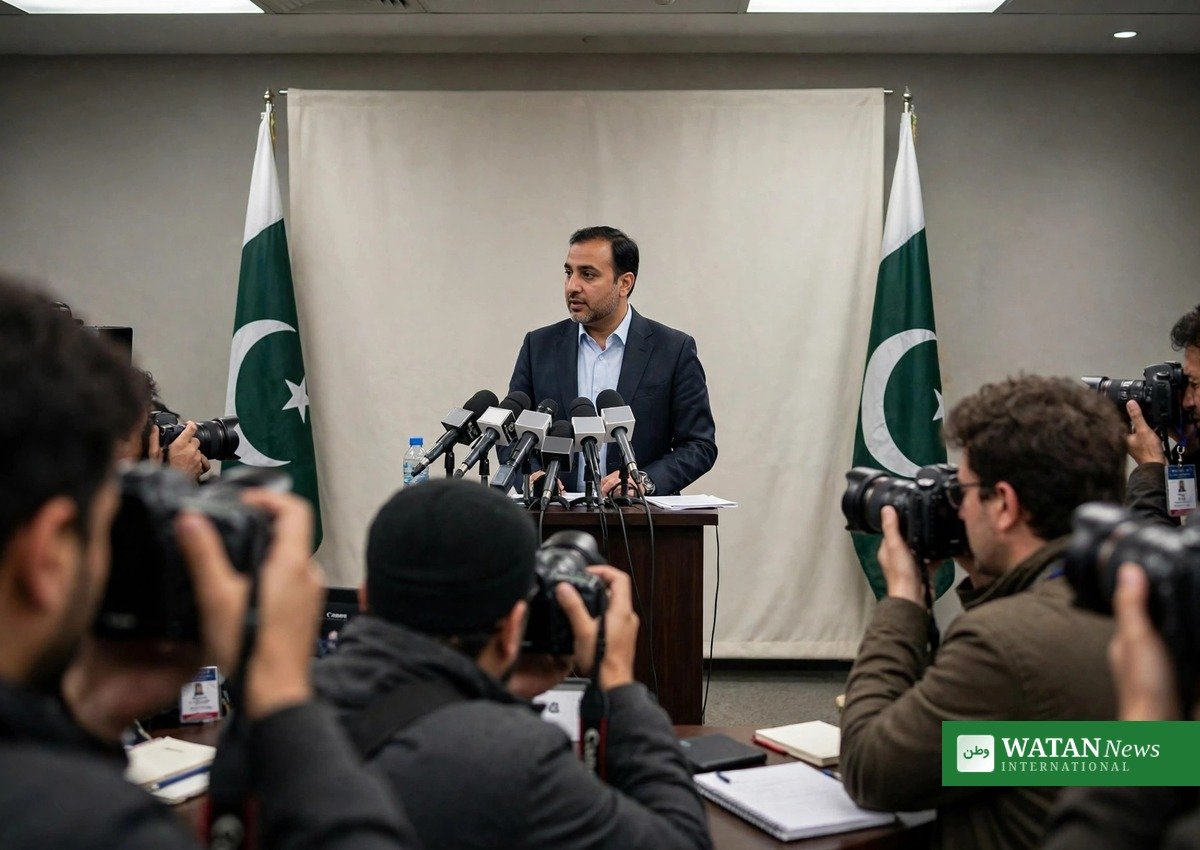
On his own programme, Dar highlighted Pakistan’s engagement with the OIC Contact Group on Jammu and Kashmir — where he reaffirmed support for the Kashmiris’ right to self-determination — the OIC foreign ministers’ annual coordination meeting, the meeting of the Group of Eight Arab-Islamic countries on Palestine, and the ministerial meeting of the Global Alliance for the Implementation of the Two-State Solution. He also delivered Pakistan’s statement at a UN Security Council high-level briefing on artificial intelligence, attended the high-level meeting on pandemic prevention, preparedness and response, and chaired the ECO Council of Ministers.
Read more in our World news section, and see the same story’s page on our main site: Ishaq Dar UNGA briefing.
Conclusion
The 81st UNGA session gave Pakistan a wide platform — and Dar’s briefing was designed to show it was used. Twenty-eight bilateral meetings, three signed agreements, a unanimous Security Council resolution after 12 years, and a promised visit by the UN Secretary-General amount to a week Islamabad will count as productive. Whether the momentum converts into concrete follow-through — on the Guterres visit, the Kashmir and Palestine diplomacy, and the economic ties Dar promised to pursue — is the test that now begins back in Islamabad.
Frequently Asked Questions
When was the 81st UNGA high-level week held?
The high-level week of the 81st session of the United Nations General Assembly ran in New York from September 21 to 25, 2026.
Who led Pakistan’s delegation at the UNGA?
Prime Minister Shehbaz Sharif led Pakistan’s delegation; Deputy Prime Minister and Foreign Minister Senator Ishaq Dar accompanied him and briefed the media on the engagements afterwards.
What agreements did Pakistan conclude during the week?
According to Dar, Pakistan concluded two memorandums on bilateral political consultations with two countries and one visa abolition agreement.
What did Dar announce about the UN Secretary-General?
Dar announced that UN Secretary-General António Guterres had accepted an invitation to visit Pakistan before retiring in December, with the programme to be released soon.
What did Prime Minister Shehbaz’s UNGA address cover?
His address covered Palestine, Jammu and Kashmir, recent tensions with India, the Indus Waters Treaty, terrorism emanating from Afghanistan, the Middle East, and the implications of disruptions in the Strait of Hormuz and Bab al-Mandab for global energy supply chains.
Sources: reporting on the Foreign Office briefing via Pakistan TV and Khyber Chronicles.
Author

usmanjaved13132@gmail.com
Related Posts
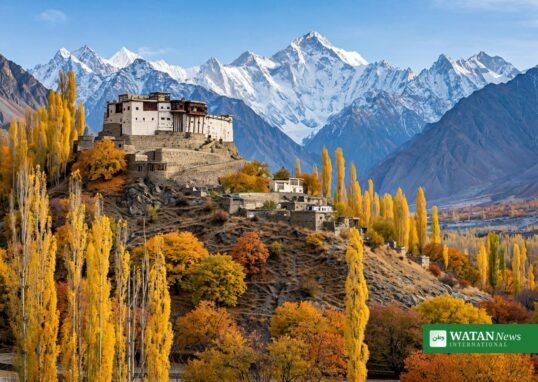
In Pictures: Hunza Valley Burns Gold as Autumn Peaks in the Karakoram
- 0
- 486 words
From mid-October to mid-November, Hunza Valley turns gold and crimson — Baltit Fort above amber poplars, Attabad Lake's turquoise glow, and the...
Read out all
Netflix Releases ‘Schumacher ’94 — The Birth of a Legend’ With Rare Corinna Schumacher Interview
- 0
- 803 words
Netflix releases 'Schumacher '94 — The Birth of a Legend' on October 2, 2026 — a 105-minute documentary on Michael Schumacher's dramatic...
Read out all
Global Air Passenger Demand Slips 0.8% in August as Middle East Downturn Bites: IATA
- 0
- 840 words
IATA reports global air passenger demand fell 0.8% in August 2026 as Middle East carriers' demand dropped 14.6%; excluding the region, demand...
Read out all
NCDs Now Cause Three-Quarters of Global Deaths as Life Expectancy Nears Pre-Pandemic Level, WHO Says
- 0
- 995 words
WHO's Global Health Estimates show life expectancy at 73.3 years in 2023 while noncommunicable diseases now account for 74 per cent of...
Read out all
Gender Equality 171 Years Away as Institutions Are Stripped of Power, UN Warns
- 0
- 1,013 word
UN Women's Gender Snapshot 2026 finds gender equality is 171 years away at current rates, with one in three equality institutions stripped...
Read out all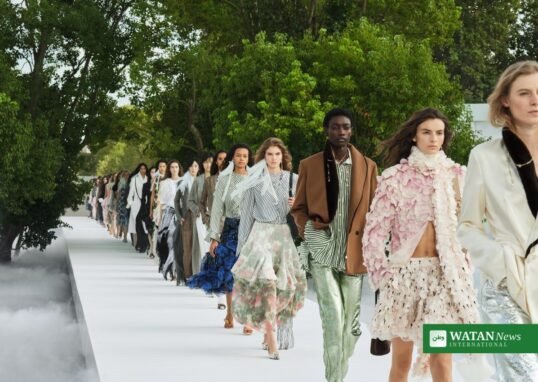
Gold, debuts and a possible farewell: Paris Fashion Week’s Spring-Summer 2027 highlights
- 0
- 929 words
Paris Fashion Week's Spring-Summer 2027 edition is in full swing: Jonathan Anderson's walnut-themed Dior show at the Tuileries, a gilded Saint Laurent...
Read out all