- 0
- 1,458 word
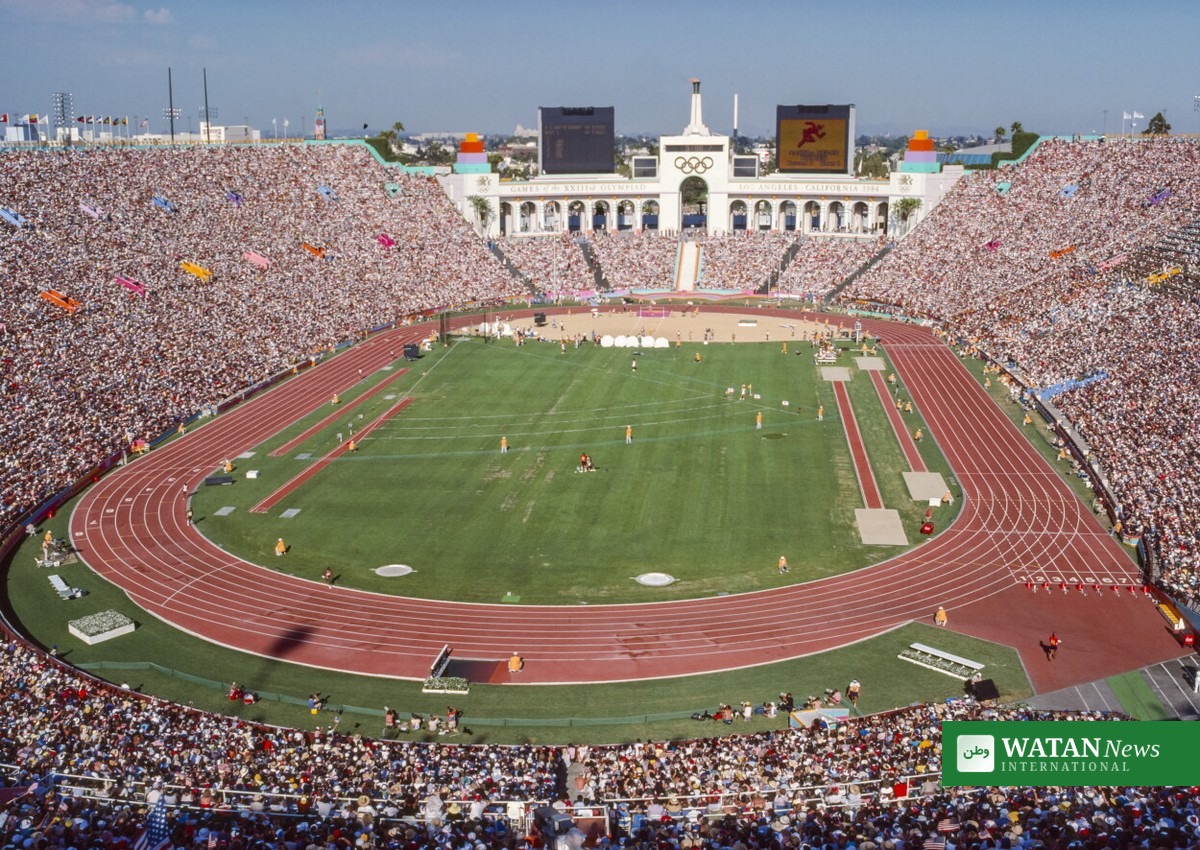
Los Angeles — A coalition of more than 75 organisations launched a campaign on Thursday evening calling on Los Angeles leaders and the organisers of the 2028 Olympic and Paralympic Games to make LA28 the first single-use plastic-free Games in history. The campaign, “Don’t Waste the Games”, wants disposable cups, bottles and food containers replaced with reuse systems at every venue, fan zone and dining hall — and a lasting legacy of refillable infrastructure for the city after the Games leave.
The launch took the form of a virtual rally hosted by The Story of Stuff Project, Heal the Bay, the Plastic Pollution Coalition and CalPIRG, with four-time Olympic gold medallist diver Greg Louganis, record-breaking swimmer Diana Nyad, Los Angeles City Councilmember Katy Yaroslavsky and Michelin-starred chef Gilberto Cetina taking part. More than 4,300 people have already urged Games decision-makers, sponsors and city officials to adopt reuse systems and skip single-use plastics at LA28.
Key facts
- “Don’t Waste the Games” launched with a virtual rally on Thursday 19 November, hosted by The Story of Stuff Project, Heal the Bay, the Plastic Pollution Coalition and CalPIRG, and backed by more than 75 organisations.
- The campaign asks LA28 organisers, venues and food and beverage sponsors to ban single-use plastics in venues, fan zones and Olympic Village dining, and to install water refill stations and reusable cup and foodware systems.
- More than 4,300 people have urged Games decision-makers, sponsors and city officials to adopt reuse systems at LA28.
- Rally participants called Los Angeles City Councilmembers and the Mayor-Elect, Nithya Raman, and submitted public comments supporting a proposed citywide dine-in reuse ordinance that would apply to 2028 Games venues.
- More than 400 million tonnes of plastic are produced every year worldwide, according to the UN, half of it designed to be used only once, and less than 10 per cent is recycled.
- LA28’s own sustainability plan, published in August 2025, promises 100% renewable electricity for its venues and reusing or recycling at least 90% of materials used for temporary infrastructure.
What the campaign asks for
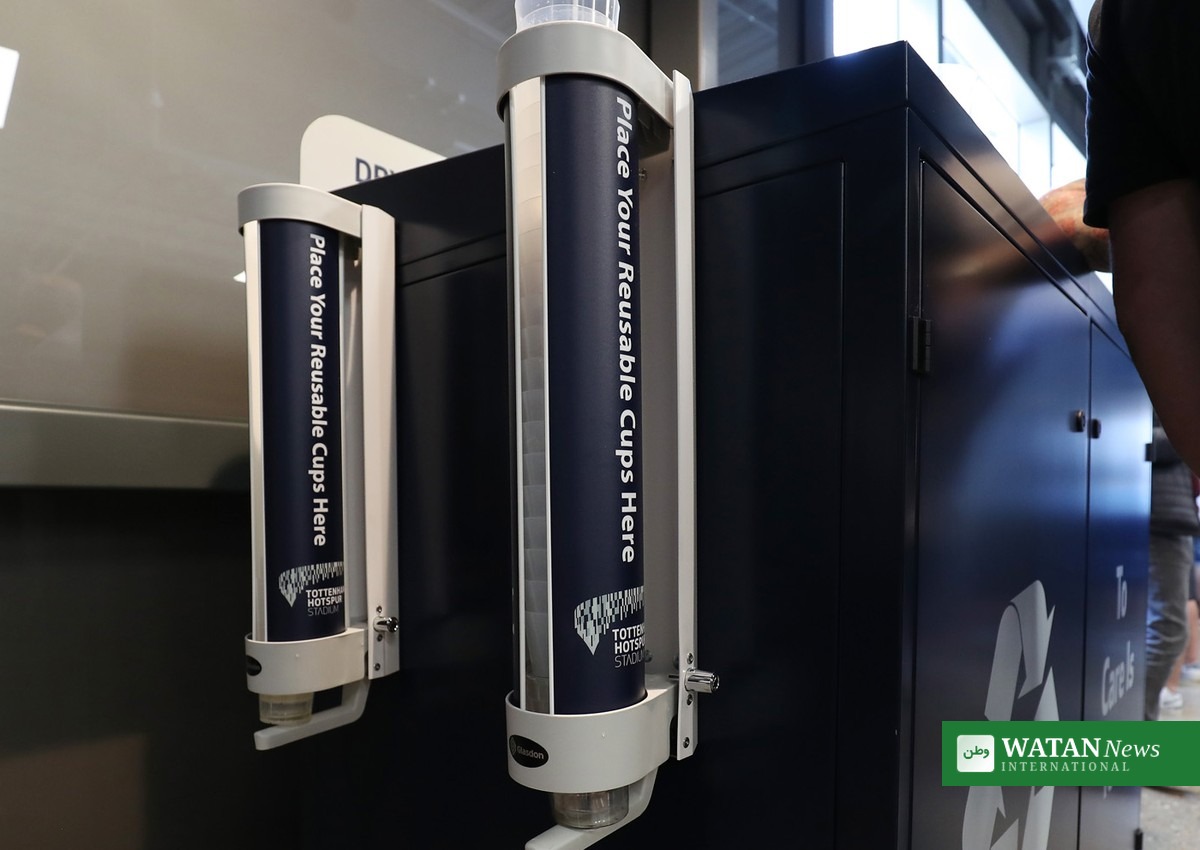
The campaign’s demands are practical rather than symbolic. Organisers want beverages served only in reusable cups that are collected, sanitised and used again; food served on durable, reusable diningware; widespread water refill stations so spectators can bring their own bottles instead of buying single-use plastic bottles; and discounts or perks for attendees who bring refillable containers.
The University of California, Los Angeles (UCLA), which will host the 2028 Olympic Village, is held up as the model: its dining halls have already begun replacing single-use plastic foodware with reusable or locally compostable alternatives, and the campaign wants all on-site dining in the Village served on reusable diningware. The campaign is also pressing Los Angeles to pass a citywide dine-in reuse ordinance before the Games, so the rules apply to restaurants and major event venues across the city, not just to Olympic sites.
“Reducing plastic pollution shouldn’t depend on every individual making the right choice every single time — we need to make reuse the easiest and most convenient option,” the campaign said at the launch. “We should have reusable foodware, refillable water stations, and meaningful waste reduction practices across Olympic and Paralympic venues.”
Who is behind it
The coalition spans local Los Angeles groups, national and international environmental nonprofits, environmental justice advocates, reuse businesses, public health organisations and sports groups, along with a growing roster of Olympians and professional athletes. University of California chapters are running the campaign on campuses statewide: all eight UC chapters are taking part, and organisers say around 4,500 petition signatures were gathered in the campaign’s first two weeks, towards a goal of 10,000. A press conference with UC campuses is planned for 1 December to present the public support collected.
The campaign also has a precedent to point to. AEG, the world’s second-largest concert promoter, has already replaced single-use cups at the Crypto.com Arena — the venue LA28 calls the DTLA Arena, which will host gymnastics, trampoline, boxing and wheelchair basketball — with reusable, sturdy cups that attendees deposit at the end of events to be sanitised and reused. The campaign argues that what works for a 20,000-seat arena can work for the Games.
Why the Games matter for waste
The Olympics are among the world’s biggest single gatherings: the 2028 Games will bring millions of visitors, spectators and athletes to Los Angeles, and without action the event would generate mountains of disposable cups, bottles and packaging — waste that clogs landfills, litters communities, pollutes the coastline and breaks down into the microplastics now found in air, land, water and human bodies.
The scale of the underlying problem is global. The UN says more than 400 million tonnes of plastic are produced every year worldwide, half of it designed to be used only once, and less than 10 per cent is recycled. An estimated 19 to 23 million tonnes end up in lakes, rivers and seas annually — roughly the weight of 2,200 Eiffel Towers — and without urgent action that figure is expected to rise by 50 per cent by 2040. A UN Environment Programme report, “Turning off the Tap”, found plastic pollution could be cut by 80 per cent by 2040 if the world acts now to reuse, recycle and redesign. At COP31, campaigners made the same prevention-first argument about waste, saying stopping waste at the source must come before capturing what it produces.
What LA28 has already promised
LA28 has begun making plans for sustainability in its venues. Its Impact and Sustainability Plan, released in August 2025, includes purchasing 100% renewable electricity for its venues and reusing or recycling at least 90% of materials used for temporary infrastructure. The campaign’s case is that these commitments should now be matched by a clear reuse standard for the things spectators actually hold in their hands: cups, bottles and food containers.
The campaign also points to Paris, where organisers tried reuse measures at the last Summer Games, and argues Los Angeles can improve on them — with the Olympic Village at UCLA, the reusable-cup system already running at the DTLA Arena, and a city reuse ordinance as the three building blocks of a Games that leaves Los Angeles with permanent refill and reuse infrastructure.
The wider picture
The launch came in a week when waste policy moved on two other fronts. In Washington state, regulators fined 38 plastic producers a combined $246,548 for missing the state’s minimum recycled-content requirements on products sold in 2025 — the second year of penalties under a 2021 law that will require at least 50% recycled content in beverage, cleaning and personal care containers by 2036. And in the recycling industry, waste giant WM agreed to supply nearly 25 million pounds a year of waste polypropylene to PureCycle Technologies, which turns post-consumer plastic into purified resin for new packaging; WM says it has increased the amount of polypropylene it recycles by 250% since 2019.
For the campaign, the message of the week is the same from enforcement, industry and the Games: the system only changes when reuse and recycled content become the default, not the exception. The next test comes on 1 December, when university campaigners present their petition signatures in Los Angeles.
Frequently asked questions
What is “Don’t Waste the Games”?
It is a campaign launched on 19–20 November 2026 by a coalition of more than 75 organisations, led by The Story of Stuff Project, Heal the Bay, the Plastic Pollution Coalition and CalPIRG. It calls on LA28 organisers, venues, sponsors and Los Angeles leaders to deliver a single-use plastic-free 2028 Olympic and Paralympic Games by replacing disposable plastics with reuse systems.
What would a plastic-free LA28 look like?
Beverages served only in reusable cups, food on durable reusable diningware, water refill stations across all venues, and a ban on single-use plastics in venues, fan zones and Olympic Village dining — with discounts for spectators who bring refillable bottles. The model already exists: UCLA’s dining halls use reusable diningware, and the DTLA Arena has replaced single-use cups with reusable ones.
How much plastic does the world produce?
More than 400 million tonnes every year, according to the UN — half of it designed to be used only once, and less than 10 per cent recycled. An estimated 19 to 23 million tonnes leak into lakes, rivers and seas annually, a figure expected to rise by 50 per cent by 2040 without urgent action.
What has LA28 already promised on sustainability?
LA28’s Impact and Sustainability Plan, published in August 2025, promises 100% renewable electricity for its venues and reusing or recycling at least 90% of materials used for temporary infrastructure. The campaign wants these commitments matched by a clear reuse standard for cups, bottles and food containers.
How can people support the campaign?
Through the campaign’s petition and website, and through the public comment process for the proposed Los Angeles dine-in reuse ordinance. University of California chapters are collecting signatures statewide towards a goal of 10,000, and plan a press conference on 1 December to present the support gathered.
Author

usmanch0013@gmail.com
Related Posts

کھیل ضائع نہ کریں: ایل اے 28 کو پہلا ایک بار استعمال ہونے والے پلاسٹک سے پاک اولمپکس بنانے کی مہم شروع
75 سے زائد تنظیموں نے 'کھیل ضائع نہ کریں' مہم شروع کی ہے، جس میں ایل اے 28 کے منتظمین اور لاس...
Read out all
Spild ikke legene: Kampagne vil gøre LA28 til de første OL uden engangsplastik
- 0
- 1,469 word
Mere end 75 organisationer har lanceret 'Spild ikke legene', en kampagne der opfordrer LA28's arrangører og Los Angeles' ledere til at gøre...
Read out all
COP31 udsat til lørdag: Udkast uden fossile brændstoffer, sundhed eller 120 milliarder dollar venter på tredje omskrivning
- 0
- 2,043 words
COP31's afsluttende plenarmøde i Antalya blev udsat til lørdag morgen, da landene ikke kunne blive enige om et udkast, der dropper enhver...
Read out all
کاپ31 ہفتے تک معطل: حیاتیاتی ایندھن، صحت اور 120 ارب ڈالر کے بغیر مسودے کی تیسری نظرثانی متوقع
- 0
- 3 words
انطالیہ میں کاپ31 کا اختتامی اجلاس ہفتے کی صبح تک معطل کر دیا گیا، کیونکہ ممالک ایک ایسے مسودے پر متفق نہ...
Read out all
COP31 Suspended Into Saturday as Fossil-Fuel-Free Draft Faces a Third Rewrite
- 0
- 1,921 word
COP31's closing plenary in Antalya was suspended until Saturday morning as countries deadlocked over a draft decision that drops every mention of...
Read out all
Houthis Threaten Saudi Red Sea Ports as Coalition Strikes Hodeidah
- 0
- 690 words
Yemen's Houthis threatened Saudi Arabia's Red Sea ports and warned airlines to stay out of Saudi airspace on Friday, after the Saudi-led...
Read out all