- 0
- 765 words
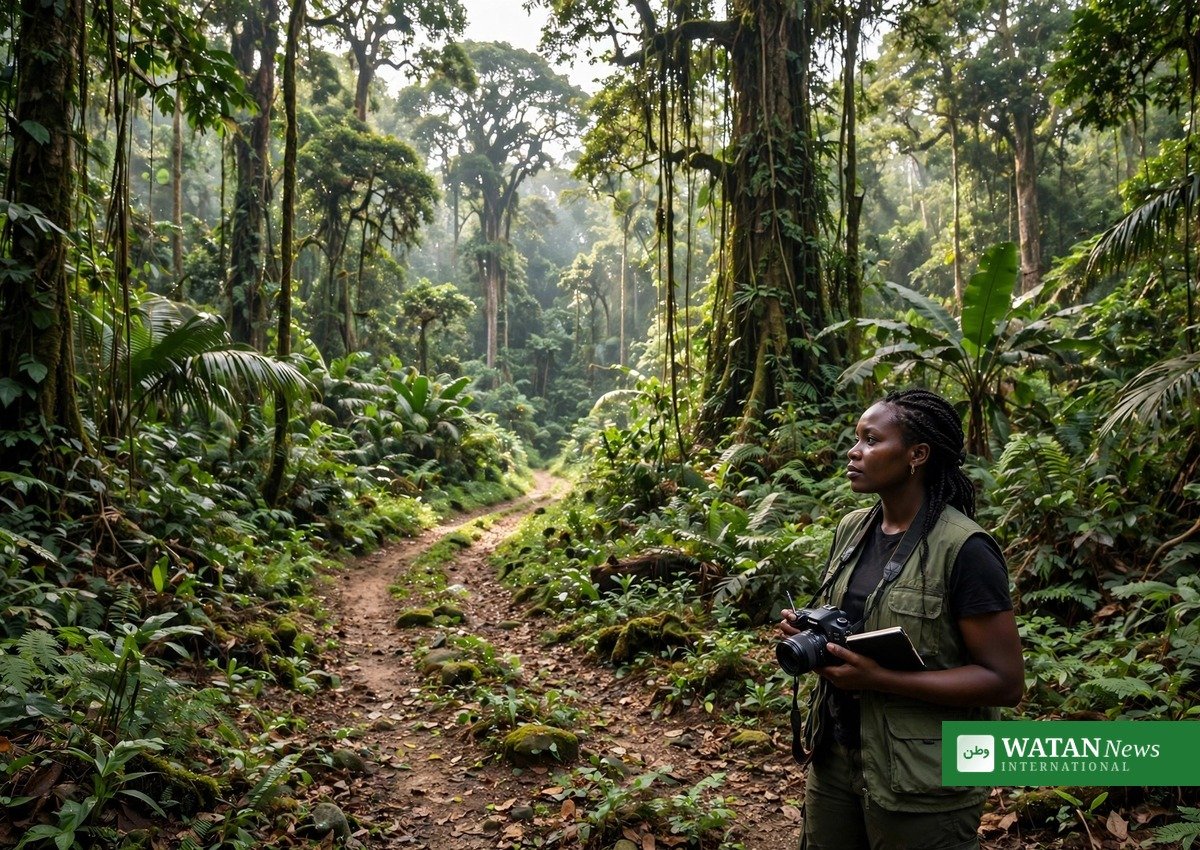
The Earth Journalism Network (EJN) is bringing around 30 journalists together for a two-day forest governance media workshop on 21–22 October 2026, held virtually under its Forest Governance Media Initiative (FGMI) and with funding from UK International Development. The training aims to strengthen reporting on deforestation, community rights and sustainable forest management across Africa and in forest-risk commodity consumer markets.
The workshop will run on Zoom for four hours each day, from 9:00 AM to 1:00 PM GMT, and is aimed primarily at journalists from Ghana, Liberia and Cameroon. Journalists from forest-risk commodity (FRC) consumer markets in Europe and Asia — including the European Union, the United Kingdom, China and India — are also encouraged to take part, according to EJN.

What the forest governance media workshop will cover
Participants will be trained by forestry specialists, investigative journalists and policy analysts. The programme covers REDD+, community forestry, illegal logging, cocoa plantations and forest law enforcement, as well as the impact of gold mining and cocoa production on forests and the implementation of FLEGT licensing.
Journalists will also learn how to report on major international frameworks — the European Union Deforestation Regulation (EUDR), REDD+ and the Global Biodiversity Framework — and how to turn complex policies into compelling African stories. Practical sessions will cover investigative techniques for exposing forest governance failures, data visualization tools, safety protocols for reporting in sensitive areas and pitching cross-border story ideas.
Who can take part
EJN says applications are open to journalists from any African country working in any medium — online, print, television, radio or multimedia — with professional reporting experience. Freelance reporters and staff from community-based, local, national and international outlets are all welcome, and the network especially encourages women, rural, Indigenous, underrepresented and early-career journalists to participate.
Applicants need a good command of English and reliable internet access. Around 30 journalists will be accepted. Those who attend all sessions will receive a certificate of completion from EJN, and a limited number of communications stipends will be offered to participants with unstable internet connections in remote areas.
Why forest governance reporting matters
Forest governance across Africa is increasingly seen as a cornerstone of continental action on climate change, biodiversity conservation and the fight against poverty and inequality. Several African governments are now transferring forest management rights to local communities, giving historically marginalized groups — especially women and Indigenous Peoples and Local Communities — a stronger voice.
At the same time, the pressures on forests remain severe. The 2025 Forest Declaration Assessment found that 86% of annual global deforestation is driven by permanent agriculture, while mining adds growing pressure and primary forest loss is particularly severe in Tropical Africa. EJN notes that weak law enforcement, limited transparency and the continued sidelining of women and other vulnerable groups remain deep-rooted challenges.
Findings like these show why skilled environmental reporting matters. Watan News has previously covered EJN’s journalism fellowships, including the EJN fellowships for 10 journalists to cover the first High Seas Treaty COP in New York, which closed applications on 27 October 2026.
FAKTA: EJN forest governance workshop
- Dates: 21–22 October 2026 (two days, virtual on Zoom)
- Organizer: Earth Journalism Network (Internews), under the Forest Governance Media Initiative
- Participants: around 30 journalists; sessions 9:00 AM–1:00 PM GMT daily
- Focus: Ghana, Liberia and Cameroon, plus FRC consumer markets (EU, UK, China, India)
- Funding: UK International Development (UK government)
- Outcome: certificate of completion; limited connectivity stipends for remote areas
Frequently asked questions
When and where is the workshop?
The workshop takes place virtually on Zoom over two consecutive days, 21–22 October 2026, with four hours of training sessions each day from 9:00 AM to 1:00 PM GMT.
Who can participate?
Journalists from any African country with professional reporting experience, with preference for Ghana, Liberia and Cameroon. Journalists from forest-risk commodity consumer markets in Europe and Asia (EU, UK, China, India) covering environment, natural resources, agriculture, mining or governance are also encouraged. Applicants need a good command of English and reliable internet access.
What will journalists learn?
Reporting on REDD+, community forestry, illegal logging, cocoa and mining impacts, the EU Deforestation Regulation, the Global Biodiversity Framework and FLEGT licensing — plus investigative techniques, data visualization, safety protocols and cross-border story pitching.
What is the Forest Governance Media Initiative?
FGMI is an EJN (Internews) programme supporting journalists, media and civil society in forest-risk commodity producer and consumer countries. It focuses on five target countries — Indonesia, Vietnam, Cameroon, Ghana and Liberia — through story grants, training workshops, fellowships and reporters’ resources, and is funded by UK International Development.
Do participants receive a certificate?
Yes. Participants who attend all sessions receive a certificate of completion from EJN. A limited number of communications stipends are also available for journalists with unstable internet connections in remote areas.
Author

usman2344913@gmail.com
Related Posts
EJN-workshop om skovforvaltning: 30 journalister trænes i skovrapportering
- 0
- 746 words
Earth Journalism Network (EJN) samler omkring 30 journalister til en to-dages virtuel workshop om skovforvaltning den 21.–22. oktober 2026 under sit Forest...
Read out all
جنگلات کی حکمرانی میڈیا ورکشاپ: ای جے این تیس صحافیوں کو تربیت دے گا
ارتھ جرنلزم نیٹ ورک (ای جے این) اپنی جنگلات کی حکمرانی میڈیا ورکشاپ کا انعقاد کر رہا ہے — ۲۱ اور ۲۲...
Read out all
Missiles Strike Aden Airport as Saudi Coalition Intercepts Ballistic Missile Bound for Yanbu
- 0
- 690 words
Two missiles landed on the grounds of Aden International Airport in southern Yemen on Friday, while the Saudi-led military coalition said it...
Read out all
Oil Tanker Catches Fire in Gulf of Oman Near Restricted Zone East of Hormuz, Iran’s Navy Says
- 0
- 571 words
Iran’s navy says an oil tanker caught fire on Friday in the Gulf of Oman while attempting to pass through a restricted...
Read out all
The World’s Best Island and Seaside Escapes: A 2026 Guide to Shores of Wonder
- 0
- 1,234 word
Some coastlines you visit; others you remember for the rest of your life. This guide to the best island seaside escapes brings...
Read out all
IMF Urges Latin America to Cut Debt and Lift Productivity While Conditions Hold
- 0
- 641 words
The International Monetary Fund has urged Latin American governments to use still-favourable global conditions to cut public debt and raise productivity, warning...
Read out all