- 0
- 755 words
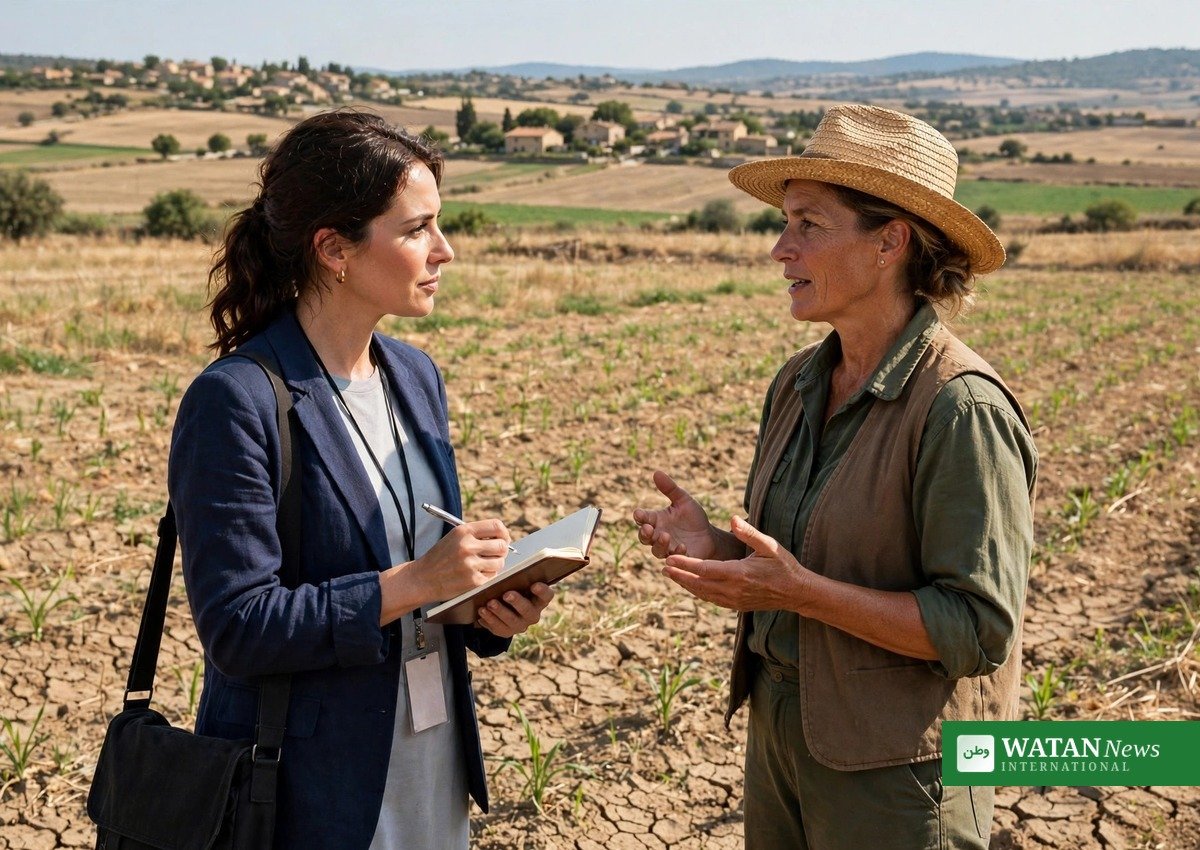
CANADA. The Equality Fund has opened applications for its inaugural Journalism Fellowship, a new opportunity designed to support working journalists in Global South countries who report on local solutions to global crises — including the climate crisis — through a gender lens.
The fellowship, launched in partnership with Canadian Journalists for Free Expression (CJFE) and African Women in Media (AWiM), will select up to five journalists for a programme running from January to September 2027. Each fellow will receive a CAD 4,000 stipend and up to CAD 500 in reporting expenses, according to the fund’s official announcement.
Applications close on 8 November 2026.
A fellowship built around solutions, not just problems
The objective of the fellowship is clear: each fellow is expected to publish at least one story on local solutions to a global crisis, with a focus on gender. The Equality Fund lists climate, gender-based violence, authoritarianism, anti-rights movements, the rollback of sexual and reproductive rights and health, economic injustice, and war and conflict among the global crises eligible for coverage.
For climate journalism, the fellowship answers a real need. Journalists reporting from communities already living through floods, droughts, heatwaves and displacement often do so with limited resources and real personal risk. The programme’s emphasis on “local solutions” directs attention to the people and communities already responding — from women farmers adapting crops to first responders in disaster-hit areas.
“Fact-based reporting can change the world. We will support the work of journalists reporting in their own communities to shift whose solutions are brought into view,” said Jess Tomlin, CEO of the Equality Fund, according to the official announcement.
What fellows get — and what it takes to apply
The fellowship combines funding with structured professional development. Alongside the stipend and reporting expenses, fellows take part in six months of programming followed by three additional months to complete and publish their stories.
Monthly online sessions are led by journalists and experts, including climate journalist Nina Lakhani of The Guardian and Drilled, and journalism and ethics professor Kelly Kimball of CUNY. Journalism safety training comes from the International Women’s Media Foundation (IWMF) and the Freedom of the Press Foundation — a notable commitment at a time when environmental and climate journalists face growing threats worldwide.
The programme also includes one in-person convening, with travel expenses covered. Fellows keep complete editorial independence and retain intellectual property rights over their work, while the fund retains the right to publish or reproduce the work to promote the fellowship.
Who can apply
The fellowship is open to full-time and independent freelance journalists working in ODA-eligible countries who have at least three years of journalism experience. Applicants must be based in, and reporting on, communities in those countries, submit three strong journalism samples, and be fluent in English.
Women, non-binary and transgender journalists are encouraged to apply. Shortlisted applicants will be asked to submit a letter of editorial commitment from a news outlet — or, for self-publishing journalists, a fact-checking plan.
The fund has set a clear rule on artificial intelligence: use of AI in the proposal and application is not permitted, while any use of AI during the journalistic process must be disclosed to the programme and approved in advance.
Why this matters for climate journalism
Climate change remains one of the most under-reported stories in the world’s most affected regions, even as the demand for accurate, evidence-based climate reporting grows. UNESCO has documented that at least 46 environmental journalists have been killed since 2010, a reminder of the dangers facing reporters who cover environmental degradation and climate accountability.
The Equality Fund fellowship adds to a growing ecosystem of support for climate journalists — alongside established awards and fellowships recognising excellence in climate reporting — by putting resources directly behind reporters in the communities most affected by the crisis.
Dr. Yemisi Akinbobola, CEO of African Women in Media, said transformative change in media systems is essential for achieving gender equality across Africa and beyond. Michelle Shephard, co-president of CJFE, said the fellows would be doing work that could not be more crucial at this time.
FAKTA
- What: Inaugural Equality Fund Journalism Fellowship — up to 5 journalists
- Who: Working journalists in ODA-eligible (Global South) countries with 3+ years’ experience
- Support: CAD 4,000 stipend + up to CAD 500 in reporting expenses
- Focus: Local solutions to global crises — including climate — with a gender lens
- Timeline: January–September 2027; applications close 8 November 2026
Journalists interested in the opportunity can follow further coverage of climate journalism on Watan News International.
Author

usman2344913@gmail.com
Related Posts
OPEC Slashes 2026 Oil Demand Growth Forecast to 400,000 BPD
- 0
- 469 words
The Organization of the Petroleum Exporting Countries has sharply downgraded its outlook for global oil demand growth in 2026, cutting its forecast...
Read out all
Equality Fund lancerer journaliststipendium for journalister i det globale syd
- 0
- 777 words
CANADA. Equality Fund har åbnet for ansøgninger til sit første journaliststipendium — en ny mulighed for arbejdende journalister i landene i det...
Read out all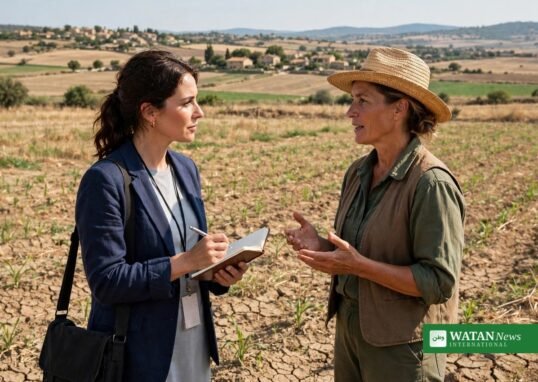
ایکویالٹی فنڈ کی پہلی صحافتی فیلوشپ: گلوبل ساؤتھ کے صحافیوں سے درخواستوں کا آغاز
کینیڈا۔ ایکویالٹی فنڈ نے اپنی پہلی صحافتی فیلوشپ کے لیے درخواستیں طلب کر لی ہیں۔ یہ فیلوشپ گلوبل ساؤتھ کے ان صحافیوں...
Read out all
Virginia frigiver 67 millioner dollars til energieffektivitet i hjemmene: Over 1.000 boliger får reparationer og lavere regninger
- 0
- 590 words
Virginia har frigivet over 67 millioner dollars i RGGI-klimamidler til energieffektivitet i hjemmene — 15 millioner til kritiske reparationer i over 1.000...
Read out all
ورجینیا نے گھروں کی توانائی کی بچت کے لیے 67 ملین ڈالر جاری کر دیے، ایک ہزار سے زائد گھروں کی مرمت ہوگی
ورجینیا نے گھروں کی توانائی کی بچت کے لیے 67 ملین ڈالر سے زائد کے موسمیاتی فنڈز جاری کر دیے: 15 ملین...
Read out all
Virginia Unlocks $67 Million for Home Energy Efficiency: 1,000+ Homes to Get Repairs and Lower Bills
- 0
- 543 words
Virginia has released over $67 million in RGGI climate funds for home energy efficiency — $15M for critical repairs in 1,000+ homes...
Read out all