- 0
- 637 words
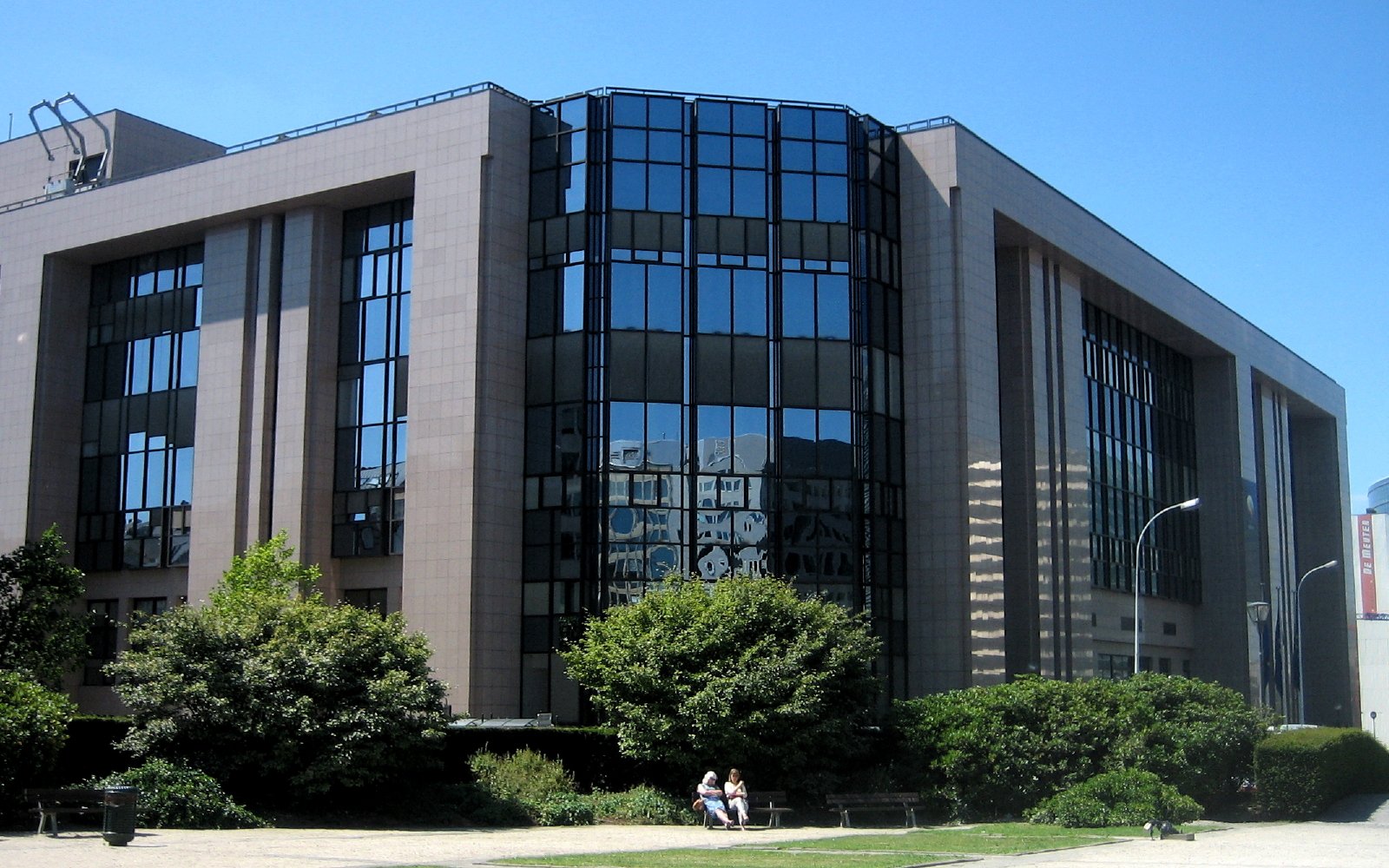
BRUSSELS / ANTALYA — European Union governments are preparing for COP31 with a sharper message than in recent years: climate pledges alone are no longer enough. Draft Council conclusions circulating in mid-September, reported by Euronews and discussed again this week in Brussels, put delivery — clean power, electrification, methane cuts and a gradual move away from fossil fuels — at the centre of the bloc’s opening position for the November summit in Antalya, Türkiye.
A draft dated 14 September and seen by Euronews states that the Council “highlights with concern that current ambition and implementation remain insufficient to limit warming to 1.5°C.” Rather than chasing a fresh round of headline targets, EU ambassadors want COP31 to produce concrete outcomes: faster clean-energy deployment, a transition away from fossil fuels, greater electrification, tripling renewable energy, doubling energy-efficiency improvements, and cutting methane and other non-CO2 emissions by 2030.
The draft urges all parties, particularly major emitters, to act with the highest possible ambition, return to a 1.5°C-compatible trajectory and minimise the magnitude and duration of any temperature overshoot. Diplomats also want “tangible progress” closing ambition and implementation gaps and setting direction for the next Paris Agreement cycle. According to Euronews, Brussels frames the fossil transition as energy security and affordability after Middle East-linked price volatility, and presses parties to fold National Adaptation Plans into national investment and development strategies. The draft also highlights carbon pricing.
Finance remains the hard track
On climate finance, the EU will call for increased support for developing countries covering mitigation, adaptation, and loss and damage, and will reaffirm efforts to triple adaptation finance — while stressing that public money alone cannot meet the investment scale required. Climate Action Network Europe’s Sven Harmeling welcomed language on 1.5°C, renewables, just transition and adaptation, but said the text still sidesteps Europe’s own contribution: “The draft still avoids the central question: what will the EU actually put on the table?”
Climate Commissioner Wopke Hoekstra had earlier described recent COP outcomes as “underwhelming.” UNEP has separately warned that the world is set to cross 1.5°C but can still limit warming, adapt and return from higher temperatures.
Phase-out language held; host under scrutiny
Agence Europe reported on 17 September that a third provisional version — now eight pages, up from five in a July Dublin draft — was discussed at the Working Party on the Environment. That text adds geopolitical framing referencing Russia’s war of aggression against Ukraine and the situation in the Middle East, without linking those references to specific climate findings. It retains a gradual fossil-fuel phase-out, championed by the Netherlands, which published a national fossil phase-out plan on 15 September. The draft also emphasises clean electrification, renewables, efficiency and CO2 and methane cuts, and mentions international carbon credits, the bioeconomy and citizens’ acceptance in a just transition.
COP31 runs 9–20 November in Antalya. Host Türkiye faces separate analytical scrutiny. Climate Action Tracker (CAT) analysis cited by Euronews finds Türkiye continues to prioritise fossil fuels in the power sector despite renewable potential and recent renewable growth, and lacks a clear domestic fossil phase-out plan. CAT notes solar is now Türkiye’s lowest-cost electricity and undercuts domestic coal — a point attributed to Bill Hare of Climate Analytics — and warns that without parallel fossil phase-out, rising electricity demand risks being met partly by coal and gas. CAT contrasts the COP31 Action Agenda’s “35% electrification by 2035” goal with Türkiye’s National Energy Plan projecting about 24.9% electricity share of final energy in 2035 (from 21.8% in 2020). As CAT analysis — not adopted policy — it suggests 1.5°C-compatible power benchmarks including coal phase-out by 2040 and fossil gas by 2045.
As ministers prepare for Antalya, the EU’s draft position crystallises a political bet: that COP31 will be judged less on new promises than on real deployment, finance clarity and a credible path away from fossil fuels — including in the host country itself.
Author

watannews321@gmail.com
Related Posts
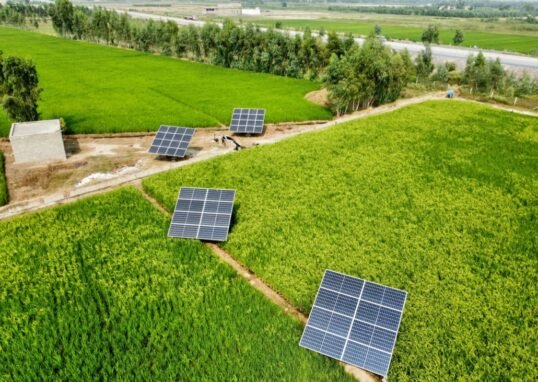
Harnessing the Power of Nature: The Growth of Renewable Energy in Pakistan
- 0
- 463 words
Pakistan’s renewable energy sector is experiencing significant growth, with a focus on solar power and wind energy. The country’s government has set...
Read out all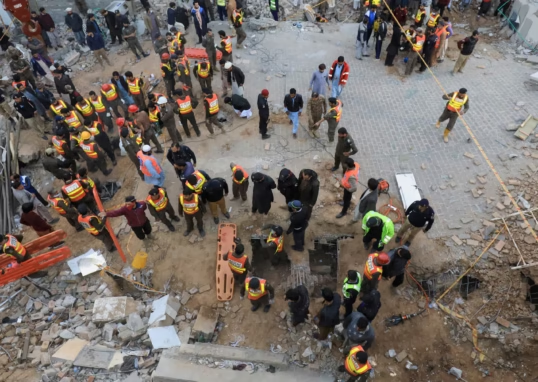
Tragic Blast at Police Complex Mosque in Pakistan: Casualties and Response
- 0
- 398 words
A powerful blast at a police complex mosque in Pakistan has resulted in multiple casualties, according to reports from local authorities. The...
Read out all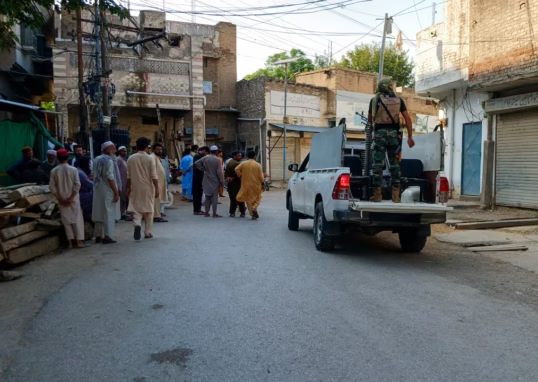
Tragic Suicide Attack Near Mosque in Northwest Pakistan: 16 Lives Lost
- 0
- 355 words
A suicide bombing near a mosque in northwest Pakistan has claimed the lives of at least 16 people, in an attack that...
Read out all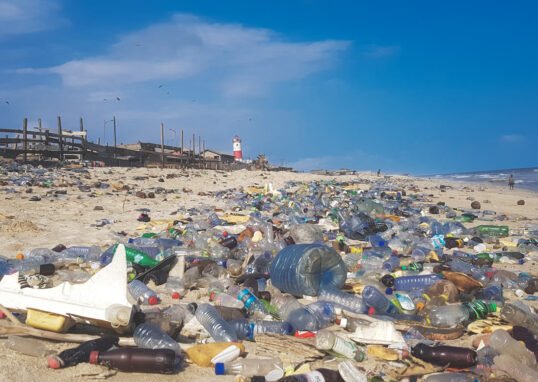
Plastic chemicals and health: new evidence dashboard sharpens zero-waste stakes ahead of COP31
- 0
- 363 words
Boston College and Minderoo’s PlasticHealthAware dashboard synthesises evidence linking plastic chemicals to human health harms — raising stakes for zero-waste and circular-materials...
Read out all
Unveiling the Glamour: Must-See Fashion Events of 2026
- 0
- 544 words
The fashion world is gearing up for another exciting year, with a plethora of fashion events lined up for 2026. From the...
Read out all
Discover Bawah Resort: A Beautiful Escape in Riau, Indonesia
- 0
- 514 words
Nestled in the Riau Islands of Indonesia, Bawah Resort is a hidden gem that offers a tranquil and luxurious getaway from the...
Read out all