- 0
- 964 words
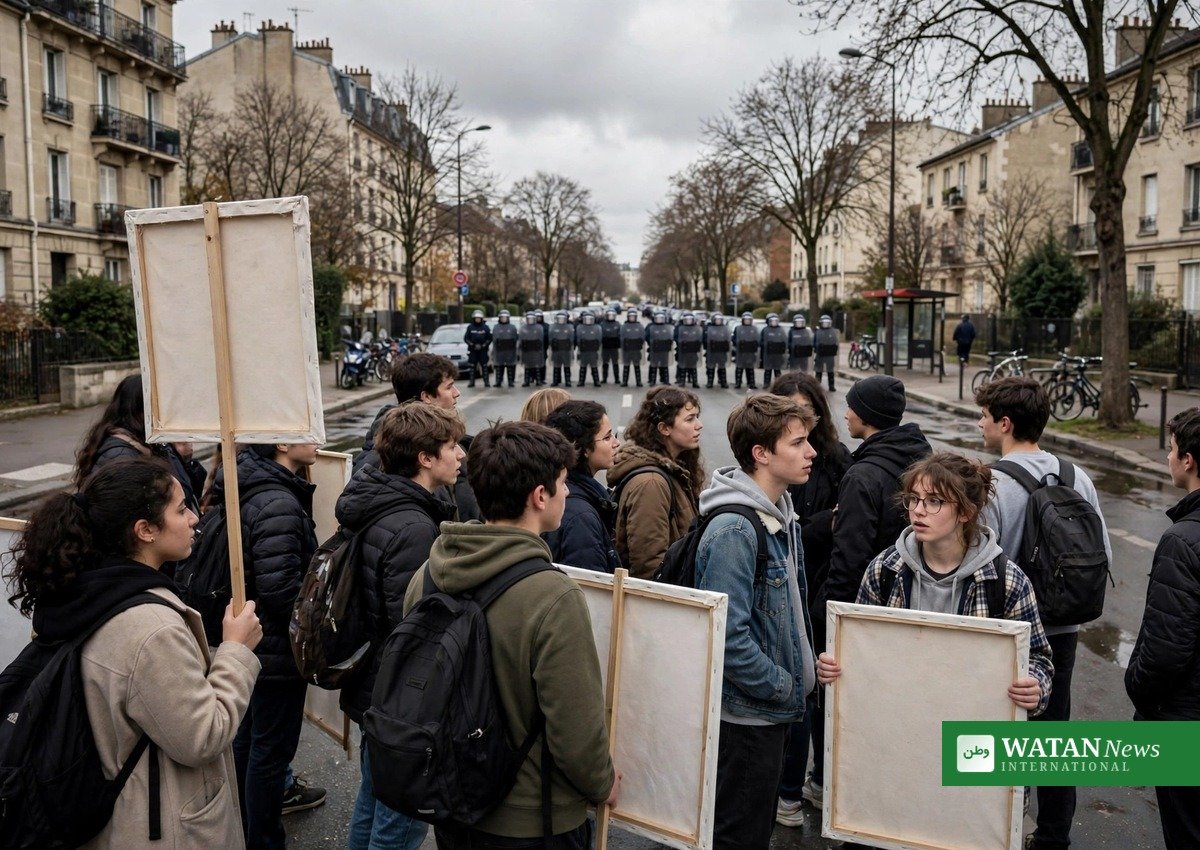
PARIS — France is bracing for another week of disruption as Education Minister Édouard Geffray announced on Sunday that up to 500 high schools will be partially or fully closed on Monday, 5 October, amid escalating France student protests over classroom conditions. The demonstrations, which began in the Paris suburbs in late September, have spread nationwide and turned violent in places, with mass arrests, injured police officers and heavy damage to school property.
FAKTA
- What: Between 400 and 500 French high schools will be partially or fully closed on Monday, 5 October, with lessons “totally or partly suspended”.
- Who announced it: Education Minister Édouard Geffray, on Sunday, 4 October 2026.
- Why: A nationwide student protest movement over overcrowded classrooms, teacher shortages, dilapidated school buildings and chronic underfunding.
- Arrests and injuries: Around 5,000 people, mostly teenagers, arrested since Monday; more than 600 police officers injured; dozens of students and staff hurt.
- Damage: 24 schools “burned or ransacked” since the movement began; property damage estimated in the tens of millions of euros.
- What is next: Student and trade unions have called a national day of demonstrations and a teachers’ strike for Tuesday, 6 October.
France student protests: how they spread nationwide
The movement began around 21 September at the Lycée Saint-Exupéry in Créteil, in the south-eastern suburbs of Paris, where students protested against missing teachers and overcrowded classes. Within days the blockades had spread to some 60 lycées across the Île-de-France region, and on 28–29 September the students’ union called for blockades everywhere in France.
Students have voiced anger over classes of 32 to 40 pupils, regular teacher shortages and absences, crumbling buildings, overheated classrooms and years of underinvestment in education. Their main form of action has been blockading school entrances, supplemented by marches and sit-ins.
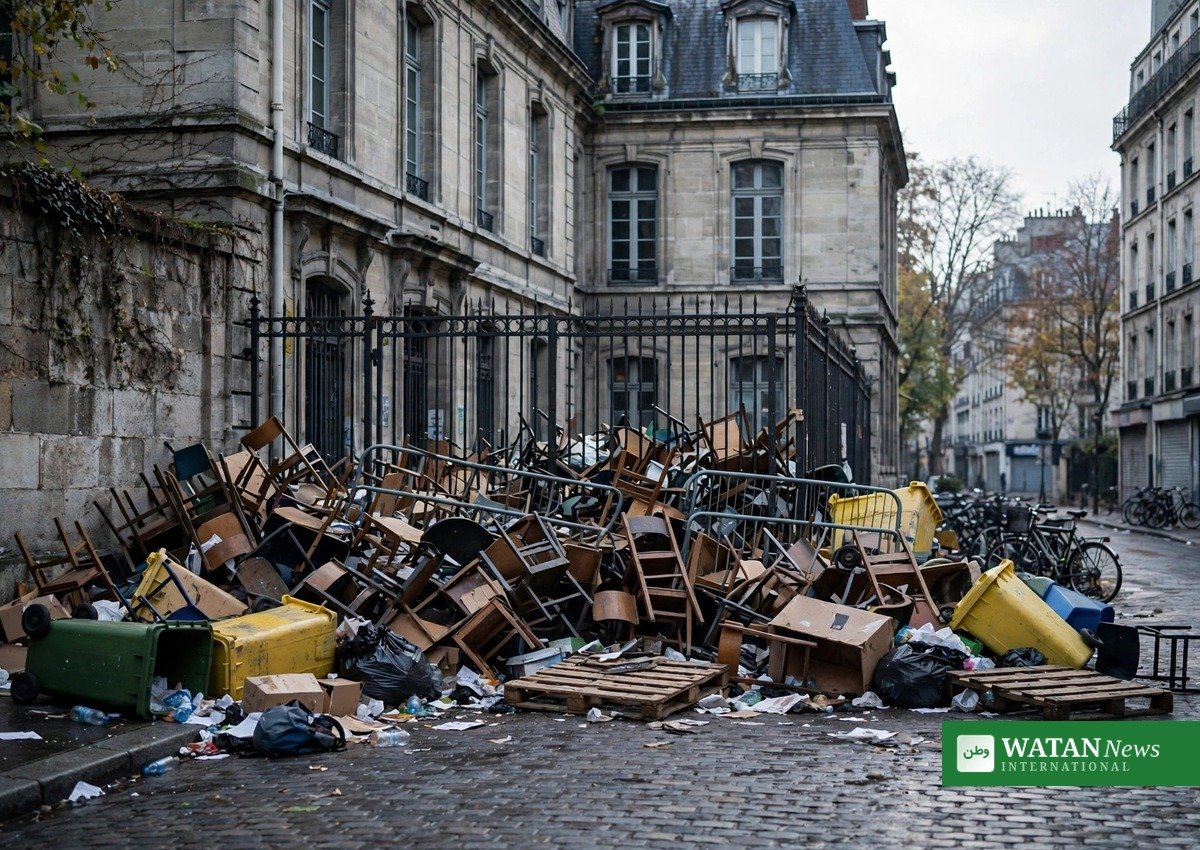
On Friday alone, about 400 high schools were closed and some 900 demonstrations took place nationwide, with 1,747 students arrested that day. Clashes between students and riot police were reported in Paris, Toulouse, Marseille, Lille, Strasbourg, Rennes, Bordeaux and Nantes, with tear gas used against demonstrators and bins, bicycles and school entrances set on fire.
Government response and police warning
Geffray said security conditions could not be guaranteed at hundreds of schools and confirmed that 24 schools had been “burned or ransacked” since the protests began. He said “violent individuals” were infiltrating groups of students and taking the movement hostage, and urged parents to keep their children away from the protests.
Paris police chief Patrice Faure said on Saturday that the movement was now “out of control”. In an open letter published on X, he urged students to abandon school blockades in favour of peaceful forms of protest, warning that the movement had fallen under the influence of “professional rioters” and their supporters, and calling on parents to steer their children away from them.
Prime Minister Sébastien Lecornu held a crisis meeting on the unrest, while Justice Minister Gérald Darmanin said the movement had been hijacked by “outsiders”. Foreign Minister Jean-Noël Barrot condemned the violence and what he called the cynical instrumentalisation of young people for political ends.
Unions back Tuesday day of action
The trade union federations CGT, Solidaires, FSU and Force Ouvrière have thrown their weight behind a national day of action on Tuesday, 6 October, and trade unions have called a teachers’ strike for the same day. Student union bodies have also called for mass demonstrations on Tuesday under the slogan “Police out of schools! No to the repression of student mobilisation!”
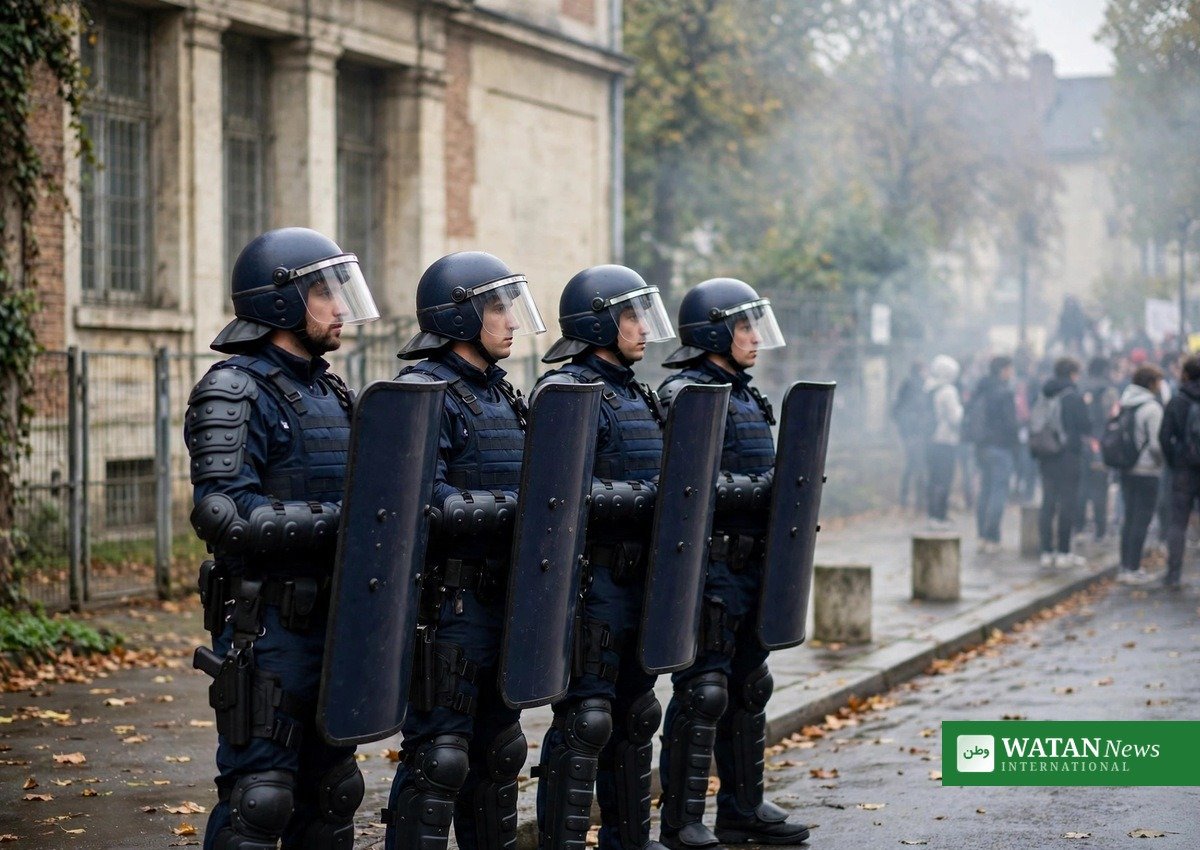
Some of the worst damage has been in Nantes, where the entrance hall of Lycée Mandela was gutted by fire and the school is expected to remain closed until mid-October. Teachers at the Évariste-Galois secondary school in Épinay-sur-Seine, north of Paris, struck on Friday, and in Bordeaux trade unionists formed a human chain to protect students from police.
Conclusion
With up to 500 schools shut on Monday and a national day of action planned for Tuesday, the France student protests show no sign of ending. The government faces mounting pressure to answer the students’ demands on class sizes, staffing and school buildings, while trying to restore calm in a movement that the Paris police chief says has spun out of control.
Read the same story on our main site: France: Up to 500 Schools Closed Monday Amid Student Protests. More international news: Watan News World.
Frequently Asked Questions
How many schools in France will be closed on Monday?
Education Minister Édouard Geffray said between 400 and 500 high schools will be partially or fully closed on Monday, 5 October, with lessons “totally or partly suspended” because security cannot be guaranteed.
Why are French students protesting?
Students are protesting over overcrowded classrooms of 32 to 40 pupils, chronic teacher shortages and absences, dilapidated school buildings, overheated classrooms and years of underinvestment in education.
How many people have been arrested or injured?
Around 5,000 people, mostly teenagers, have been arrested nationwide since Monday. More than 600 police officers have been injured, along with dozens of students and education staff, and 24 schools have been burned or ransacked.
What did the Paris police chief say about the protests?
Paris police chief Patrice Faure said the movement was “out of control”, urged students to return to peaceful forms of protest and warned that it had fallen under the influence of “professional rioters”, asking parents to steer their children away from them.
What happens next in the France student protests?
Student unions and the trade union federations CGT, Solidaires, FSU and Force Ouvrière have called a national day of demonstrations and a teachers’ strike for Tuesday, 6 October, with security officials fearing further violence in Paris.
Author

usmanjaved13132@gmail.com
Related Posts
Former Bachelor star Sam Wood charged with domestic violence
- 0
- 781 words
Former reality television star and fitness influencer Sam Wood has been charged with domestic violence offences in Queensland. The 46-year-old was arrested...
Read out all
From Bin to Atmosphere: Why Zero Waste Is a Climate Strategy
- 0
- 976 words
Plastic waste is on course to almost triple by 2060 while only 9% is recycled, and wasted food generates 8–10% of global...
Read out all
COP31 in Antalya: Finance, Fossil-Fuel Roadmap and Belém Action Mechanism Take Shape on Negotiation Agenda
- 0
- 734 words
With just over a month to go before COP31 opens in Antalya, Türkiye, the contours of the negotiation agenda are coming into...
Read out all
Flávio Bolsonaro Stuns Lula in Brazil Election First Round, Oct 25 Runoff Set
- 0
- 923 words
Brazil’s presidential election has delivered a shock: right-wing Senator Flávio Bolsonaro, the 45-year-old son of imprisoned former president Jair Bolsonaro and an...
Read out allOne Nation to establish headquarters in multimillion-dollar Brisbane office bought by Gina Rinehart
- 0
- 841 words
One Nation will establish its national headquarters in a multimillion-dollar Brisbane office building recently purchased by mining magnate Gina Rinehart’s property investment...
Read out all
Man shot dead after crashing car and allegedly pointing gun at NSW police
- 0
- 722 words
A man believed to be 45 was shot dead by NSW police after a car crash north of Yass, allegedly pointing a...
Read out all