- 0
- 568 words
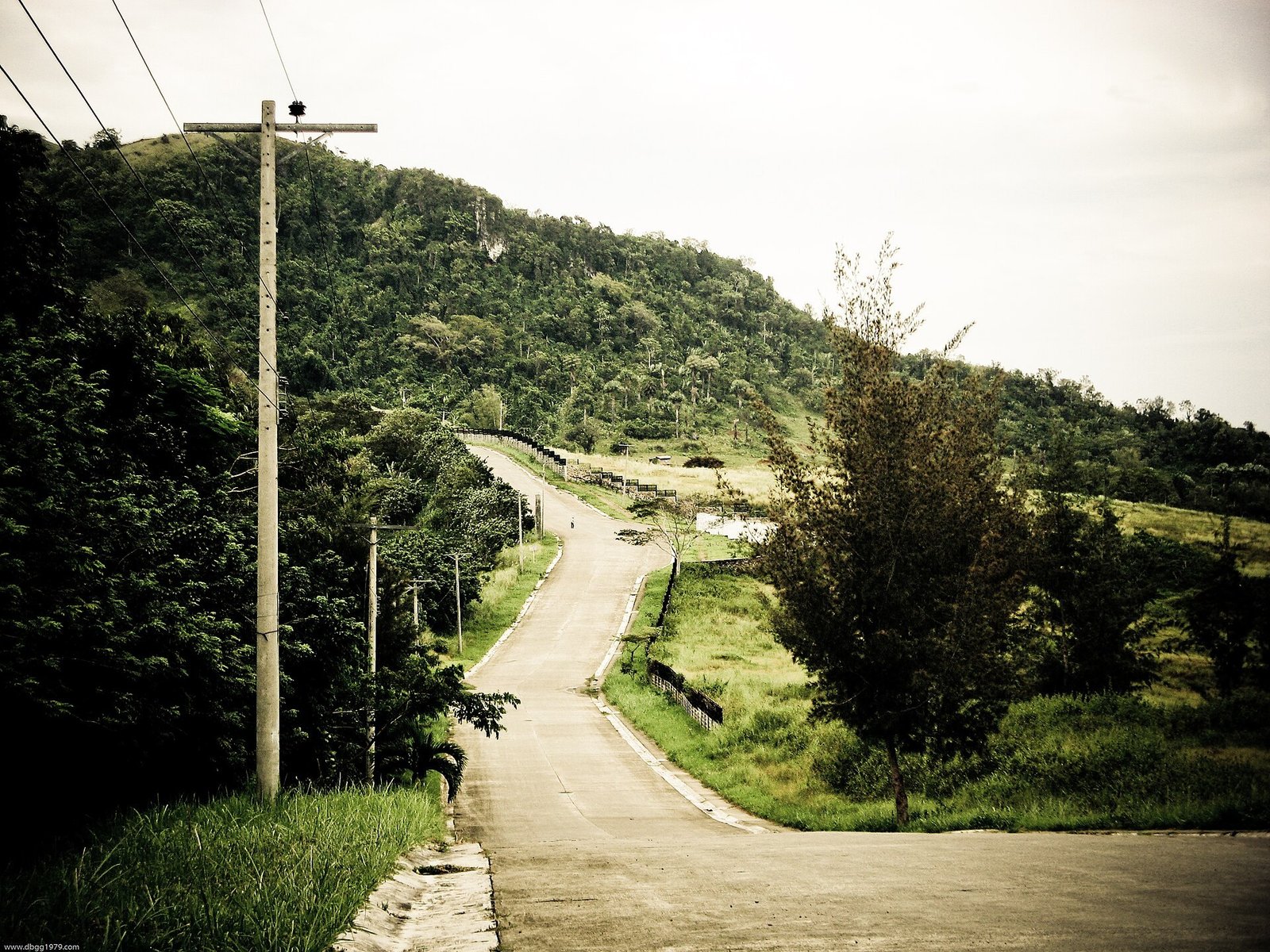
BALAMBAN, CEBU — More than 3,000 volunteers gathered in Balamban, Cebu, on 19 September 2026 to launch a five-year forest and coastal restoration partnership between the Aboitiz Foundation’s CarbonPH programme and GCash’s GForest platform, aiming to plant one million trees across roughly 1,000 to 1,200 hectares of watersheds and coastal zones.
The kickoff, covered by Context.ph and SunStar Cebu, coincided with World Bamboo Day and International Coastal Cleanup Day. Organisers paired upland tree and bamboo planting with a municipal coastal cleanup, framing the work as a “ridge-to-reef” effort that links mountains, river corridors and shorelines rather than a one-day photo opportunity.
Five-year targets: one million trees, 1,000–1,200 hectares
Partners describe the Balamban phase as a multi-year restoration model, not a single planting event. Reporting from Context.ph and Aboitiz Foundation materials sets the Balamban goal at one million trees and about 1,200 hectares restored over five years; SunStar Cebu has also described the same phase as covering 1,000 to 1,200 hectares of critical watersheds and coastal areas.
The project sits inside CarbonPH’s longer Cebu commitment. Context.ph reports that CarbonPH aims to restore some 71,000 hectares across the province over about 40 years, guided by Department of Environment and Natural Resources–Forest Management Bureau standards and aligned with the Philippines’ Paris Agreement and nationally determined contribution (NDC) framing.
Species plans emphasise natives such as Kaningag, Narra and Molave, alongside bamboo, fruit and agroforestry crops, with mangroves along coasts. Planting along river corridors is intended to stabilise banks, reduce erosion and strengthen flood resilience — priorities Balamban officials have linked to recent typhoon and flood experience.
Survival, stewardship and community role
Organisers say sustained maintenance and community stewardship are designed to aim for at least 85 percent tree survival, according to Context.ph. Local government support from the Municipality of Balamban and involvement of groups such as the Cebu Bamboo Industry Development Council are presented as part of keeping nurseries, riverbank bamboo and coastal work alive after the launch day.
SunStar Cebu quoted Balamban Mayor Amos Edwin Cabahug stressing that environmental programmes must deliver lasting impacts rather than public displays, and that farmers and barangay leaders are expected to help maintain what is planted. That municipal framing matters for readers: the story is as much about stewardship and flood defence as about corporate branding.
How GForest numbers are reported — and why they differ
GCash links everyday app “green points” to funding for on-ground planting. Figures describing GForest’s digital versus physical scale are not identical across outlets, and should not be treated as interchangeable.
Context.ph and Aboitiz Foundation materials say GForest has enabled about 4.9 million actual trees to date and that the Balamban million trees advance a publicly stated goal of 10 million actual trees by 2030. Separately, SunStar Cebu quoted a GCash official referring to about 10.3 million digitally planted trees in the app, with the Balamban plantings described as helping fulfil those digital commitments on the ground.
For this report, the firmly shared operational peg remains the Balamban phase itself: one million physical trees over five years on about 1,000–1,200 hectares, with an 85 percent survival goal and a ridge-to-reef native-species mix. Contested or differently defined digital tallies are noted only to show why secondary GForest totals vary in local coverage.
Balamban is presented as the first on-ground step; partners say the model is meant to expand to more Cebu communities if survival, watershed and livelihood outcomes hold.
Sources: Context.ph (21 Sep 2026); SunStar Cebu (19–20 Sep 2026); Aboitiz Foundation / CarbonPH partnership materials (Sep 2026).
Author

watannews321@gmail.com
Related Posts

Apple Special-Projects Veteran Emerges With $100M to Put Dual-Arm Robots on Warehouse Floors
- 0
- 709 words
Hamza Derbas co-founded Maven Robotics in 2024 with little more than a robot sketch. Two years later, the Santa Clara startup exits...
Read out all
At 27, Tsinghua’s Youngest AI Professor Raises Nearly $50M for Self-Evolving Models
- 0
- 727 words
Yongchao Chen turned down a DeepMind path to found Beijing-based Apex Intelligence, betting that recursive self-improvement—not bigger chatbots—will define the next wave...
Read out all
Africa No Filter opens 2026 Voices for Climate Justice storytelling grants — deadline 25 September
- 0
- 444 words
Africa-focused green journalism call: 15–20 storytellers, up to US$4,000 grants, training on climate–debt–gender–fossil fuels; applications close 25 Sep 2026.
Read out all
Turkey’s ecological spotlight: Hrant Dink Award meets hard realities for environmental reporters
- 0
- 451 words
Süheyla Doğan’s 15 Sep 2026 Hrant Dink Award elevates Kazdağları ecology as ECPMF and RSF document SLAPPs and information barriers facing Turkey’s...
Read out all
After COP29, Azerbaijan journalists push deeper climate investigations through EaP network
- 0
- 428 words
n-ost’s EaP climate investigations programme pairs Azerbaijan and regional reporters with EU mentors for energy, forest and climate-justice probes after Baku’s COP29...
Read out all
COP31 presidency floats Antalya AI energy pledge and 35×35 electrification at Climate Week
- 0
- 598 words
At Climate Week NYC (21 Sep), Türkiye’s COP31 presidency unveiled Antalya AI energy pledge (draft pending) and 35% electricity share of final...
Read out all