- 0
- 749 words
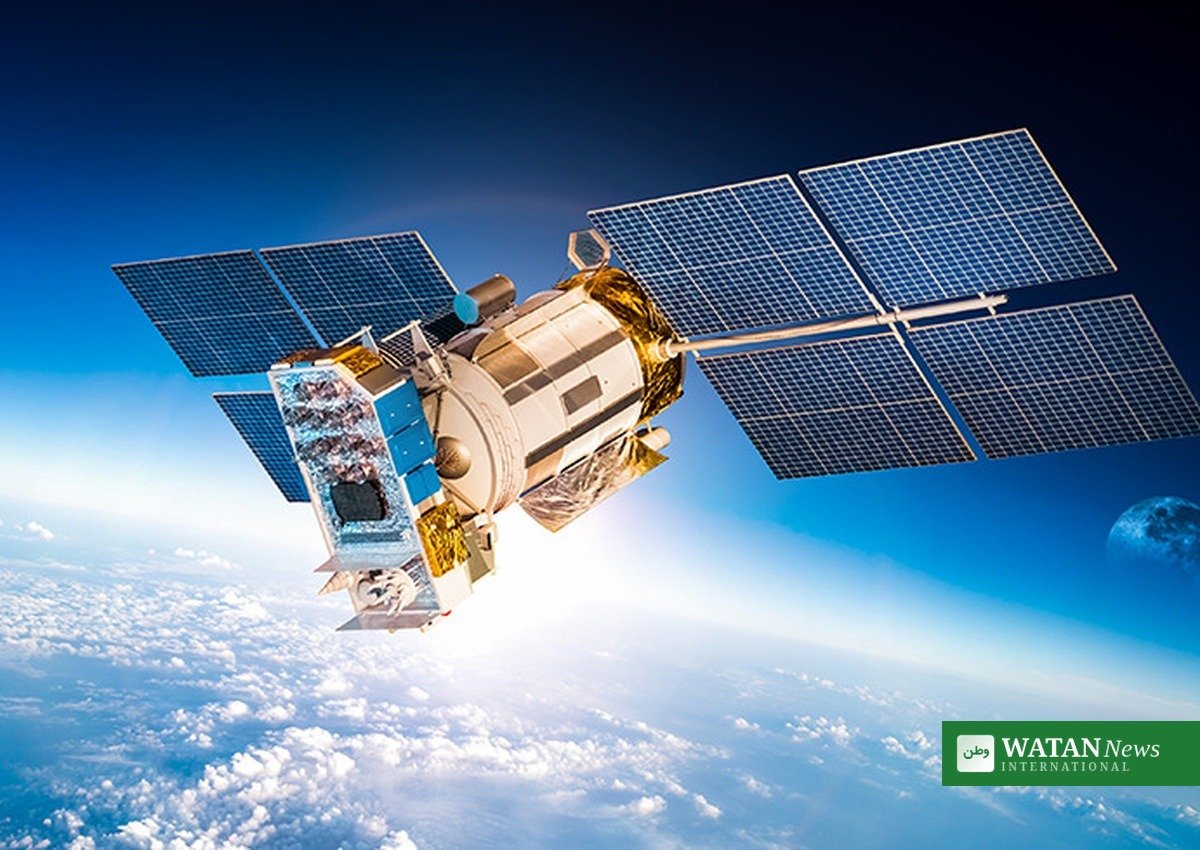
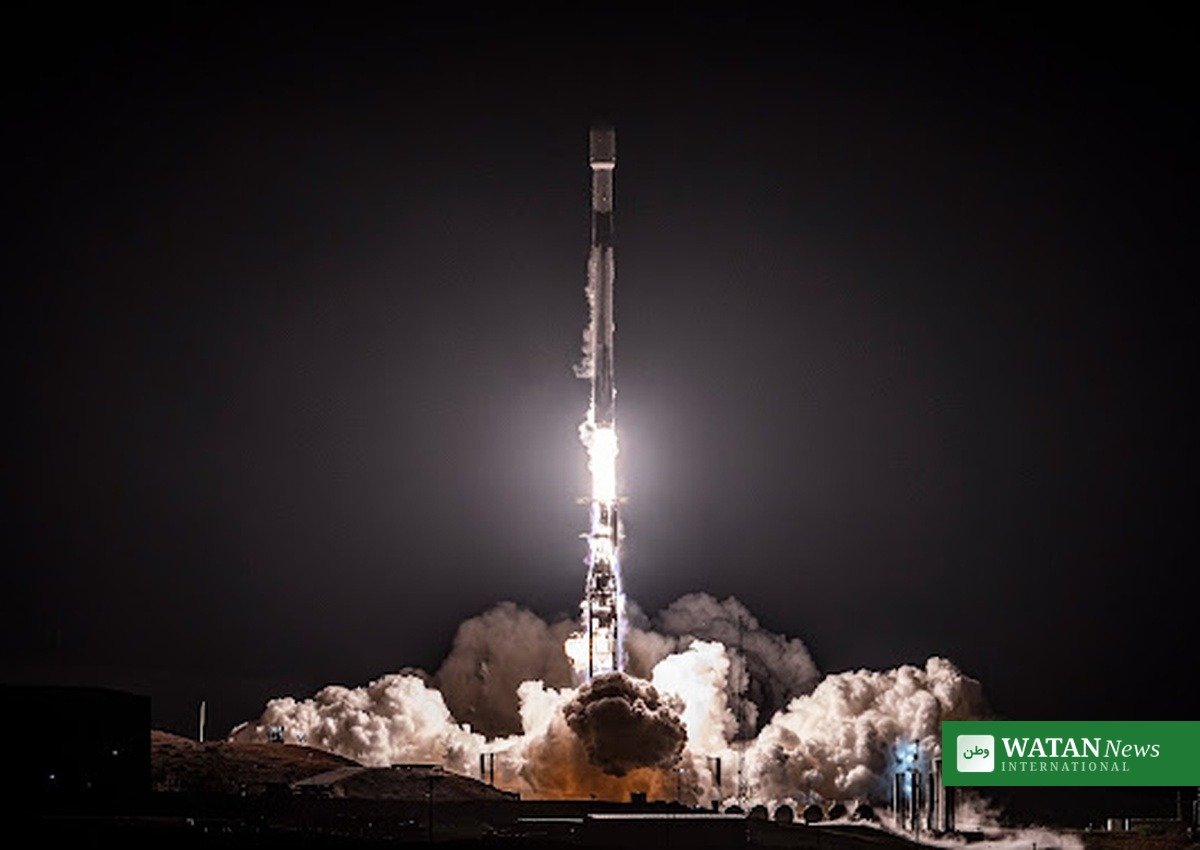
Google has placed four of its artificial-intelligence chips into low Earth orbit in the first real-world test of whether data centers could one day run in space. The Project Suncatcher prototype launched on October 1, 2026, aboard a SpaceX Falcon 9 rocket from Vandenberg Space Force Base in California, marking the first time Google has flown its own AI silicon beyond the atmosphere.
The refrigerator-sized satellite, one of roughly 130 payloads on SpaceX’s Transporter-18 rideshare mission, carries four Trillium-generation Tensor Processing Units (TPUs) drawing about 1 kilowatt of onboard solar power. Google said it had established contact with the spacecraft after liftoff and that it was operating as expected.
Project Suncatcher’s First Orbital Test
Google built the spacecraft in partnership with Planet, the satellite imaging company known for operating large fleets of small Earth-observation spacecraft. Planet supplied the spacecraft bus and is expected to help operate the satellite, while Google supplied the compute payload.
Google researcher Jonathan Beals described the mission to NPR as “a very minimal test” — not a working data center, but four chips in a box checking whether AI silicon can survive a rocket launch and then compute reliably in vacuum, cold and radiation. Project Suncatcher was announced by Google in 2025 to study the technical requirements for running machine learning infrastructure on interconnected satellites.
FAKTA
- Launch date: October 1, 2026, at approximately 2:32 p.m. EDT
- Launch vehicle: SpaceX Falcon 9, Transporter-18 rideshare mission from Vandenberg Space Force Base
- Payload: four Google Trillium-generation TPUs (AI accelerator chips)
- Power: approximately 1 kilowatt from onboard solar panels
- Spacecraft: built in partnership with Planet; Google calls it “MVP” (minimum viable product)
- Status after launch: Google confirmed contact with the satellite; operating as expected
- Long-term vision: up to 81 satellites in tight formation — a concept with no firm timeline
Why Google Is Looking to Space
The bet traces back to the AI industry’s power problem. The International Energy Agency expects global data-center electricity use to rise from about 485 terawatt-hours in 2025 to around 950 TWh by 2030, while electricity consumption from AI-focused facilities is projected to triple over the same period.
Google’s pitch is that satellites in suitable low Earth orbits can generate up to eight times more solar power than comparable installations on the ground, while sidestepping grid-connection queues, water constraints and local zoning battles that terrestrial data centers increasingly face. Find more technology coverage on Watan News International.
The Engineering Hurdles
Before launch, Google subjected the hardware to vibration testing intended to reproduce the forces of a rocket flight — sustained acceleration of up to 10 times the force of gravity, with individual components such as TPU chips experiencing 50 to 100 g. The company also tested its Trillium TPUs under a proton beam at the Crocker Nuclear Laboratory at the University of California, Davis, while the processors were running AI workloads, monitoring errors such as bit flips.
Thermal management is a separate challenge. AI accelerators produce concentrated heat, but conventional air-based cooling cannot operate in the vacuum of space. Google developed a system using heat pipes to move heat away from its processors and radiators to release it into space.
What Comes Next
Future Project Suncatcher designs are expected to carry dozens of TPU chips on individual satellites and communicate through high-bandwidth optical links while flying in close formation. Google has publicly floated an architecture of 81 satellites splitting AI workloads across the cluster — but the company has not announced a second launch date, a timeline for a multi-satellite demo, or a commercial deployment target.
Conclusion
Project Suncatcher is a deliberately small first step — four AI chips checking whether they can survive orbit — behind a very large ambition. If the TPUs power through launch, radiation and heat, Google gains hard data for the engineering case; the harder question, whether launch economics can ever make orbital data centers viable, is one that rockets, not chips, must answer.
FAQ
What is Google’s Project Suncatcher?
Project Suncatcher is Google’s research experiment to test whether AI computing infrastructure — data centers — can one day operate in orbit, powered by near-constant sunlight instead of terrestrial power grids.
When did the first Suncatcher satellite launch?
The prototype launched on October 1, 2026, aboard a SpaceX Falcon 9 rideshare mission from Vandenberg Space Force Base, carrying four Google Trillium TPUs.
Is Google building data centers in space now?
No. The current mission is a minimal hardware validation test, not a commercial deployment. Google has not announced a timeline for any production orbital data center.
Author

usman2344913@gmail.com
Related Posts
Trump: US bombers withdrawn from RAF Fairford due to ‘threat
- 0
- 929 words
U.S. President Donald Trump stated that the United States moved its bombers from RAF Fairford due to unspecified threats against the base....
Read out all
El-Sisi at AU Meeting: Africa Must Move From Raw Exports to Value-Added Goods
- 0
- 465 words
Egyptian President Abdel Fattah el-Sisi told the 8th AU Mid-Year Coordination Meeting in New Alamein on October 4, 2026 that African nations...
Read out all
Carlos Alcaraz Storms Back From Set Down to Reach Japan Open Final in Tokyo
- 0
- 624 words
Defending champion Carlos Alcaraz came from a set down to beat fellow Spaniard Jaume Munar 5-7, 6-3, 6-1 in the Japan Open...
Read out all
Dubai Property Transactions Hit $156 Billion in Nine Months, Second-Highest on Record
- 0
- 447 words
Dubai’s real estate market has recorded AED 574.12 billion ($156.33 billion) in property transactions during the first nine months of 2026, according...
Read out all
EU Environment MEPs Set COP31 Priorities: Faster Fossil Fuel Phase-Out, More Climate Finance
- 0
- 762 words
The European Parliament's Environment Committee has adopted its COP31 draft resolution by 50 votes to 16, demanding a faster fossil fuel phase-out,...
Read out all
Wall Street Braces for Q3 Earnings Season as S&P 500 Hovers Near Record High
- 0
- 496 words
Wall Street is heading into a defining fortnight as the Q3 earnings season takes centre stage, with JPMorgan and the big US...
Read out all