- 0
- 690 words
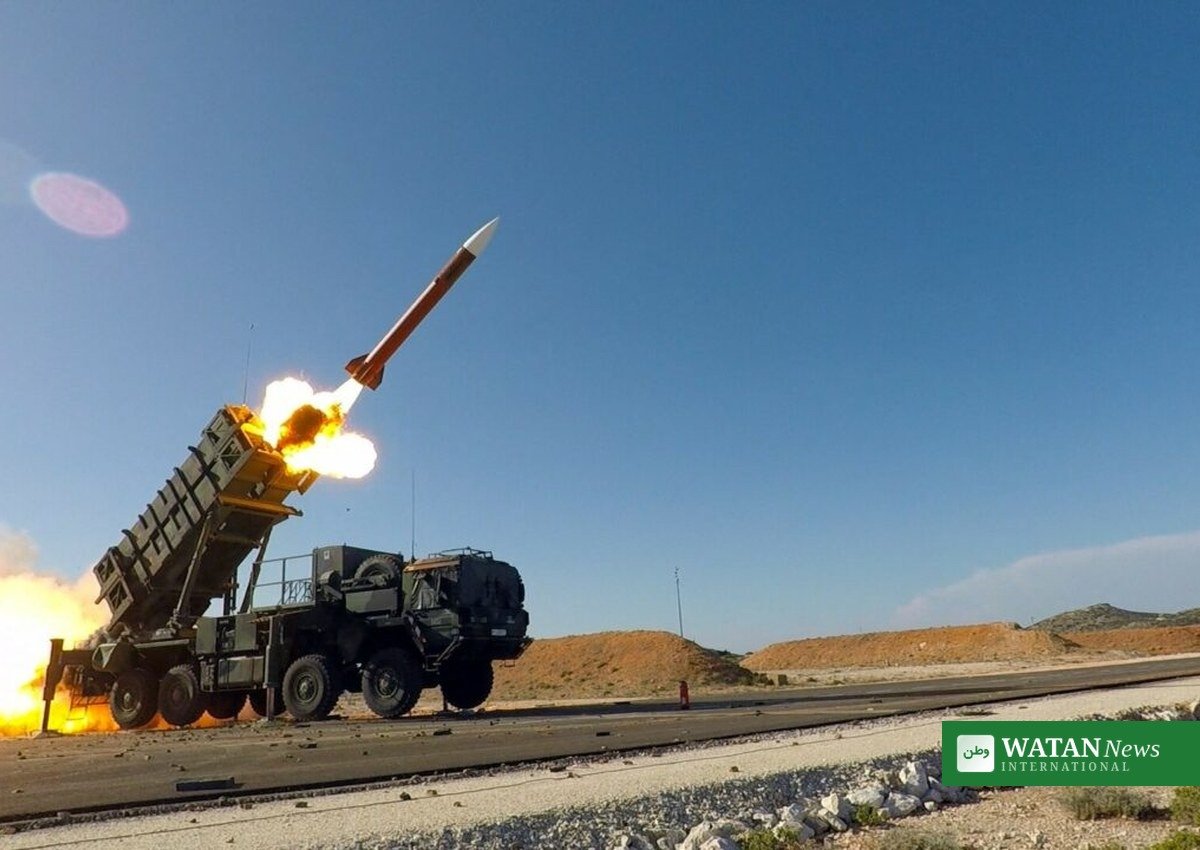
Iranian negotiators met Qatari mediators in Doha on Saturday 31 October 2026 to discuss ways out of a confrontation in the Gulf, as diplomats worked to avert a new outbreak of fighting after the United States midterm elections, Reuters reported. The talks followed more than 12 hours of discussions between Iranian and Qatari envoys in Tehran on Friday, according to a source briefed on the negotiations.
FAKTA
- Iranian envoys held talks with Qatari mediators in Doha on Saturday 31 October 2026.
- The Doha talks followed more than 12 hours of talks in Tehran on Friday.
- Qatar brought a proposal to Tehran a week earlier for a seven-day plan of daily steps by the United States and Iran.
- Iran has proposed its own seven-day plan since September, calling for a lifting of a blockade of Iranian ports, the unfreezing of assets and approval of an Iranian-backed route through the Strait of Hormuz.
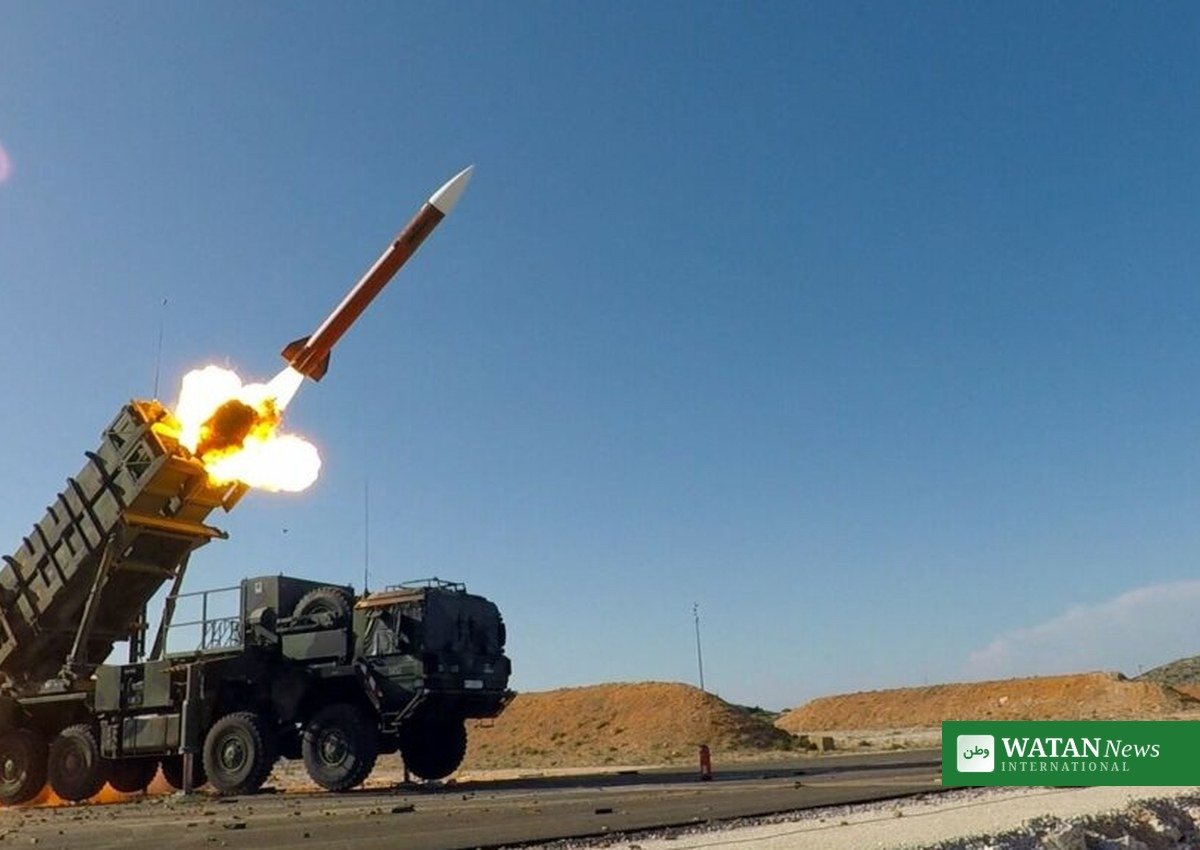
- Iran’s Supreme Leader ordered the armed forces to be prepared to respond to any attacks, and the Iranian military later announced steps to improve readiness.
Countries in the region have been anticipating that the United States President, who held off strikes on Iran during the weeks leading up to Tuesday’s midterm elections, could restart attacks once voting is over. Iran has repeatedly said it would respond to new attacks by striking at United States and Israeli targets in neighbouring countries.
What the mediators are trying to achieve
The latest Qatari-mediated discussions centre on a seven-day plan under which the United States and Iran would take daily steps towards de-escalation. Iran’s Foreign Minister Abbas Araqchi said in remarks reported on Saturday that Iran was studying a letter from United States Vice President JD Vance, described by the New York Times and the Wall Street Journal as an initiative to see whether talks could be restarted. Vance led the United States delegation at previous rounds of talks with Iran.
Why the timing matters
The talks are taking place against a backdrop of heightened military readiness. Iran’s Supreme Leader Ayatollah Mojtaba Khamenei issued a statement on Saturday ordering the armed forces to be prepared to respond to any attacks. The Iranian military later announced it was taking steps to improve its readiness, with senior commanders reporting high readiness along the Gulf coast, in and around the Strait of Hormuz and the Gulf of Oman, and on Iran’s north-western and south-eastern borders.
The United States President launched the war alongside Israel in February, according to Reuters, and has repeatedly hinted at plans to restart strikes on Iran. Diplomats quoted in the reporting say the coming days after the midterm vote are seen as a sensitive window, which is why mediation efforts have intensified this weekend.
What happens next
No agreement was announced from the Doha meeting. Mediators are expected to continue shuttling between the parties, while both sides publicly maintain their positions: Washington has not confirmed any new military step, and Tehran says it is studying the latest proposals while keeping its forces ready. The Strait of Hormuz, through which a large share of the world’s seaborne oil passes, remains the central concern for regional states and for global energy markets.
Conclusion
The Doha talks show that a diplomatic channel remains open even as military warnings grow louder. Whether the seven-day proposals can bridge the gap between the two sides will become clearer in the days after the United States vote, when the immediate political calendar no longer constrains decision-making.
Frequently Asked Questions
Who is mediating between Iran and the United States?
Qatar is mediating, with Qatari envoys holding talks in both Tehran and Doha.
What is the seven-day plan?
It is a proposal for daily reciprocal steps over seven days, intended to lower tensions step by step rather than through a single sweeping deal.
Why is the Strait of Hormuz important?
It is a narrow waterway linking the Gulf to the open sea and a vital route for global oil shipments, so any disruption there affects energy markets worldwide.
Read more on Watan News: Gulf Mediation and Iran-US Tensions.
Author

usmanch0013@gmail.com
Related Posts
Borsa Istanbul Chief Detained in Bribery Probe as Fund Investigation Widens
- 0
- 573 words
Borsa Istanbul general manager Korkmaz Enes Ergun was detained on Saturday on suspicion of accepting bribes in a capital-market investigation, Anadolu Agency...
Read out all
Fall Fashion 2026: Deep Purple, Plush Coats and Wearable Runway Trends
- 0
- 580 words
Fall 2026 fashion is comfortable and wearable, led by deep purple, flannel and bandana print, leopard as a single statement, velvet and...
Read out all
The Social Society Helping Women Over 40 Join the AI Boom, One Dinner at a Time
- 0
- 615 words
The Aged Intelligence Society, founded by former editors Shoshana Berger and Nina Willdorf, hosts invite-only dinners where women over 40 use AI...
Read out all
Startup Funding in October 2026: Big Cheques Follow Revenue, Not Hype
- 0
- 567 words
October 2026 funding trends show investors writing their biggest cheques to startups with real revenue and customers, from Ramp's $1.85 billion round...
Read out all
Winter Sun Seaside and Island Escapes: From the Maldives to Santorini and Bali
- 0
- 977 words
A themed guide to the world's best seaside and island escapes for late autumn and winter sun, from the Maldives and Santorini...
Read out all
US Midterm Campaign Enters Final Weekend as Early Voting Hits Record 49 Million
- 0
- 623 words
More than 49 million Americans had already voted before the final weekend of the US midterm campaign, a record for a midterm...
Read out all