- 0
- 669 words
A catastrophic rock-ice avalanche that turned into a high-speed debris flood along the Nepal–China border on 26 August 2026 has been examined by an international scientific team that finds rapid Himalayan warming intensified the conditions that made the Nepal rock-ice cascade more likely. The analysis, published on 17 September by World Weather Attribution (WWA), stops short of claiming climate change alone caused the slope failure, but concludes that fossil-fuel warming is raising the odds and severity of compound mountain hazards beyond existing adaptation limits.
FAKTA
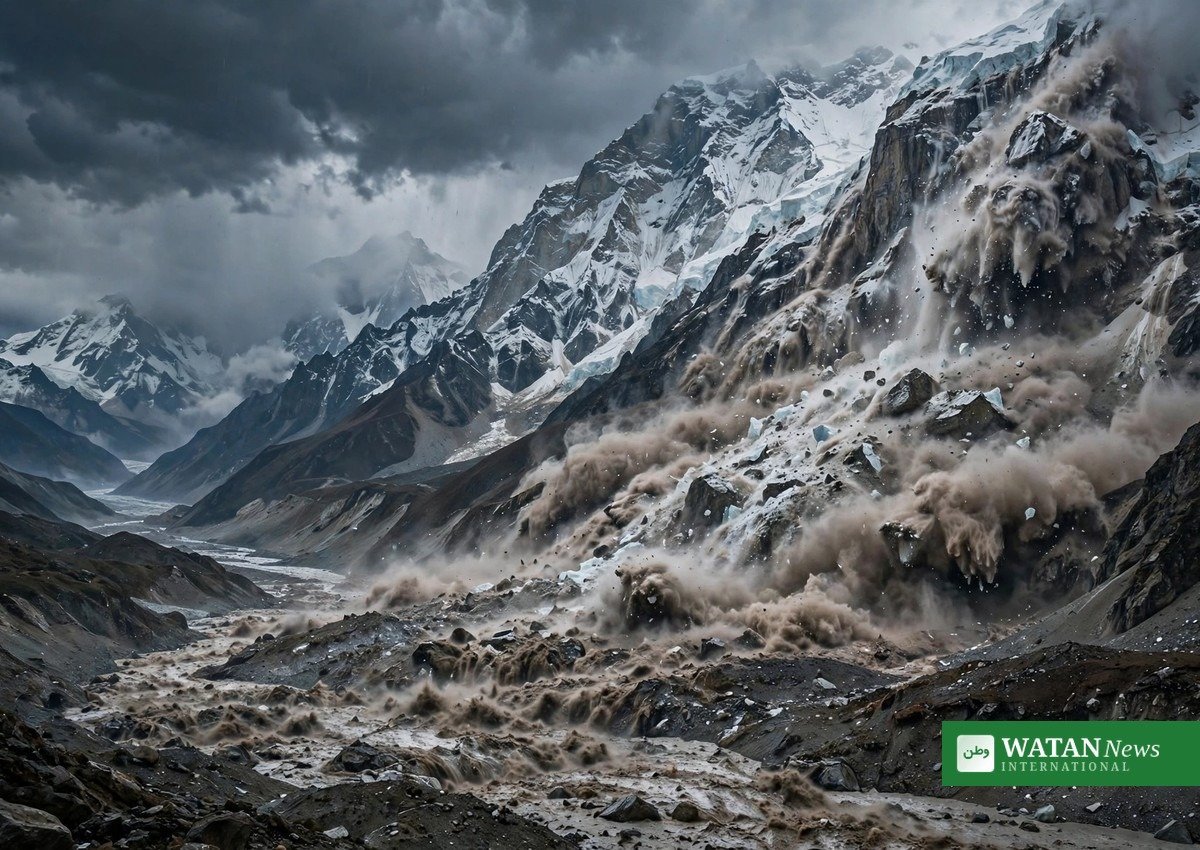
- The Nepal rock-ice cascade struck on 26 August 2026 near Langtang Lirung mountain on the Nepal–China border: a massive rock-and-ice avalanche transitioned into a high-speed debris flood.
- The analysis was published on 17 September 2026 by World Weather Attribution, an international team including experts from Nepal, Pakistan, the UK, Ireland, Sweden, Denmark, Norway, the US, New Zealand and the Netherlands.
- About 110 million cubic metres of rock and ice collapsed, falling around 1,400 metres — from about 5,150 metres above sea level to the valley floor near 3,750 metres.
- Nepal’s National Disaster Risk Reduction and Management Authority put confirmed deaths at over 1,300 as of mid-September, with over 5,000 people still missing, about 13,700 rescued and more than 8,600 treated medically; roughly 84,270 people across six districts were affected.
- July and August 2026 were the warmest months on record locally, with temperatures about 5°C above the 30-year average in the days before the collapse.
- Climate change was a “likely contributing factor” — a destabilising factor acting on a pre-existing geological predisposition, not the sole cause.
- The 2015 magnitude 7.8 earthquake may have weakened the slope years before the collapse, though researchers could not confirm how it specifically contributed.
How the Nepal rock-ice cascade unfolded
Early speculation that an earthquake triggered the event was set aside after evidence linked the recorded seismic signals to the collapse itself: roughly two square kilometres of rock wall and glacier ice gave way at once. The flood hit the Rasuwagadhi border about 22 kilometres downstream within seven minutes, travelling at more than 177 kilometres per hour (110 mph), devastating Timure and Syabrubesi before racing down the Trishuli corridor. WWA cites estimates that the flood travelled some 200 kilometres to Devghat in under seven hours, depositing about 30.5 million cubic metres of sediment and debris.
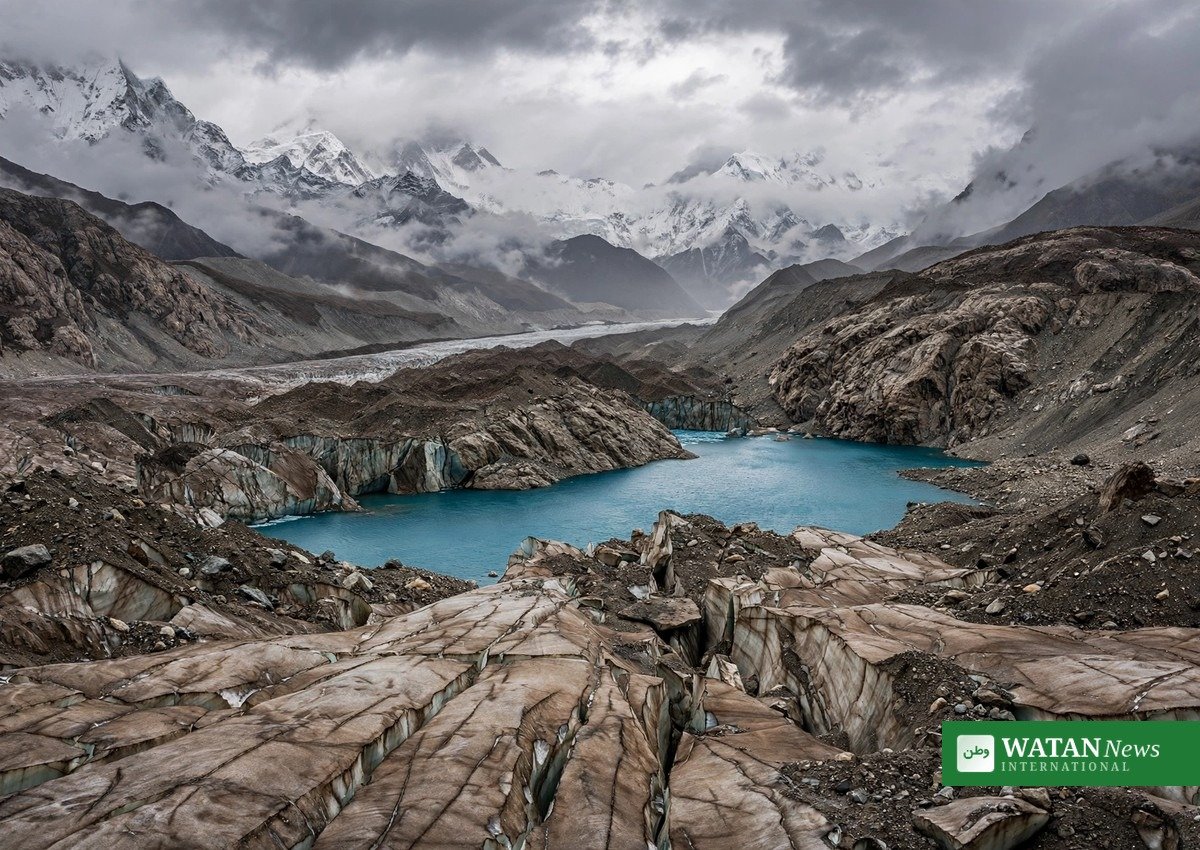
Researchers point to a combination of forces: human-caused warming thinned glaciers and melted mountain permafrost — ground that usually stays frozen — destabilising the glacier ice and rock wall near the peak of Langtang Lirung. “When you combine high-elevation permafrost degradation with glacier retreat, and record summer heat, the structural integrity of these mountain walls is compromised,” said Professor Walter Immerzeel, mountain hydrologist at Utrecht University. Climate change caused by burning fossil fuels is pushing the freezing line upward by roughly 100 metres every decade, the team found.
What the attribution science shows
Using WWA’s standard framework, the team compared today’s climate with a 1.4°C cooler pre-industrial world and found human-caused warming increased July–August temperatures near the failure site by about 1.5°C. Annually, the attributable increase is about 2°C; in some winter months it reaches as high as 3°C. “This event shows that limits to adaptation are already being reached,” the study states, as independent coverage of the findings notes.
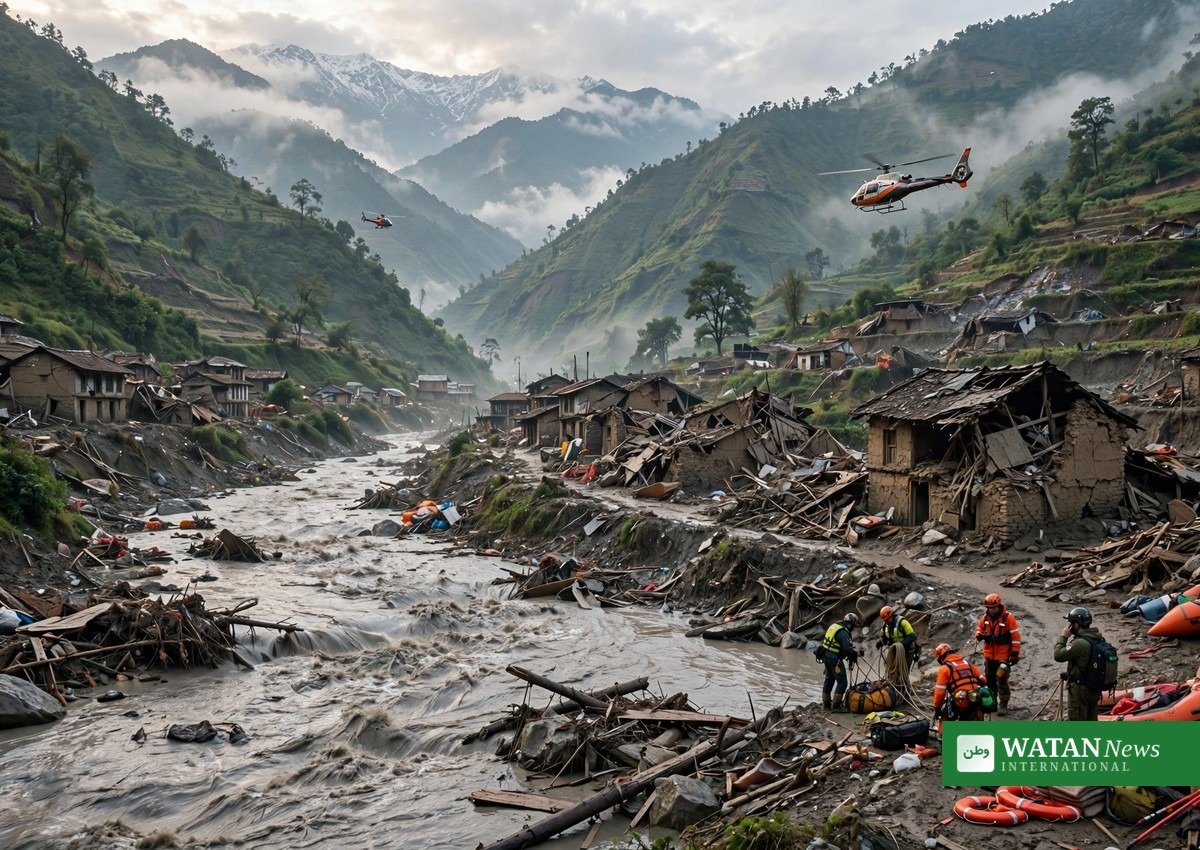
WWA stresses it has not assessed whether this specific avalanche would have occurred without human-induced warming — that would need further subsurface and mechanical evidence. Nepal’s early-warning and adaptation systems have helped against more conventional river floods, the authors say, but this event’s speed, magnitude and complexity exceeded design and predictive limits. They recommend regional maps of high-risk areas near infrastructure, settlements and hydropower corridors, and argue that addressing loss and damage, accelerating the shift away from fossil fuels and delivering climate finance for monitoring and recovery are now unavoidable parts of the Himalayan climate response, as the full WWA analysis lays out.
Related on Watan News: Himalayan warming linked to conditions behind Nepal’s deadly rock-ice cascade.
Author

watannews321@gmail.com
Related Posts

Vestaustralien passerer 5,73 milliarder returnerede beholdere på seks år
- 0
- 696 words
Vestaustraliens pantordning Containers for Change har passeret 5,73 milliarder returnerede beholdere siden oktober 2020 og har genereret mere end 22,26 millioner dollar...
Read out all
مغربی آسٹریلیا میں چھ سال میں 5.73 ارب کنٹینر واپس کیے گئے
مغربی آسٹریلیا کی کنٹینر ڈپازٹ اسکیم کنٹینرز فار چینج کے تحت اکتوبر 2020 سے اب تک 5.73 ارب سے زیادہ کنٹینر واپس...
Read out all
Western Australia Passes 5.73 Billion Containers Returned in Six Years
- 0
- 694 words
Western Australia's Containers for Change scheme has passed 5.73 billion containers returned since October 2020, generating more than $22.26 million in donations...
Read out all
Indien fremlægger COP31-prioriteter: Forudsigelig klimafinansiering, ingen nye topstyrede mål
- 0
- 743 words
Indien har fremlagt sine forhandlingsprioriteter for COP31 i Antalya med forudsigelig, offentlig og koncessionel klimafinansiering i centrum og krav om, at modvirkning...
Read out all
بھارت نے کاپ31 کے لیے ترجیحات پیش کر دیں: قابل پیش گوئی موسمیاتی مالیات، نئے اوپری اہداف نہیں
بھارت نے انطالیہ میں ہونے والی کاپ31 کے لیے اپنی مذاکراتی ترجیحات پیش کر دی ہیں، جن میں قابل پیش گوئی، عوامی...
Read out all
India Sets Out COP31 Priorities: Predictable Climate Finance, Not New Top-Down Targets
- 0
- 757 words
India has set out its negotiating priorities for COP31 in Antalya, putting predictable, public and concessional climate finance first and insisting that...
Read out all