- 0
- 740 words
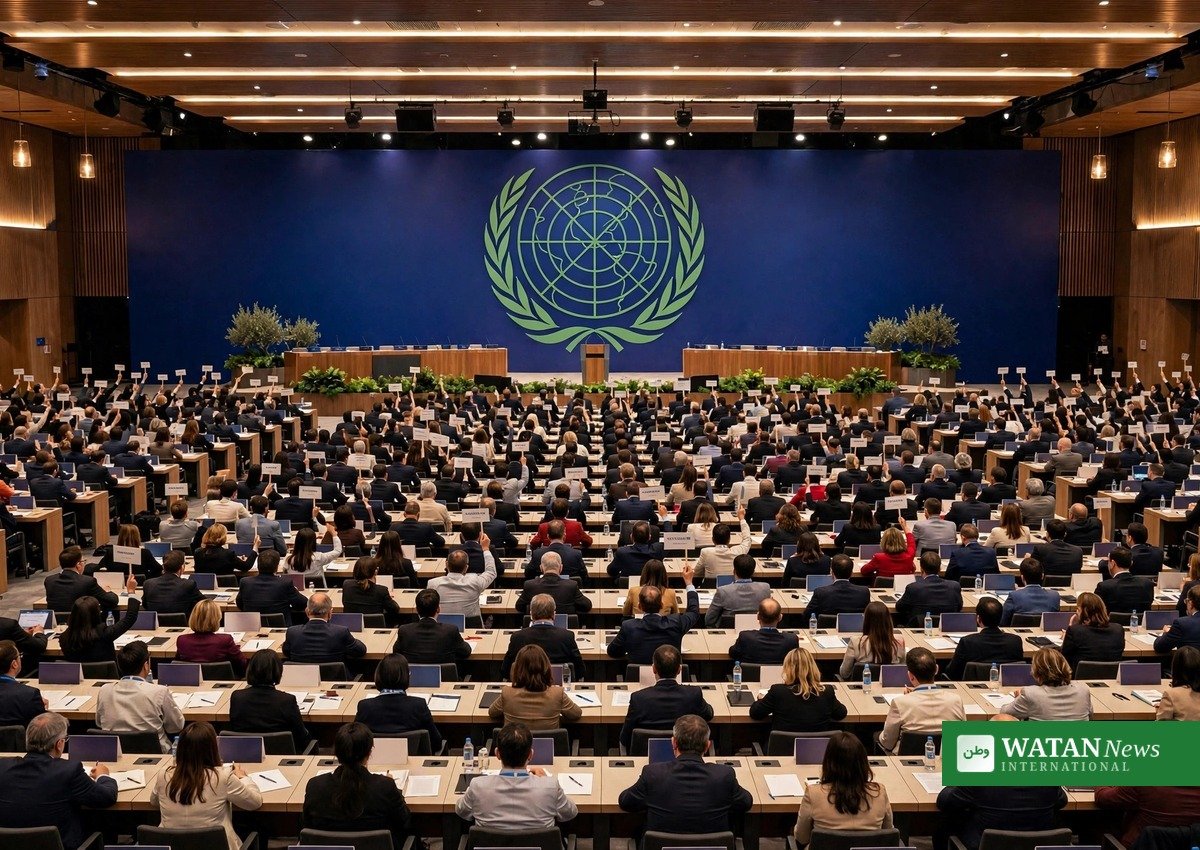
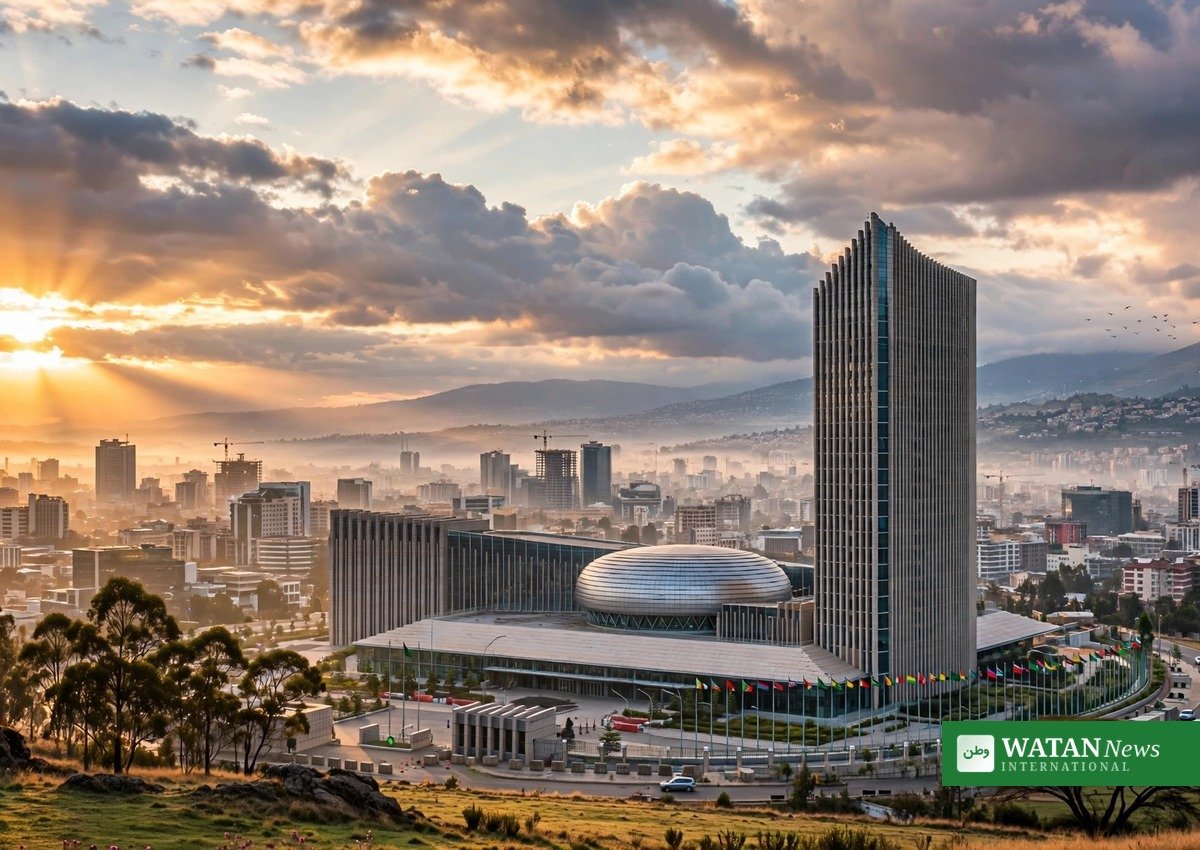
The scientists who write the world’s most authoritative climate assessments are about to run out of time. Governments will gather in Addis Ababa, Ethiopia, from 12 to 16 October 2026 for the 65th session of the Intergovernmental Panel on Climate Change (IPCC), where the central task is to agree the AR7 delivery timeline for the landmark seventh assessment reports — a decision that will shape the next round of global climate negotiations.
A week that decides the science
Governments have now met five times since the current cycle began without agreeing when the three working-group reports — on physical climate science, on climate impacts and adaptation, and on cutting emissions — should be finalised, according to climate journalism outlet Carbon Brief. The deadlock over the delivery plan for the AR7 cycle has been described as “unprecedented”.
IPCC chair Jim Skea described the most recent session as “frustrating and disappointing”, saying “it was only a business meeting – there was no science involved in it”, and pointed to a loss of trust between different groups of countries. The budget adds to the pressure: at the Bangkok session, Saudi Arabia warned that deferring the timeline debate risked a scenario in which the budget would not be approved and further work would be delayed, the Earth Negotiations Bulletin reports.
Why the AR7 timetable matters for COP31
Climate-vulnerable countries and several European states want the principal reports completed by 2028 so they can feed the second Global Stocktake under the Paris Agreement — the five-yearly global review of climate action that is due to conclude at COP33 in 2028. The link between the science and the stocktake is direct: the stocktake informs the next round of national climate goals under the Paris Agreement.
One expert quoted by Carbon Brief warned that failing to align the IPCC’s reports with the stocktake would be “a major historical break [that] would be used to weaken the international climate process and Paris Agreement”. For the host of the upcoming summit, the stakes are also high: COP31, which meets in Antalya, Türkiye, on 9–20 November 2026 under president-designate Murat Kurum, is being presented as an implementation summit that turns existing commitments into measurable results — a task that needs trusted science. Watan News earlier reported how the COP31 presidency has vowed implementation over new promises, with a push to raise electricity’s share of global energy use to 35 percent by 2035.
Where the split comes from
At the previous session, a “majority” of countries favoured a workplan that would align the AR7 reports with the stocktake, the Earth Negotiations Bulletin says. But a smaller, growing group of delegations held out.
Saudi Arabia opposed compressing the cycle to meet “external timelines”, calling it “improper” because the IPCC “serves a broader mandate than just providing inputs to the global stocktake”, the Bulletin reports. China said AR7 must be inclusive and that developing-country scientists need time to make their contributions, cautioning against doing the work “in a hurry” and adding that completing the working-group reports in 2028 is “impossible”, according to the Bulletin’s account. India, Kenya and Russia have likewise questioned the accelerated timetable, according to Carbon Brief’s write-ups of the negotiations.
Key facts
- What: 65th Session of the IPCC (IPCC-65) — governments decide the delivery timeline for the seventh assessment reports (AR7).
- When and where: 12–16 October 2026, Addis Ababa, Ethiopia (confirmed by the IPCC’s official session list).
- The target pushed by many governments: approval of the three working-group reports by 2028, in time for the second Global Stocktake.
- The link to COP31: the second stocktake is due to conclude at COP33 in 2028; COP31 meets in Antalya on 9–20 November 2026.
- The sticking point: whether an accelerated timetable can protect report quality and developing-country participation.
What to watch next
If governments agree a timetable in Addis Ababa, the AR7 reports could land in time to inform the second Global Stocktake — giving negotiators fresh science on physical risks, adaptation needs and emissions pathways. If the deadlock continues, the stocktake may proceed without the freshest evidence, a scenario vulnerable countries warn would weaken accountability just as the world decides its next round of climate targets.
The Addis Ababa meeting is therefore, as Carbon Brief puts it, likely the last moment at which a timeline can still be agreed that keeps the reports synchronised with the stocktake. What happens there will echo far beyond Ethiopia — into the negotiation halls of Antalya and beyond.
Author

usman2344913@gmail.com
Related Posts

Sådan køler træplantning byer og bremser oversvømmelser: Klimavidenskaben bag den globale plantningsbølge
- 0
- 864 words
Forklarende artikel: gadetræer kan sænke lufttemperaturen med op til 4°C, og et fuldvoksent træ opfanger 15.000 liter regnvand om året — den...
Read out all
شجر کاری شہروں کو کیسے ٹھنڈا رکھتی اور سیلاب سے کیسے بچاتی ہے: عالمی شجر کاری مہمات کے پیچھے موسمیاتی سائنس
معلوماتی مضمون: شہر کی سڑکوں پر درخت درجہ حرارت 4 ڈگری سینٹی گریڈ تک کم کر سکتے ہیں اور ایک بالغ درخت...
Read out all
How Tree Planting Cools Cities and Holds Back Floods: The Climate Science Behind the Global Plantation Push
- 0
- 861 words
Explainer: trees on city streets can cut air temperatures by up to 4°C and one mature tree intercepts 15,000 litres of rainwater...
Read out all
Fra skrald til atmosfære: Hvorfor nul affald er en klimastrategi
- 0
- 968 words
Plastikaffaldet er på vej til næsten at tredobles inden 2060, mens kun 9 % genanvendes, og madspild står for 8–10 % af...
Read out all
کچرے سے فضا تک: صفر فضلہ موسمیاتی حکمت عملی کیوں ہے
او ای سی ڈی کے مطابق 2060 تک پلاسٹک کا فضلہ تقریباً تین گنا ہو سکتا ہے جبکہ صرف 9 فیصد ری...
Read out all
Former Bachelor star Sam Wood charged with domestic violence
- 0
- 603 words
Former Bachelor star Sam Wood has been charged with domestic violence offences — assault occasioning bodily harm and strangulation — after police...
Read out all