- 0
- 532 words
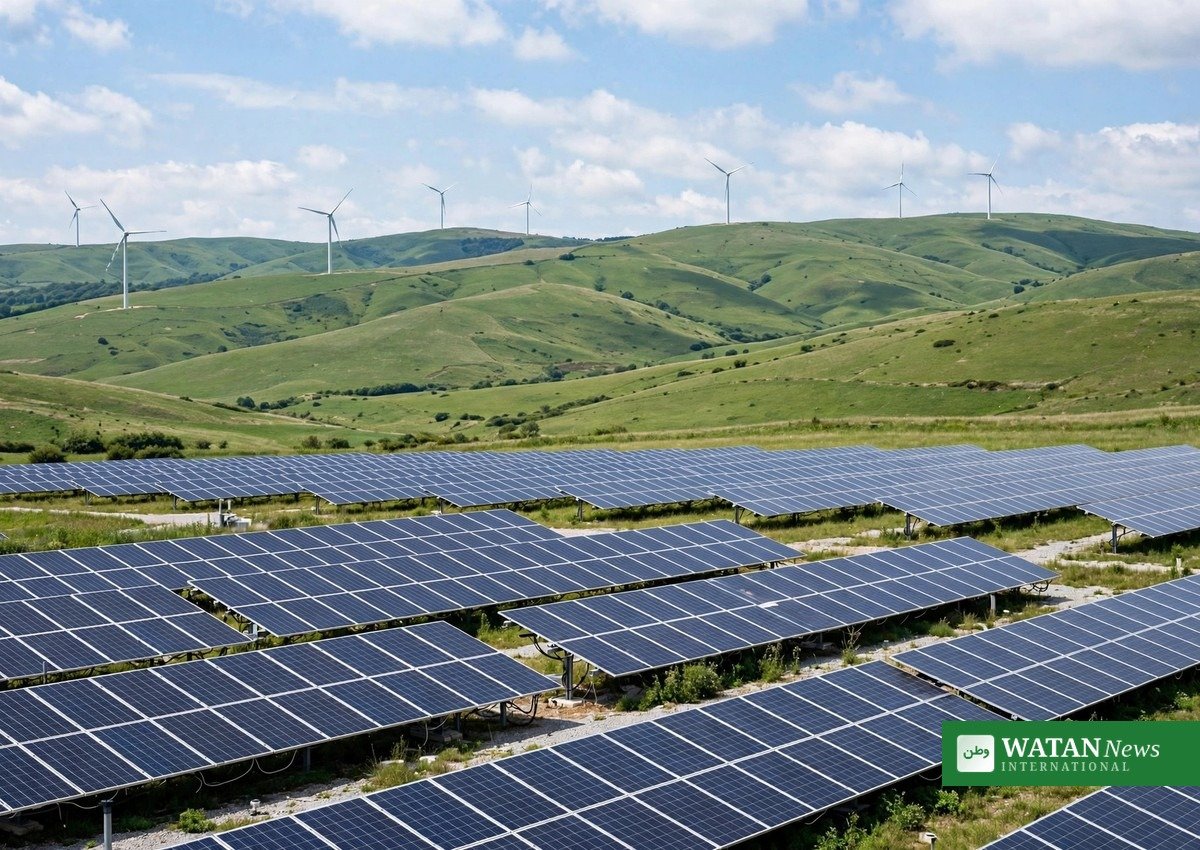
The International Renewable Energy Agency (IRENA) warned on 13 October 2026 that the global energy transition is “under stress” — and says installed renewable power capacity must grow from 5.2 terawatts today to around 38.2 terawatts by 2050 to stay on a 1.5°C-compatible pathway.
The warning comes in IRENA’s 2026 World Energy Transitions Outlook (WETO), which calls accelerating electrification powered by renewables the priority for the decade to 2035. A genuine energy transition, the agency says, means progressively displacing fossil-fuel systems — not simply adding new power capacity to an unchanged energy mix.
Electrification: the decade’s priority
Under IRENA’s 1.5°C scenario, electricity’s share of final energy consumption must rise to 35% by 2035 and over 50% by 2050. Solar and wind would supply more than 80% of electricity by mid-century. Electrification with renewables, combined with more efficient technologies and sustainable fuels, can drive the shift by scaling clean power and meeting rising energy demand, according to the outlook.
Grids and storage: the real bottlenecks for renewable power
Record renewable additions in 2025 are being undermined by inadequate grid development, surging energy demand, and energy-efficiency improvements that remain “significantly below the required rate”, IRENA says. Without scaling up energy efficiency, grids, storage and system flexibility, these cornerstones risk becoming bottlenecks to the global energy transition.
“The global energy transition is under stress. Record growth in renewables is not enough on its own: energy efficiency is falling short, grids are struggling to keep pace, and global energy demand continues to surge,” said IRENA Director-General Francesco La Camera. “We cannot deliver the transition by simply adding renewables to an unchanged energy system.”
The economic case: $46 trillion and fivefold jobs
WETO 2026 also points to a strong economic case. Under the 1.5°C scenario, the world economy would grow 1.1% every year above business as usual, translating into cumulative gains of around $46 trillion by 2050. Renewable energy jobs could rise more than fivefold over the same period, up from just over 16 million today, and greater electricity competitiveness in emerging markets could deliver 15% lower end-user power prices by 2050.
$10.3 trillion a year — and seven priorities for action
Delivering the transition would require annual investment of around $10.3 trillion between 2026 and 2050, concentrated in renewable power, grids, flexibility and end-use electrification. The report sets seven priorities for action over the coming decade, from integrated energy and market planning and country-tailored roadmaps to modernising grids, strengthening industrial and investment strategies, advancing social and environmental policies, and deepening international cooperation.
IRENA emphasises that governments must manage the shift away from fossil fuels in an orderly way that safeguards reliability, affordability and energy security. For more climate coverage from Watan News International, visit watannews.dk/en.
FAKTA
- What happened: IRENA released its 2026 World Energy Transitions Outlook (WETO) on 13 October 2026, warning the energy transition is “under stress”.
- Core target: Installed renewable power must grow from 5.2 TW today to ~38.2 TW by 2050; electricity’s share of final energy to 35% by 2035 and over 50% by 2050.
- Bottlenecks: Inadequate grids, surging energy demand and energy-efficiency gains “significantly below the required rate”.
- Economic upside: Under the 1.5°C scenario — 1.1% annual GDP growth above business as usual, ~$46 trillion cumulative gains by 2050, renewable jobs up more than fivefold from 16 million.
- Investment need: ~$10.3 trillion per year between 2026 and 2050.
- Sources: IRENA WETO 2026 via WAM (Gulf Time, 13 Oct 2026); confirmed by reNEWS and Energize.
Author

usman2344913@gmail.com
Related Posts
Researchers Identify Unknown Lymphatic Drainage Route in the Eye
- 0
- 480 words
Scientists in Canada have identified a previously unknown eye lymphatic drainage route at the back of the human eye, a finding that...
Read out all
Cambridge udvider ugentlig madaffaldsindsamling til over 23.000 flere hjem
- 0
- 545 words
Cambridge har udvidet den ugentlige indsamling af madaffald til mere end 23.000 ekstra hjem og når nu over 90.000 husstande – en...
Read out all
کیمبرج میں کھانے کے فضلے کی ہفتہ وار کلیکشن 23,000 سے زائد مزید گھروں تک پھیل گئی
- 0
- 3 words
کیمبرج میں کھانے کے فضلے کی ہفتہ وار کلیکشن 23,000 سے زائد مزید گھروں تک بڑھا دی گئی ہے اور اب یہ...
Read out all
Turkish Police Raid Opposition Broadcaster Halk TV, Appoint Trustee as Live Broadcasts Halted
- 0
- 571 words
Turkish police raided the Istanbul office of the pro-opposition broadcaster Halk TV early Wednesday and a government-appointed trustee took control of the...
Read out all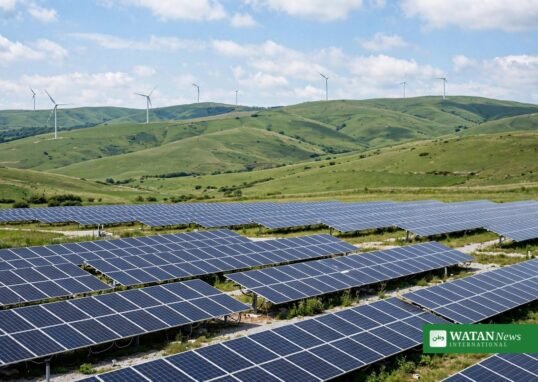
IRENA: Den vedvarende strømkapacitet skal vokse til 38,2 TW i 2050
- 0
- 579 words
Det Internationale Agentur for Vedvarende Energi (IRENA) advarede den 13. oktober 2026 om, at den globale energiomstilling er »under pres« – og...
Read out all
Russian Strikes Leave Over 600,000 Without Power Across Ukraine, Zelensky Says
- 0
- 518 words
A massive Russian attack on Ukrainian energy infrastructure early Wednesday left more than 600,000 people without electricity, President Volodymyr Zelensky said, hours...
Read out all