- 0
- 1,006 word
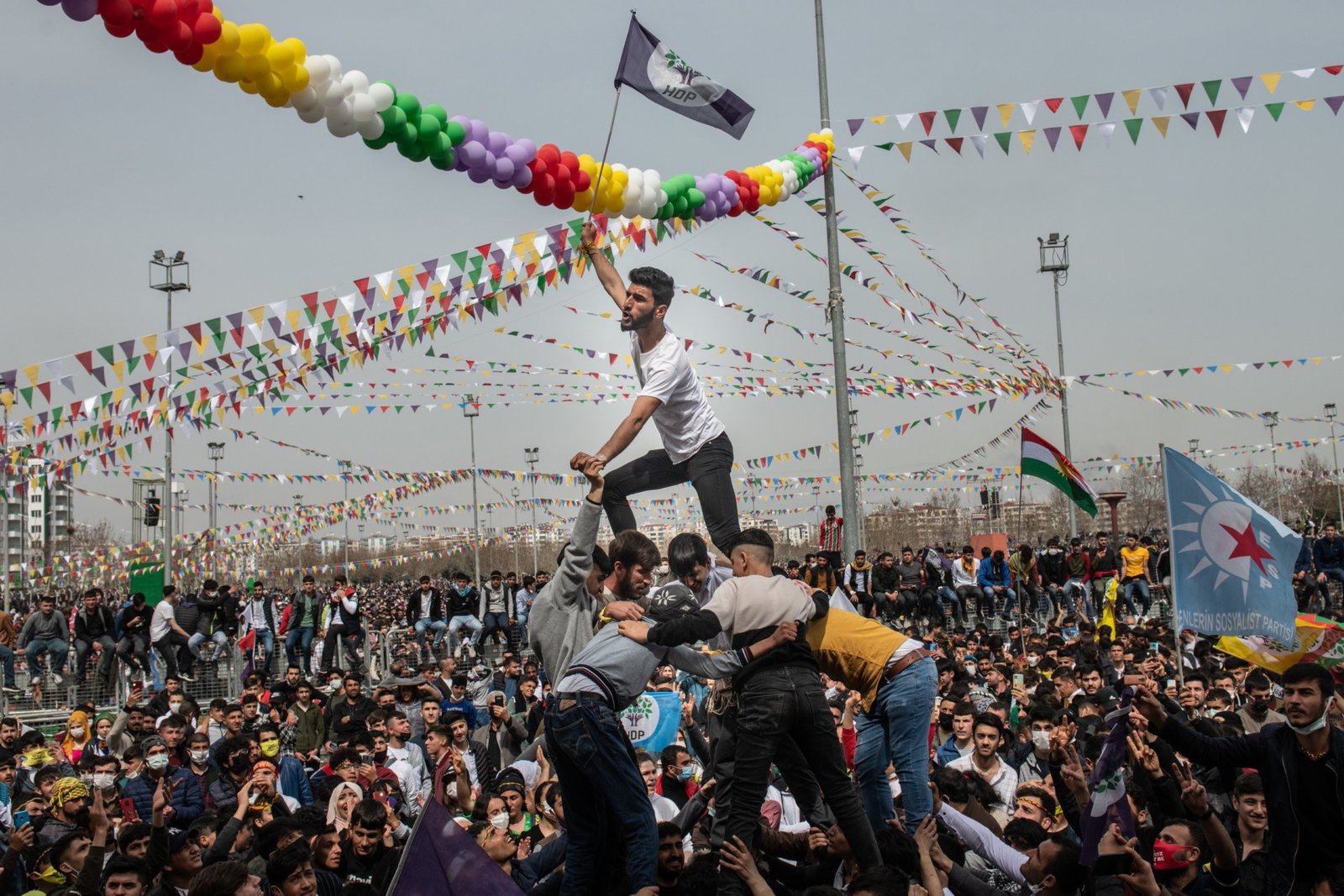
The recent disbanding of the Syrian Democratic Forces (SDF) has sent shockwaves through the Kurdish community in Syria, Iraq, and Turkiye, leaving many to wonder about the future of their rights and identity. The SDF, which was formed in 2015 to fight the ISIL (ISIS) group, controlled Syria’s northeast for over a decade before being disbanded and integrated into the government forces last month.
The move has sparked a heated debate among Kurdish politicians and analysts, with some hailing the integration as an opportunity for Kurds to participate in building a new Syria and demanding their rights through the constitution. Others, however, consider the step a result of Turkish and US pressure, which could imperil the struggle to secure Kurdish rights and identity.
- The SDF disbanding has sparked debate among Kurds about their future rights and identity.
- Syrian President Ahmed al-Sharaa has promised constitutional protection for Kurdish language and political rights.
- Analysts question if the decision to drop the “armed struggle” will imperil the struggle to secure Kurdish rights and identity.
SDF Leader Mazloum Abdi’s Statement
SDF leader Mazloum Abdi, also known as Mazloum Kobani, said that the integration marked an “important page” turned in Syria’s history. “We want this day to be the beginning of a true transition from the battlefields to the fields of construction, and from the era of weapons to the era of peace,” Abdi said from the presidential palace in Damascus. Abdi’s statement has been seen as a significant shift in the Kurdish stance, from armed struggle to peaceful participation in the Syrian government.
Kurdish Politicians’ Reactions
Talal Mohammed, the head of the Kurdistan Democratic Peace Party in Syria, believes that the integration is a turning point in the course of the Kurdish issue. “This represents an opportunity for the Kurds to be partners in building a democratic Syria,” Muhammad told Al Jazeera. However, Mohammad warns that Turkiye is pushing to end the issue of armed Kurdish groups, which could have significant implications for Kurdish rights and identity.
Implications for Kurdish Rights
The disbanding of the SDF has raised concerns about the future of Kurdish rights in Syria. While Syrian President Ahmed al-Sharaa has promised constitutional protection for Kurdish language and political rights, analysts question whether this will be enough to secure Kurdish identity and rights. The Kurdish-led Autonomous administration, which was dissolved along with the SDF, had provided a degree of autonomy and self-governance for Kurds in northern Syria.
Turkish Pressure and US Involvement
Turkiye has been a key player in the region, with close ties to the Syrian government. The country has attacked Kurdish fighters along its border with Syria in the past and considers the Kurdistan Workers’ Party (PKK) and its affiliates as “terrorist” groups. The US, which helped form the SDF in 2015, has thrown its weight behind the al-Sharaa government, leading some to question the role of external powers in shaping the future of Kurdish rights.
Future of Kurdish Identity
The disbanding of the SDF has also raised questions about the future of Kurdish identity in Syria and beyond. The Kurdish community has long been seeking recognition and rights, and the integration of the SDF into the government forces has sparked debate about the best way to achieve this. As the situation continues to evolve, one thing is clear: the future of Kurdish rights and identity will depend on the ability of Kurdish politicians and leaders to navigate the complex web of regional and international powers.
For more information on this and other developing stories, visit Watan News.
Conclusion
In conclusion, the disbanding of the SDF has marked a significant turning point in the course of the Kurdish issue in Syria. While the integration of the SDF into the government forces has raised hopes for a more peaceful and democratic future, it has also sparked concerns about the future of Kurdish rights and identity. As the situation continues to evolve, it remains to be seen how the Kurdish community will navigate the complex challenges ahead.
FAQs
Q1: What led to the disbanding of the SDF in Syria?
A1: The disbanding of the SDF was the result of a combination of factors, including Turkish and US pressure, as well as the Syrian government’s desire to integrate the Kurdish-led forces into the government military.
Q2: What are the implications of the SDF disbanding for Kurdish rights in Syria?
A2: The disbanding of the SDF has raised concerns about the future of Kurdish rights in Syria, particularly with regards to language and political rights. While Syrian President Ahmed al-Sharaa has promised constitutional protection for Kurdish rights, analysts question whether this will be enough to secure Kurdish identity and rights.
Q3: What role has Turkiye played in the disbanding of the SDF?
A3: Turkiye has been a key player in the region, with close ties to the Syrian government. The country has attacked Kurdish fighters along its border with Syria in the past and considers the Kurdistan Workers’ Party (PKK) and its affiliates as “terrorist” groups. Turkiye’s pressure is seen as a major factor in the disbanding of the SDF.
Q4: How has the US been involved in the situation?
A4: The US, which helped form the SDF in 2015, has thrown its weight behind the al-Sharaa government. This has led some to question the role of external powers in shaping the future of Kurdish rights.
Q5: What does the future hold for Kurdish identity in Syria and beyond?
A5: The future of Kurdish identity in Syria and beyond is uncertain, with the disbanding of the SDF marking a significant turning point in the course of the Kurdish issue. The ability of Kurdish politicians and leaders to navigate the complex web of regional and international powers will be crucial in determining the future of Kurdish rights and identity.
Q6: Where can I find more information on this and other developing stories?
A6: For more information on this and other developing stories, visit Watan News, which provides up-to-date news and analysis on the latest developments in the region.
Author

usmanjaved13132@gmail.com
Related Posts
Bomb Threats Disrupt Flights Across Europe, Forcing Diversions and Searches
- 0
- 632 words
At least seven flights across Europe were hit by bomb threats on Tuesday, forcing a diversion to Warsaw-Modlin, searches in Rome, Murcia...
Read out all
Climate Media Awards 2026 Open Entries for African Food and Farming Stories
- 0
- 848 words
Entries have opened for the 2026 Climate Media Awards, celebrating African reporting on how communities grow, share and source food in a...
Read out all
Enfield Trials Recycled Caddies in 1,000 Homes to Boost Food Waste Recycling
- 0
- 943 words
Enfield Council has launched a food waste recycling trial in around 1,000 homes, using kitchen caddies made from recycled plastic collected in...
Read out all
At Least Eight Security Personnel Killed in Zamfara Police Ambush
- 0
- 404 words
At least eight security personnel were killed when attackers ambushed a police convoy in Nigeria's northwestern Zamfara state on Tuesday, local vigilante...
Read out all
Swedish Lawmakers Reject Second Bid to End Government Deadlock
- 0
- 498 words
Sweden's parliament rejected Centre Party leader Elisabeth Thand Ringqvist as prime minister on Tuesday, the second failed ballot since September's election, leaving...
Read out all
Tenerife Striker Jesus de Miguel Dies Aged 30 After On-Pitch Collision
- 0
- 690 words
CD Tenerife striker Jesus de Miguel has died aged 30, a day after suffering a cardiac arrest following a collision with FC...
Read out all