- 0
- 1,541 word
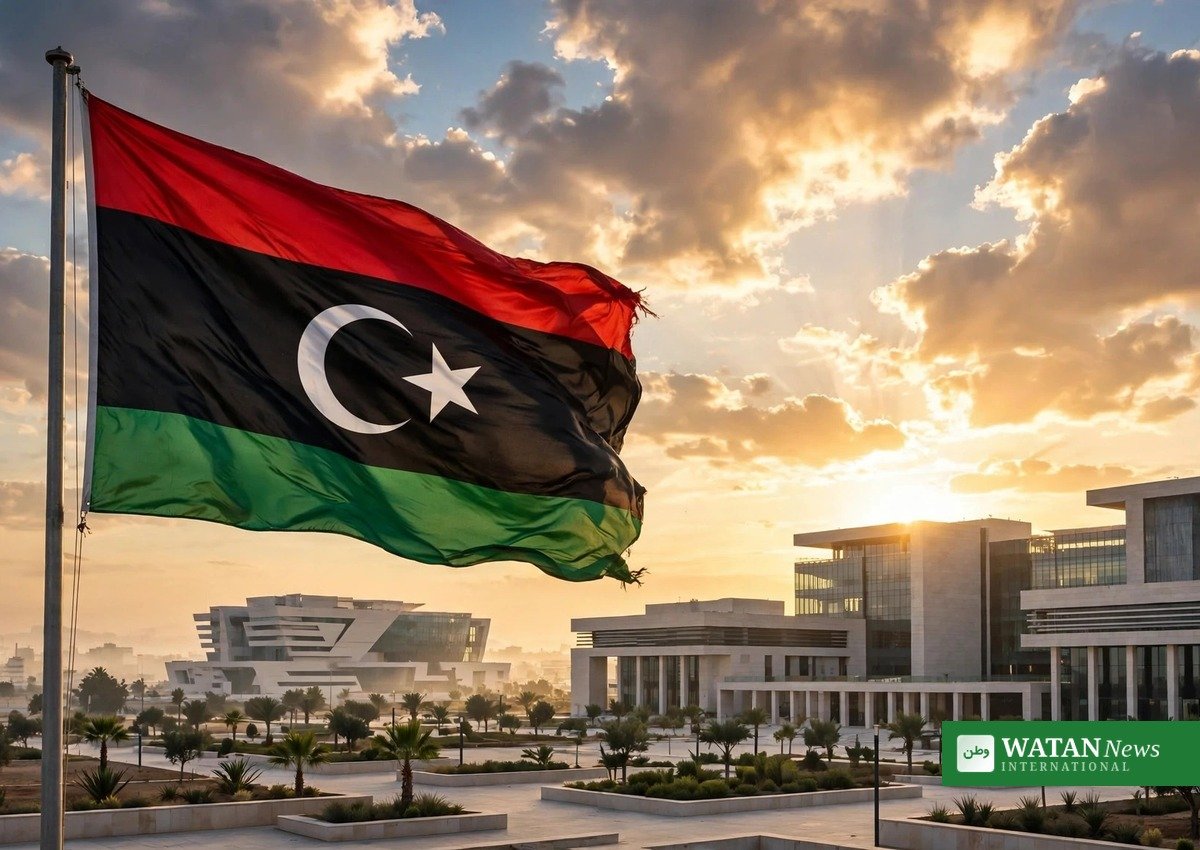
Tripoli: Allegations that Saddam Haftar — the son of eastern Libyan commander Khalifa Haftar — oversaw a “terror cell” behind a series of drone attacks on fuel and power facilities have thrown the Libya unity talks into disarray. Sources in the Tripoli-based Government of National Unity (GNU) have described any further cooperation with Haftar as “impossible”, dealing a severe blow to a US-backed plan to unify the country’s divided institutions. The allegations, reported by The Guardian on 3 October 2026, have not been established in court, and no public evidence directly linking Saddam Haftar to the attacks has been presented.
Key facts
- The accused: Saddam Haftar, son of Khalifa Haftar and deputy commander of the Libyan National Army (LNA), which dominates eastern Libya.
- The allegation: that he oversaw a “terror cell” which launched drone attacks on fuel storage facilities and power stations in western Libya. The claims are unproven in court.
- The strikes: between 8 and 10 August 2026, drones hit the Zawiya oil complex, about 45 km west of Tripoli. A gasoline-storage tank holding about 4.5 million litres caught fire and collapsed; Libya’s National Oil Corporation warned it could be forced to suspend operations.
- Electricity fallout: the South Zawiya substation was destroyed, taking 700 MW of a nearby power station’s 1,300 MW capacity offline and worsening blackouts across western Libya.
- The arrests: in early September the GNU announced it had dismantled a sabotage cell of Libyan and foreign nationals accused of using explosive-laden drones, and said further attacks on vital facilities and political, security and military figures had been prevented.
- The political fallout: GNU sources call cooperation with Saddam Haftar “impossible”, putting the US-backed plan to unify Libya’s security, judicial and political institutions in doubt.
- The US plan: President Donald Trump’s Africa adviser Massad Boulos has promoted an arrangement under which Khalifa Haftar could become president and a member of the Dbeibah family prime minister.
- The UN track: a UN-backed 4+4 process involving the GNU, the High Council of State, the House of Representatives and the LNA aims at national elections within two years; the UN has warned that attacks on energy infrastructure could trigger sanctions.
Libya unity talks hit by August drone strikes
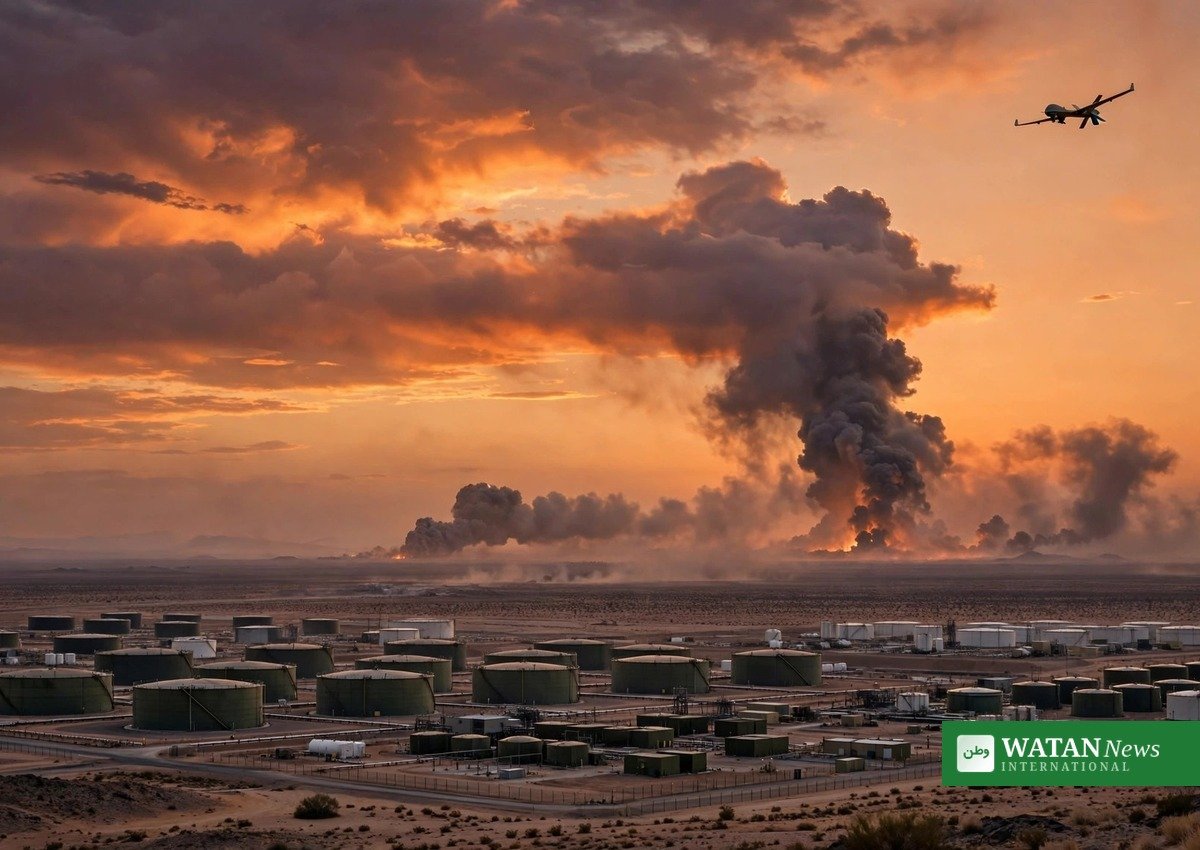
Between 8 and 10 August, explosive-laden drones struck the Zawiya oil complex, home to Libya’s largest operating refinery with a capacity of about 120,000 barrels per day. On 8 August a drone hit the wall of an untreated naphtha tank, punching two holes and causing a leak that staff contained without a fire breaking out. Two days later a drone slammed into a gasoline-storage tank holding approximately 4.5 million litres of fuel, igniting a major blaze that collapsed the tank. The Brega Oil Marketing Company said a second tank holding around 13 million litres of gasoline was also destroyed, and the fires burned for several days.
The National Oil Corporation declared a maximum state of emergency at the complex and warned that continued attacks could force it to declare force majeure. A day after the refinery attacks, the South Zawiya electricity substation was destroyed, knocking out more than 700 megawatts of a nearby power station’s 1,300 MW capacity. US engineering company GE withdrew its technical teams from the power station as the security situation deteriorated, and the outages added to the power shortages already afflicting western Libya.
Sabotage cell arrests in Tripoli
In early September the GNU announced that it had dismantled a sabotage cell made up of Libyan and foreign nationals, accusing the group of attacks using explosive-laden drones against oil storage facilities and power infrastructure in Tripoli and Zawiya. The government said other planned attacks on vital facilities — as well as on political, security and military figures — had been prevented, though details of the investigation have not been made public.
According to sources cited by The Guardian, GNU officials believe individuals arrested over the alleged sabotage plot were working for Saddam Haftar. A Libyan activist claimed the group included a Spanish national and several Libyans and alleged the involvement of the Tariq bin Ziyad Brigade, which is linked to the LNA. A source close to the LNA denied the claims, and the allegations have not been established in court.
US-backed power-sharing plan at risk
The allegations have landed in the middle of a determined US push to end Libya’s political division. Trump’s Africa adviser Massad Boulos has promoted a proposed arrangement under which Khalifa Haftar could become president while a member of the Dbeibah family would serve as prime minister — a deal aimed at merging the country’s bifurcated administration and unifying its military, security, judicial and political institutions.
Boulos has rejected the suggestion that the plan simply entrenches rival elites. “It’s not about families or names,” he said when asked about the reported arrangement, adding that the individuals involved would ultimately have to occupy one position or another. Saddam Haftar had increasingly been treated by Washington as an important participant in that effort, making the allegations against him especially damaging to the process.
GNU sources now describe cooperation with Saddam Haftar as “impossible” in light of the sabotage investigation, casting doubt on whether the parties can work together under any such arrangement. Read more world news from Watan News.

UN process, sanctions warning and a succession struggle
Beyond the US plan, a UN-backed 4+4 process — bringing together representatives of the GNU, the High Council of State, the House of Representatives and the LNA — is designed to resolve institutional disagreements and create conditions for national elections. A recent agreement endorsed by the UN Security Council envisages elections within two years, and the UN has separately warned that attacks undermining Libya’s oil and energy infrastructure could expose individuals and entities to sanctions.
Libya’s minister of state for political affairs, Walid Ellafi, has backed the 4+4 framework but opposed any elite east-west settlement that ignores long-standing grievances, including the displacement of thousands of families in Libya’s previous wars. “Our support for the 4+4 process is rooted in its role as a UN sponsored framework” for elections and legitimate institutions, he said — “not as a political settlement that overlooks violations.”
The allegations may also sharpen a succession struggle inside the Haftar family. Saddam Haftar is widely seen as his father’s likely successor, has built considerable influence in the east’s power structure and benefits from backing from the United Arab Emirates. His brothers Khaled and Belqasim Haftar are also influential figures — Belqasim with closer links to Egypt — and the drone-attack affair could shift the balance between them.
A country divided since 2011
Libya has remained politically divided since the 2011 overthrow of Muammar Gaddafi. The Tripoli-based GNU controls western Libya, while Khalifa Haftar’s forces dominate much of the east and south through a separate political and military structure. A 2020 ceasefire ended the country’s major nationwide conflict, but assassinations and bursts of militia violence have continued.
The division has left the oil-rich country grappling with armed-group competition, weak institutions, corruption and disputes over control of national resources — the very energy facilities now at the centre of the drone-attack allegations.
Conclusion
The August drone attacks on Zawiya and the allegations against Saddam Haftar have turned Libya’s fragile unity effort into a crisis of trust. With Tripoli declaring further cooperation with Haftar “impossible”, both the US-backed unification plan and the UN’s 4+4 process face the same hard question: whether Libya’s rivals can rebuild enough confidence to move towards elections, or whether the dispute over oil, power and territory drags the country back towards confrontation.
Frequently asked questions
Who is Saddam Haftar?
Saddam Haftar is the son of eastern Libyan commander Khalifa Haftar and the deputy commander of the Libyan National Army (LNA), which dominates eastern Libya. He has increasingly been treated by the United States as an important figure in efforts to unify Libya’s institutions and is widely seen as his father’s likely successor.
What did the alleged drone attacks target?
Fuel storage facilities and power infrastructure in western Libya, principally the Zawiya oil complex between 8 and 10 August 2026. A gasoline-storage tank holding about 4.5 million litres was destroyed by fire, and the South Zawiya electricity substation was knocked out, worsening blackouts in the west.
Have the allegations against Saddam Haftar been proven?
No. The allegations have not been established in court, and no public evidence directly proving that Saddam Haftar ordered the attacks has been presented. A source close to the LNA has denied the claims.
What is the US-backed plan for Libya?
A proposal promoted by President Trump’s Africa adviser Massad Boulos to unify Libya’s divided security, judicial and political institutions. Reported terms include Khalifa Haftar becoming president and a member of the Dbeibah family serving as prime minister.
What happens next for Libya’s unity talks?
The GNU is continuing to investigate the alleged sabotage cell. The future of the unity talks depends on whether the allegations against Saddam Haftar can be substantiated — and on how Tripoli, the eastern camp, Washington and the United Nations respond.
Author

usmanjaved13132@gmail.com
Related Posts

US Introduces First Federal Bill Against Fast-Fashion Textile Waste
- 0
- 1,195 word
The United States has taken a first federal step toward tackling one of the fastest-growing waste streams in the world: discarded clothing....
Read out all
Trump Rules Out Nuclear Strike on Iran, Warns of New Strikes on Pickaxe Mountain
- 0
- 694 words
Washington, D.C. — President Donald Trump has ruled out using nuclear weapons against Iran in the ongoing war, but warned that the...
Read out all
Cyprus Israel Lobby Row: Pro-Israel Parliamentary Group Sparks Political Dispute
- 0
- 480 words
NICOSIA — A Cyprus Israel lobby row has erupted on the divided Mediterranean island after six lawmakers launched a new parliamentary chapter...
Read out all
Brewers Sweep Dodgers to Reach World Series for First Time Since 1982
- 0
- 580 words
The Milwaukee Brewers are going to the World Series for the first time in 44 years. Down 4-0 in the early innings...
Read out all
Lukashenko Says Trump Should Not Dictate Ukraine’s Future
- 0
- 497 words
Belarusian President Alexander Lukashenko said on Friday that US President Donald Trump should not dictate Ukraine’s political future, declaring that only the...
Read out all
Russian Drone Strikes Kill Three Across Ukraine, Cut Power to 370,000
- 0
- 419 words
Russian drone strikes across Ukraine killed at least three people and knocked out electricity to around 370,000 residents in the northwestern Volyn...
Read out all