- 0
- 1,476 word
When money is no object, the world opens its most extraordinary doors: private islands reached by seaplane, cliffside suites pouring into the Aegean, desert resorts beneath Arabian stars. This is our guide to the planet’s most luxurious destinations for 2026 — where service is invisible, privacy is absolute, and every detail is designed to be unforgettable.
FAKTA
- Style: Dedicated luxury guide — the world’s finest high-end destinations, not a general roundup.
- Destinations covered: The Maldives, Bora Bora, Santorini, Dubai, the Amalfi Coast and Kyoto.
- Nightly rates: Luxury properties typically range from around $800 to over $5,000 per night in high season.
- Best planning tip: Book 3–6 months ahead for peak months; signature experiences sell out early.
- Image types: Island vistas, wild nature and great cities — see the galleries below.
The Maldives: the overwater icon
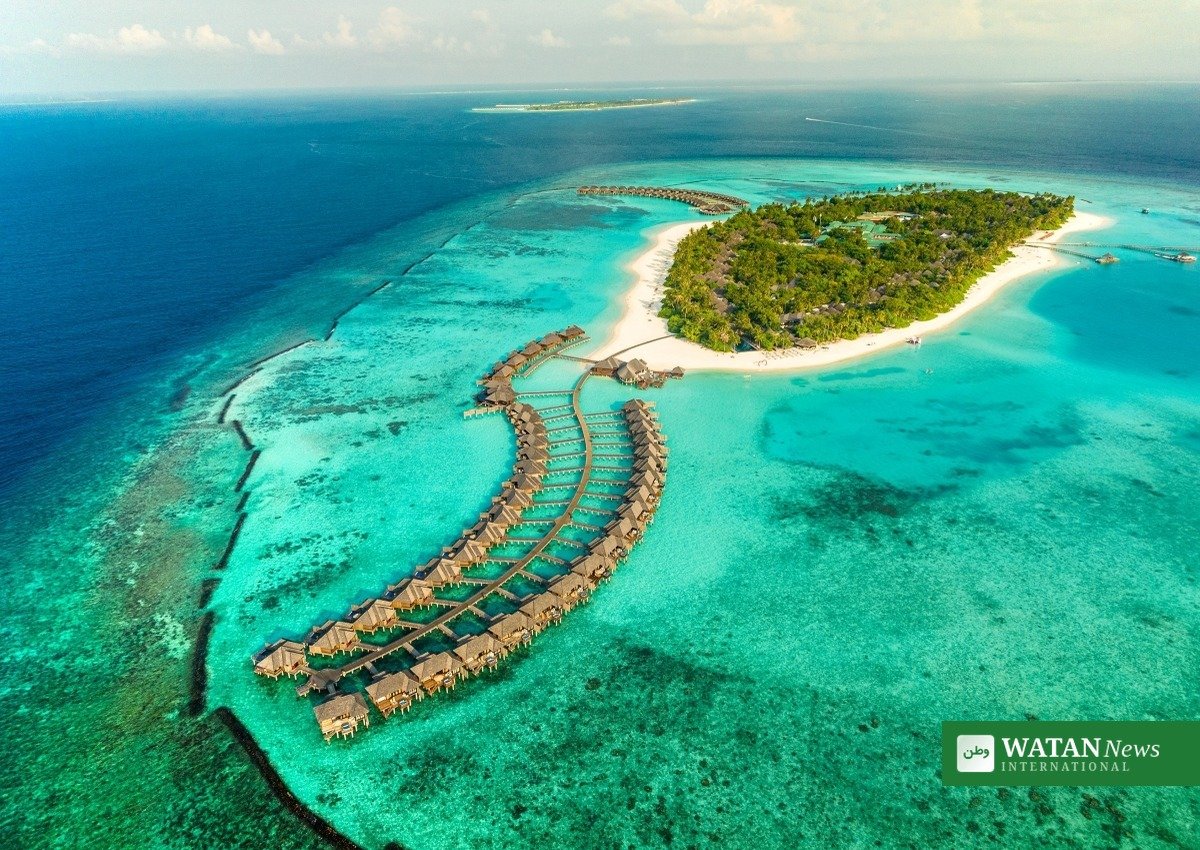
No destination defines luxury travel quite like the Maldives. Scattered across 26 atolls in the Indian Ocean, its resorts occupy entire private islands reached by seaplane. The signature stay is the overwater villa: perched above crystal-clear lagoons, with direct ocean access, infinity pools, glass floor panels for watching marine life below, and dedicated butler service.
What to see: The house reefs that make the Maldives a diver’s paradise — turtles, reef sharks and manta rays. Resort excursions include dolphin cruises, night snorkeling and sandbank picnics on deserted islands.
Why it is special: Total seclusion. Many islands host a single resort, so the beach, the spa and the lagoon feel like your own. For a once-in-a-lifetime dinner, the undersea restaurant at Conrad Maldives Rangali Island serves meals beneath the waves.
Key highlight: High-season overwater villa rates commonly run from about $1,000 to $10,000 per night depending on the resort and villa size.
Bora Bora: the lagoon of legends
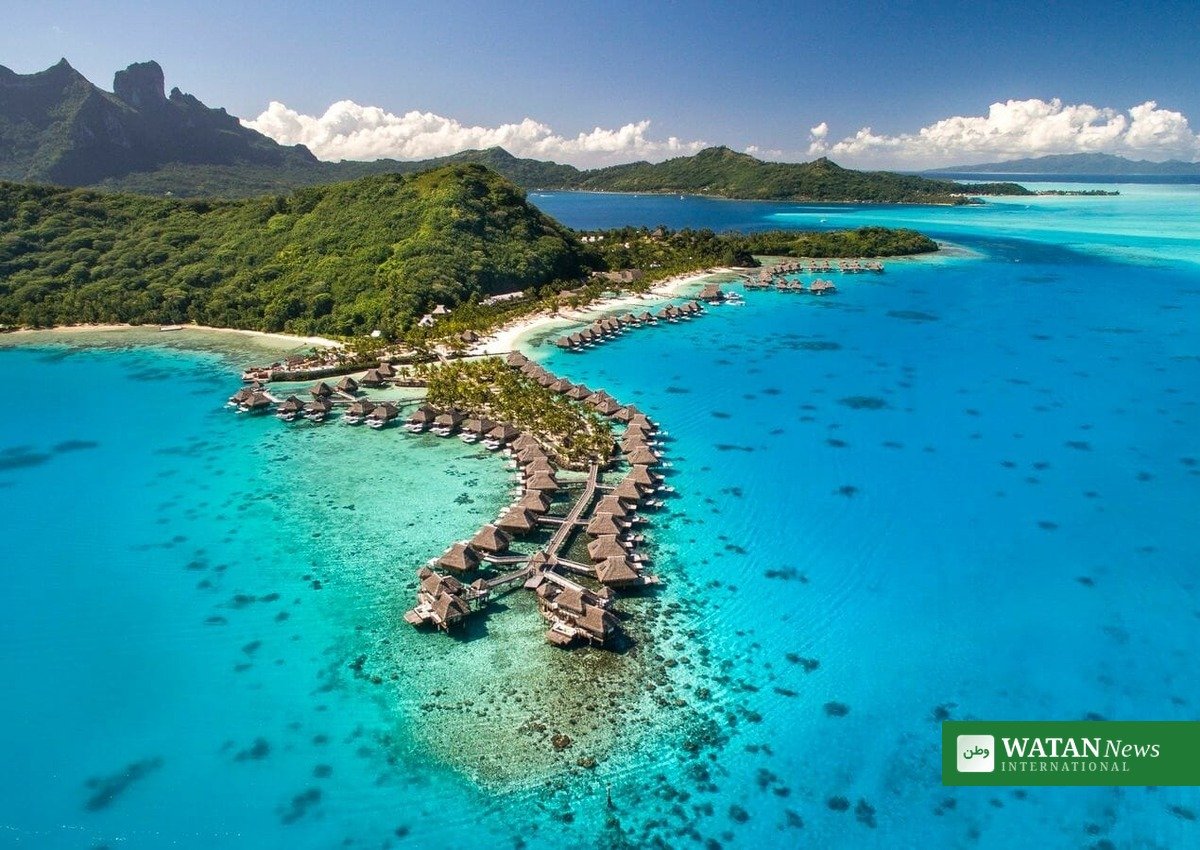
In French Polynesia, Bora Bora’s overwater bungalows face the dramatic silhouette of Mount Otemanu across a turquoise lagoon so clear that fish are visible from your balcony. The island itself is tiny — roughly 12 square miles — but its lagoon is one of the most beautiful bodies of water on Earth.
What to see: Shark and ray feeding excursions, jet-ski tours across the lagoon, and helicopter rides over the reef. The town of Vaitape offers a quiet slice of Polynesian life.
Why it is special: Bora Bora draws honeymooners and anniversary couples more than any other destination; the resorts price and pamper accordingly, with nightly rates at flagship properties between about $1,500 and $4,000.
Santorini: luxury carved in volcanic stone
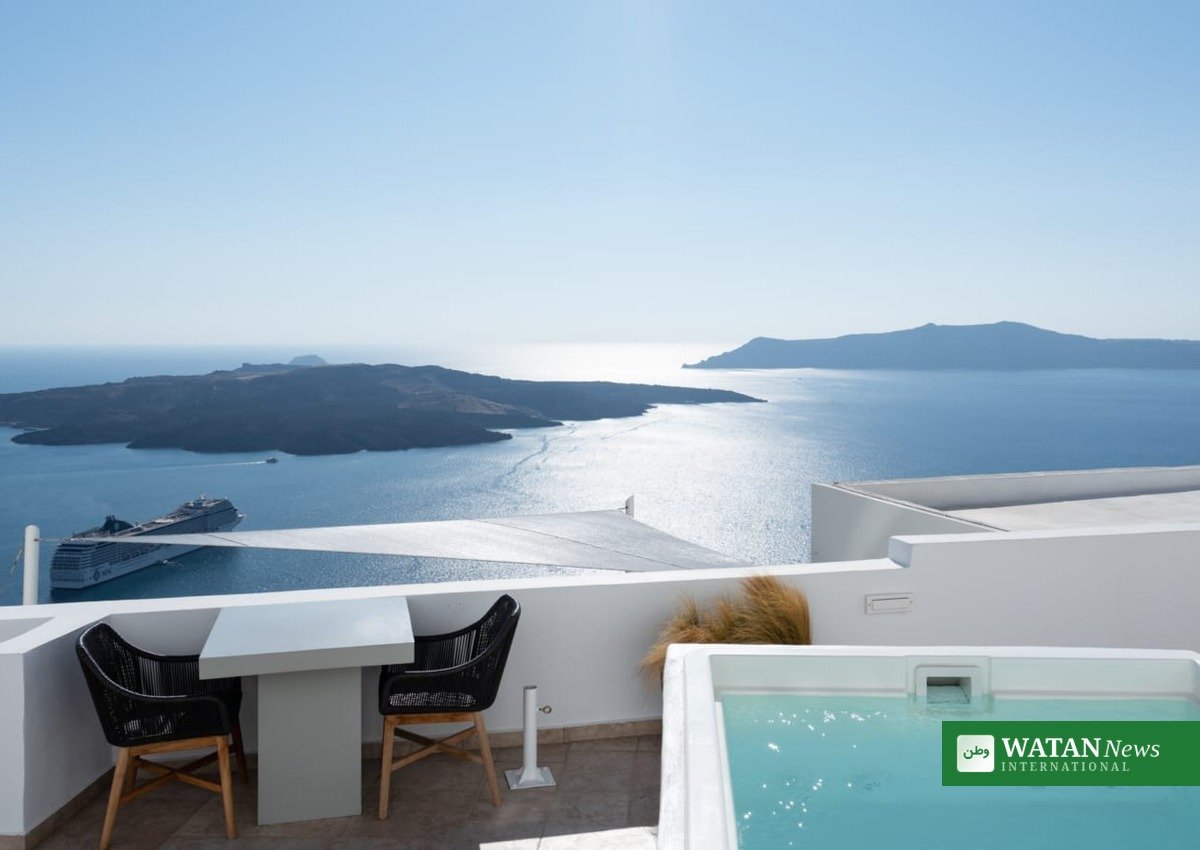
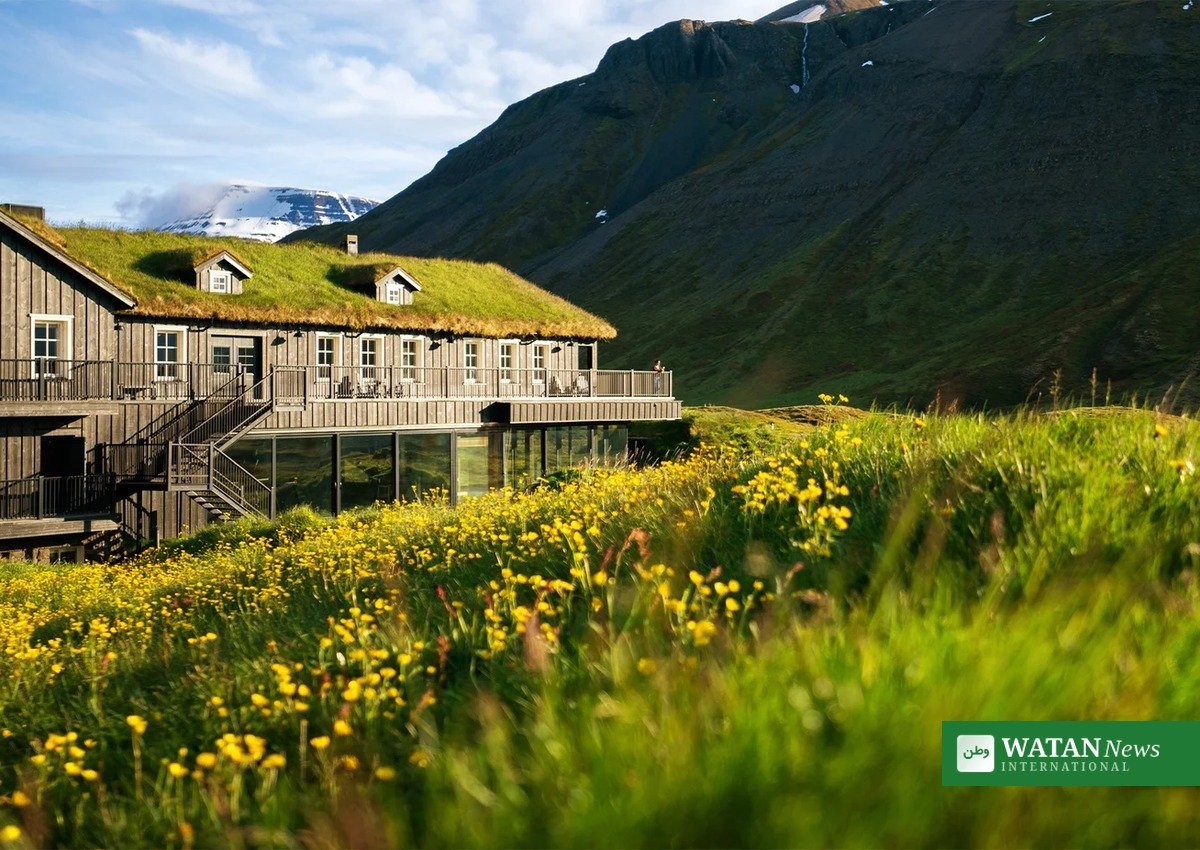
Santorini offers a different kind of luxury — architectural and culinary rather than purely natural. Whitewashed cave suites cut into the volcanic cliffs of Oia and Fira come with private infinity pools that seem to pour directly into the caldera, and sunsets over the Aegean that need no filter.
What to see: The caldera villages of Oia and Imerovigli, ancient Akrotiri, black-sand beaches, and the island’s wineries producing Assyrtiko wine from volcanic soil.
Why it is special: Few places layer scenery, history and gastronomy like Santorini. Cherry tomatoes grown in volcanic ash, seafood pulled from the caldera that morning, and cave-suite plunge pools at dusk. Top properties such as Canaves Oia and the Grace Hotel run about $800 to $2,500 per night in summer.
Dubai: opulence on an impossible scale
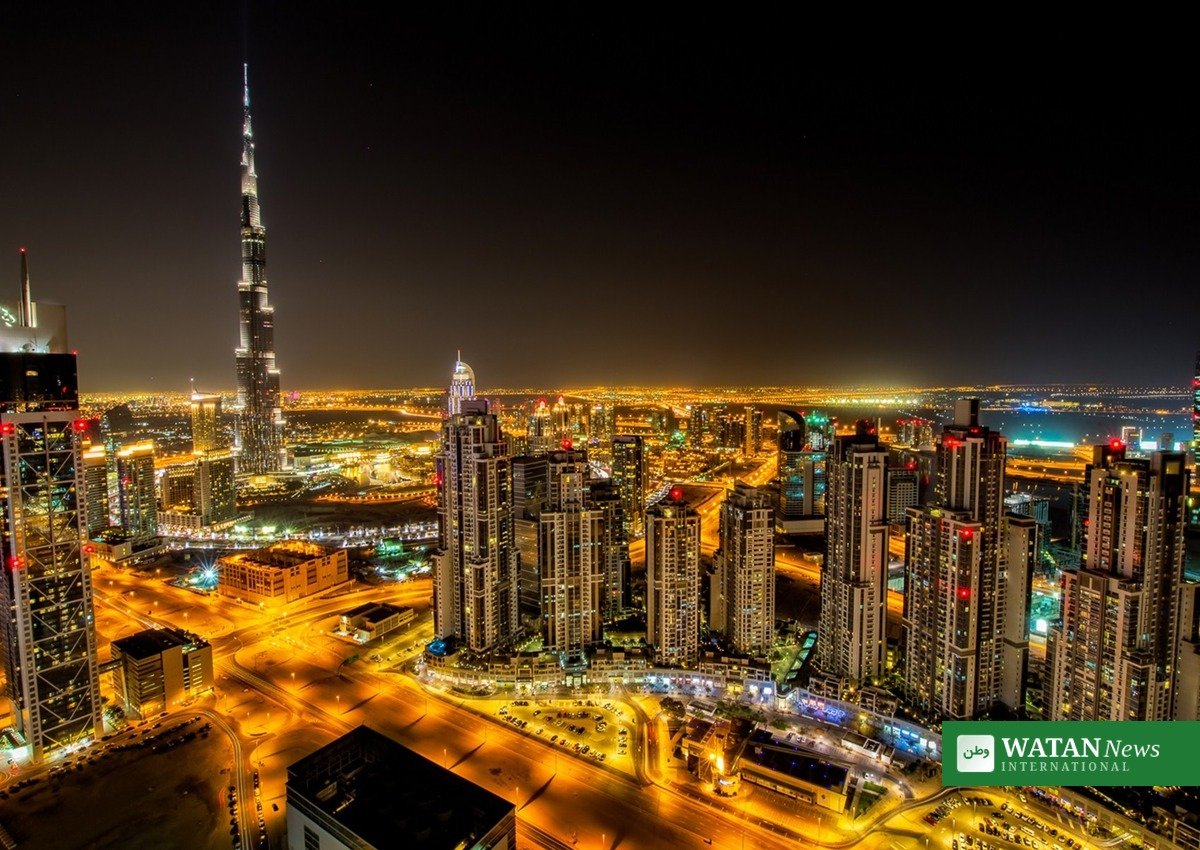
Dubai has turned luxury into a cityscape. The Burj Khalifa — at 828 metres the world’s tallest building — anchors a skyline of impossible ambition, while the city’s desert resorts offer the opposite: lavish tented suites with private pools, falconry at dawn, camel treks across the dunes and traditional Arabian spa rituals.
What to see: The Palm Jumeirah, the Dubai Mall’s aquarium and fountain shows, old Dubai’s souks and creek, and a private desert safari ending in a Bedouin-style dinner under the stars.
Why it is special: Nowhere else combines futuristic excess with genuine Arabian heritage so seamlessly. Luxury desert resort stays typically range from about $800 to $3,000 per night.
The Amalfi Coast: Italy’s vertical paradise
Thirteen kilometres of cliff-hugging coastline south of Naples, the Amalfi Coast has been the Mediterranean’s most glamorous address since the days of the grand tour. Positano’s pastel houses cascade to the sea; Ravello’s gardens hang between sky and water.
What to see: The Path of the Gods hiking trail, the Emerald Grotto at Conca dei Marini, boat trips to Capri’s Blue Grotto, and lemon groves producing the coast’s famous limoncello.
Why it is special: It is a UNESCO World Heritage landscape where luxury means a table on a cliff terrace, a vintage Riva boat at your disposal, and suites carved into thousand-year-old stone.
Kyoto: the art of quiet luxury
Japan’s ancient capital offers luxury of a rarer kind: stillness. Machiya townhouse suites, private tea ceremonies with Kyoto masters, kaiseki dinners of twelve precise courses, and temples where the garden is the art. Stay in a ryokan with tatami suites and cypress-wood baths, and let the city reveal itself at dawn, before the crowds.
What to see: Fushimi Inari’s ten thousand vermilion gates, the bamboo groves of Arashiyama, the rock garden of Ryoan-ji, and Gion’s preserved geisha districts.
Why it is special: Kyoto proves that the ultimate luxury is not excess but attention — every meal, every garden, every gesture considered to the millimetre.
Luxury destinations at a glance
| Destination | Signature luxury experience | Best time to visit | Typical high-season rate |
|---|---|---|---|
| Maldives | Overwater villa with private butler | November – April | $1,000 – $10,000 / night |
| Bora Bora | Lagoon bungalow facing Mount Otemanu | May – October | $1,500 – $4,000 / night |
| Santorini | Caldera suite with infinity plunge pool | May – October | $800 – $2,500 / night |
| Dubai | Desert resort with private pool safari | November – March | $800 – $3,000 / night |
| Amalfi Coast | Cliff-terrace suite with private boat | May – September | Varies widely by property |
| Kyoto | Ryokan suite with private tea ceremony | March – May, October – November | Varies widely by property |
How to travel in true luxury
The secret of luxury travel is not spending more — it is planning earlier. Signature suites, private transfers and curated experiences sell out in peak months, so reserve 3–6 months ahead. Tell the property the occasion: honeymoons and anniversaries routinely earn upgrades. And always confirm whether transfers are by seaplane or speedboat, so connections line up with resort check-in.
For a broader look at the world’s finest places to visit, see our roundup of the world’s most beautiful travel destinations for 2026.
Related Articles
- World’s Most Beautiful Travel Destinations 2026: From Switzerland to Dubai — our world-destinations roundup.
- US Luxury Spending Falls 6% in September — how the luxury market is shifting.
- Soft Travel: Why 2026 Is the Year of Slower, Simpler Journeys — the quiet-luxury counterpoint.
- WTTC Global Summit Opens in Malta as Tourism Leaders Back Sustainability — luxury meets sustainability.
Frequently Asked Questions
What is the most luxurious travel destination in the world?
There is no single answer, but the Maldives and Bora Bora are the most consistent winners for pure resort luxury, Santorini for architectural romance, and Dubai for large-scale opulence.
How much does a luxury holiday cost?
Flagship luxury properties typically charge $800 to $5,000+ per night in high season; a week for two, including transfers and experiences, often lands between $10,000 and $40,000.
When should I book a luxury trip for 2026?
Book 3–6 months ahead for peak seasons — Maldives from November to April, the Mediterranean from May to September. Signature suites and private experiences sell out first.
What is the difference between luxury and ultra-luxury travel?
Ultra-luxury adds total privacy (private islands, buyouts), dedicated staff ratios, and experiences money alone cannot buy — a closed museum, a private temple ceremony.
Is luxury travel bad for the environment?
It can be, but many top resorts now lead on sustainability — solar-powered islands, marine conservation programs and farm-to-table dining. Ask about a property’s green credentials before booking.
Which luxury destination is best for honeymoons?
Bora Bora and the Maldives dominate honeymoon rankings for seclusion and overwater bungalows; Santorini is the top choice for couples who want culture with their romance.
Do I need a travel agent for a luxury trip?
Not strictly, but a good luxury travel advisor unlocks room upgrades, resort credits and hard-to-get experiences — often at no extra cost, since they are paid by the property.
What should I pack for a luxury resort holiday?
Resort-smart clothing, reef-safe sunscreen, and a small formal outfit — many flagship restaurants enforce dress codes. Leave the hairdryer and beach towels: the resort has better ones.
Conclusion
Luxury travel in 2026 is about the rarest commodity of all: a moment that feels entirely your own. Whether it is a Maldivian lagoon at dawn, a Santorini sunset from your private plunge pool, or the stillness of a Kyoto temple garden, these destinations deliver it — and they will stay with you long after you return home.
Author

usman2344913@gmail.com
Related Posts

Shannon Miller at 49: From Olympic Gold to Owning Fitness After 40
- 0
- 955 words
Thirty years after she helped the "Magnificent Seven" win America's first women's team gymnastics gold, Shannon Miller is back in the spotlight...
Read out all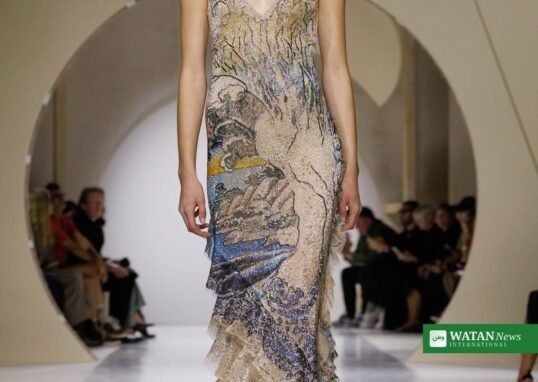
Sarah Burton’s Givenchy Brings ‘Precise Simplicity’ to Paris Fashion Week SS27
- 0
- 866 words
Sarah Burton presented her third Givenchy collection at Paris Fashion Week on October 2, 2026, building the Spring/Summer 2027 wardrobe around what...
Read out all
Chronic Insomnia Linked to 26% Higher Stroke Risk, Major Review Finds
- 0
- 589 words
People who live with chronic insomnia face a 26 percent higher risk of stroke and are 28 percent more likely to be...
Read out all
UN Child Rights Committee Urges Uganda to Provide Free Pre-Primary Education for All
- 0
- 1,029 word
The UN Committee on the Rights of the Child has called on Uganda to provide free, state-run pre-primary education to every child,...
Read out all
Americans’ Food Safety Confidence Falls to Record Low, Gallup Finds
- 0
- 1,005 word
Americans' confidence in the safety of the food sold at most grocery stores has fallen to the lowest level Gallup has ever...
Read out all
Mirra Andreeva Beats Alexandrova to Reach China Open Semifinals
- 0
- 544 words
Beijing: French Open champion Mirra Andreeva survived a late wobble to beat Ekaterina Alexandrova 7-6 (4), 7-6 (3) in an all-Russian quarterfinal...
Read out all