- 0
- 1,029 word
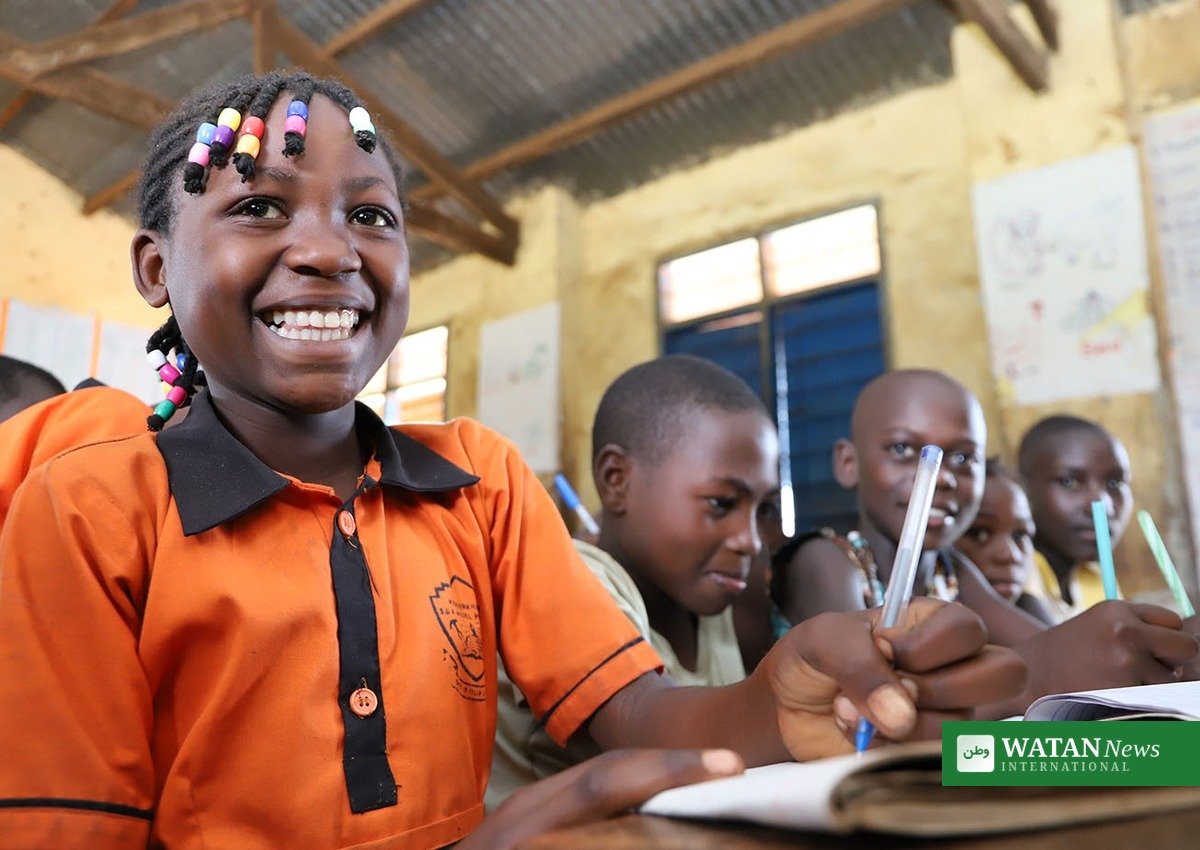
The United Nations Committee on the Rights of the Child has called on Uganda to provide free, state-run pre-primary education to every child, warning that high fees are locking millions of young children out of school before they ever start. The call came in the committee’s latest review of Uganda’s record on children’s rights, issued on October 1, 2026.
FAKTA
- What happened: The UN Committee on the Rights of the Child reviewed Uganda’s children’s rights record and issued its findings on October 1, 2026.
- The demand: Uganda should significantly expand government support for early childhood education and provide free, state-run pre-primary education for all children.
- The scale: Fewer than 1 in 10 Ugandan children aged 3 to 5 are enrolled in a registered pre-primary school; 60 percent attend no school at all before primary school.
- The barrier: Pre-primary education is left to private providers under Uganda’s education law, and parents carry the full cost.
- Next step: Human Rights Watch urges Parliament to amend the Education Act so universal pre-primary becomes an explicit government responsibility.
A generation priced out of school
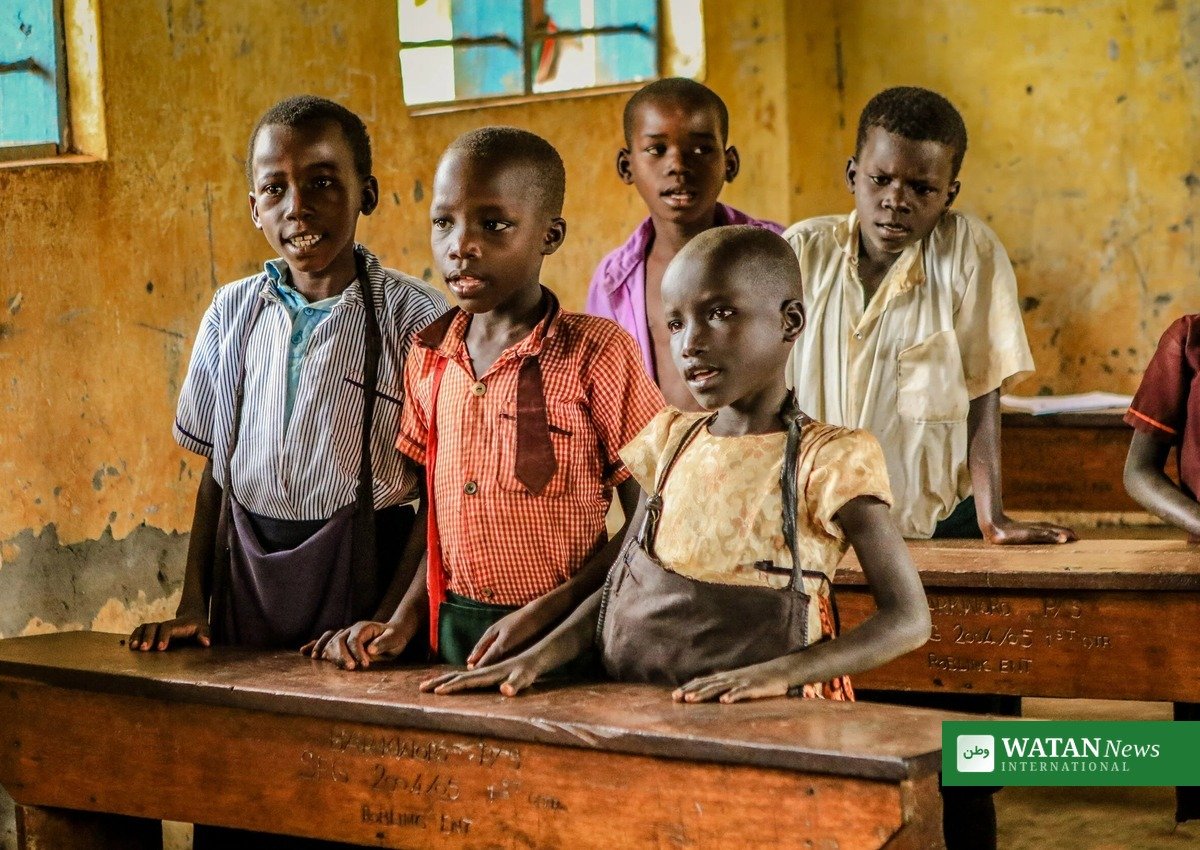
Uganda provides free primary and secondary education, but pre-primary education sits outside that promise. Under the country’s education law, preschool is left to private providers, which means parents are responsible for the fees — and those fees are crushing for most families.
Research published in 2024 by Human Rights Watch and the Initiative for Social and Economic Rights (ISER) found that fewer than 1 in 10 Ugandan children between the ages of 3 and 5 are enrolled in a registered and licensed pre-primary school, locally known as “nursery” school. Around 60 percent attend no school whatsoever before entering primary school at age 6.
The price gap is staggering. According to reporting by Uganda Radio Network, pre-primary education can cost five times more than primary school fees in the capital, Kampala, with charges in urban centres reaching 1.75 million shillings or more per child per term — in some cases surpassing the tuition for degree programmes at Makerere University, Uganda’s leading university. Even in rural areas, where costs are far lower, schools are so few that access remains out of reach for many families.
What the UN committee asked Uganda to do
In its October 1 review, the committee expressed concern about high numbers of children out of school due to financial barriers and highlighted what it described as “very limited access to early childhood education” — especially for children in rural areas and for children with disabilities.
The committee urged Uganda to significantly expand government support for early childhood education and to provide free, state-run pre-primary education for all children. Its recommendations echo the findings of the 2024 Human Rights Watch–ISER report, which documented how the lack of public pre-primary education leads to poorer performance in primary school, higher repetition and drop-out rates, and widening income inequality.
Human Rights Watch recommends a practical first step: use and progressively expand the country’s existing Universal Primary Education infrastructure to introduce publicly funded pre-primary classrooms, and have Parliament amend the Education Act to name universal pre-primary education as a government responsibility.
Why free pre-primary education matters
The evidence in favour of early learning is strong — and costly to ignore. A UNICEF and Ministry of Education report from 2023 found that children who never went through early childhood development programmes are far more prone to repeating classes. Excessive repetition extends a child’s schooling by 1.2 years on average and contributes to an estimated 5 to 10 percent overspending in the education budget.
A separate cost-benefit analysis, “Investing in the Future,” found that every shilling Uganda invests in pre-primary education can yield up to 16 shillings in benefits — largely by cutting the billions currently spent on pupils repeating classes. The Human Rights Watch–ISER report adds that expanding access could cut Primary One repetition rates by 50 percent.

The government’s position
Uganda adopted a new Early Childhood Care and Education Policy in 2025, which commits the government to increasing equitable access to quality, inclusive early childhood education. Human Rights Watch argues, however, that the policy takes a piecemeal approach and ultimately leaves early childhood education primarily in private providers’ hands.
Uganda’s Director of Basic Education, Hajj Ismael Mulindwa, has acknowledged the challenges, particularly in rural areas, while noting that current plans prioritise consolidating Universal Primary Education before expanding pre-primary. ISER’s Executive Director, Angella Kasule Nabwowe, has proposed a more immediate fix: create pre-primary units within existing public primary schools. “Children’s access to pre-primary schooling should not depend on parents’ ability to pay fees,” she said at the report launch in Kampala.
Conclusion
The UN committee’s recommendation gives Uganda a clear path forward: make pre-primary education free, public, and universal. Until that happens, the youngest learners — especially those in rural areas and children with disabilities — will keep entering primary school already behind, and the cost of catching up will keep falling on families who can least afford it. As youth voices rise across borders on education — from students taking to the streets in France to classrooms in Kampala — the question for Uganda’s Parliament is no longer whether early learning matters, but who pays for it.
Frequently asked questions
What did the UN Committee on the Rights of the Child ask Uganda?
To significantly expand government support for early childhood education and provide free, state-run pre-primary education to all children.
How many Ugandan children attend pre-primary school?
Fewer than 1 in 10 children aged 3 to 5 are enrolled in a registered pre-primary school, and about 60 percent attend no school at all before primary school.
Why is pre-primary education so expensive in Uganda?
The education law leaves pre-primary education to private providers, so parents bear the full cost. In Kampala, fees can run five times higher than primary school fees.
What solution do advocates propose?
Start by adding pre-primary units inside existing public primary schools, and amend the Education Act so that universal pre-primary education becomes an explicit government responsibility.
Author

usman2344913@gmail.com
Related Posts
Shannon Miller at 49: From Olympic Gold to Owning Fitness After 40
- 0
- 955 words
Thirty years after she helped the "Magnificent Seven" win America's first women's team gymnastics gold, Shannon Miller is back in the spotlight...
Read out all
Sarah Burton’s Givenchy Brings ‘Precise Simplicity’ to Paris Fashion Week SS27
- 0
- 866 words
Sarah Burton presented her third Givenchy collection at Paris Fashion Week on October 2, 2026, building the Spring/Summer 2027 wardrobe around what...
Read out all
Chronic Insomnia Linked to 26% Higher Stroke Risk, Major Review Finds
- 0
- 589 words
People who live with chronic insomnia face a 26 percent higher risk of stroke and are 28 percent more likely to be...
Read out all
World’s Most Luxurious Travel Destinations for 2026
- 0
- 1,476 word
When money is no object, the world opens its most extraordinary doors: private islands reached by seaplane, cliffside suites pouring into the...
Read out all
Americans’ Food Safety Confidence Falls to Record Low, Gallup Finds
- 0
- 1,005 word
Americans' confidence in the safety of the food sold at most grocery stores has fallen to the lowest level Gallup has ever...
Read out all
Mirra Andreeva Beats Alexandrova to Reach China Open Semifinals
- 0
- 544 words
Beijing: French Open champion Mirra Andreeva survived a late wobble to beat Ekaterina Alexandrova 7-6 (4), 7-6 (3) in an all-Russian quarterfinal...
Read out all