- 0
- 591 words
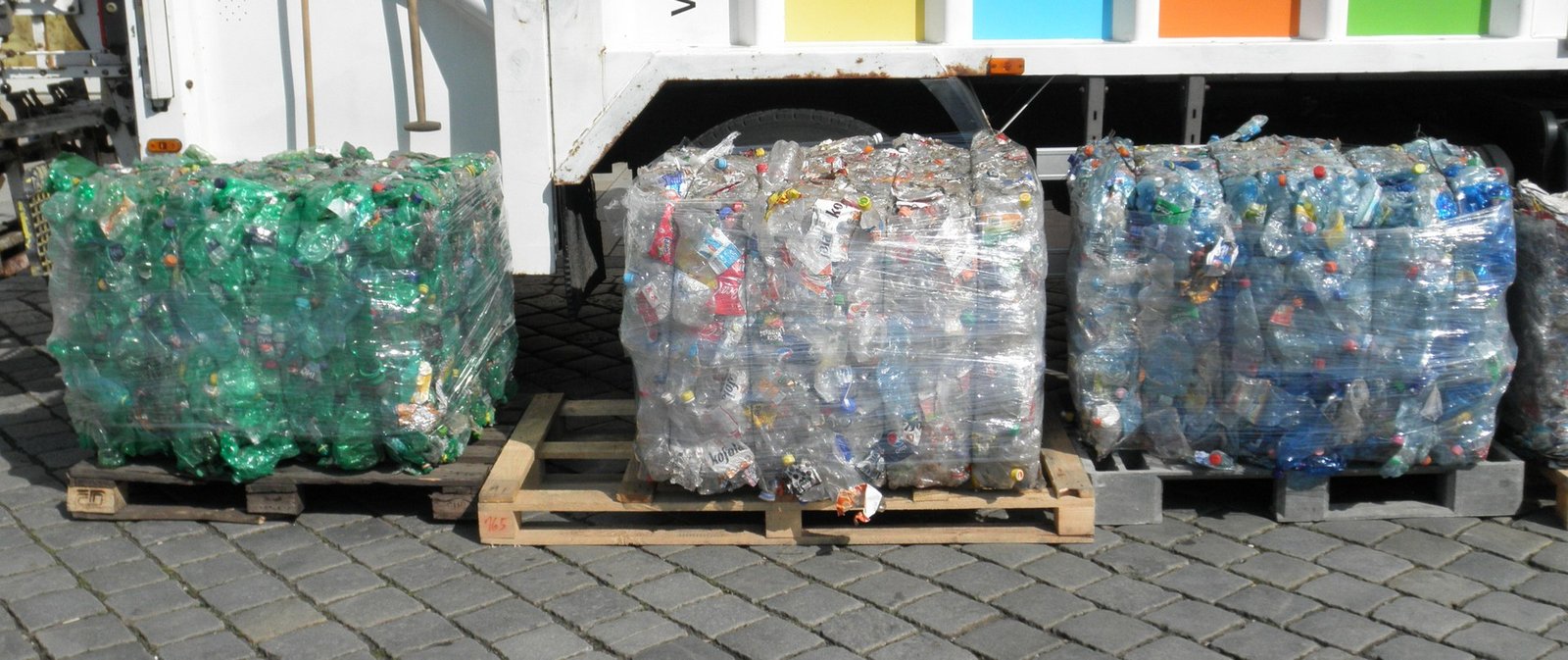
ABUJA — Nigeria’s National Environmental Standards and Regulations Enforcement Agency (NESREA) has put Extended Producer Responsibility (EPR) at the centre of the National Environmental (Plastic Waste Control) Regulations, 2026, shifting more end-of-life responsibility onto producers, importers and other businesses that place plastic products on the Nigerian market.
Early September coverage by THISDAY — also syndicated via allAfrica — described a Stakeholder Implementation Dialogue and multi-stakeholder roundtable on “Less Plastic in Water,” where NESREA Director-General Prof. Innocent Barikor framed the rules as a move from policy intention to implementation and from a make-use-dispose model toward recovery, recycling and resource efficiency.
What the regulations require
According to THISDAY’s account of the NESREA unveiling, the regulations cover producers, importers, retailers, consumers, recyclers and waste managers. EPR is meant to make businesses responsible for products through recovery and environmentally sound management after use. Recycling facilities must meet prescribed environmental standards, and plastics containing prohibited toxic substances can attract sanctions. Businesses in regulated activities are expected to obtain permits and registrations within set compliance periods; violations may bring financial penalties and, where applicable, imprisonment and personal liability.
On recycled content, THISDAY reported that PET packaging must contain at least 25 percent recycled PET by January 2028, rising to 50 percent thereafter. NESREA’s June 2026 clarification, reported by Vanguard, specified the same 25 percent floor from 1 January 2028 and the rise to 50 percent from 1 January 2030, with an emphasis on locally sourced recycled PET from certified food-grade recycling facilities. That phased timeline is central: the rules are designed as staged compliance, not an overnight shutdown of packaging lines.
Bags below 80 microns — regulated, not a total plastics ban
Certain plastic shopping bags below 80 microns in thickness are subject to regulation, THISDAY reported. NESREA has separately rejected claims of a blanket ban on all plastics below 80 microns. In June 2026 clarifications carried by Vanguard and Voice of Nigeria, the agency said the 80-micron provision relates specifically to certain plastic carrier bags made from plastic film and does not prohibit all single-use plastics or packaging across food, beverage, pharmaceutical, agricultural, logistics or manufacturing sectors.
Officials have also stressed that plastics remain important for healthcare, food preservation, agriculture and manufacturing, and that the policy goal is to curb irresponsible production, consumption and disposal — including attention to single-use plastics and sachet water used by millions of Nigerians — while keeping alternatives affordable and accessible.
Scale of the waste problem — attribute the 2.5 Mt figure
THISDAY reported that Nigeria generates an estimated 2.5 million tonnes of plastic waste annually, much of it ending up in drains, waterways and communities, with links to environmental degradation, flooding and public health concerns. That 2.5 million tonnes per year figure is attributed here to THISDAY’s reporting of the federal/NESREA framing at the September dialogue; it should not be presented as an independently re-measured Watan statistic.
The “Less Plastic in Water” initiative is described as part of the Plastic Reboot Nigeria Project, a five-year programme supported by the Global Environment Facility and implemented with the United Nations Environment Programme, according to THISDAY. Environment ministry representatives at the dialogue argued that stronger EPR implementation could stimulate recycling investment, expand markets for recovered materials and create jobs if enforcement holds.
Implementation now turns on producer registration, the National Producer Registry, monitoring, recovery systems and recycling capacity. NESREA’s earlier messaging to manufacturers emphasised structured engagement rather than suspension of already gazetted rules. For zero-waste readers, the 2026 package is best understood as mandatory circular-economy producer rules with phased recycled-content targets — not a blanket plastics ban.
Sources: THISDAY (4 Sep 2026); allAfrica syndication of THISDAY; Vanguard NESREA clarification (23 Jun 2026); Voice of Nigeria NESREA clarification (23 Jun 2026).
Author

watannews321@gmail.com
Related Posts

xAI Launches Grok 4.7 for Coding and Knowledge Work — Stronger Than 4.6, Still Mid-Pack on Independent Scores
- 0
- 532 words
xAI’s Grok 4.7 ships at the same $2/$6 token price as Grok 4.6, with company gains on coding benches and a GitHub...
Read out all
Apple Special-Projects Veteran Emerges With $100M to Put Dual-Arm Robots on Warehouse Floors
- 0
- 709 words
Hamza Derbas co-founded Maven Robotics in 2024 with little more than a robot sketch. Two years later, the Santa Clara startup exits...
Read out all
At 27, Tsinghua’s Youngest AI Professor Raises Nearly $50M for Self-Evolving Models
- 0
- 727 words
Yongchao Chen turned down a DeepMind path to found Beijing-based Apex Intelligence, betting that recursive self-improvement—not bigger chatbots—will define the next wave...
Read out all
Africa No Filter opens 2026 Voices for Climate Justice storytelling grants — deadline 25 September
- 0
- 444 words
Africa-focused green journalism call: 15–20 storytellers, up to US$4,000 grants, training on climate–debt–gender–fossil fuels; applications close 25 Sep 2026.
Read out all
Turkey’s ecological spotlight: Hrant Dink Award meets hard realities for environmental reporters
- 0
- 451 words
Süheyla Doğan’s 15 Sep 2026 Hrant Dink Award elevates Kazdağları ecology as ECPMF and RSF document SLAPPs and information barriers facing Turkey’s...
Read out all
After COP29, Azerbaijan journalists push deeper climate investigations through EaP network
- 0
- 428 words
n-ost’s EaP climate investigations programme pairs Azerbaijan and regional reporters with EU mentors for energy, forest and climate-justice probes after Baku’s COP29...
Read out all