- 0
- 1,166 word
Pacific island leaders have issued an urgent call for climate action as the first-ever United Nations pre-COP31 Fiji talks opened in Nadi on Monday, bringing the world’s climate negotiators to the front line of the crisis just weeks before COP31. The ministerial meeting and leaders’ event, running from 5 to 8 October 2026, puts climate finance and the survival of low-lying island nations at the very centre of the agenda.
FAKTA
- What: the official COP31 pre-COP ministerial meeting and leaders’ event — the first time the Pacific has ever hosted it.
- When: 5–8 October 2026, opening Monday in Nadi, Fiji.
- Where: Fiji hosts the core ministerial sessions in Nadi; Tuvalu hosts a special leaders’ component. Around 4,000 delegates are expected in Fiji.
- Roles: Türkiye holds the COP31 Presidency; Australia serves as President of Negotiations and provides operational support.
- Announced: in February by Pacific Islands Forum Chair and Solomon Islands Prime Minister Jeremiah Manele.
- Side events: the “Investing in Natural Capital: The Pacific Opportunity” forum at the Hilton in Nadi on Monday 5 October, and the “1.5°C to Stay Alive” forum at the University of the South Pacific in Suva on Saturday 3 October.
- Next stop: COP31 in Antalya, Türkiye, 9–20 November 2026.
A first for the Pacific
Never before have global climate decision-makers gathered in the Pacific ahead of a UN climate conference. The arrangement, announced in February by Pacific Islands Forum Chair Jeremiah Manele after agreements with Australia and Türkiye, deliberately puts the countries with the most to lose in the chair rather than in the cheap seats.
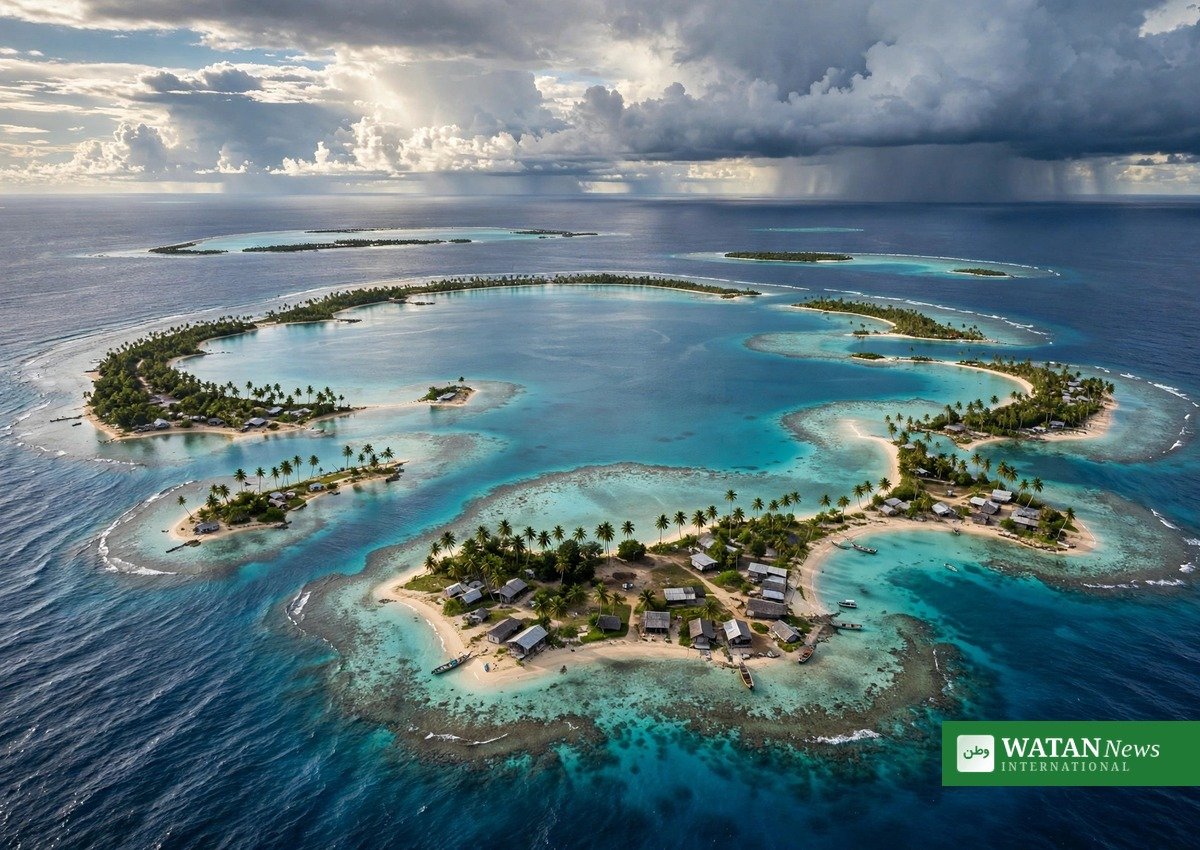
Fiji hosts the core pre-COP ministerial sessions in Nadi, while Tuvalu — a group of atolls home to around 10,000 people — holds a special leaders’ component. Visiting leaders will spend about a day in Tuvalu before travelling to Fiji, where they are expected to sign a joint declaration.
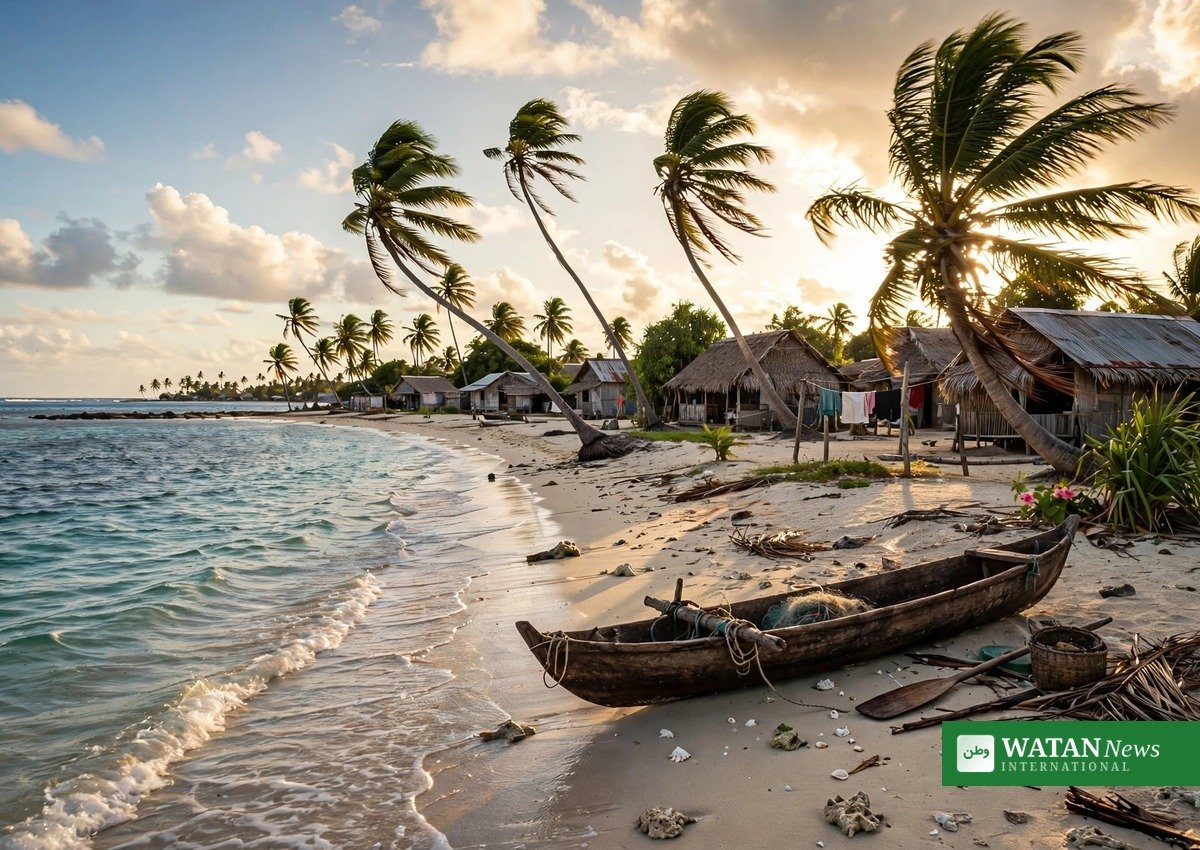
In Tuvalu, leaders will travel by canoe and see reclaimed land designed to withstand rising seas, as well as solar projects intended to cut dependence on diesel — a firsthand look at both vulnerability and locally led solutions.
Climate finance takes centre stage
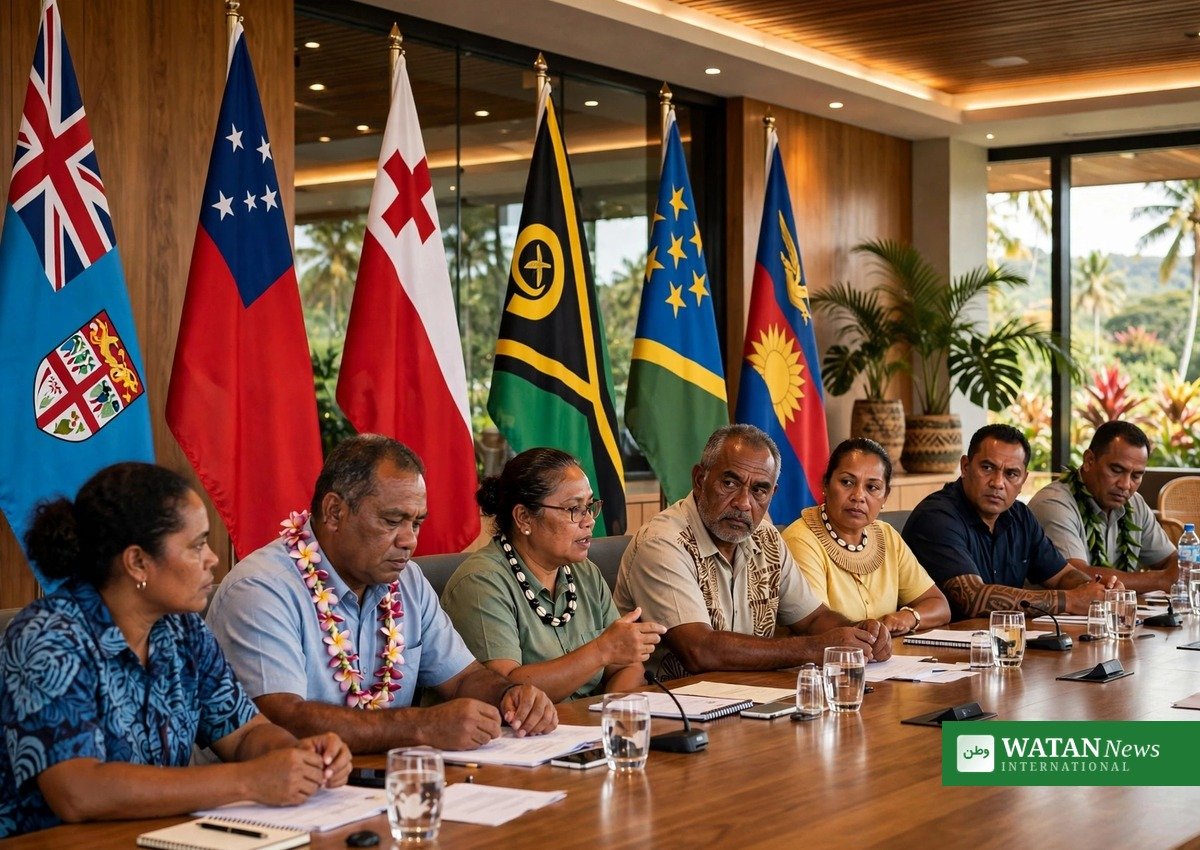
A central demand of the Pacific leaders is money that is bigger, faster and easier to reach. Island governments are seeking donations to the Pacific Resilience Facility, which will finance climate projects across the region, alongside greater access to funding to strengthen their land and economies.
Australia’s Foreign Minister Penny Wong said the meeting gives the global community an essential platform: “Pacific countries have long been leaders on climate action, and their voices are central to shaping the global response.” Australia’s Climate Change Minister Chris Bowen added that leading the negotiations alongside Pacific partners raises the region’s profile in support of shared prosperity, stability and security.
On the eve of the talks, the Fiji National University and Monash University’s Pacific Action for Climate Transitions centre convened leaders, investors and researchers in Nadi under the theme “Investing in Natural Capital: The Pacific Opportunity” — exploring how forests, mangroves, reefs and oceans can attract climate finance while benefiting the communities that depend on them. For more on the region’s climate agenda, see our climate coverage.
1.5°C: a survival threshold
For Pacific nations, the 1.5°C warming limit is not an abstract number — it is considered a threshold for survival. Pacific countries played a key role in securing the 1.5°C goal in the Paris Agreement, and the “1.5°C to Stay Alive” forum at the University of the South Pacific in Suva on Saturday asked what it will take to keep that goal within reach.
The urgency is sharpening: the UN’s environment body warned last month that the world is on course to exceed the 1.5°C target in the coming years, fuelling more extreme weather and increasing pressure on low-lying communities.
Tuvalu’s Climate Minister Maina Talia put the stakes bluntly: “Our fate will be defined by the major polluters. We are hoping the leaders will see our vulnerabilities, but also solutions that will keep us afloat.” Rights advocates, including Amnesty International, have urged world leaders to show up for the Pacific through action, not just attendance.
What pre-COP31 Fiji must deliver
The summit faces an awkward truth: several Western leaders are staying away. Diplomats have said they cannot justify sending their leaders on a multi-day journey weeks before they are expected at COP31 in Türkiye — a thin turnout that opposition critics in Australia have already branded a “diplomatic disaster”.
Pacific leaders are answering that criticism with pressure of their own: if major partners want to present themselves as friends of the Pacific, they must deliver — on finance, on emissions cuts and on a declaration in Fiji that carries real weight into November.
The road to Antalya
The outcomes of the Fiji talks are expected to shape the negotiations at COP31 in Antalya, Türkiye, from 9 to 20 November 2026. Pacific nations hope to secure concrete commitments that translate into tangible support — and into the emissions reductions that decide whether atoll nations remain above water.
With the world drifting past 1.5°C, the pre-COP31 Fiji meeting is the last major chance to build momentum before Antalya. Whether it becomes a turning point or another missed moment will be measured in Nadi this week. Follow the latest developments in our world news section.
Conclusion
The pre-COP31 Fiji talks mark a historic first: the Pacific hosting the world’s climate negotiators on the front line of the crisis. Pacific leaders are demanding climate finance, protection of the 1.5°C goal and a strong declaration — and warning that their survival cannot wait for another summit cycle.
Frequently asked questions
What is a pre-COP meeting?
Pre-COP is the final major ministerial gathering before the annual UN climate conference (COP). It is where countries try to find common ground and build momentum for the formal negotiations that follow.
Why is the pre-COP being held in the Pacific for the first time?
Fiji, Tuvalu and Australia are hosting the official COP31 pre-COP from 5 to 8 October 2026 so decision-makers can see climate impacts and locally led responses firsthand. The arrangement was announced in February by Pacific Islands Forum Chair Jeremiah Manele.
What do Pacific island nations want from the talks?
They want bigger and more accessible climate finance, donations to the Pacific Resilience Facility, protection of the 1.5°C warming limit, and a strong declaration that carries their priorities into COP31 in Antalya.
When and where is COP31?
COP31 takes place in Antalya, Türkiye, from 9 to 20 November 2026, with Türkiye holding the COP31 Presidency and Australia serving as President of Negotiations.
Why are some world leaders skipping the Fiji talks?
Several Western diplomats have said they cannot justify sending leaders on a multi-day journey to the Pacific weeks before COP31 in Türkiye. Critics in Australia have called the thin turnout a “diplomatic disaster”.
Author

usmanjaved13132@gmail.com
Related Posts
Iran: No Military Solution to War Amid Stalled US Peace Talks
- 0
- 1,004 word
Iran's Foreign Minister Abbas Araghchi said on Sunday there is no military solution to the war with the US, as peace talks...
Read out allUK Conservatives Pledge to Abolish Environment Agency, Natural England
- 0
- 799 words
The UK Conservative party is set to announce a significant deregulation agenda, including the proposed abolition of the Environment Agency and Natural...
Read out allImran Khan’s party launches march to Islamabad demanding his release
- 0
- 769 words
Pakistan Tehreek-e-Insaf (PTI) has initiated a significant march towards Islamabad, with the primary demand being the immediate release of its founder, Imran...
Read out all
Polls close in Bosnia-Herzegovina’s divisive election
- 0
- 1,076 word
Polls have closed in Bosnia-Herzegovina's general election. Early results point to leads for Denis Bećirović, Darijana Filipović and Željka Cvijanović in the...
Read out all
Verity Beats Tom Cruise’s Digger at the Weekend Box Office
- 0
- 1,006 word
Amazon MGM's psychological thriller Verity has decisively beaten Tom Cruise's big-budget satire Digger at the weekend box office, opening to an estimated...
Read out all
Workouts at Work May Wreck Your Sleep, but Exercise for Fun Protects It
- 0
- 1,092 word
Not all movement is equal when it comes to a good night's rest. A new analysis of nationally representative data from more...
Read out all