- 0
- 550 words
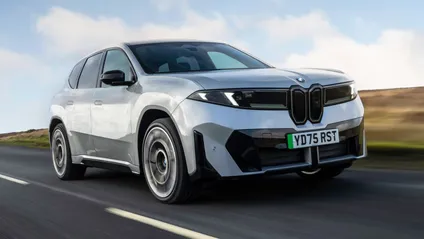
Pakistan’s electric vehicle market is on the rise, with the government and private sector investing heavily in the development of EV infrastructure and manufacturing. The country aims to reduce its reliance on fossil fuels and decrease greenhouse gas emissions, making electric vehicles an attractive option.
The growth of the electric vehicle market in Pakistan is expected to be driven by government incentives, decreasing battery costs, and increasing awareness about the benefits of EVs. The government has announced plans to offer tax exemptions and subsidies to encourage the adoption of electric vehicles.
Key Takeaways
- The Pakistani government aims to have 30% of new car sales be electric by 2030.
- The country plans to establish a network of EV charging stations across major cities.
- Several local and international companies are investing in Pakistan’s EV market, including the establishment of manufacturing plants.
Government Initiatives
The Pakistani government has launched several initiatives to promote the adoption of electric vehicles. These include tax exemptions, subsidies, and investment in EV infrastructure. The government has also announced plans to establish a network of EV charging stations across major cities.
Private Sector Investment
Several local and international companies are investing in Pakistan’s EV market. These investments include the establishment of manufacturing plants, as well as partnerships with local companies to promote the adoption of EVs.
Challenges and Opportunities
Despite the growth of the electric vehicle market in Pakistan, there are still several challenges that need to be addressed. These include the high cost of EVs, limited charging infrastructure, and lack of awareness about the benefits of EVs. However, the government and private sector are working to address these challenges and create opportunities for the growth of the EV market.
Conclusion
In conclusion, the growth of Pakistan’s electric vehicle market is an exciting development that has the potential to reduce the country’s reliance on fossil fuels and decrease greenhouse gas emissions. With government initiatives and private sector investment, the future of EVs in Pakistan looks bright.
FAQs
Q1: What is the government’s target for electric vehicle adoption in Pakistan?
A1: The government aims to have 30% of new car sales be electric by 2030.
Q2: What incentives is the government offering to encourage the adoption of electric vehicles?
A2: The government is offering tax exemptions and subsidies to encourage the adoption of electric vehicles.
Q3: Which companies are investing in Pakistan’s EV market?
A3: Several local and international companies are investing in Pakistan’s EV market, including the establishment of manufacturing plants.
Q4: What are the challenges facing the growth of the electric vehicle market in Pakistan?
A4: The challenges facing the growth of the electric vehicle market in Pakistan include the high cost of EVs, limited charging infrastructure, and lack of awareness about the benefits of EVs.
Q5: How is the government addressing the challenges facing the growth of the electric vehicle market?
A5: The government is addressing the challenges facing the growth of the electric vehicle market by investing in EV infrastructure, offering incentives, and promoting awareness about the benefits of EVs.
Q6: What is the future outlook for the electric vehicle market in Pakistan?
A6: The future outlook for the electric vehicle market in Pakistan is bright, with the government and private sector working together to address challenges and create opportunities for growth.
Author

usmanjaved13132@gmail.com
Related Posts
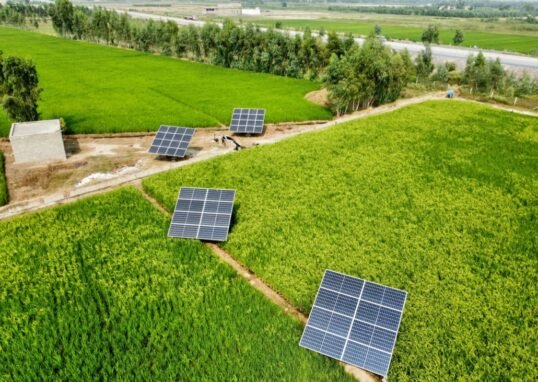
Harnessing the Power of Nature: The Growth of Renewable Energy in Pakistan
- 0
- 463 words
Pakistan’s renewable energy sector is experiencing significant growth, with a focus on solar power and wind energy. The country’s government has set...
Read out all
Tragic Blast at Police Complex Mosque in Pakistan: Casualties and Response
- 0
- 398 words
A powerful blast at a police complex mosque in Pakistan has resulted in multiple casualties, according to reports from local authorities. The...
Read out all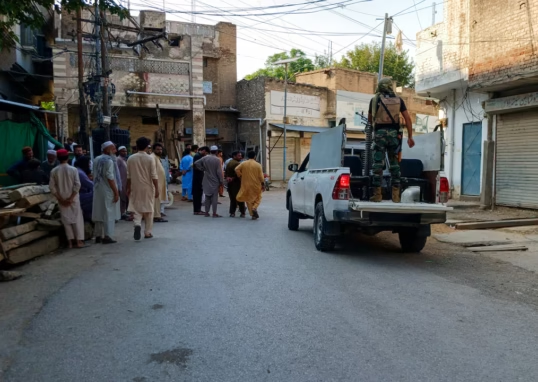
Tragic Suicide Attack Near Mosque in Northwest Pakistan: 16 Lives Lost
- 0
- 355 words
A suicide bombing near a mosque in northwest Pakistan has claimed the lives of at least 16 people, in an attack that...
Read out all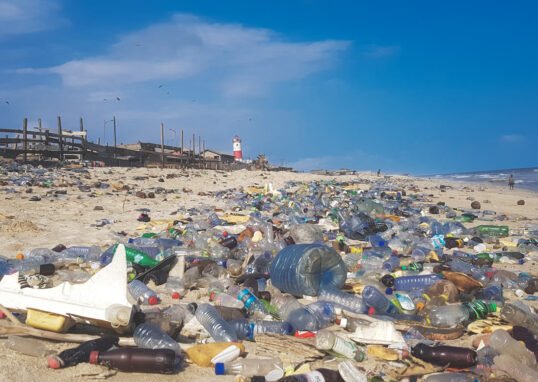
Plastic chemicals and health: new evidence dashboard sharpens zero-waste stakes ahead of COP31
- 0
- 363 words
Boston College and Minderoo’s PlasticHealthAware dashboard synthesises evidence linking plastic chemicals to human health harms — raising stakes for zero-waste and circular-materials...
Read out all
Unveiling the Glamour: Must-See Fashion Events of 2026
- 0
- 544 words
The fashion world is gearing up for another exciting year, with a plethora of fashion events lined up for 2026. From the...
Read out all
Discover Bawah Resort: A Beautiful Escape in Riau, Indonesia
- 0
- 514 words
Nestled in the Riau Islands of Indonesia, Bawah Resort is a hidden gem that offers a tranquil and luxurious getaway from the...
Read out all