- 0
- 626 words
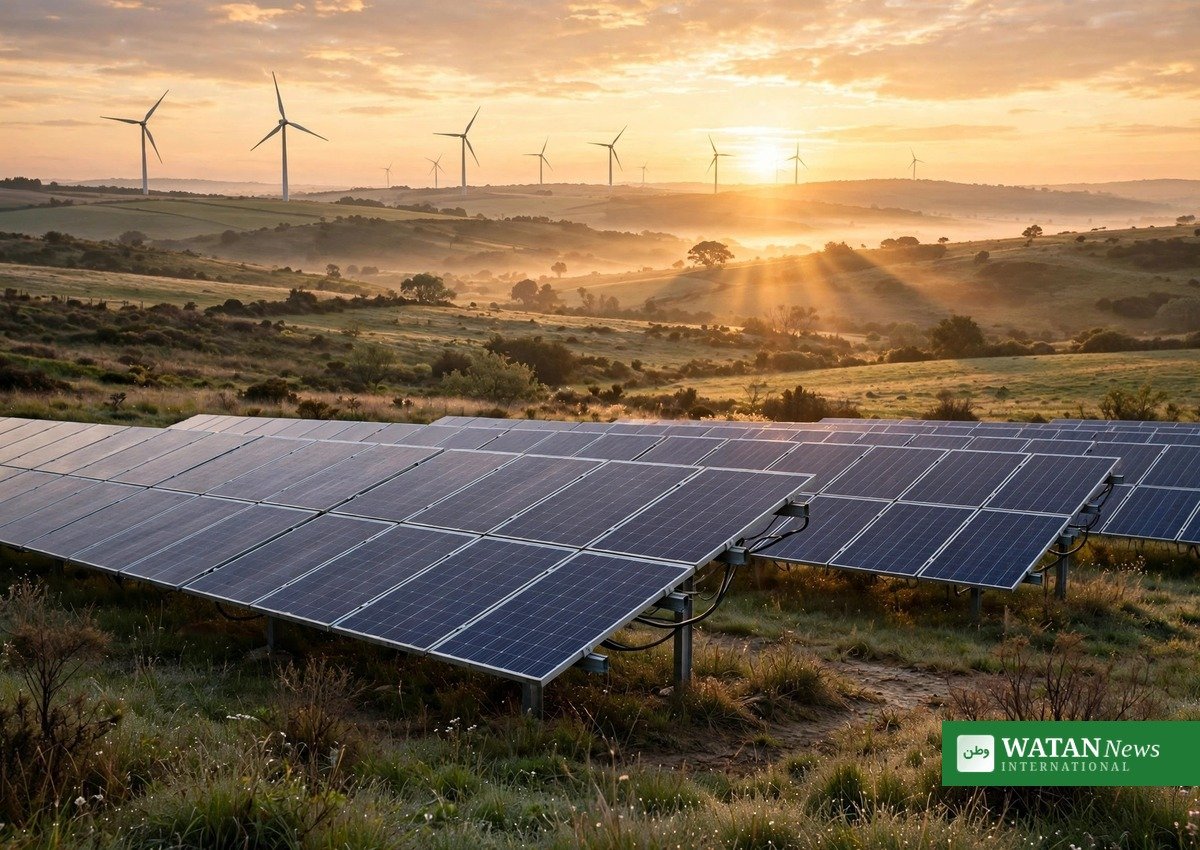
ISLAMABAD — Pakistan’s renewable energy growth has become one of the developing world’s fastest energy transitions. The achievements so far are striking: a roughly 34 GW solar boom, cuts to LNG imports, and clean energy supplying more than half of total generation in 2025. The future prospects are equally ambitious — a 30:30:30:10 power mix by 2030, gigawatt-scale battery storage, and the retirement of coal plants that could avoid tens of millions of tonnes of CO₂.
This is not just an environmental story. Pakistan imports around 90 percent of the fuel for its thermal power plants, so every megawatt of domestic renewable generation cuts the import bill and shields the economy from fuel-price shocks.
FAKTA
- Achievement: around 34 GW of solar capacity added, cutting LNG demand and lifting clean energy past 50% of total generation in 2025 (sources: greentechlead; Microgrid Media/IEEFA).
- Achievement: hydropower is being used as flexible backup, ramping from about 1,800 MW in low-demand hours to 4,100 MW at peak to balance variable renewables.
- Prospect: the long-term 30:30:30:10 mix for 2030 — 30% wind and solar, 30% hydropower, 30% thermal and 10% nuclear — with clean energy at 60% of the mix.
- Prospect: battery storage is scaling fast; battery imports are heading toward 8.75 GWh by 2030, with up to 16.1 GWh of storage capacity in long-term planning.
- Prospect: retiring coal capacity such as the Sahiwal plant could avoid 27–38 million tonnes of CO₂ over 10 years.
- Challenge: the net-metering buyback reform (Rs 27 → Rs 10/kWh) and grid integration/transmission upgrades will shape how fast the transition continues.
Achievements: the 34 GW solar boom
From a 2019 baseline of roughly 1.2 GW of wind and 1.3 GW of solar, Pakistan has added around 34 GW of solar capacity — one of the largest distributed solar booms anywhere in the world. Clean energy now supplies more than 42 percent of grid-connected capacity and over 50 percent of total generation in 2025. LNG imports have fallen as solar and batteries reshape demand, and hydro balancing — ramping from 1,800 MW off-peak to 4,100 MW at peak — is keeping the grid stable through the variable-renewable surge.
Future prospects: storage, coal retirement and the 30:30:30:10 mix
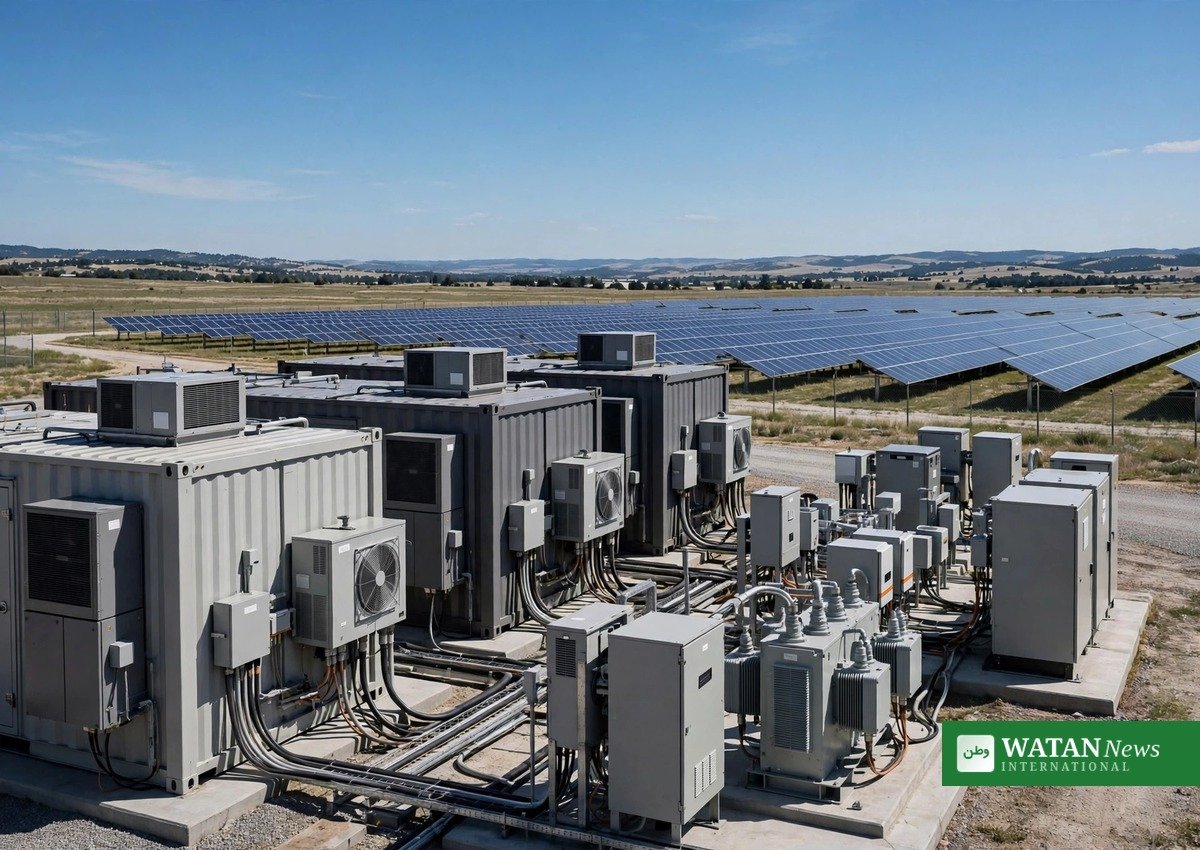
The next phase is about the system around the panels. Battery storage is the fastest-growing segment: battery imports are heading toward 8.75 GWh by 2030, and long-term planning sees up to 16.1 GWh of storage capacity. Retiring coal — the Sahiwal plant alone could avoid 27–38 million tonnes of CO₂ over 10 years — would lock in the climate gains. The official 30:30:30:10 mix for 2030 (30% wind and solar, 30% hydropower, 30% thermal, 10% nuclear) frames the destination: 60 percent clean energy by 2030.
Challenges ahead
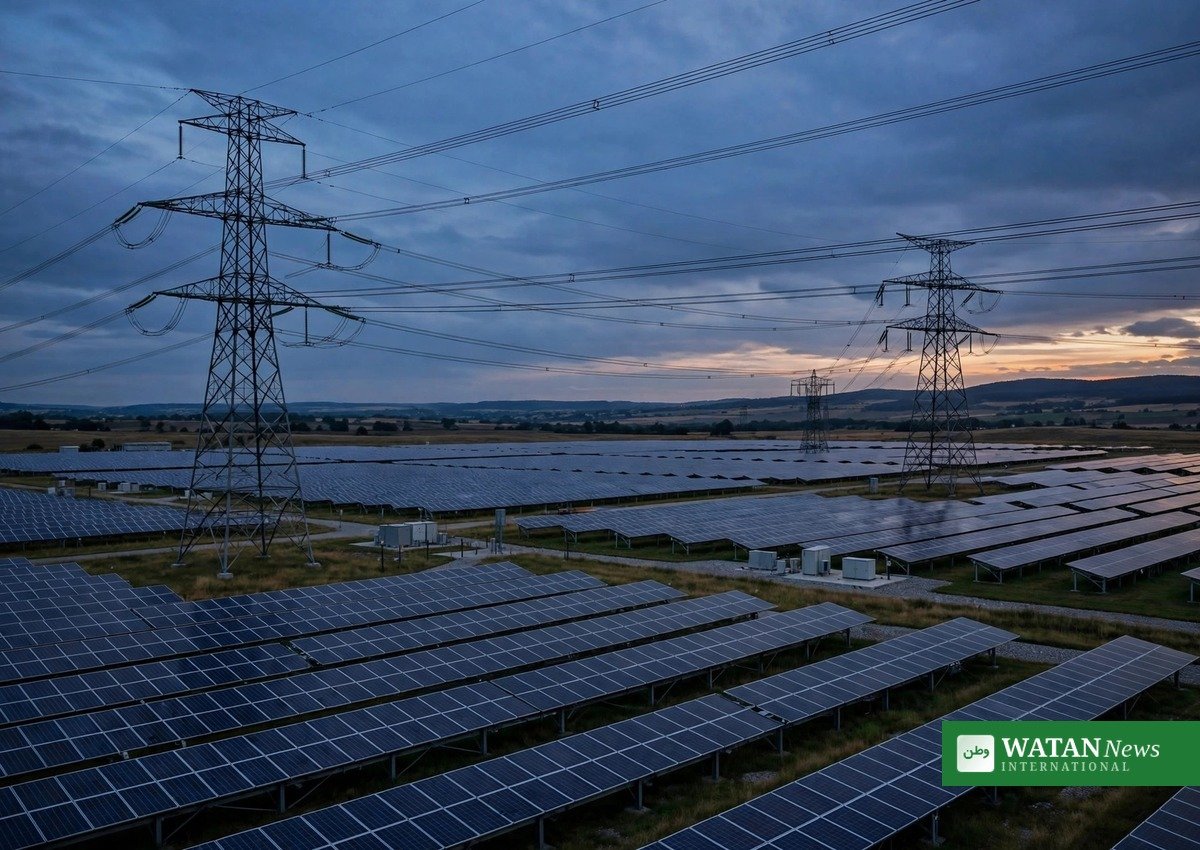
The transition’s pace now depends on policy choices. The proposed net-metering buyback cut from Rs 27 to Rs 10 per kWh has divided installers, consumers and utilities over the future of rooftop adoption. Grid integration and transmission upgrades must keep up with variable generation, and large-scale storage needs financing. Follow our energy-transition coverage on the main Watan News site.
Conclusion
Pakistan’s achievements — a 34 GW solar boom, LNG imports cut, clean energy past half of generation — put it among the fastest renewable energy transitions in the developing world. The future prospects, from gigawatt-scale batteries to coal retirement and the 30:30:30:10 mix, suggest the transition is only beginning. If the policy framework holds, the country’s power sector could reach 60 percent clean energy by 2030.
FAQ
What are Pakistan’s main renewable energy achievements?
Around 34 GW of new solar capacity, LNG imports reduced, clean energy above 50 percent of total generation in 2025, and hydropower successfully balancing variable renewables at up to 4,100 MW.
What are the future prospects for 2030?
The 30:30:30:10 generation mix (60 percent clean energy by 2030), up to 16.1 GWh of battery storage in planning, and coal retirements that could avoid 27–38 million tonnes of CO₂ over 10 years.
Author

usmanjaved13132@gmail.com
Related Posts

Iran Sends Nuclear Proposal to US via Qatar, Demanding Seven Conditions First
- 0
- 478 words
Iran has sent the United States a nuclear proposal through Qatar, but says talks can only begin after Washington meets its seven...
Read out all
Tundu Lissu Cleared of Treason in Tanzania but Convicted of Incitement
- 0
- 539 words
Tanzania’s High Court has cleared opposition leader Tundu Lissu of treason, sparing him the death penalty, but convicted him of incitement. The...
Read out all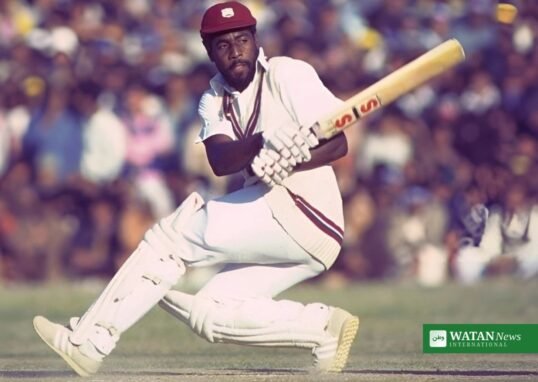
سر ویو رچرڈز کنگ چارلس سوم کے سسٹین ایبل مارکیٹس انیشی ایٹو کے سفیر مقرر
کرکٹ کے عظیم کھلاڑی سر ویو رچرڈز کو کنگ چارلس سوم کے سسٹین ایبل مارکیٹس انیشی ایٹو کا سفیر مقرر کر دیا...
Read out all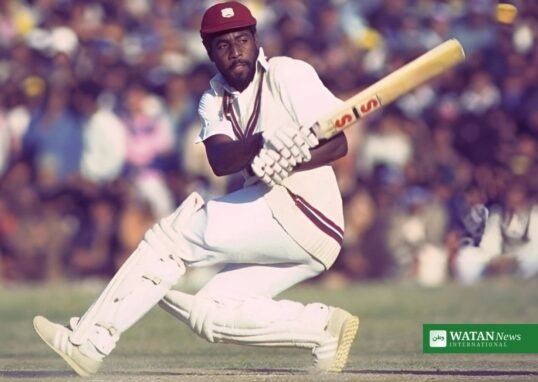
Sir Viv Richards udnævnt til ambassadør for kong Charles III’s Sustainable Markets Initiative
- 0
- 974 words
Cricketlegenden Sir Viv Richards er udnævnt til ambassadør for kong Charles III's Sustainable Markets Initiative og bringer en af sportens mest genkendelige...
Read out all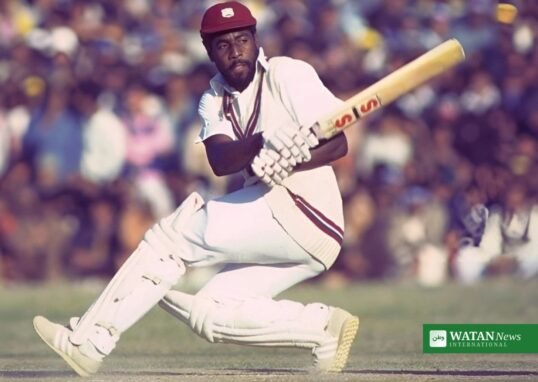
Sir Viv Richards Named Ambassador for King Charles III’s Sustainable Markets Initiative
- 0
- 944 words
Cricket legend Sir Viv Richards has been named an ambassador for King Charles III's Sustainable Markets Initiative, bringing one of sport's most...
Read out all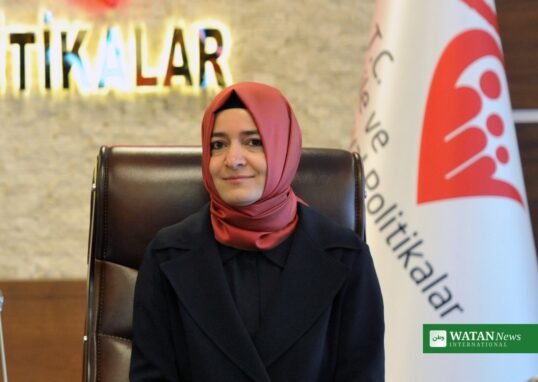
Turkey Jails Former Minister in Investment Fund Probe
- 0
- 480 words
A court in Istanbul has ordered the arrest of former family minister Fatma Betul Sayan Kaya in a widening investigation into alleged...
Read out all