- 0
- 947 words
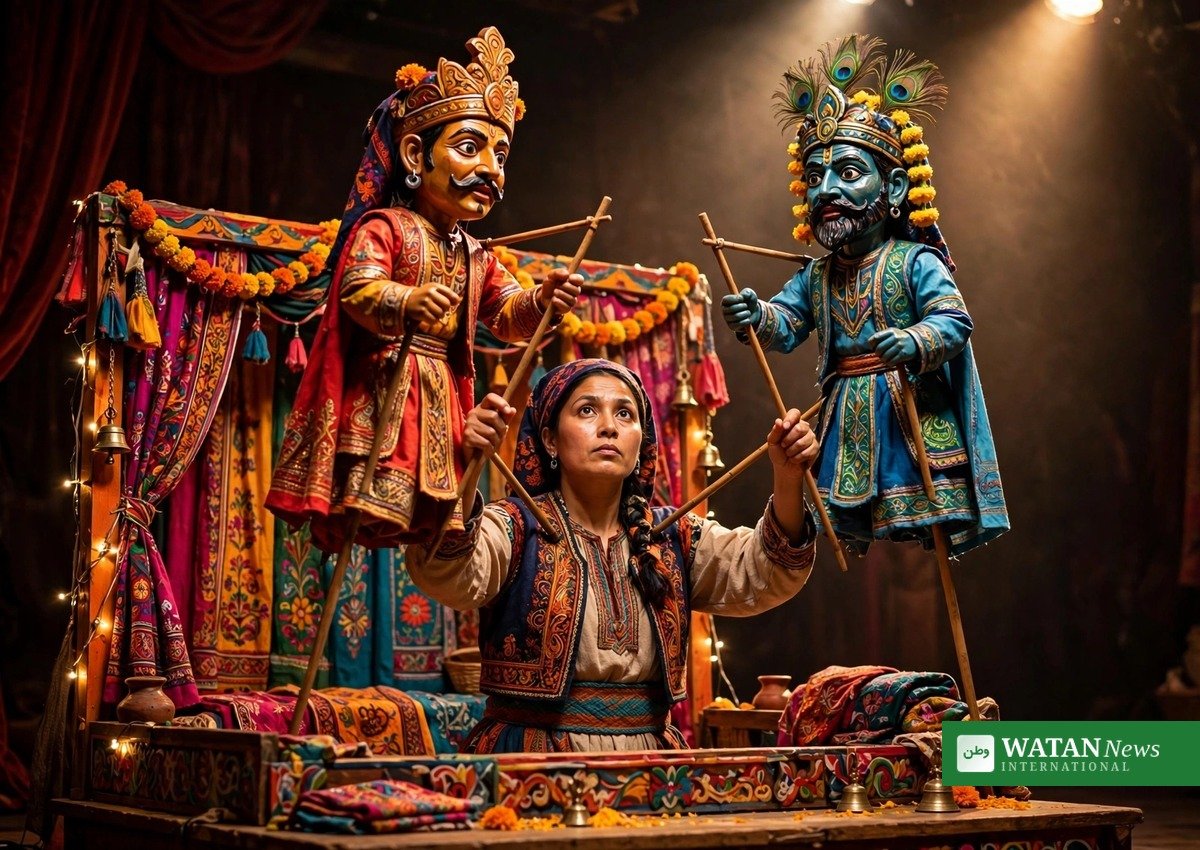
The Pakistan National Council of the Arts (PNCA) brought centuries-old folk art into a modern art classroom this week, hosting a PNCA puppetry workshop and live performance for students at the National College of Arts (NCA), Rawalpindi Campus. Titled “Introduction to Puppetry Art: Making and Handling of Rod Puppets,” the session gave young artists hands-on training in puppet making and manipulation. The initiative is part of PNCA’s mission to revive traditional puppetry while using storytelling to promote social and moral awareness.
FAKTA
- The workshop “Introduction to Puppetry Art: Making and Handling of Rod Puppets” was organized by PNCA’s National Puppet Theatre for NCA students at the Rawalpindi Campus.
- It focused on the making and handling of rod puppets — construction, manipulation, and synchronizing puppet movement with dialogue and theatrical timing.
- The session was led by PNCA Puppet Expert Syed Masroor Ali Shah, supported by a team of master puppeteers.
- A live puppet performance showcasing traditional and contemporary styles followed the workshop.
- PNCA’s goal is to revive and preserve traditional puppetry in Pakistan and use storytelling for social and moral awareness.
- Background: PNCA’s National Puppet Theatre was established in 1975; its teams received rod-puppet training in China (1975 and 1979) and Poland (1987).
Learning the Craft of Rod Puppets
The workshop gave NCA students a practical grounding in a centuries-old art form. Participants learned the basic principles of puppet construction and then moved on to the far trickier part — bringing the puppets to life through precise, expressive movement.
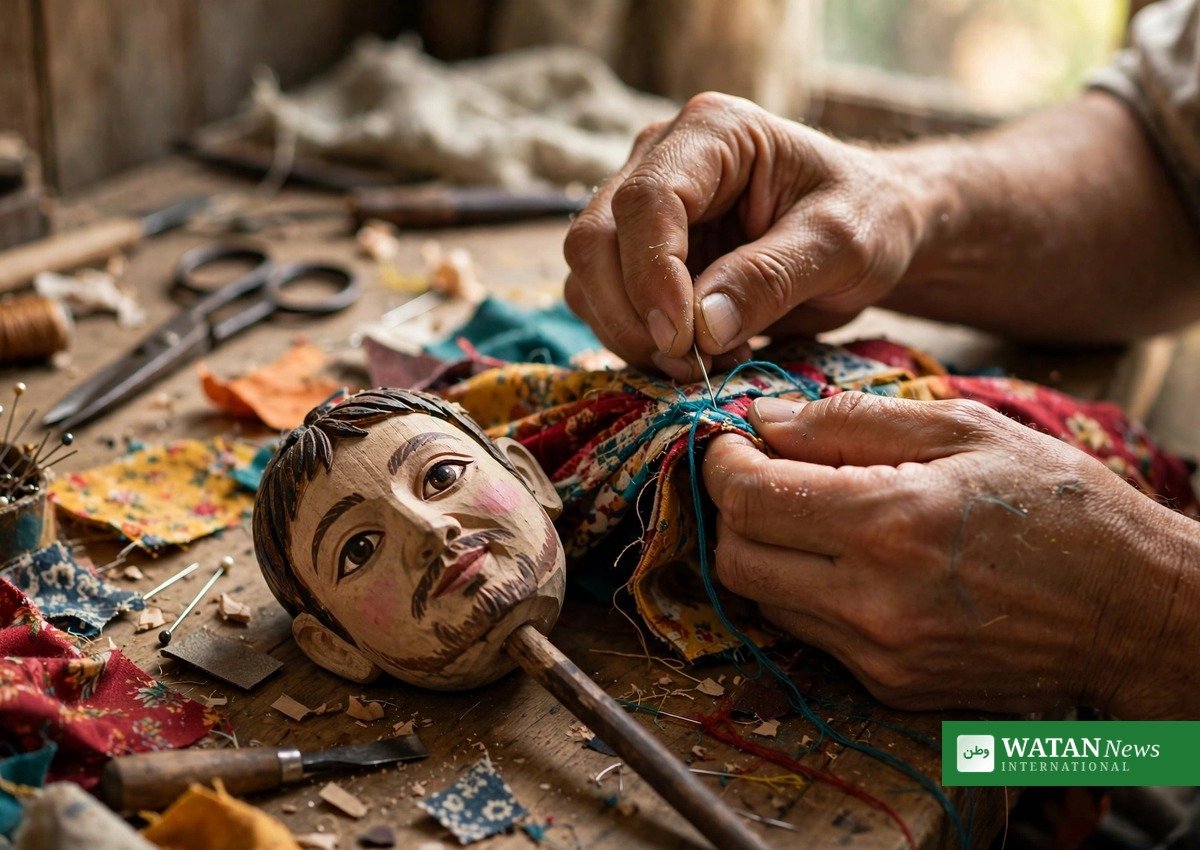
Students practiced the intricate movements of rod puppets, learned to synchronize puppet actions with dialogue and theatrical timing, and even worked with dance sequences designed to make the puppets more expressive. By the end of the session, they had both built and operated puppets of their own.
PNCA Puppetry Workshop Led by Master Puppeteers
The workshop was led by PNCA Puppet Expert Syed Masroor Ali Shah, supported by a team of experienced master puppeteers. Their direct, hands-on guidance allowed students to delve into the mechanics of rod puppets rather than just watching from a distance.
Participants received individual feedback from the seasoned puppeteers, a rare opportunity to learn from practitioners who have kept this folk tradition alive on stage. Shah emphasized that passing these skills to a new generation is central to PNCA’s work: educational workshops, he said, are crucial for engaging younger artists with traditional arts and ensuring their continuity. For more stories from Pakistan’s art and culture scene, see Pakistan news on Watan News.
Live Performance Caps the Day
After the intensive training session, the PNCA team presented a captivating live puppet performance for the students. The showcase demonstrated a range of puppetry techniques, blending traditional Pakistani puppetry forms with modern adaptations and innovations in the art.
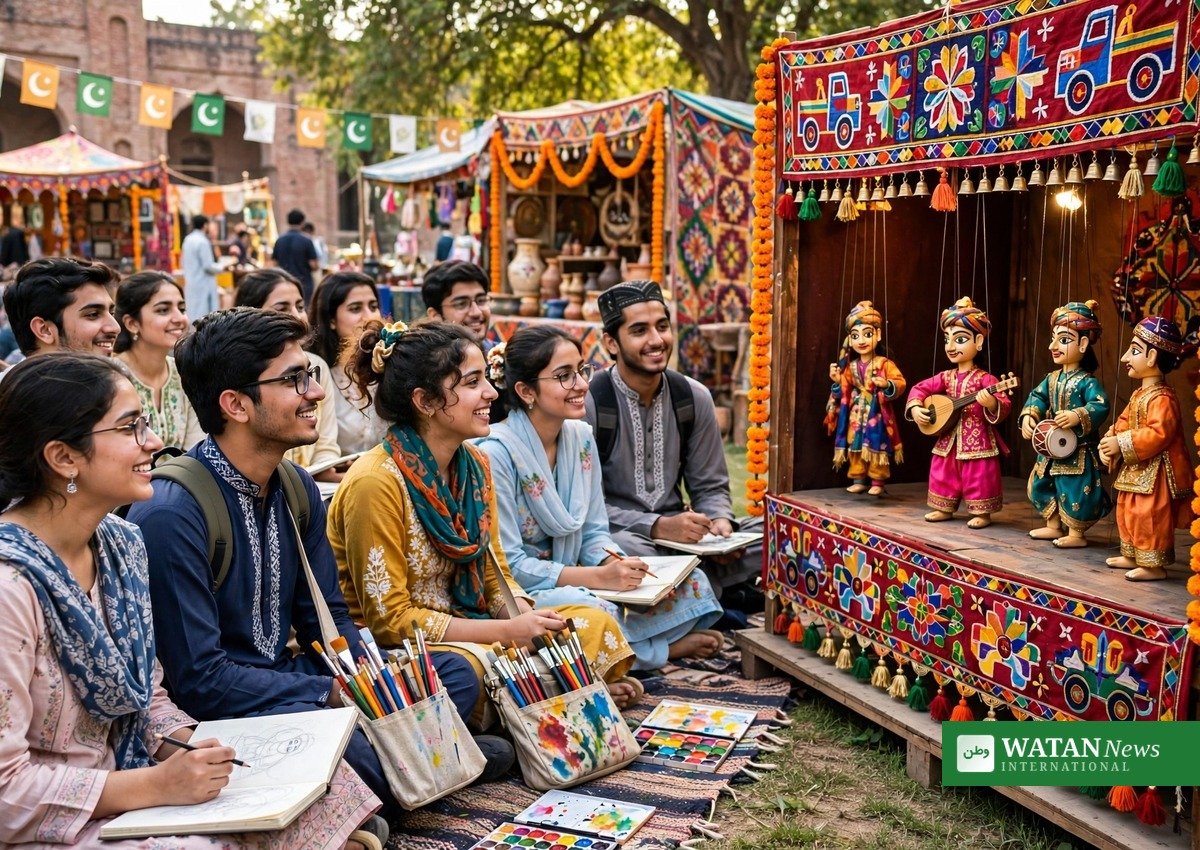
The performance highlighted both the artistic potential of puppetry and its appeal as live entertainment — and served as inspiration for the participating students, many of whom were seeing professional puppetry up close for the first time.
Puppetry as a Tool for Social Awareness
Beyond artistry, the workshop underlined puppetry’s role as a medium for communication. Shah highlighted storytelling through puppetry as an effective way to convey important messages — promoting positive social, economic, and moral values in a form that engages audiences of all ages.
The National Puppet Theatre, under PNCA, regularly conducts educational workshops and cultural outreach programs for schools and colleges, connecting educational institutions with Pakistan’s cultural heritage and inspiring creativity and critical thinking through the arts. This story is also published on our main site: PNCA holds puppetry workshop for NCA students.
A Theatre with a Fifty-Year Legacy
The workshop builds on a long institutional history. According to the Pakistan National Council of the Arts, the National Puppet Theatre was established in 1975 to revive puppetry — then described as a dying folk art. Two teams were sent to China for rod-puppet training in 1975 and 1979, and a third to Poland in 1987.
Since then, the theatre has staged shows across the country, including performances marking Pakistan Day, Independence Day, and Universal Children’s Day, alongside regular free puppet shows. Workshops like the one at NCA continue that five-decade effort to keep the craft in skilled hands.
Conclusion
The educational puppetry workshop for NCA students marks a significant step in preserving and promoting Pakistan’s traditional arts. By combining hands-on training with a live showcase of the art’s potential, PNCA is actively engaging the next generation of artists — and making the case that puppetry remains a vital medium for education, storytelling, and social awareness.
Frequently Asked Questions
What was the PNCA puppetry workshop about?
Titled “Introduction to Puppetry Art: Making and Handling of Rod Puppets,” the workshop gave NCA students hands-on training in constructing and operating rod puppets, followed by a live puppet performance by the PNCA team.
Who led the workshop?
The workshop was led by PNCA Puppet Expert Syed Masroor Ali Shah, supported by a team of experienced master puppeteers.
Which students took part?
Students from the National College of Arts (NCA), Rawalpindi Campus, participated in the workshop.
Why is PNCA promoting puppetry?
PNCA aims to revive and preserve Pakistan’s traditional puppetry heritage by training young artists, and to use storytelling through puppetry as a medium for promoting positive social and moral awareness.
What is the National Puppet Theatre?
The National Puppet Theatre is PNCA’s puppetry arm, established in 1975 to revive the folk art of puppetry. Its teams have trained in China and Poland, and it runs free shows, educational workshops, and outreach programs for schools and colleges.
Author

usmanjaved13132@gmail.com
Related Posts
The Special Investment Facilitation Council (SIFC) convened a detailed meeting to review progress on key refor
- 0
- 710 words
The Special Investment Facilitation Council (SIFC) recently convened a comprehensive meeting to meticulously review the ongoing progress of critical reforms and development...
Read out all
In Pictures: Autumn Paints Copenhagen in Gold and Amber
- 0
- 476 words
October is peak season for Copenhagen's autumn colours. From Rosenborg Castle's golden gardens to Nyhavn's glowing waterfront and Kastellet's red ramparts —...
Read out all
YouTube Unveils New Tools for Newsrooms: Memberships Hub, AI Likeness Protection
- 0
- 676 words
YouTube has unveiled new tools for newsrooms: a Channel Memberships hub with $1.5 billion paid out to creators, video previews, members-only communities,...
Read out all
Argentina Introduces Cash-for-Citizenship Program
- 0
- 826 words
Argentina has launched South America's first citizenship-by-investment program: a $350,000 non-refundable contribution or an $800,000 bond. Applications open in Q4 2026.
Read out all
World Animal Day Marked at UAF with Awareness Walk for Responsible Care
- 0
- 725 words
The University of Agriculture Faisalabad held an awareness walk ahead of World Animal Day (October 4), urging students and citizens to practise...
Read out all
Kenya Unveils Draft National Environment Policy With 2035 Climate Targets
- 0
- 671 words
Kenya has launched the first draft of a new National Environment Policy, with 2035 targets of a 35% emissions cut and 30%...
Read out all