- 0
- 363 words
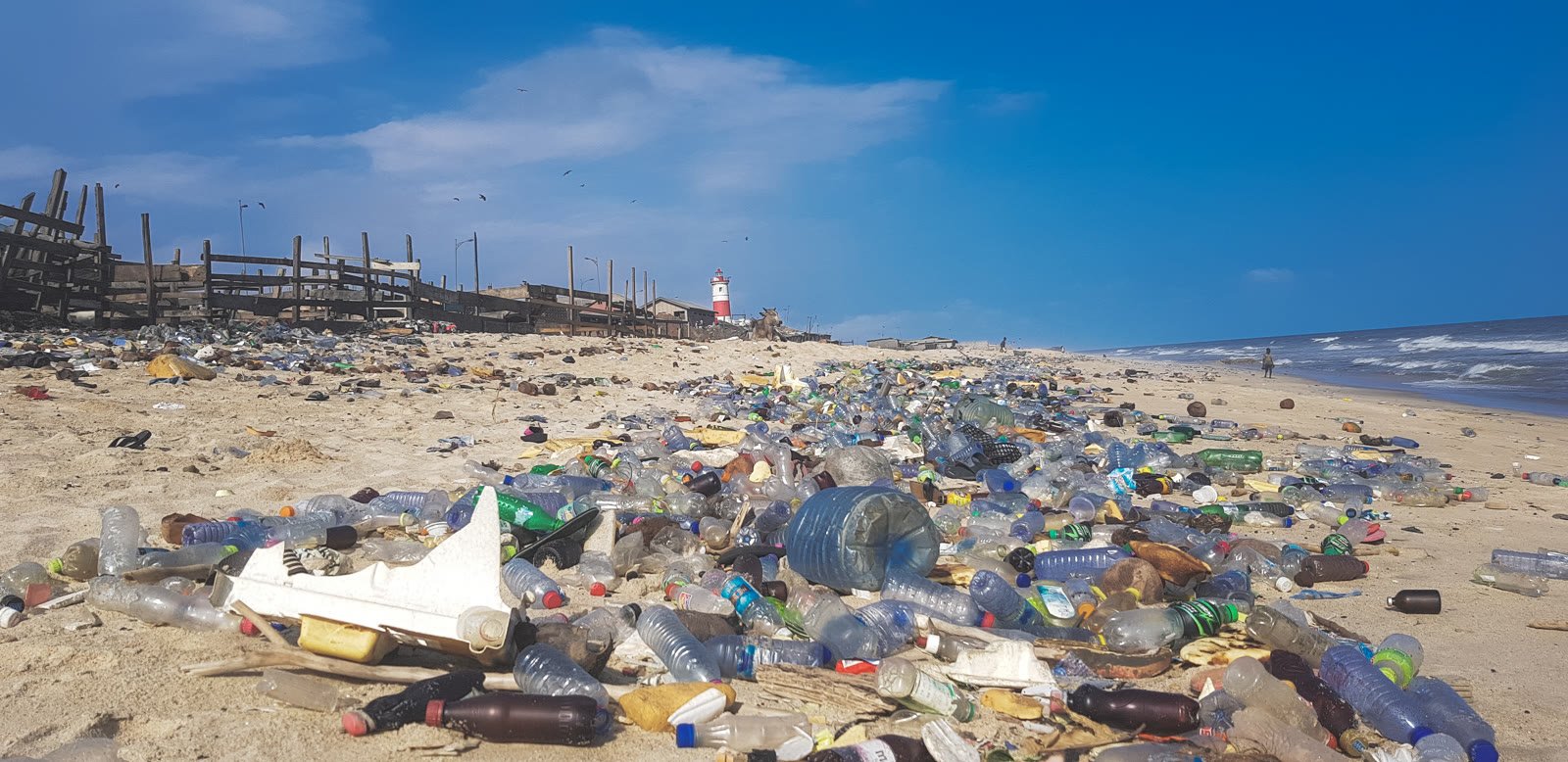
GENEVA / ANTALYA — An open-access dashboard from Boston College’s Global Observatory on Planetary Health and the Minderoo Foundation is sharpening the health case for cutting hazardous plastic chemicals — evidence that feeds directly into zero-waste and circular-materials debates as Türkiye prepares to host COP31 in Antalya.
PlasticHealthAware launched on 9 August 2025 at a Geneva side event to INC-5.2, the reconvened Intergovernmental Negotiating Committee talks on a global plastics treaty. Its first update synthesises systematic reviews and meta-analyses published through August 2025, covering five chemical groups widely used in or associated with plastics: bisphenols, polybrominated diphenyl ethers (PBDEs), polychlorinated biphenyls (PCBs), per- and polyfluoroalkyl substances (PFAS), and phthalates.
An Annals of Global Health article describing the update reports that the dashboard now draws on 196 systematic reviews and thousands of meta-analyses. The peer-reviewed umbrella-review methodology behind the project has found statistically significant associations with adverse reproductive, endocrine, neurodevelopmental, circulatory, respiratory and cancer-related outcomes. Dashboard messaging stresses that children are especially vulnerable: exposures begin early in life and harms can accumulate across the life course.
Scope still matters. Plastics may contain more than 16,000 chemical additives, yet the current search strategy covers only about 20 percent of known plastic-associated chemicals — a gap the authors treat as central, not incidental. Future updates may expand to other functional groups and emerging substitutes. Separately, the Minderoo-Monaco Commission on Plastics and Human Health concluded that plastics endanger health across the full life cycle, from production and use through waste and environmental release.
For Watan’s Zero Waste beat, the implication is practical rather than rhetorical. Reducing virgin plastic demand, designing out hazardous additives, and scaling reuse and safer secondary materials are climate and health measures at once. Türkiye’s COP31 presidency has placed zero waste and circular material use among Action Agenda themes for the Antalya summit — an implementation frame that invites Parties to connect chemical safety with waste prevention, without inventing claims about domestic Turkish legislation.
Independent, regularly updated tools such as PlasticHealthAware help governments turn circular-economy pledges into rules on what materials enter markets, what is recycled, and what is phased out. The remaining evidence gaps are themselves an argument for precaution on unstudied plastic chemicals along any serious zero-waste pathway.
Author

watannews321@gmail.com
Related Posts
Harnessing the Power of Nature: The Growth of Renewable Energy in Pakistan
- 0
- 463 words
Pakistan’s renewable energy sector is experiencing significant growth, with a focus on solar power and wind energy. The country’s government has set...
Read out all
Tragic Blast at Police Complex Mosque in Pakistan: Casualties and Response
- 0
- 398 words
A powerful blast at a police complex mosque in Pakistan has resulted in multiple casualties, according to reports from local authorities. The...
Read out all
Tragic Suicide Attack Near Mosque in Northwest Pakistan: 16 Lives Lost
- 0
- 355 words
A suicide bombing near a mosque in northwest Pakistan has claimed the lives of at least 16 people, in an attack that...
Read out all
Unveiling the Glamour: Must-See Fashion Events of 2026
- 0
- 544 words
The fashion world is gearing up for another exciting year, with a plethora of fashion events lined up for 2026. From the...
Read out all
Discover Bawah Resort: A Beautiful Escape in Riau, Indonesia
- 0
- 514 words
Nestled in the Riau Islands of Indonesia, Bawah Resort is a hidden gem that offers a tranquil and luxurious getaway from the...
Read out all
Exploring the Growth of Pakistan’s Electric Vehicle Market in 2026
- 0
- 550 words
Pakistan’s electric vehicle market is on the rise, with the government and private sector investing heavily in the development of EV infrastructure...
Read out all